
This collection of garden edging ideas will help you define garden borders, highlight an area, add texture, and dress up your landscape.
Often overlooked, lawn and flower bed edging can play an important role in your landscape design plan to improve your property’s overall curb appeal. Edging simply separates two distinct areas.
Not all of these landscape edging ideas will fit your garden. You may love the look, but they simply may not be practical, affordable or the style of your garden.
Keep in mind that, as with many things in the landscape and garden, there are no hard rules on style. Landscape edging comes down to your taste, creativity, materials and budget.
The one place to slow down is materials that touch the soil around plants you plan to eat, so watch for the safety notes on railroad ties, treated wood, pallets and glass below.
The materials used for edging come in a wide range of choices and combinations: stone, concrete, brick, wood, tiles, metal, plates, glass, gabion, logs, and all kinds of recyclable items.
Let’s face it, upcycling is popular in the garden. Many of the garden edging ideas below use some type of upcycled material, and most photos are credited to where they were found. Let’s get started!
What To Know Before You Choose Edging
UF/IFAS says edging can highlight shrubs and trees, contain mulch, keep plants from spreading, and reduce mowing time, and suggests choosing a material based on your budget and the look you want.
On durability, UF/IFAS lists stone, brick, concrete, plastic and aluminum as durable border materials, and says wood edging is natural and versatile but all wood products need replacing every few years, so choose a wood that resists decay. Extension sources don’t agree on everything.
Illinois Extension calls metal edging, steel and aluminum, the longest lasting. It also says plastic is the most common homeowner choice because it is inexpensive and easy to install, but rates its durability as poor.
Here in Florida, St. Augustinegrass is a common lawn grass, and UF/IFAS says it spreads along the ground on aboveground stems called stolons. Keep that in mind when you decide how deep and how tight your edge needs to be.
Concrete Edging And Curbing
Broken concrete makes for great garden edging. The word “concrete” can sound very hard and cold, but a concrete edge offers lots of design opportunities.
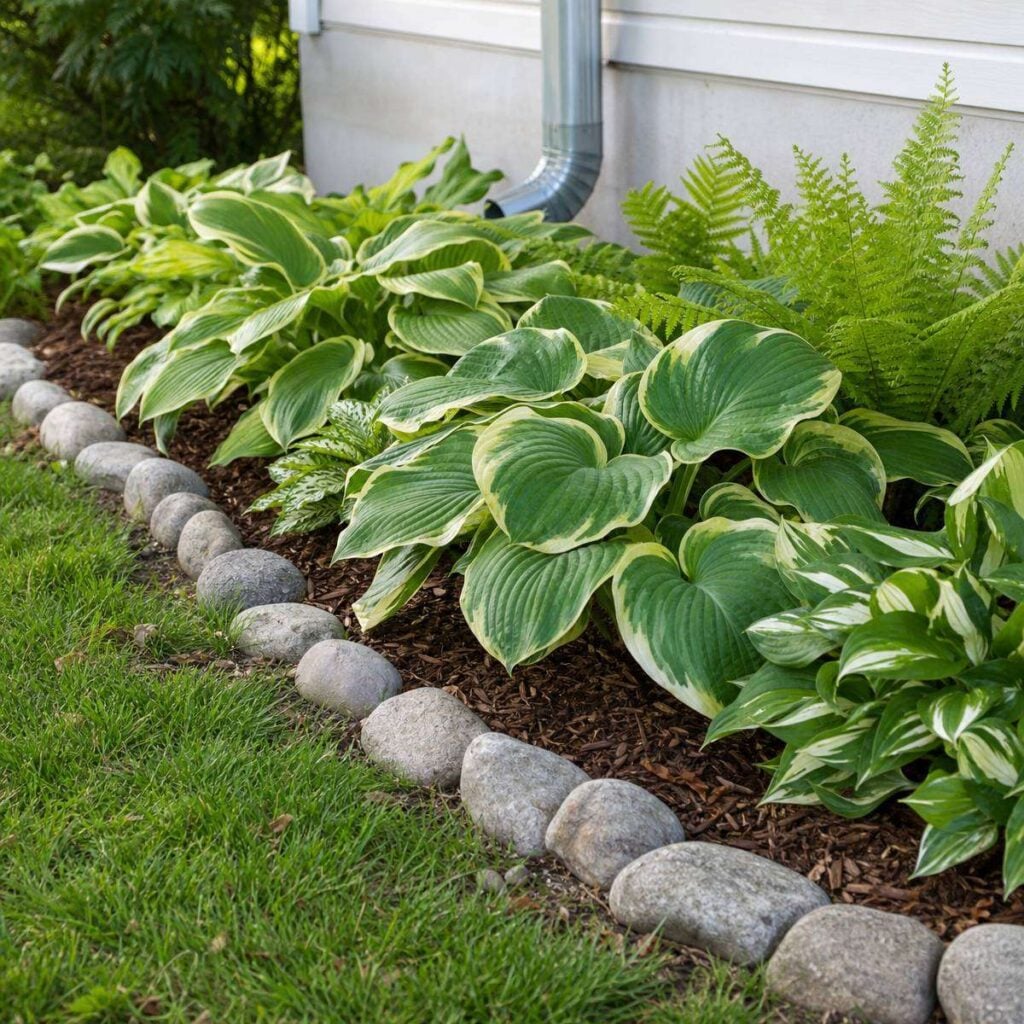
The arrangement of these flat stone or “broken concrete” garden dividers around the corner of the house draws attention to the hostas and other foliage planted against the foundation border edge of the house.
You may have heard that you should lay landscape fabric before edging. UF/IFAS is less sold on it. It says fabric can be difficult to install in an existing mature landscape, can potentially damage ornamentals if they root into it, and can make weeds that grow on top of or through it harder to hand-pull.
For weed control, UF/IFAS recommends organic mulches such as pine bark or pine straw at a depth of 2 to 3 inches.
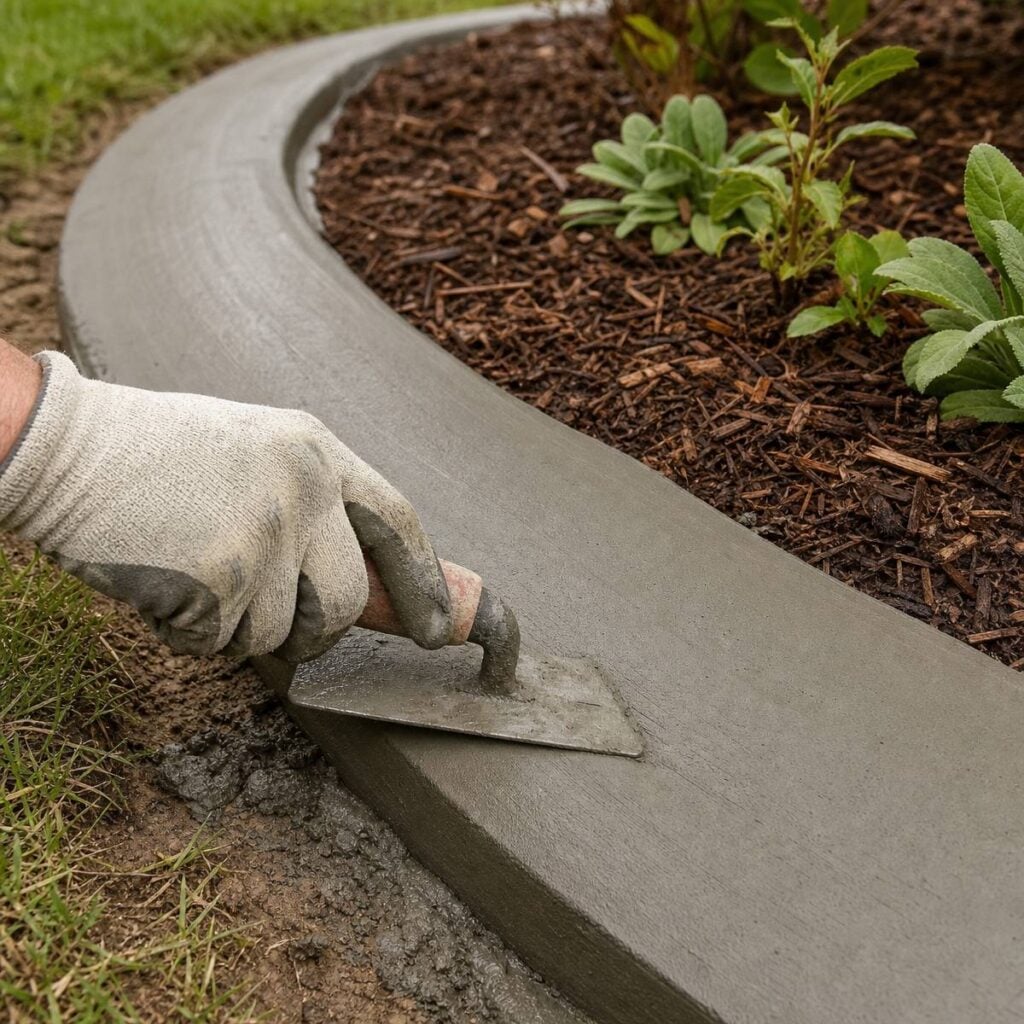
landscape border ideas – Formed Concrete Garden Border
This edging uses concrete to form a curb. These concrete landscape borders are built onsite and are permanent. You can also stain or paint the concrete. It’s a nice way to edge around a tree.
Curious about how much concrete curbing costs per foot? It varies a lot with the material, the length and where you live, so get a couple of local quotes before you commit.
Brick Garden Edging
When we think of edging materials in most yard landscaping projects, we think of brick, and as you’ll see, you can use bricks and pavers to create a landscape edge in many ways. One tip from Illinois Extension: make sure the brick or pavers are well fired so they are waterproof.
Neatly assembled stone tiles set flat in a shallow trench create garden edging that forms a nice barrier between the garden bed and grass. It’s a neat, clean look that adds uniformity to the landscape and edges a flower bed with bricks, giving you a clean line to mow along.
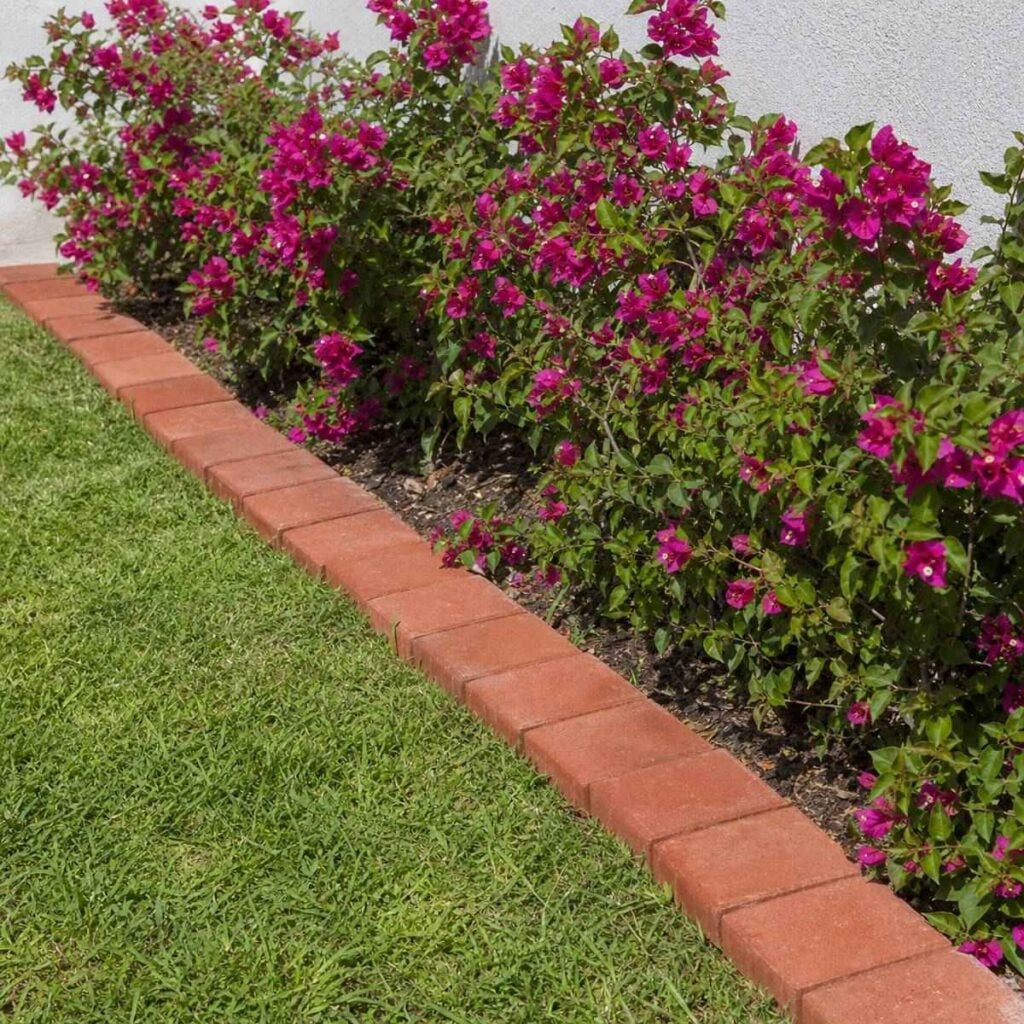
What’s interesting about this garden edging idea is that it is very symmetrical. The square shapes made of 4 bricks look clean and distinct. However, the center of each “square” carries a different design.
You can dress up brick edging in the evening with a rope lighting strip tucked away on the inside of a rock lawn edging. It’s a simple way to add style to the garden, and it looks almost mystical, as if the light comes from nowhere.
We often see bricks used as edging to separate the lawn edge from flower beds. Turning the bricks on their side creates an entirely different look in garden design and offers another way to lay brick edging for front-yard and backyard landscaping.
It is an old style look that has a new style when it comes to the brick. It almost looks like a wave that is leading the way for you.
A beautiful, eye-catching brick garden edging idea because of its symmetrical shape. The tiny blocks inside the edging give it a very suburban look.
Metal Landscape Edging For A Rustic Look and Feel
By raising the garden bed and installing metal landscape edging, this winding “rusty” steel edging creates a contemporary look that draws attention.
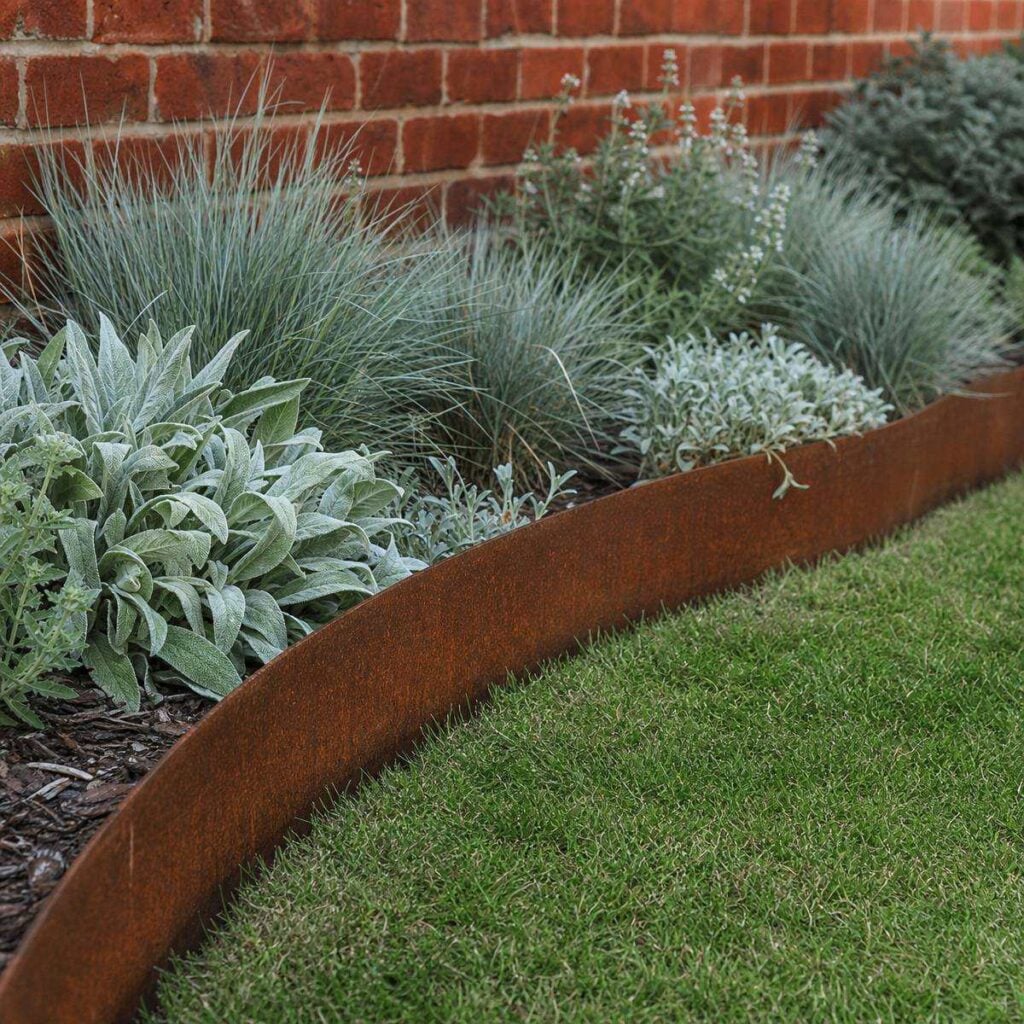
A note from Illinois Extension on the two common metals: steel edging is relatively expensive and difficult to install properly, while aluminum is easier to work with, but its silver color can look unnatural in many landscapes.
Metal and bricks working together.
Corrugated Steel Panels Installed Vertically As Garden Edging
I love the neat look of this landscape edging idea. It gives a very minimalist garden feel, looks clean and simple. The colors are not too busy, and it makes the yard feel peaceful. As a bonus, the full-size panels didn’t require any cutting of the metal landscape edging.
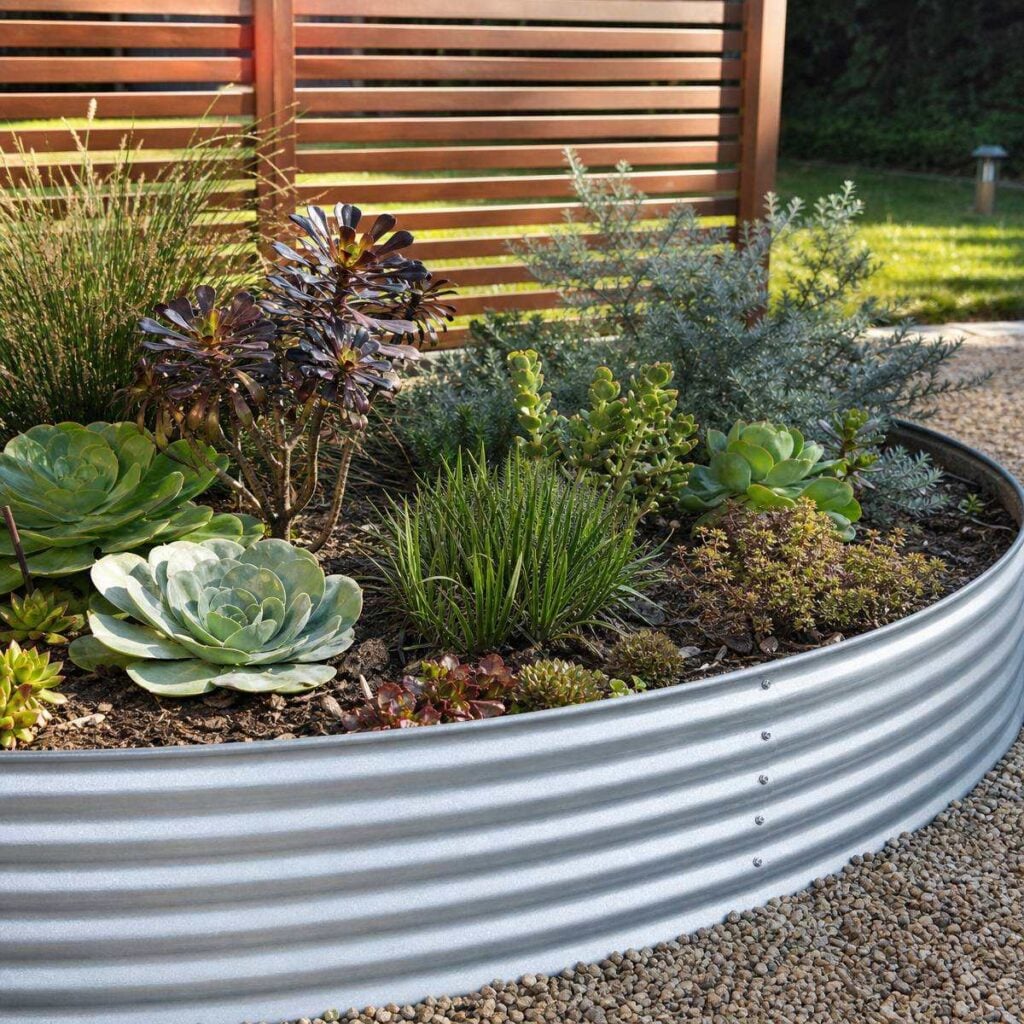
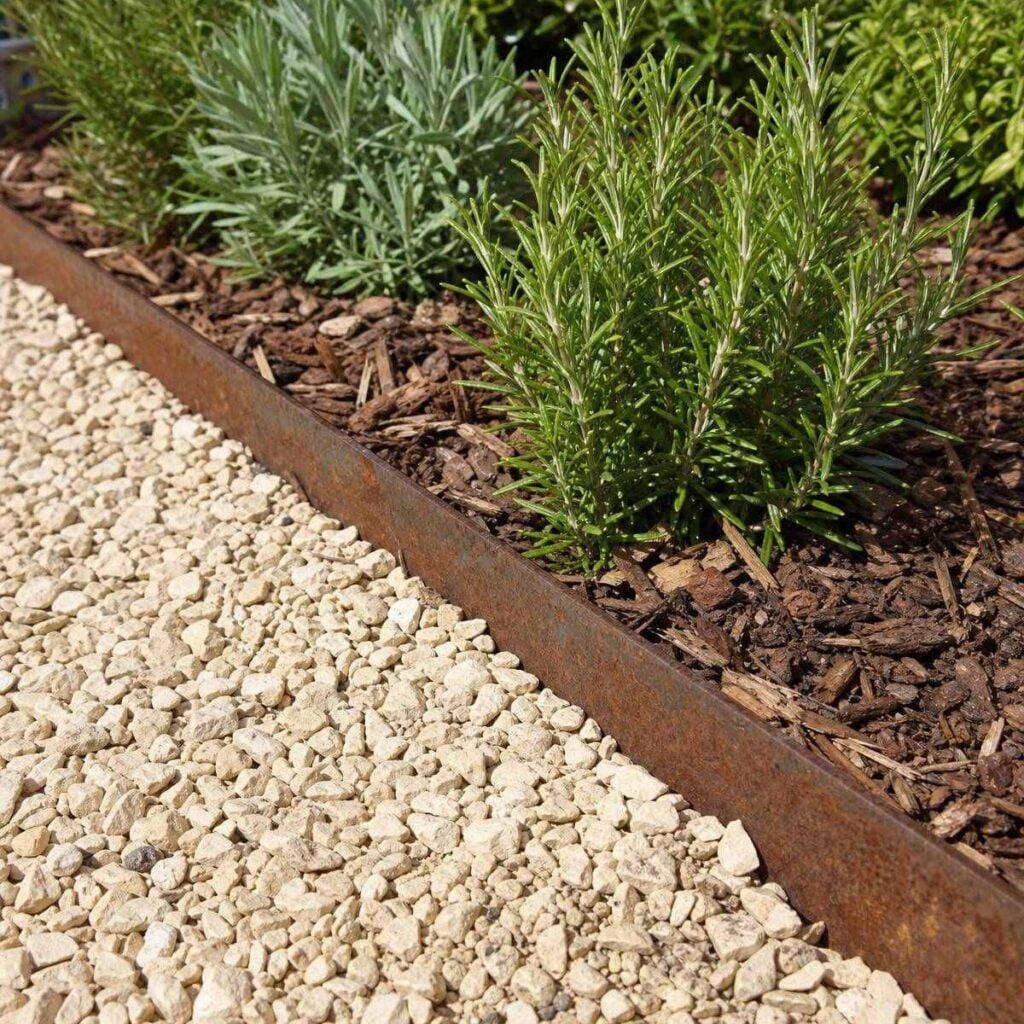
Metal Edging Laid In A Zig Zag Pattern
The short and long metal edge gives it a very simple look. It’s nothing extravagant or eye-catching, but it gets the job done. Paint the thin steel edge sheets if desired.
Gabion Wall Used As Edging
This kind of garden edging, called “gabion”, stacks stone in wire baskets. It looks natural yet structured, and it blends in well with the natural environment.
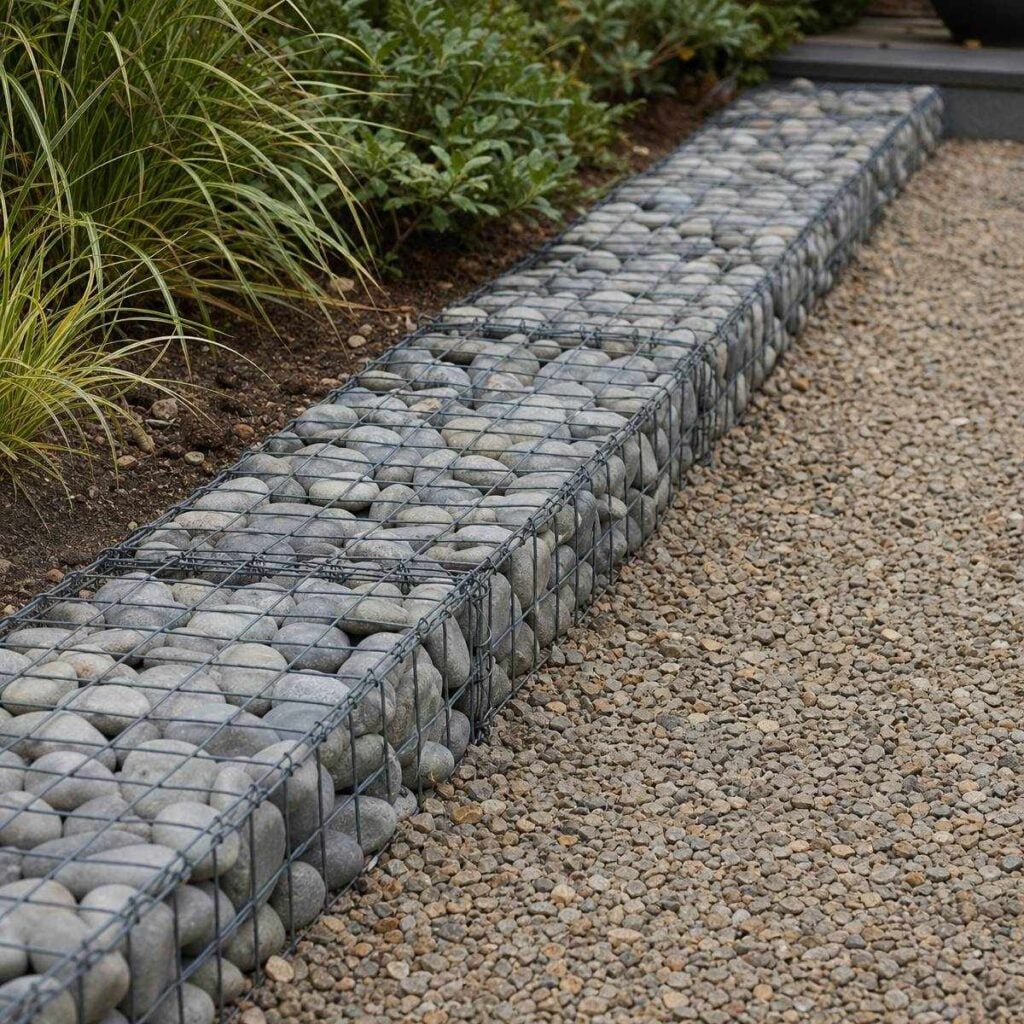
In this photo, the gabion garden wall edging holds plants and soil like a retaining wall, and it also serves as a garden focal piece.
Garden Edging Stone
Stone edging ranks right up there with brick edging as a popular material to separate areas. It does take some heavy labor to get it all in place, but stone edging does produce impressive results.
If the stone’s job is to hold back grass, Illinois Extension says it should be at least 3 inches thick and at least 4 inches wide.
Stone and rocks come in so many shapes, sizes, colors, looks and textures. This lets you use stone stand-alone for edging or combine different stones to create interesting looks.
Stacked Flat Edging Stones
This shows a nice way to edge a flower bed using short flat tiled rocks stacked on top of each other. A simple design with a casual look and feel separates the lawn edge from the mulch and flower bed.
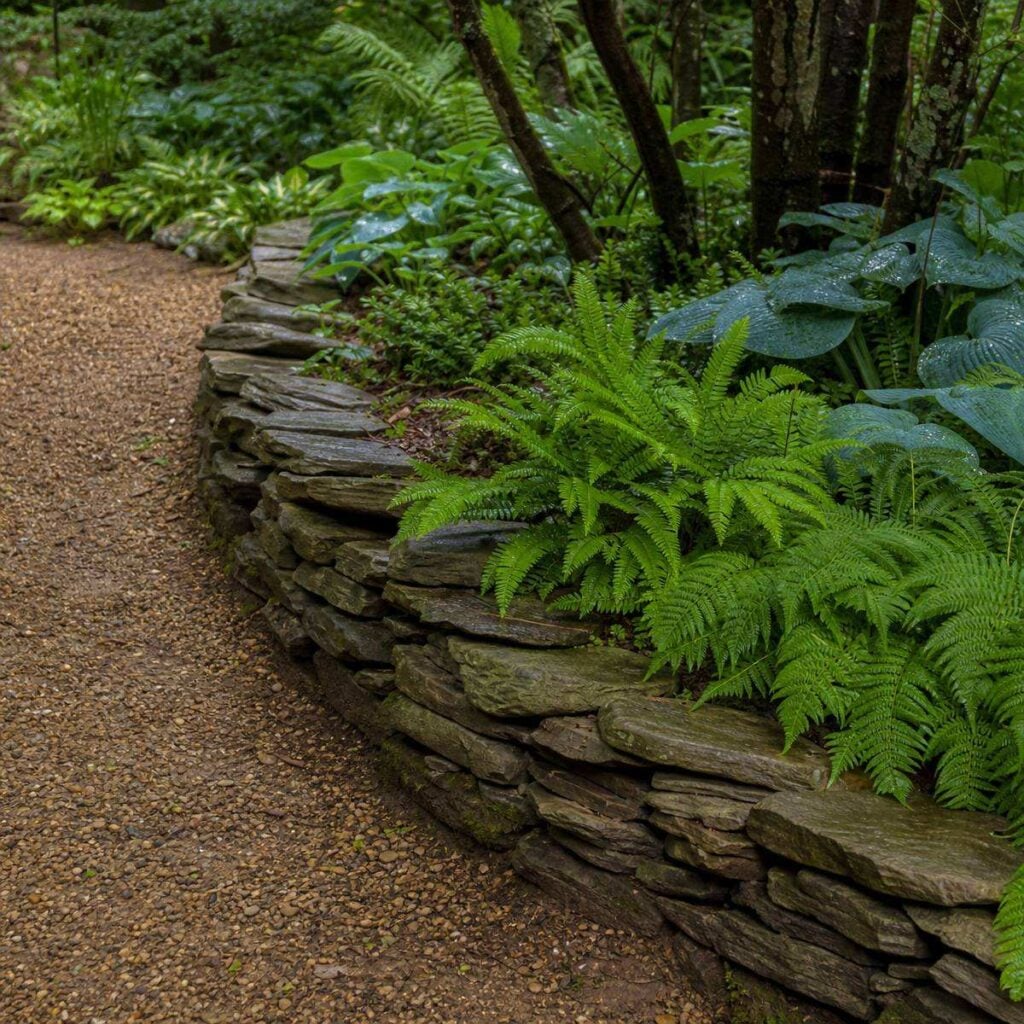
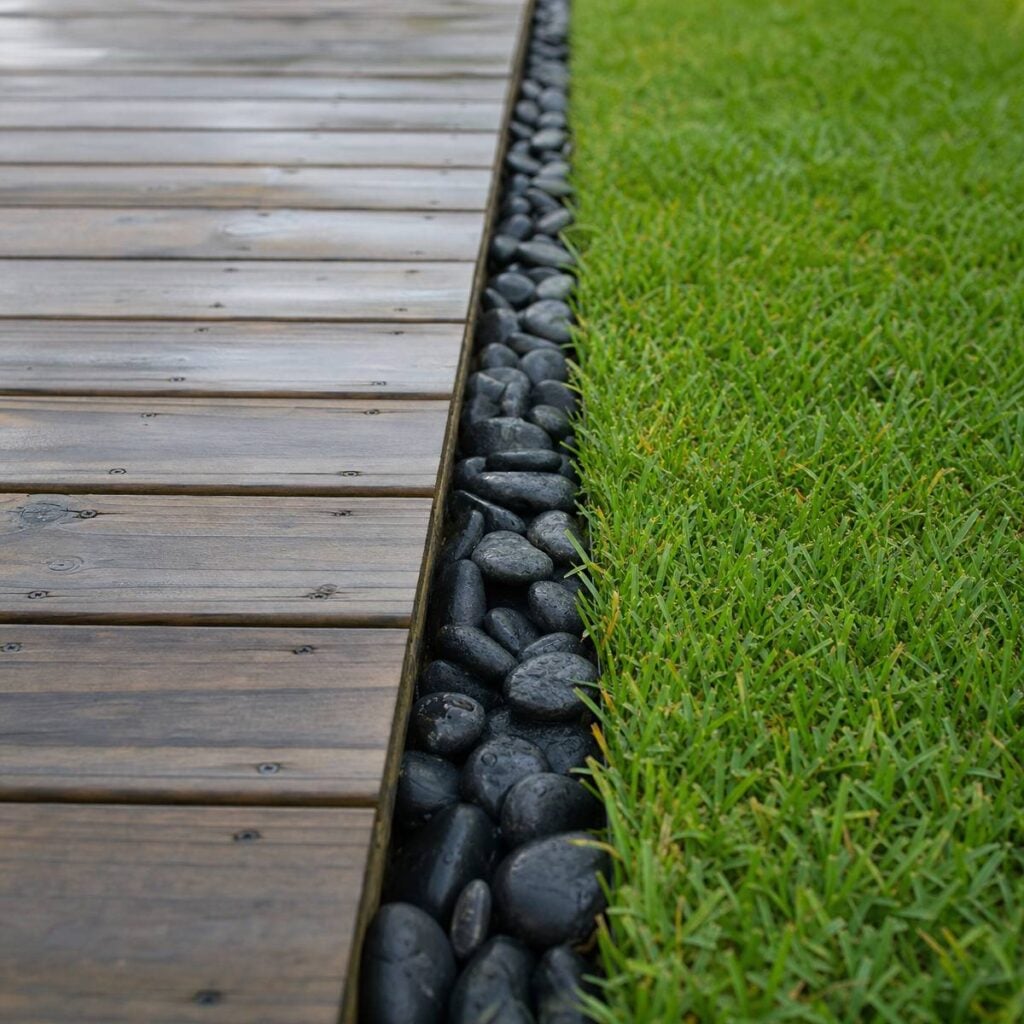
Garden Stones Used As Simple Clean Edging Of A Deck
This is an uncommon way to differentiate the deck from where the garden starts, but it adds a “polish” to the design. The small garden stone rock border makes a world of difference when stepping out to take in the view.
Crushed Rock Filling In Between Bricks
This lawn edging idea contrasts brick with a wide strip of crushed rock. The stone’s low height and sudden color change create a clear boundary that doesn’t intrude on the landscape design.
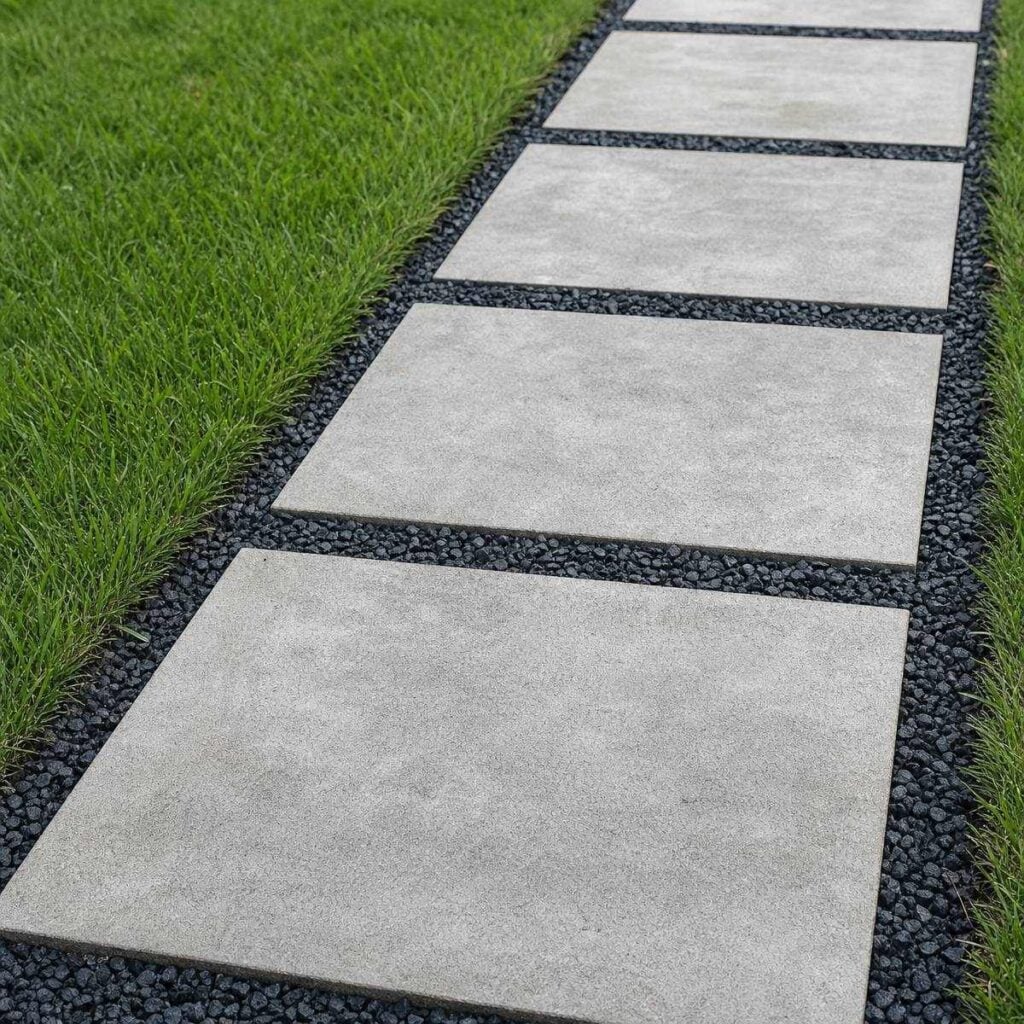
The contrast of light and dark stones along with different sizes complement each other quite well next to the concrete stepping stones. It clearly defines where the walkway ends and the border begins.
Stones Combined with Brick Edging
This edging made up of smooth rocks and bricks gives off a very natural but not too manicured and perfect look. Simple, yet the way it spirals adds impressive flair. As you can see, there are no complicated “install stone landscape edging” instructions. The stones were laid right up to the bricks and followed the garden path.
The graduated stone bed is an excellent contrast. The small stones create a nice transition border, while the large stones make up the bed. It’s a very pleasing way to implement a natural border.
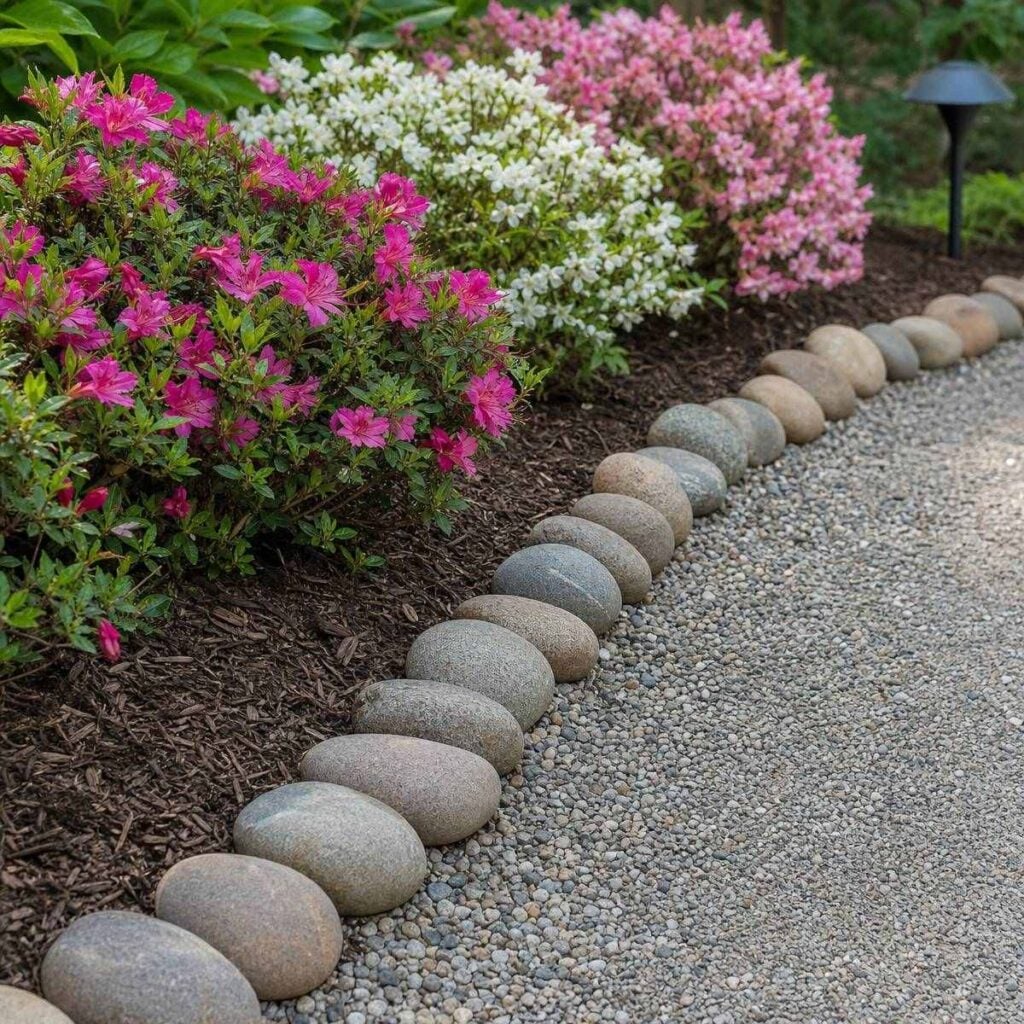
Bowling-ball-size garden edging stones or rocks compose this landscape edging design. The rocks and plants make you feel like you’re walking to or from a beach!
Wood Landscape Edging
Wood, like brick and stone, comes in many forms, from raised garden beds to logs and boards, and as you’ll see, more types exist!
UF/IFAS says all wood products need to be replaced every few years, and Illinois Extension says wood edging stays in place well and creates a nice mowing edge. Before you use railroad ties, treated wood or pallets, read the safety notes below.
Railway Ties As Garden Borders
This garden edging happens to be one of my favorites. Railroad sleepers are placed at angles to the fence, with only one plant (like a sago palm) in each “growing area.” The biggest issue I see comes with maintaining the grass.
A safety note on railroad ties. Clemson Cooperative Extension says railroad ties are treated with a highly toxic, oil-borne preservative called creosote; it advises against using ties that ooze or smell of creosote in the landscape and says old, discarded ties should be used with caution.
If you use ties in a vegetable garden, it says you can line the inside surface, the side facing the bed, with plastic.
University of Missouri Extension adds that creosote may injure or kill plants that come into direct contact with it, that the effect diminishes after a few years, and that ties still oozing creosote or with an intense smell may cause injury.
The EPA notes that creosote-treated railroad ties are sometimes recycled as landscaping timbers and that reuse of creosote-treated wood is not subject to regulation under pesticide laws.
Vertical Railway Sleepers
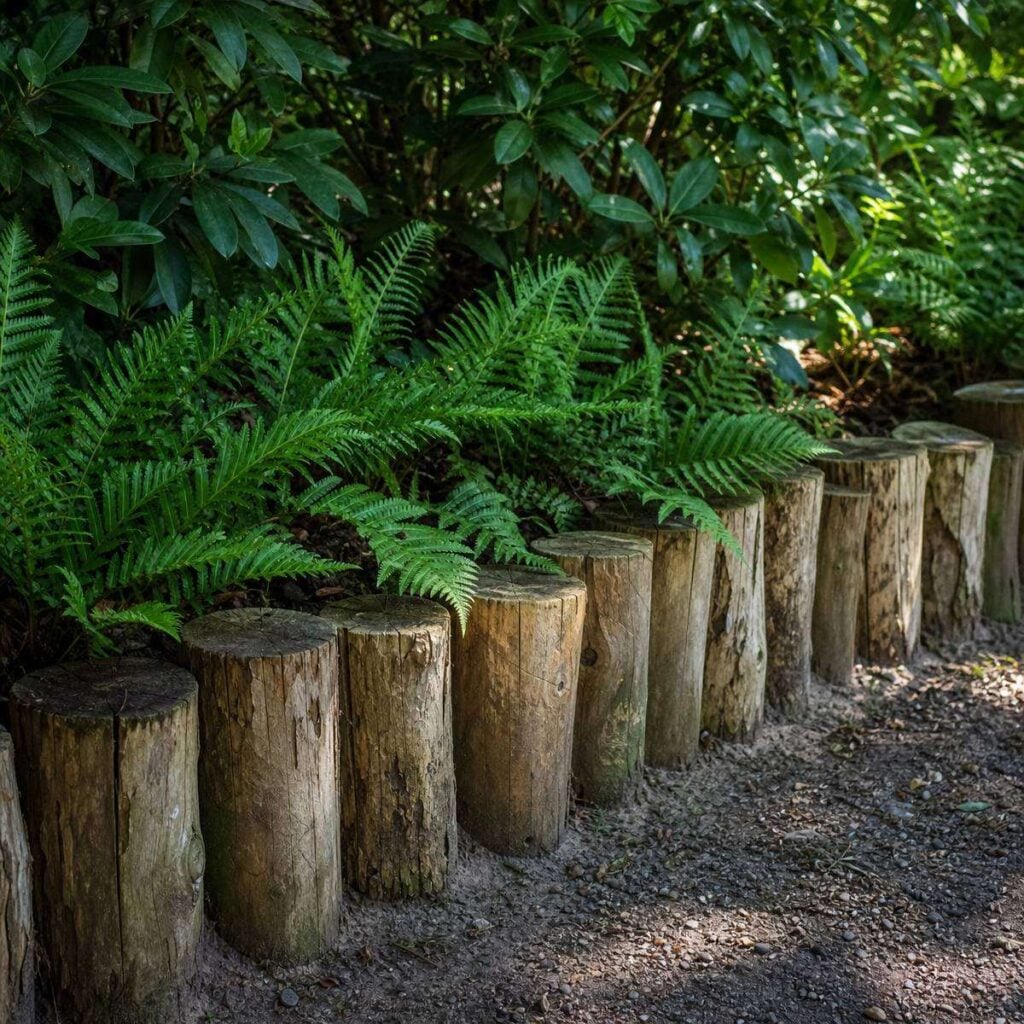
These railroad ties cut at uneven lengths, make this garden edging unique. It adds a casual look and feel.
We often think of the garden edging as the accent. In a twist, this edging gets an accent with stones resembling two small feet side by side. It shows how using the resources around you can turn simple into beauty.
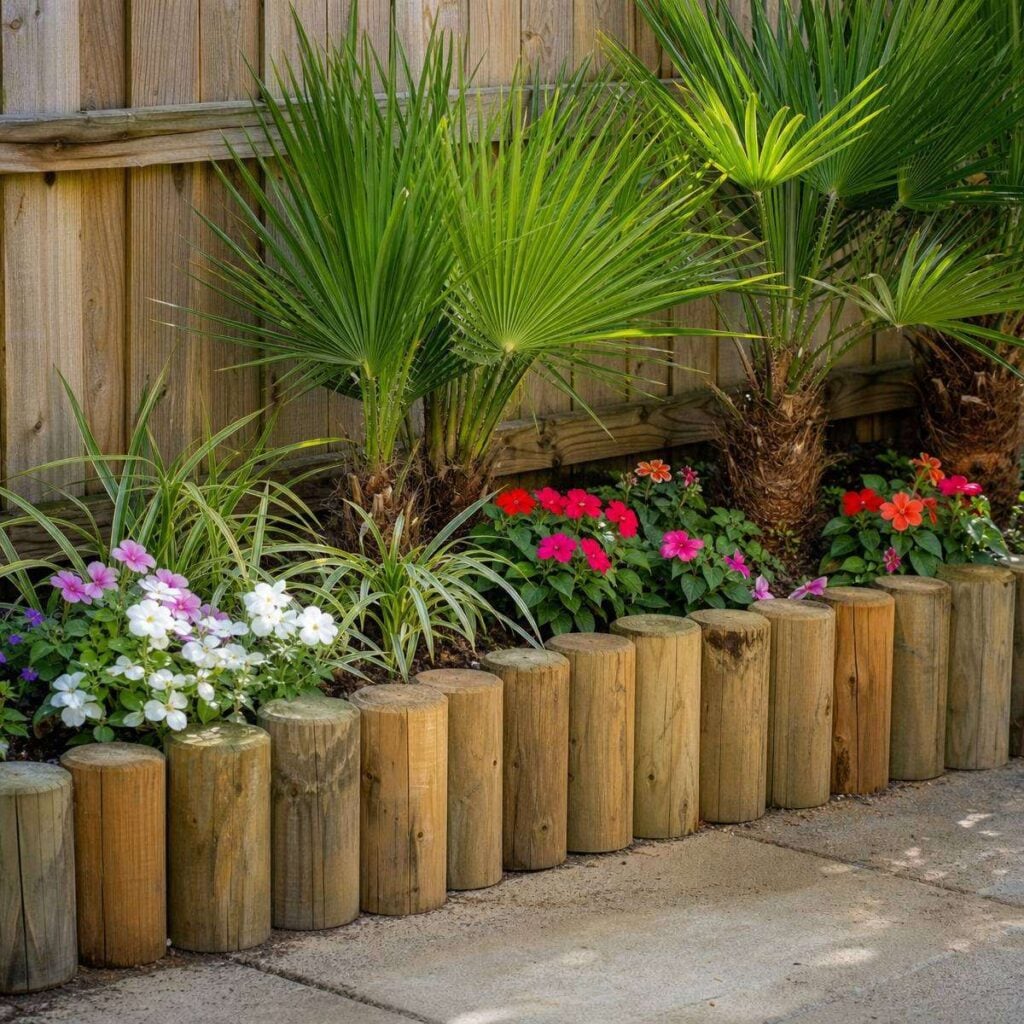
This garden edging looks like a miniature fence. It serves as a playful “keep out of my plants” sign.
This garden bed looks similar to the uneven railroad ties, but it uses a landscape timber, and this edging does not vary in height but also delivers a very attractive and natural feel.
Scrap Treated Wood As Garden Edging
The mini boards, possibly from a pallet, are high enough to define the garden bed. Not my style, but that’s OK.
On treated lumber, Clemson says it is advisable to avoid CCA-treated lumber for landscape use, and that ACQ-treated lumber is not expected to have adverse effects on the health of adults and children, according to a 2007 risk assessment it cites.
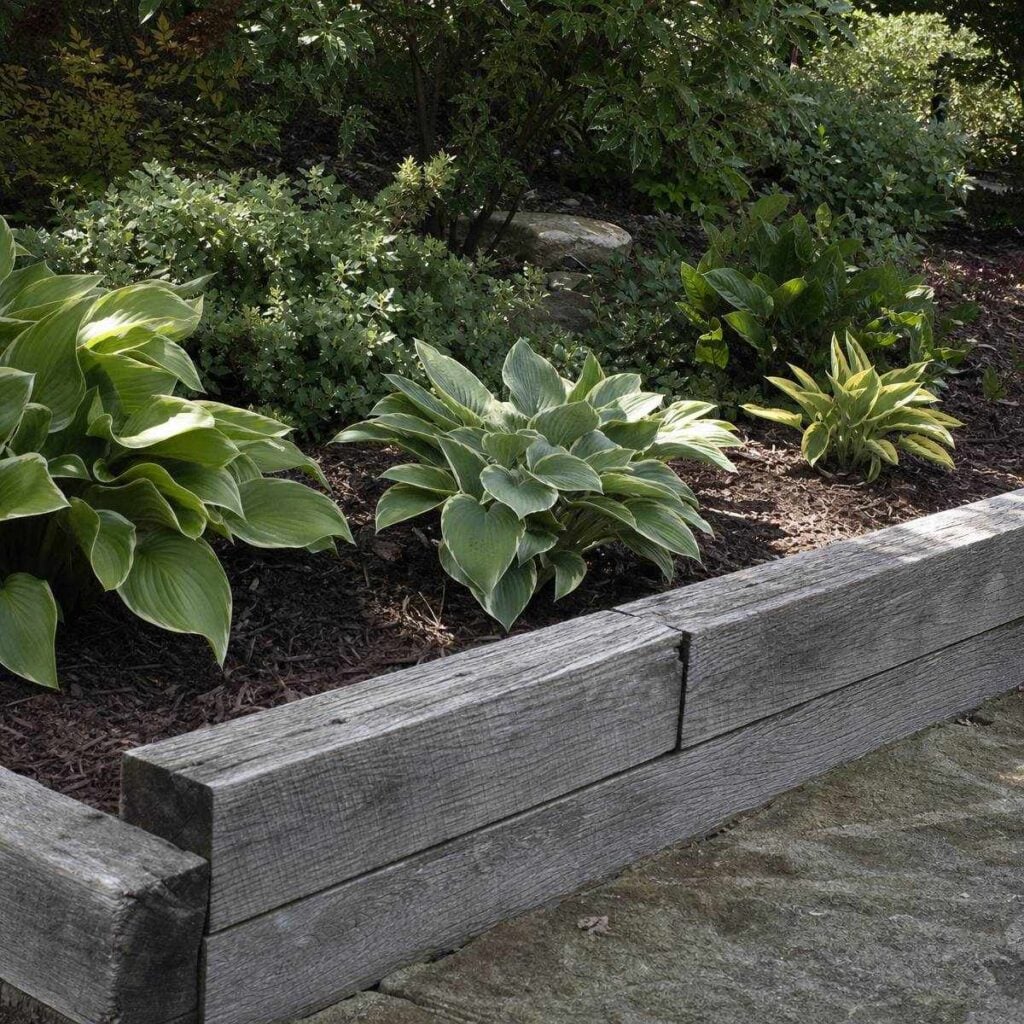
If you’re concerned about treated wood in a raised vegetable bed, Clemson suggests a heavy metal soil test and lining the inside surface of the structure with heavy-duty plastic sheeting.
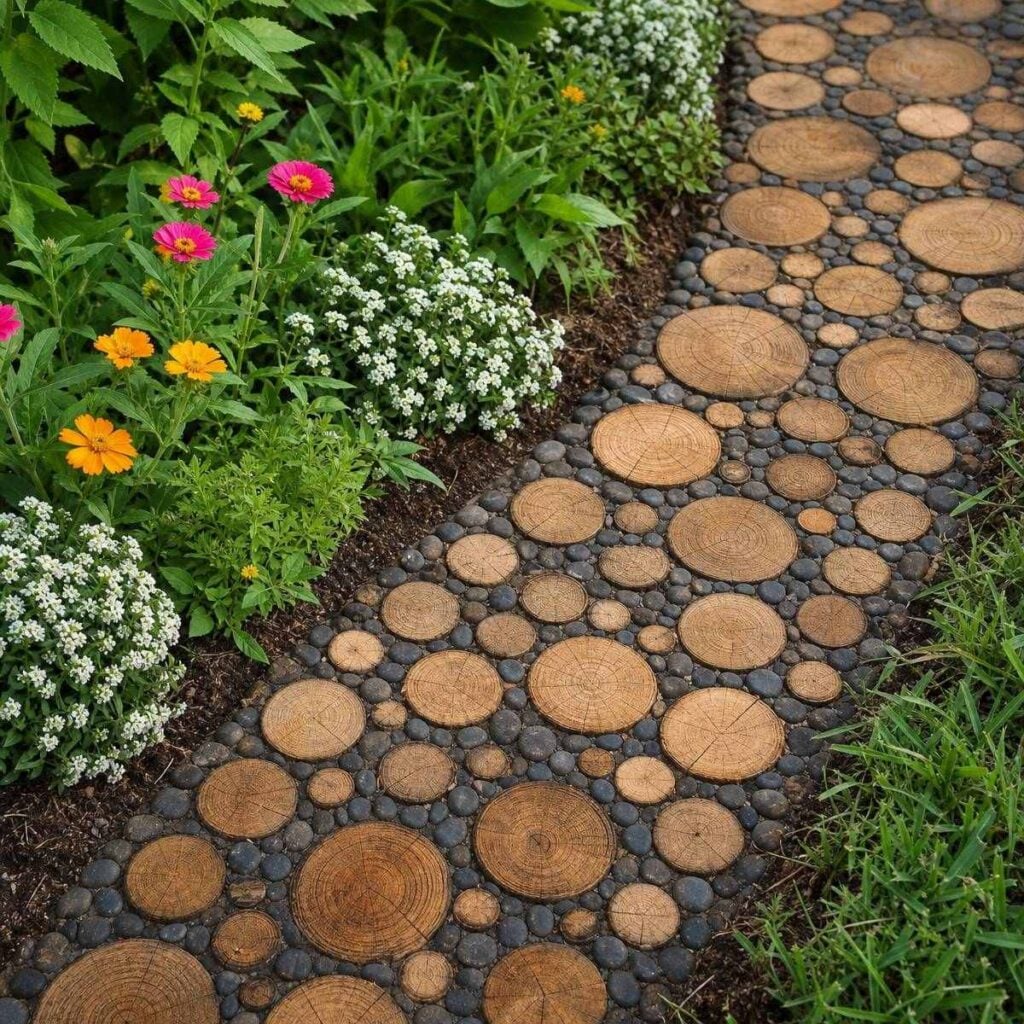
Cut Tree Trunks Laid Out As Edging
You barely notice this edging because of the bottle walkway. There is lots of detail in the walkway, and the edging looks to me like an afterthought.
Garden Edging Made From Pallets
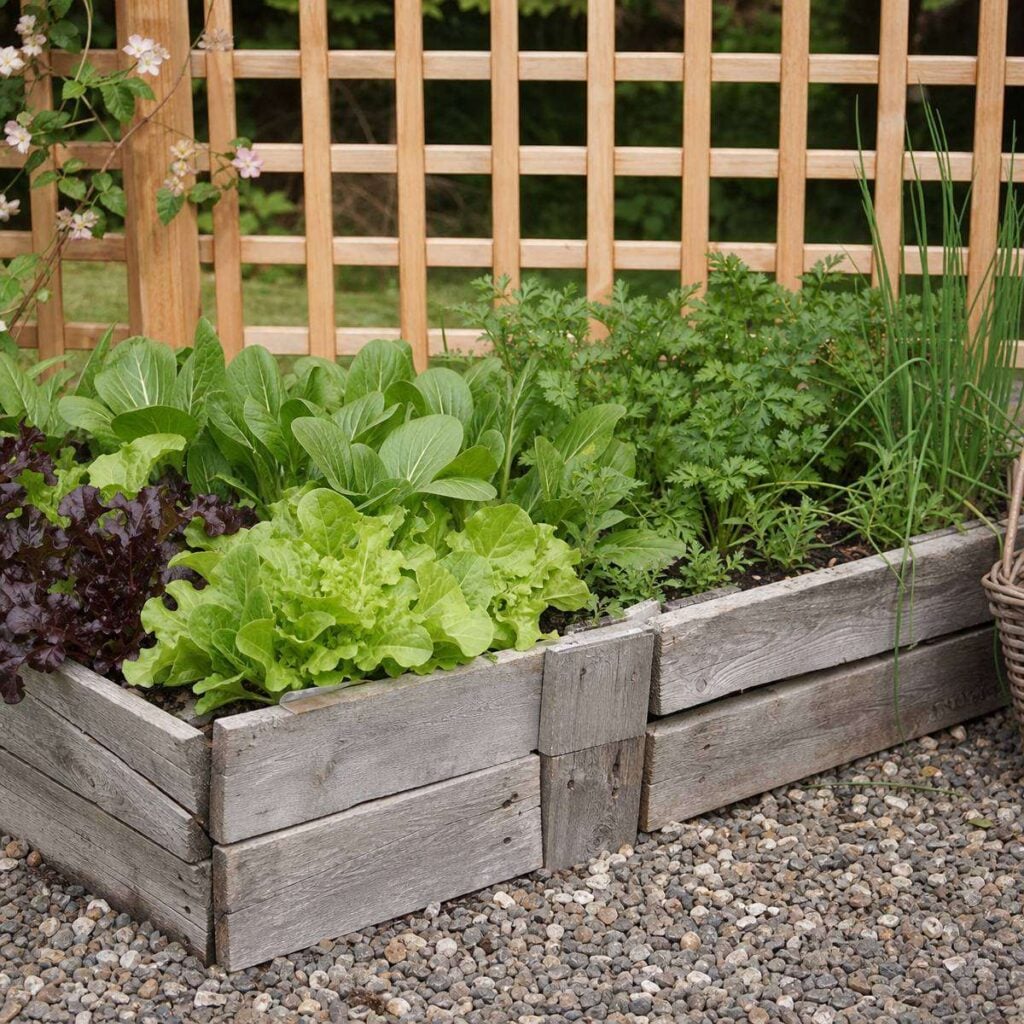
This garden edging looks very “homey,” as though it’s part of a project. The cut-apart pallets give a very western feel.
If you reuse pallets, Penn State Extension says to check the stamp: heat treatment (HT) is a safe option, while a pallet with an MB stamp has been treated with the highly toxic pesticide methyl bromide and should never be used for any home project.
Woven Garden Hoses Used As Edging
A unique and beautiful way to create a one-of-a-kind fence. The best part is breathing new life into old garden hoses destined for the dump.
Braided and Woven Vines
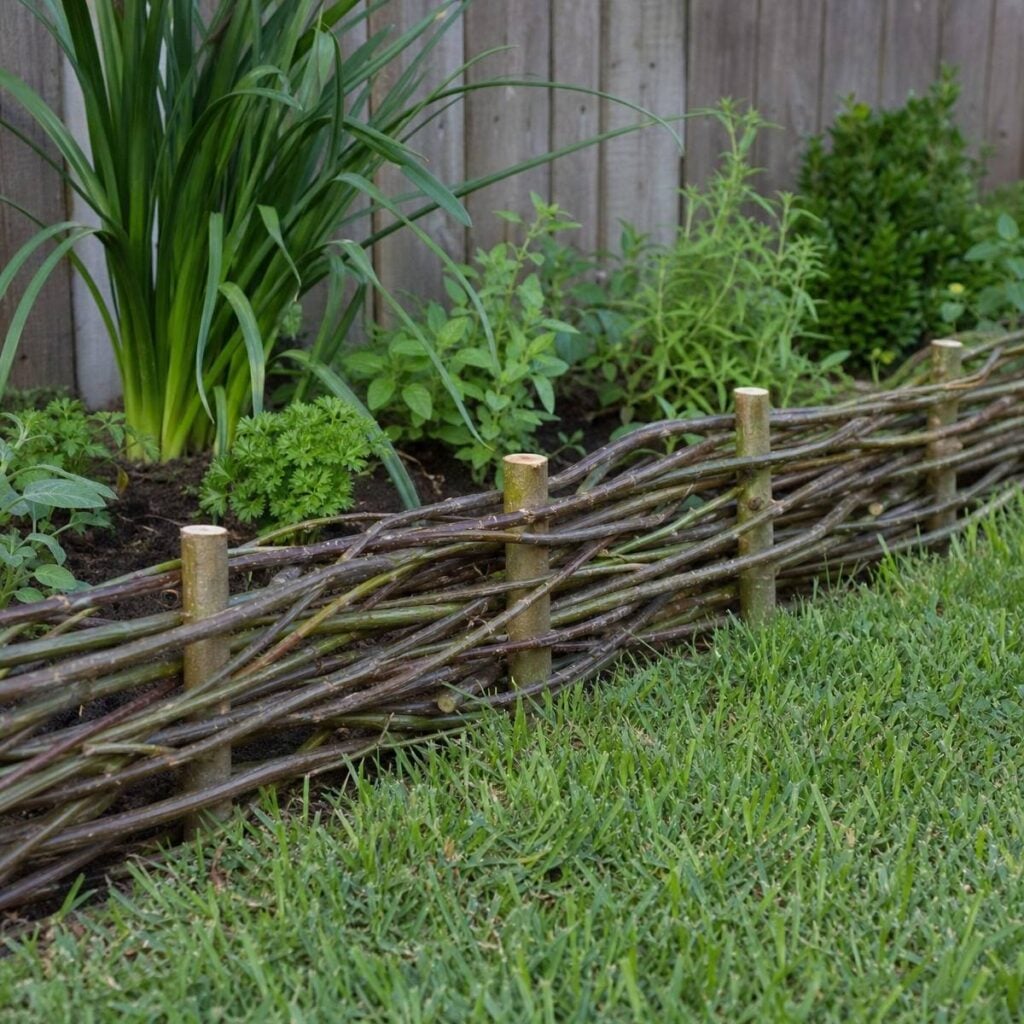
This woven garden edging gives off a rustic feel. This edging idea takes a lot of work.
Manufactured Landscape Edging
For some, the easiest way to edge a flower bed or lawn is to buy a pre-made product from the local garden center. Pre-made, usually plastic, edging installs quickly.
Extension sources split on plastic: UF/IFAS lists it among durable border materials, while Illinois Extension says plastic edging has poor durability, is probably the hardest material to install so it stays put, and that round-top edgings sink less easily than flat types.
EasyFlex No Dig Edging
This manufactured plastic edge material delivers a simple, minimalist look. It’s a quick fix and barely noticeable in any garden.
Inexpensive Garden Edging Ideas: Grey Cobbled Stone Plastic
This manufactured garden edging is thin, made of a plastic material with a brick-edge design face. The extra space lets you plant more flowers and shrubs. The color does not take away from the beautiful colors of the plants.
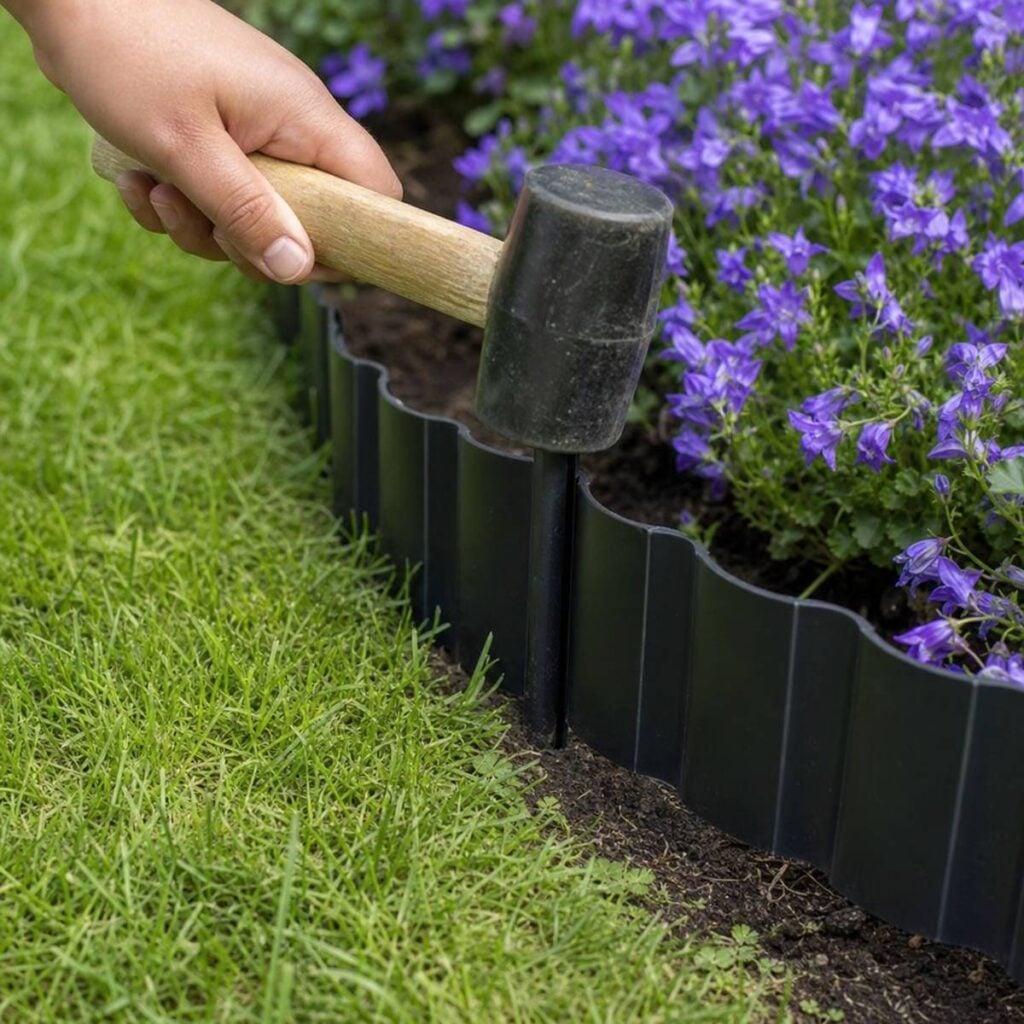
Flexi-Curve Garden Edge
This garden edging makes the space look spotless. The beautifully crafted designs are very eye-catching.
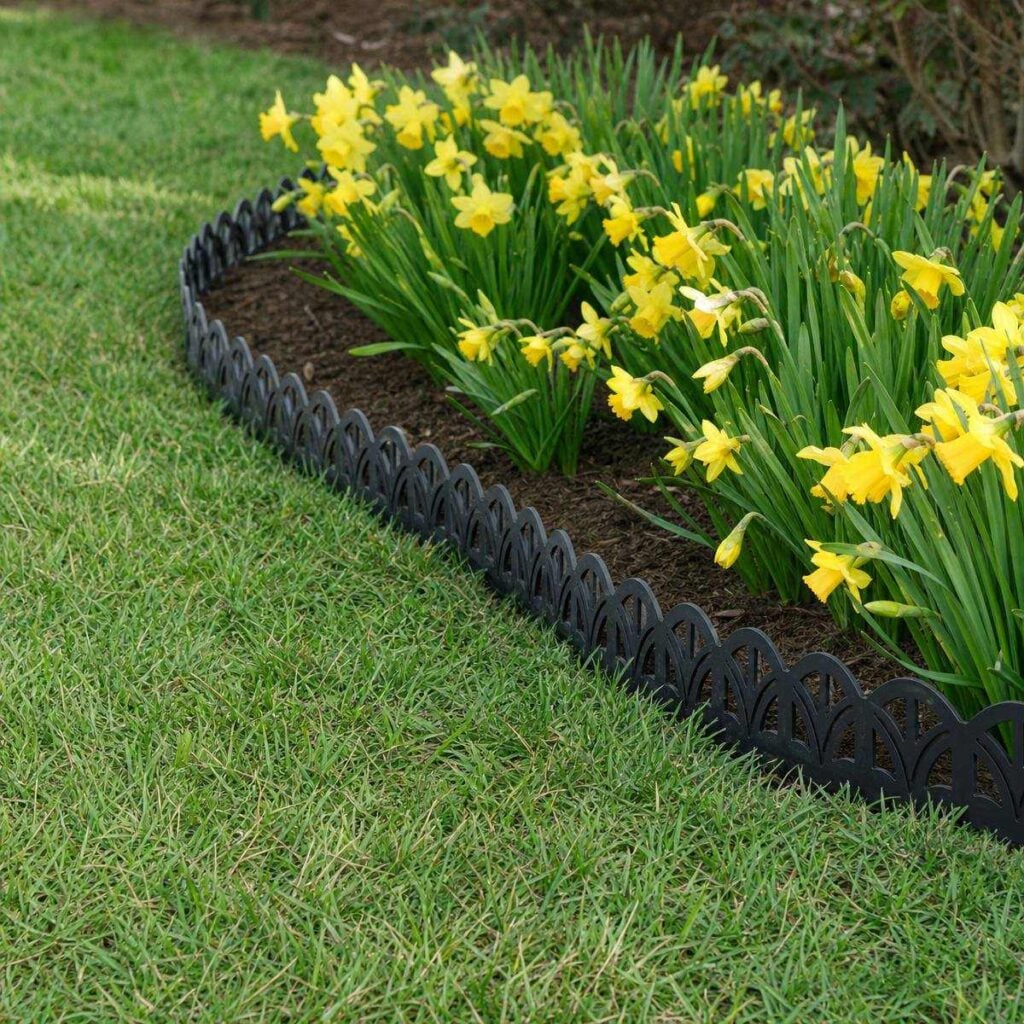
This manufactured garden edging looks beautiful in white. It almost looks like it is made of marble. It has a slight slope where the plants sit on top.
Border Landscape Edging Ideas We Can Only Call Unique!
Glass Bottles Recycled Into A Garden Border
Unique flower bed edging ideas! Glass bottles catch the eye. It’s a good craft if you have multiple, uneven-sized bottles, since any size or shape can fit the wall. Not sure about the safety level, though!
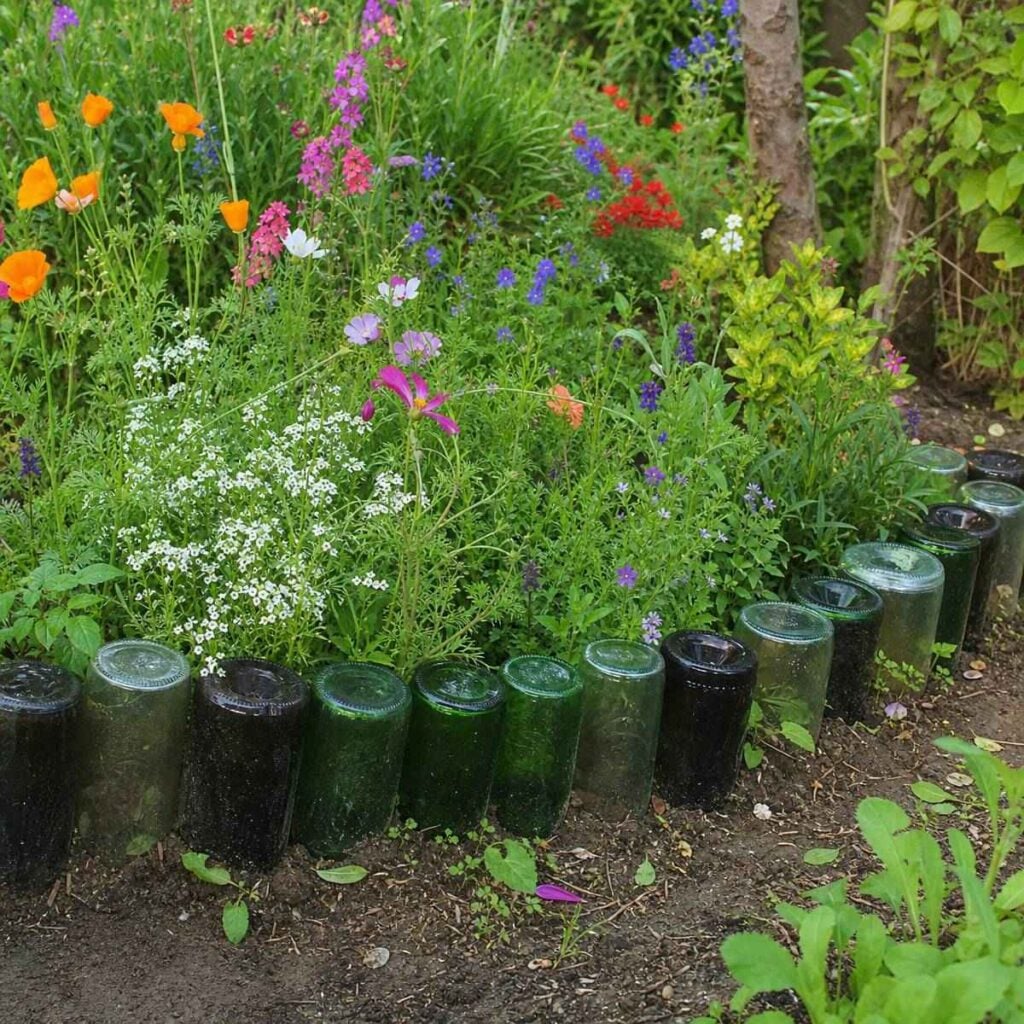
One thing to weigh: Texas A&M AgriLife Extension tells homeowners to remove toys, limbs, rocks, wire or glass from the yard before mowing, so a wall of glass right along the lawn’s edge deserves a second thought.
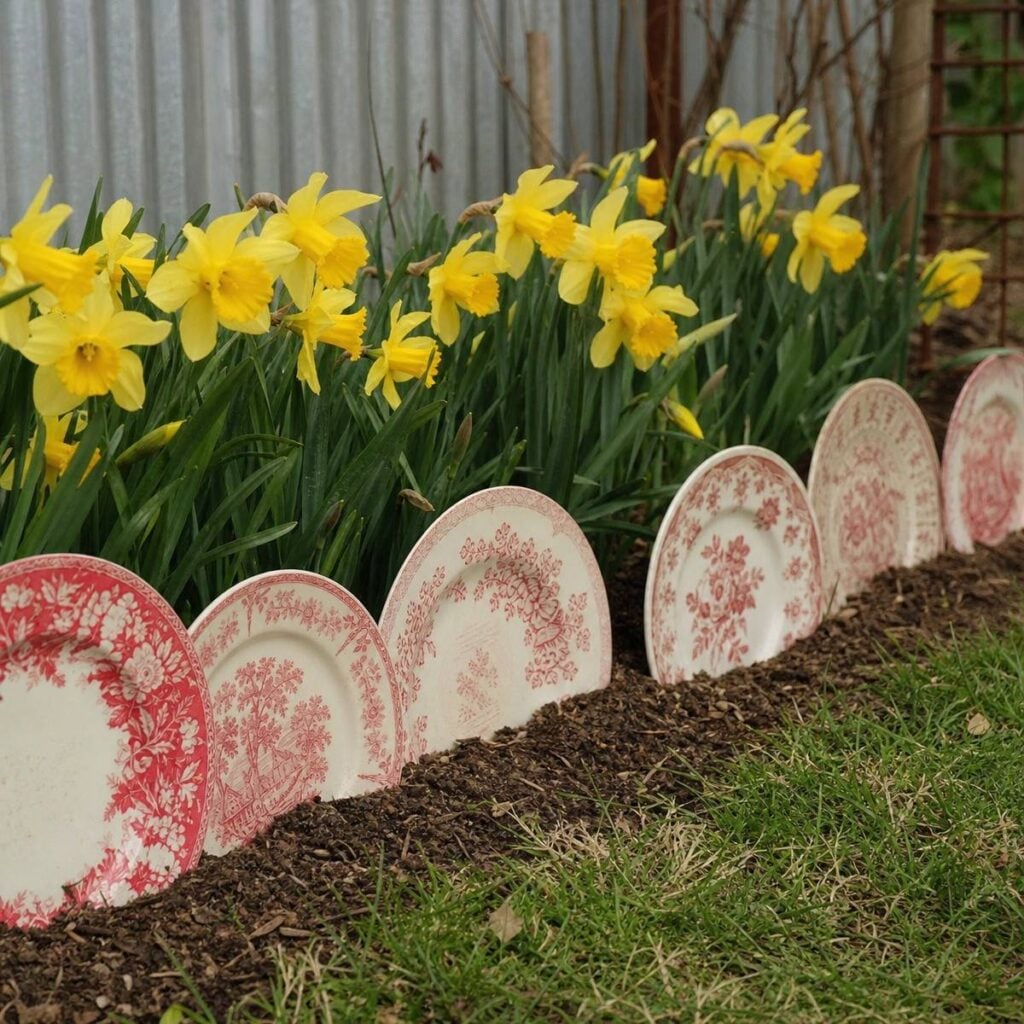
China Plate Garden Edging
These dinner plates make a very uncommon way to set up a garden border. Using plates that would otherwise sit in a china cabinet is an excellent way to make use of items that usually remain “off limits.”
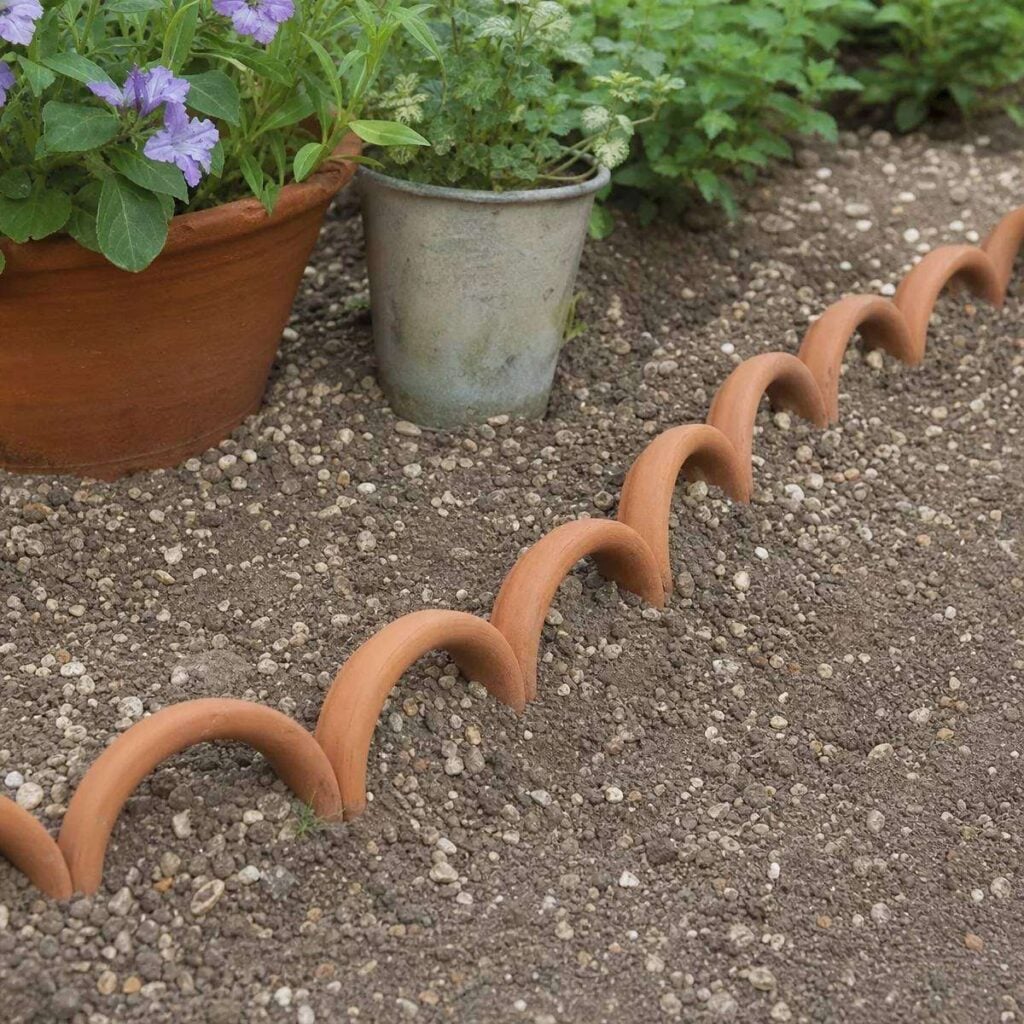
Terra Cotta Pots Fashioned Into A Garden Border
This garden edging is unlike others. The terra cotta pots laid out make for an interesting, whimsical look. The tubular shape also adds a nice effect.
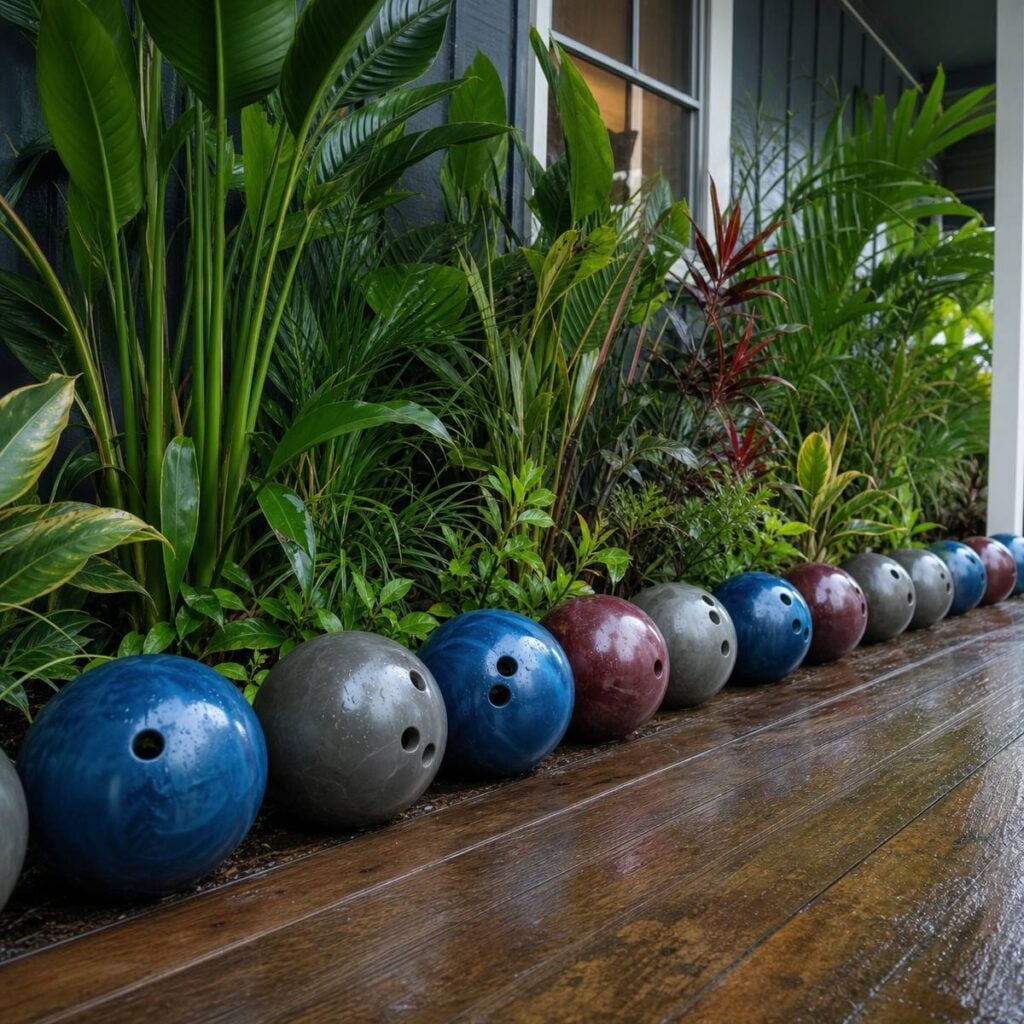
Collected Bowling Balls Used As An Edging
Not much to say about this landscape edging design. Just an excellent example of quirky garden edging with no rules.
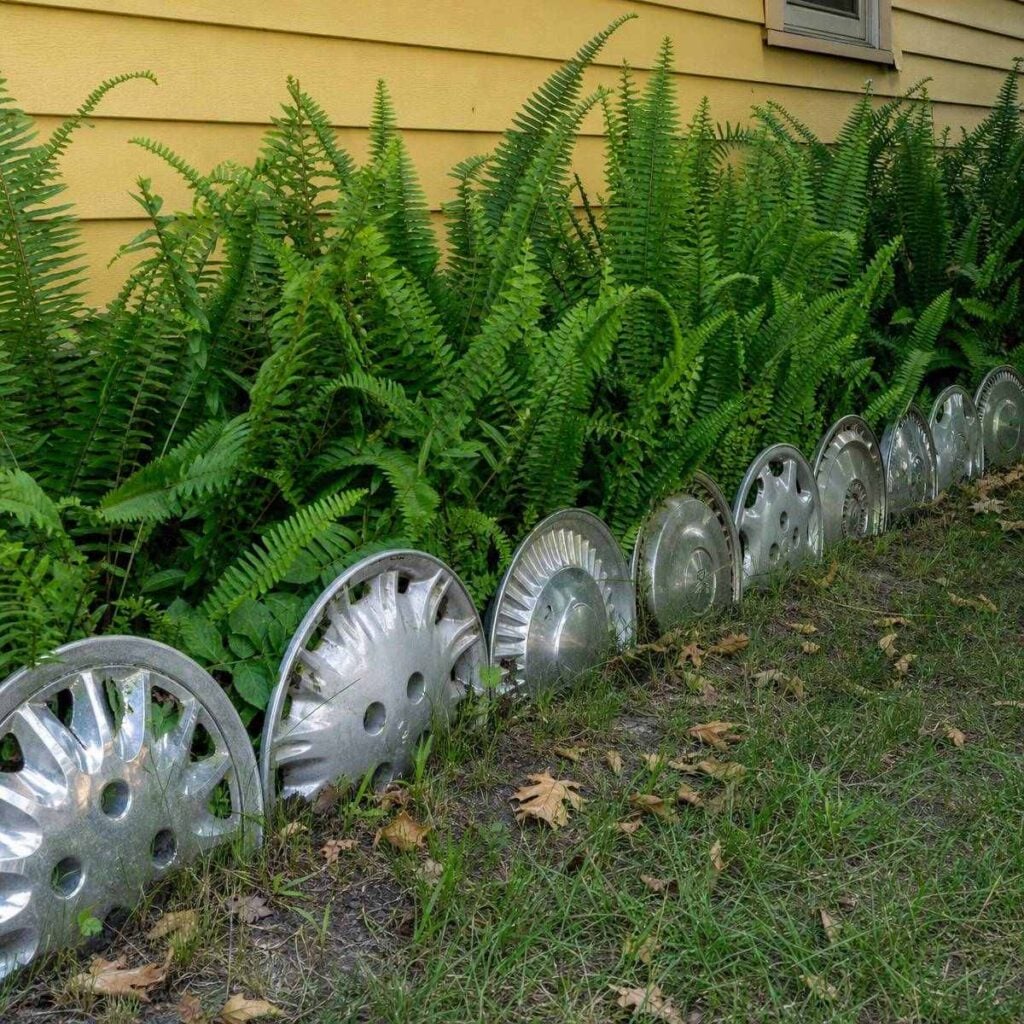
Collected Hubcaps Made Into Edging
This edging made from hubcaps is a great way to reuse and recycle. These hubcap flowers offer another idea. A fun conversation starter and a unique design. Not sure how much work it would take to collect them all!
Recycled Bicycle Wheels Used As Garden Edging
Bicycle wheels give older bikes a second life. This edging would be a tough one to assemble in many areas, since you would have to find enough bike rims.
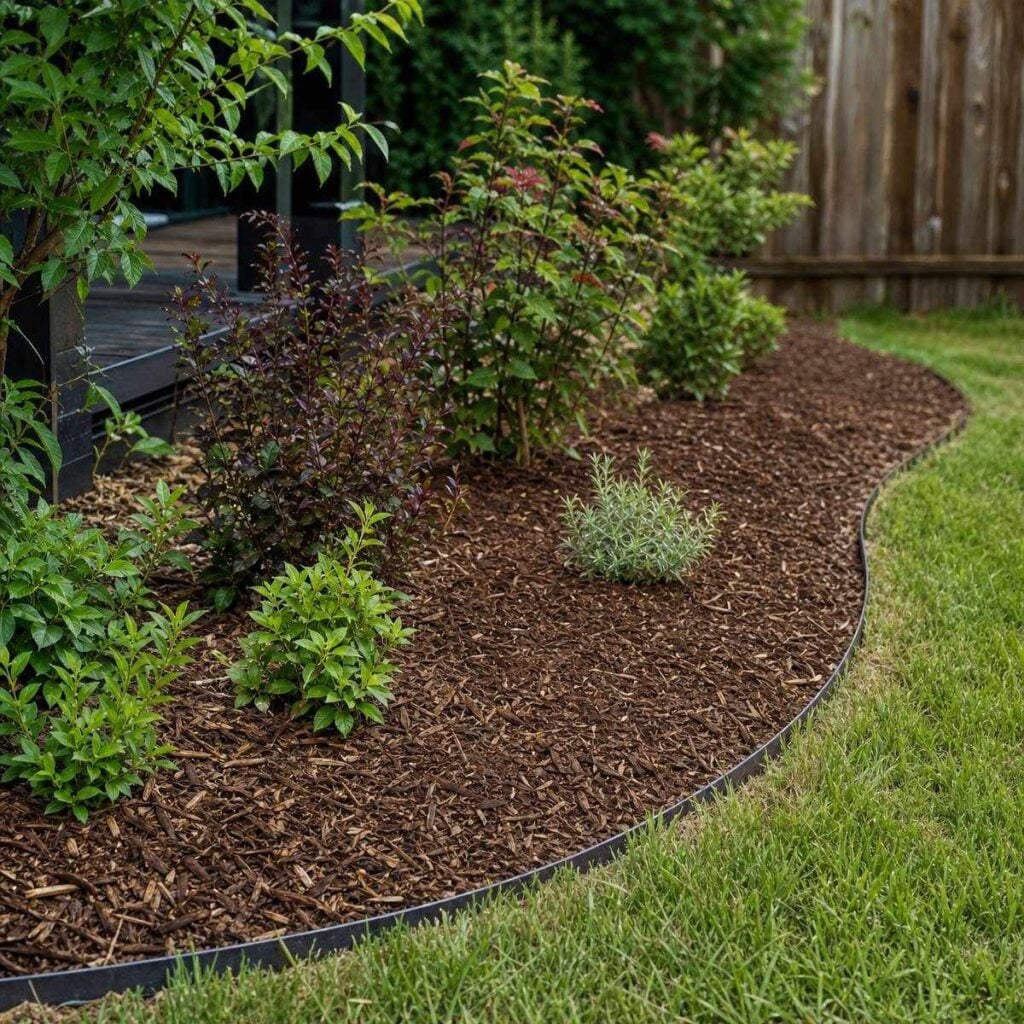
Perennials For The Front, Middle And Back Of A Border
Once the edge is in, the plants finish the job. Here are classic border perennials sorted by mature height.
The heights and hardiness zones come from the Missouri Botanical Garden Plant Finder, and the zone ranges run from zone 3 at the coldest to zone 10 at the warmest, with most topping out at zone 8 or lower, so check your own zone before you buy.
For example, the Missouri Botanical Garden says basket-of-gold can be very short-lived in hot, humid summers, and that in the deep South many gardeners grow it as an annual, planting new plants each fall.
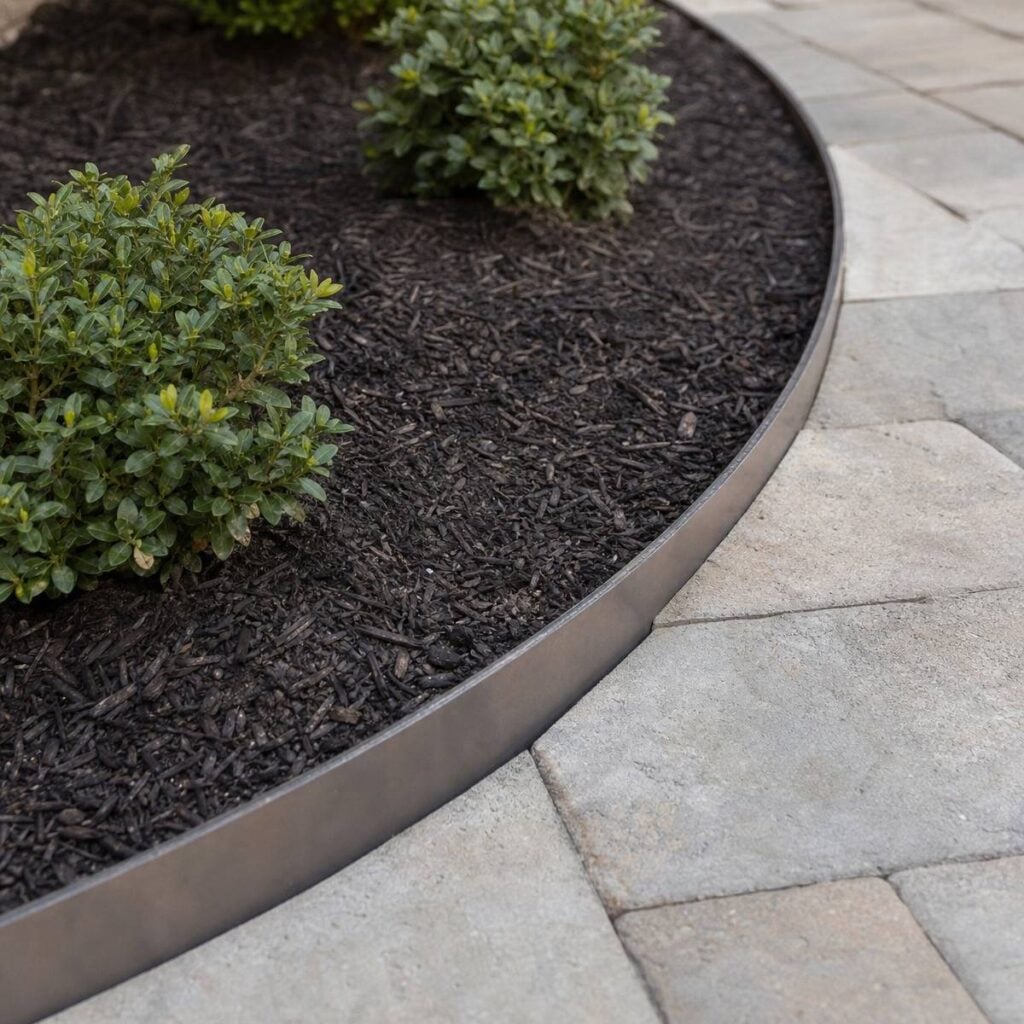
Front Of The Border (About 1 Foot Or Less)
- Basket-of-gold (Aurinia saxatilis, formerly Alyssum saxatile): 6 to 12 inches, zones 4 to 7.
- Plumbago (Ceratostigma plumbaginoides): 9 to 12 inches, zones 5 to 9. It spreads by rhizomes and can be somewhat aggressive in good growing conditions.
- Mountain rockcress (Arabis alpina): 6 to 12 inches, zones 4 to 7.
- Tunic flower (Petrorhagia saxifraga, formerly Tunica saxifraga): 6 to 12 inches, zones 5 to 7. It aggressively self-seeds in the landscape.
- Prostrate speedwell (Veronica prostrata, also sold as Veronica rupestris): 6 to 9 inches, zones 4 to 8.
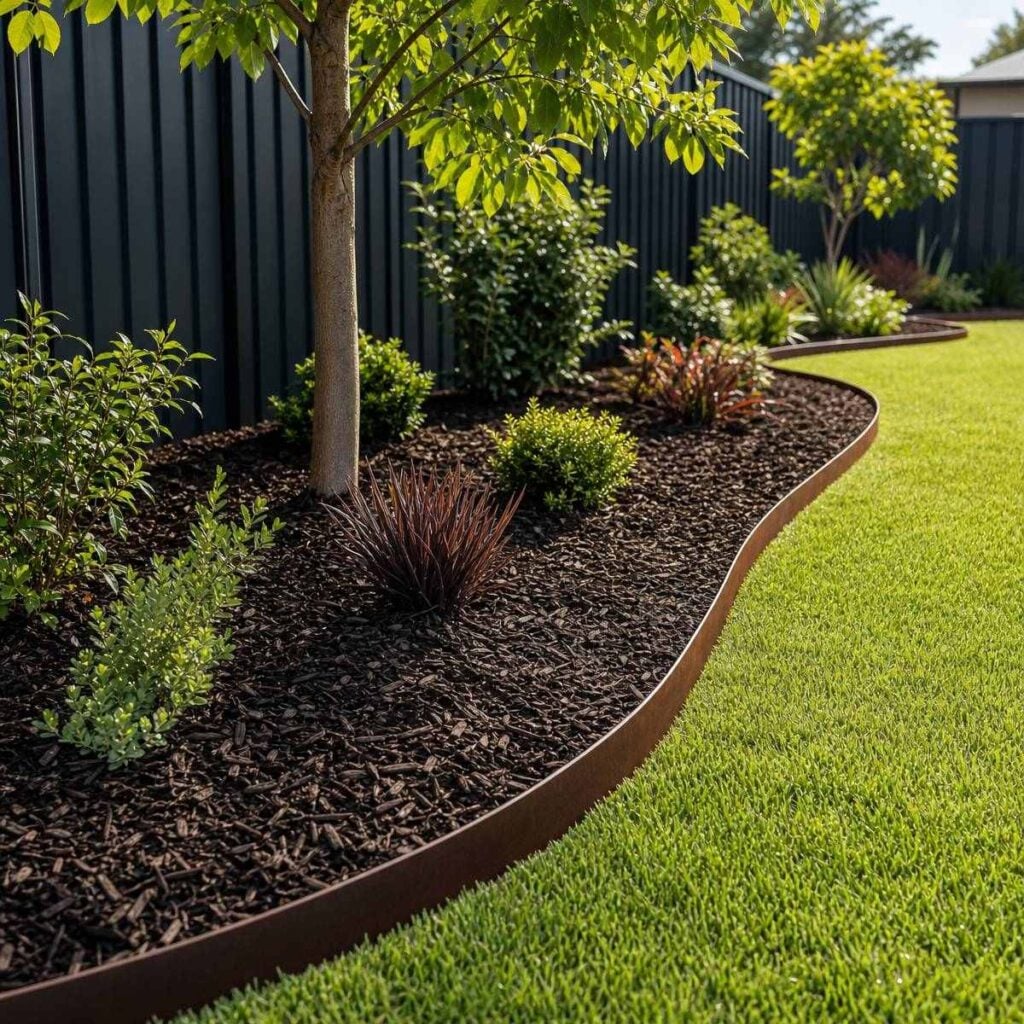
Middle Of The Border (About 1 To 3 Feet)
- Catmint (Nepeta × faassenii, sold as Nepeta mussinii): 1 to 2 feet, zones 3 to 8.
- Columbine (Aquilegia caerulea): 1 to 2 feet, zones 3 to 10.
- Fringed bleeding heart (Dicentra eximia): 1 to 1.5 feet, zones 3 to 9.
- Baby’s breath, the compact cultivar ‘Compacta Plena’ (Gypsophila paniculata): 1 to 1.5 feet, zones 3 to 9.
- Aromatic aster (Symphyotrichum oblongifolium): 1 to 3 feet, zones 3 to 8.
- Peachleaf bellflower (Campanula persicifolia): 1.5 to 3 feet, zones 3 to 7.
- Sneezewort, ‘The Pearl’ group (Achillea ptarmica): 1.5 to 2 feet, zones 3 to 9. It is rhizomatous and tends to sprawl.
- Blue mistflower (Conoclinium coelestinum, formerly Eupatorium coelestinum): 1.5 to 3 feet, zones 5 to 10. It spreads aggressively by rhizomes and self-seeding, and is considered a spreading weed in some areas.
- Spiked speedwell (Veronica spicata): 2 to 3 feet, zones 3 to 8.
- White sage (Artemisia ludoviciana, which includes ‘Silver King’): 2 to 3 feet, zones 4 to 9. It may spread somewhat aggressively by rhizomes and self-seeding.
- Meadow rue (Thalictrum aquilegiifolium): 2 to 3 feet, zones 5 to 8.
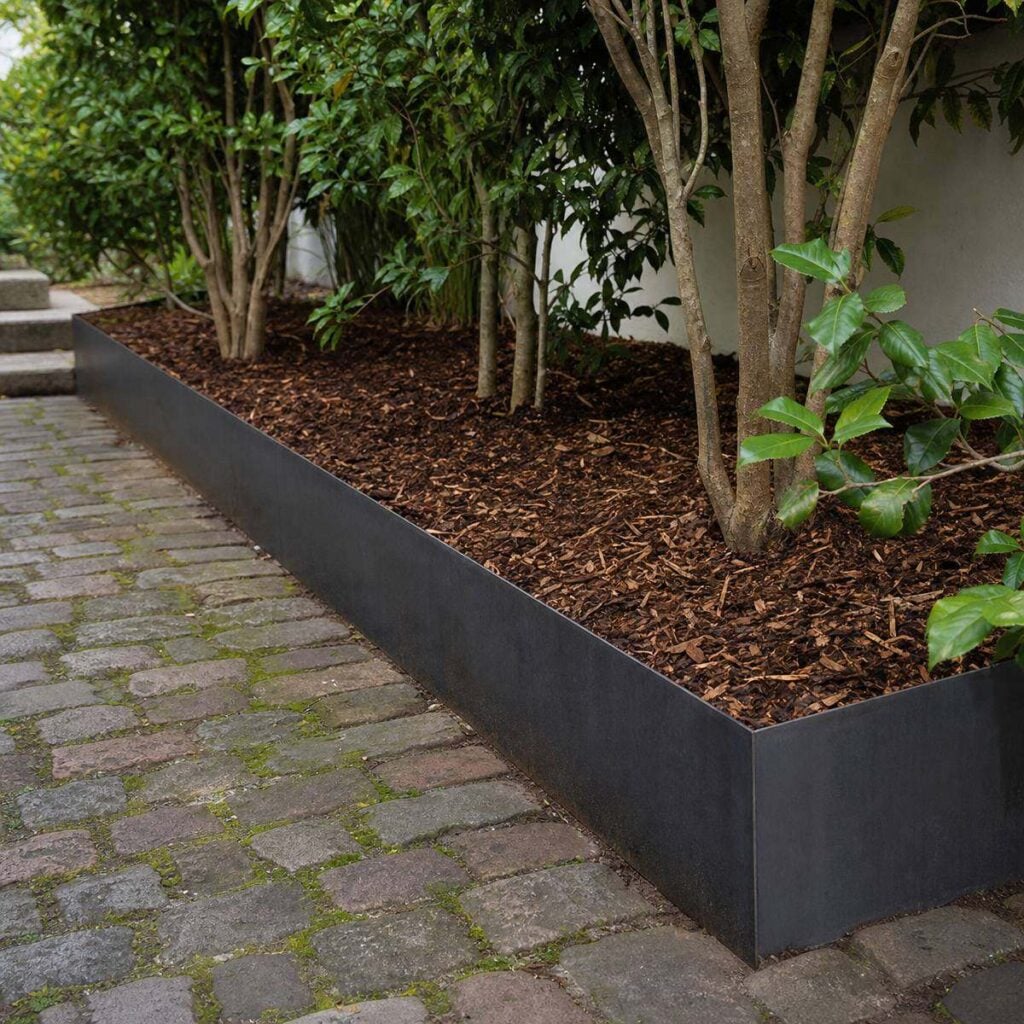
Back Of The Border (Reaching Above About 3 Feet)
- Long-leaf speedwell (Veronica longifolia): 2 to 4 feet, zones 4 to 8.
- Garden phlox (Phlox paniculata): 2 to 4 feet, zones 4 to 8.
- Purple coneflower (Echinacea purpurea): 2 to 5 feet, zones 3 to 8.
- Delphinium (Delphinium elatum): 3 to 5 feet, zones 3 to 7.
- Sneezeweed (Helenium autumnale): 3 to 5 feet, zones 3 to 8.
- New York aster (Symphyotrichum novi-belgii): 3 to 4 feet, zones 4 to 8.
- New England aster (Symphyotrichum novae-angliae): 3 to 6 feet, zones 4 to 8.
- Black cohosh (Actaea racemosa, formerly Cimicifuga racemosa): 4 to 6 feet, zones 3 to 8.
- Plume poppy (Macleaya cordata): 5 to 8 feet, zones 3 to 8. It spreads somewhat aggressively by rhizomes in good growing conditions.
These edging ideas are only the tip of the iceberg. Just use your imagination! Which one would you try first? Tell me in the comments.
Frequently Asked Questions
What is the best material for garden edging?
There isn’t one best material. UF/IFAS lists stone, brick, concrete, plastic and aluminum as durable border materials and says wood is natural but needs replacing every few years. Illinois Extension calls steel and aluminum the longest lasting, and rates plastic’s durability as poor even though it is the most common homeowner choice. Pick for your budget and the look you want.
Are railroad ties safe to use for garden borders?
Use caution. Clemson Cooperative Extension says railroad ties are treated with creosote, a highly toxic preservative, and advises against ties that ooze or smell of creosote. It says old discarded ties should be used with caution, and that in a vegetable garden the inside surface can be lined with plastic. The University of Missouri Extension adds that creosote may injure or kill plants that touch it, that the effect diminishes after a few years, and that ties still oozing creosote or with an intense smell may cause injury.
Should I put landscape fabric under garden edging?
UF/IFAS isn’t a fan. It says fabric can be difficult to install in an existing landscape, can damage ornamentals that root into it, and makes weeds that grow on top of or through it harder to hand pull. For weed control, it recommends organic mulch such as pine bark or pine straw at a depth of 2 to 3 inches.
How do I keep grass out of a flower bed border?
Put in a physical edge and mow along it. UF/IFAS says edging can keep plants from spreading and reduce mowing time, and that St. Augustinegrass spreads along the ground on aboveground stems called stolons. For cool-season lawns, Illinois Extension says a hand-cut edge 4 inches deep and wide can contain bluegrass, and stone should be at least 3 inches thick and 4 inches wide.
What perennials work at the front of a garden border?
Choose low growers about a foot tall or less. The Missouri Botanical Garden lists basket-of-gold, plumbago, mountain rockcress and prostrate speedwell at 1 foot or less, in zones 4 through 9 depending on the plant. Check your zone first: it says many gardeners in the deep South grow basket-of-gold as an annual.