
Neem oil is one of the most useful natural pesticides you can keep on a shelf — but “natural” doesn’t mean “no rules.” It’s an EPA-registered pesticide with a real mode of action.
A soil drench works differently than spraying it on leaves. Mix up the two, like a lot of neem oil advice online does, and you lose the one big safety advantage a drench actually has.
Soil Drench vs. Foliar Spray — Not the Same Thing
A soil drench is poured at the base of the plant, into the soil, where the roots take it up. A foliar spray is misted directly onto leaves and stems.
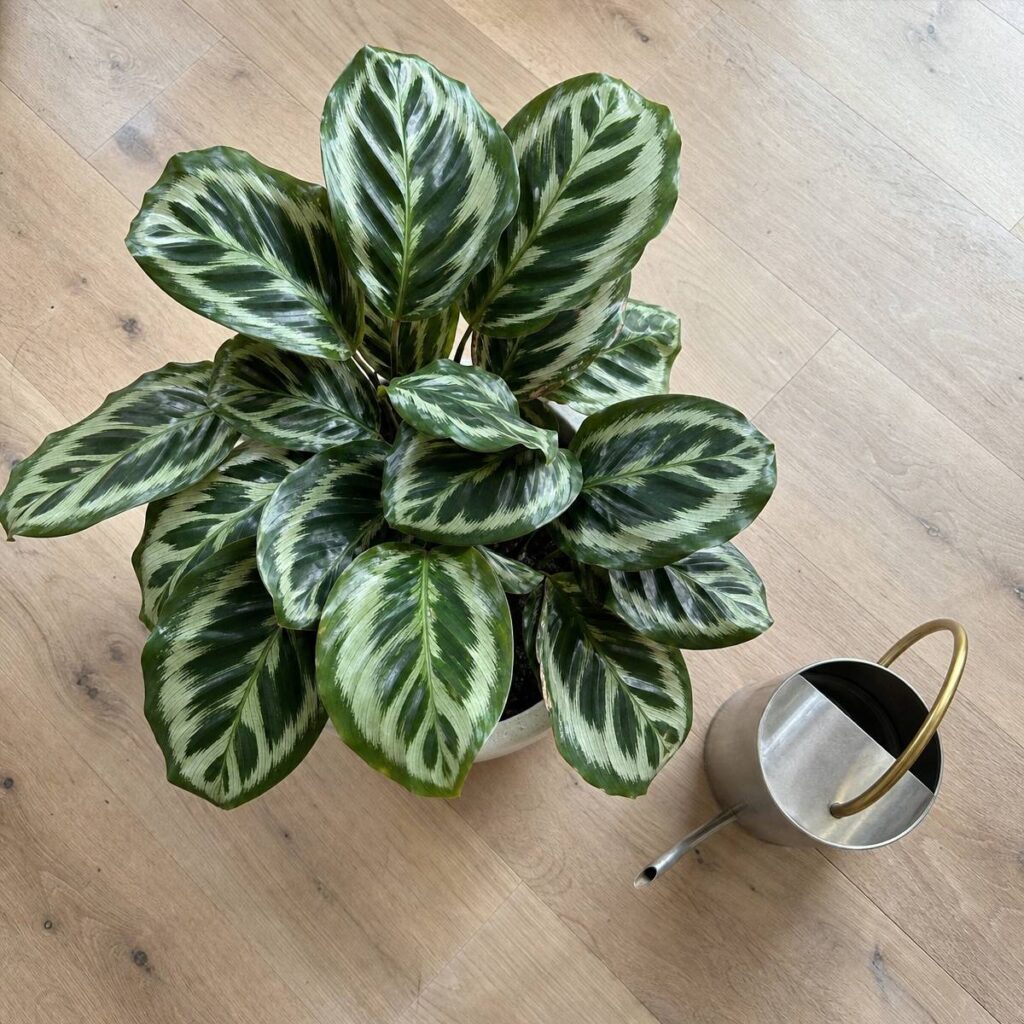
Same neem oil mixture, two different delivery methods — and two different safety pictures, especially for pollinators.
Keep that distinction in mind through the rest of this. It’s the difference between “very low pollinator exposure” and “needs the same precautions as any other oil spray.”
How to Mix a Basic Neem Oil Soil Drench
- 1 tablespoon cold-pressed neem oil
- 1 teaspoon castile soap (as an emulsifier, to help the oil mix into water)
- 1 quart warm water
Combine and pour it around the base of the plant, into the soil, so it reaches the root zone. Only mix what you’ll use right away.
Once neem oil is combined with soap and water, it starts to break down. Full-strength neem oil, unmixed, keeps in the refrigerator for up to about a year.
A quick honest note on the ratio above: it’s a commonly used homemade starting point. It’s also in the same general range as university guidance on horticultural oil strength for in-season use (around 1%).
But neem oil products vary in strength from brand to brand, and I couldn’t confirm this exact ratio against an extension or EPA source. If your bottle has a label rate, use that — it’s the legally accurate number for that specific product.
How Neem Oil Actually Works
The active ingredient is azadirachtin. When a pest feeds on treated plant tissue, azadirachtin acts as a growth inhibitor and appetite suppressant. The insect stops eating, can’t molt properly, and eventually dies.
That’s why it works on soil-dwelling and surface pests like fungus gnat larvae, aphids, mealybugs, spider mites, thrips, whitefly, and plant scale — anything that actually eats the plant.
Protecting Bees and Other Pollinators — the Part Worth Slowing Down For
This is where drench and spray really part ways.
A true soil drench — poured into the soil, not sprayed on the plant — has very little direct exposure route for a foraging bee. Bees don’t eat leaves, and azadirachtin only works on insects that do.
That’s why the National Pesticide Information Center notes that “bees and other pollinators are not likely to be harmed.” That said, an extension entomologist’s direct answer on this exact question adds a fair caveat.
Once azadirachtin is taken up by the plant, it makes all of that plant’s foliage toxic to foliage-feeding insects, not just your target pest. There’s “no guarantee that beneficial insects will not be harmed” in every case (Ask Extension). So: meaningfully lower pollinator risk with a real drench, not a zero-risk guarantee.

If you’re using this same mixture as a foliar spray instead — which this recipe can also be used as — the safety picture changes completely. This is the part most neem oil articles skip.
Neem oil sprayed on leaves works largely by coating and suffocating small, soft-bodied insects on contact. That doesn’t distinguish between a pest and a bee that lands on wet foliage or a treated bloom. Two university extension programs are specific about this:
- “Do not spray open blossoms to protect pollinators” (University of Maryland Extension).
- “Spray in the morning or evening to avoid contact with foraging bees” — and once the spray dries, it has little toxic activity left (UConn Home & Garden Education Center).
So the actual rule: if you’re pouring this as a soil drench, you’re already keeping it away from foraging bees. If you’re spraying it on leaves and stems, never spray plants with open flowers.
Spray in the early morning or evening instead, after pollinators have stopped foraging for the day. Don’t treat “soil drench” and “foliar spray” as the same safety category. They aren’t.
Avoiding Leaf Burn
Oil-based sprays, including neem oil, are more likely to scorch foliage in heat and direct sun. Guidance varies a bit by source: University of Maryland Extension says skip it above 85°F, UConn says above 90°F, and Colorado State University Extension says above 100°F.

The safer move is to apply on the cooler end of that range — early morning or evening, not the heat of the day. Skip it on a plant that’s already drought-stressed too, since extension sources agree those are more prone to burn either way.
Does It Help With Fungal Disease Too?
Some, yes. Neem oil’s coating can interfere with fungal spores landing and germinating on plant surfaces — a documented general effect (UConn Home & Garden Education Center).
I couldn’t independently verify a specific list of diseases (powdery mildew, rust, black spot, and so on) against a source I could actually read. So I’m not repeating that list as confirmed fact — just the general, source-backed point that neem oil has some preventive fungal benefit alongside its insecticidal one.
Precautions
- Carnivorous plants can’t tolerate soap. Skip the castile soap, use slightly warm water and slightly warmed oil instead, and shake vigorously before applying.
- Always patch test. Treat one plant, or one small section, and wait 24 hours before treating everything else — especially the first time you use a new bottle of oil.
- Growing cannabis? Neem oil can affect flavor. Neem seed meal, worked into the soil, is a common alternative for soil-dwelling pests without that issue.
More on neem oil and pollinators specifically in our Does Neem Oil Hurt Bees? guide, on what neem oil is and how it works, and for specific pests: fungus gnats, mealybugs, aphids, and root rot.
Frequently Asked Questions
What is a neem oil soil drench?
A neem oil soil drench is the mixture poured at the base of the plant, into the soil, where the roots take it up. A foliar spray is misted onto leaves and stems instead. It is the same mixture with two different delivery methods, and the safety picture for pollinators is different for each, so it helps to keep the two straight.
Can you put neem oil on soil?
Yes, that is what a soil drench is: you pour the mixture around the base of the plant so it reaches the root zone. An extension answer explains that azadirachtin used this way is taken up by the plant, making its foliage toxic to any foliage-feeding insect, not just your target pest.
Is a neem oil soil drench safe for bees?
A true soil drench has very little direct exposure route for a foraging bee, because bees don’t eat leaves and azadirachtin only works on insects that do. The National Pesticide Information Center says bees and other pollinators are not likely to be harmed. Still, an extension answer says there is no guarantee beneficial insects will not be harmed, so think lower risk, not zero risk.
How do I keep bees safe if I spray neem oil on leaves instead?
Never spray open blossoms, says University of Maryland Extension. The UConn Home & Garden Education Center advises spraying in the morning or evening to avoid contact with foraging bees, and says the dried spray has little toxic activity left. Sprayed oil works by coating small insects on contact. More in our Does Neem Oil Hurt Bees? guide.
How much neem oil should I use in a soil drench?
Use the rate on your product’s label if it has one, because neem oil products vary in strength from brand to brand and the label is the legally accurate number. The homemade recipe in this article, oil plus castile soap as an emulsifier in warm water, is a commonly used starting point. The exact ratio isn’t confirmed by an extension or EPA source, and one extension answer declines to endorse any specific homemade recipe.