
How many pounds of tomatoes can one plant really give you? University of Maryland Extension says a home-garden plant can yield 10 to 15 pounds or more. You will see claims of 50 to 80 pounds per plant. Treat that as a stretch goal, not a promise.
The good news is that most of what raises your odds is in your hands: sun, soil, planting depth, steady water and good support. Even if you have never grown tomatoes, or have had bad luck before, these steps will get you a strong start. Here is a video with some smart tips. A 12-step checklist near the end pulls it all together.
Start With Sturdy Plants
You can start tomatoes from seed indoors or buy transplants. For seed, University of Minnesota Extension says to sow five to six weeks before planting outside, and Clemson Cooperative Extension says six to eight weeks before your last frost date. Give seedlings plenty of light, because Clemson warns that low light leads to tall, spindly plants.
If you buy transplants, look for stocky plants about 6 to 10 inches tall, as Clemson and University of Maryland Extension both advise.
Heirlooms, Hybrids and Bee-Friendly Buying
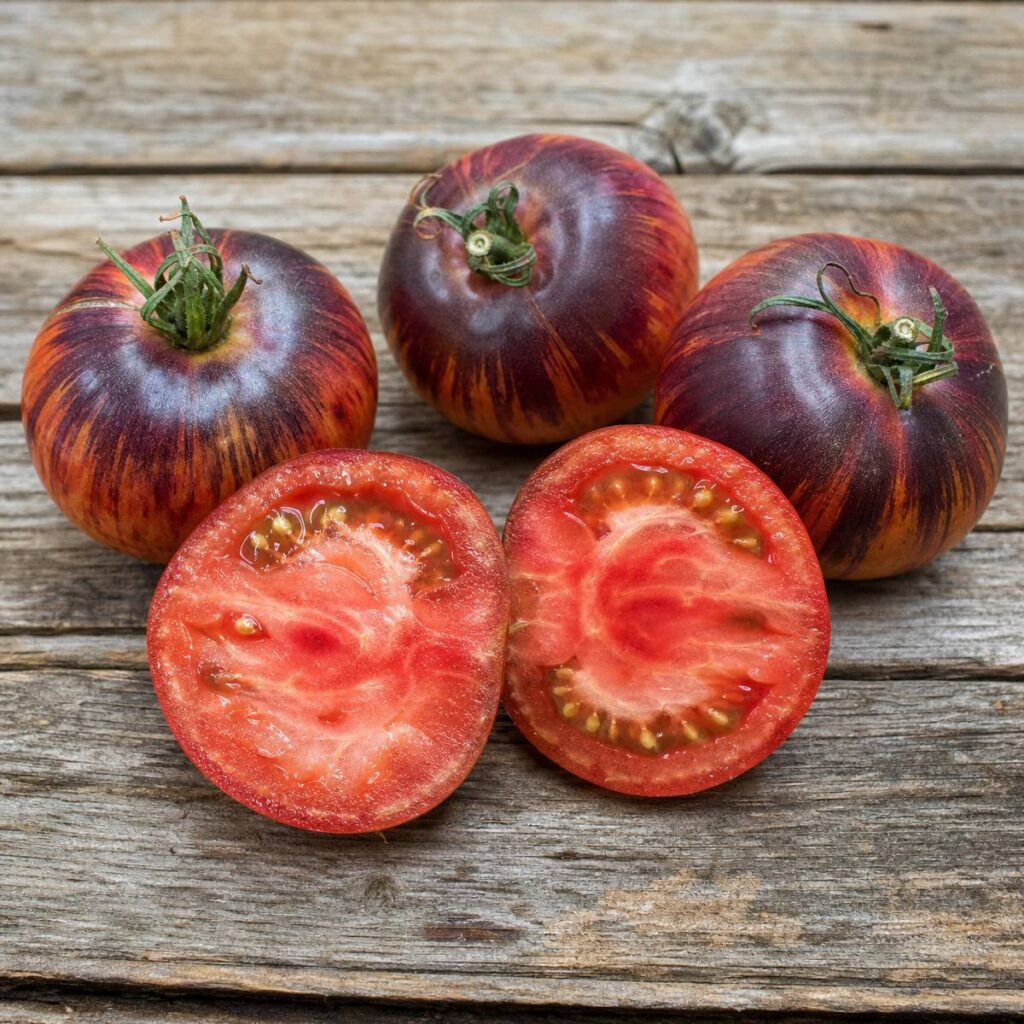
Heirloom seeds are fun to grow, and an heirloom seed assortment like this lets you try several. One catch from Clemson: most heirloom varieties have little to no disease resistance. If disease has been a problem in your garden, a resistant hybrid may serve you better.
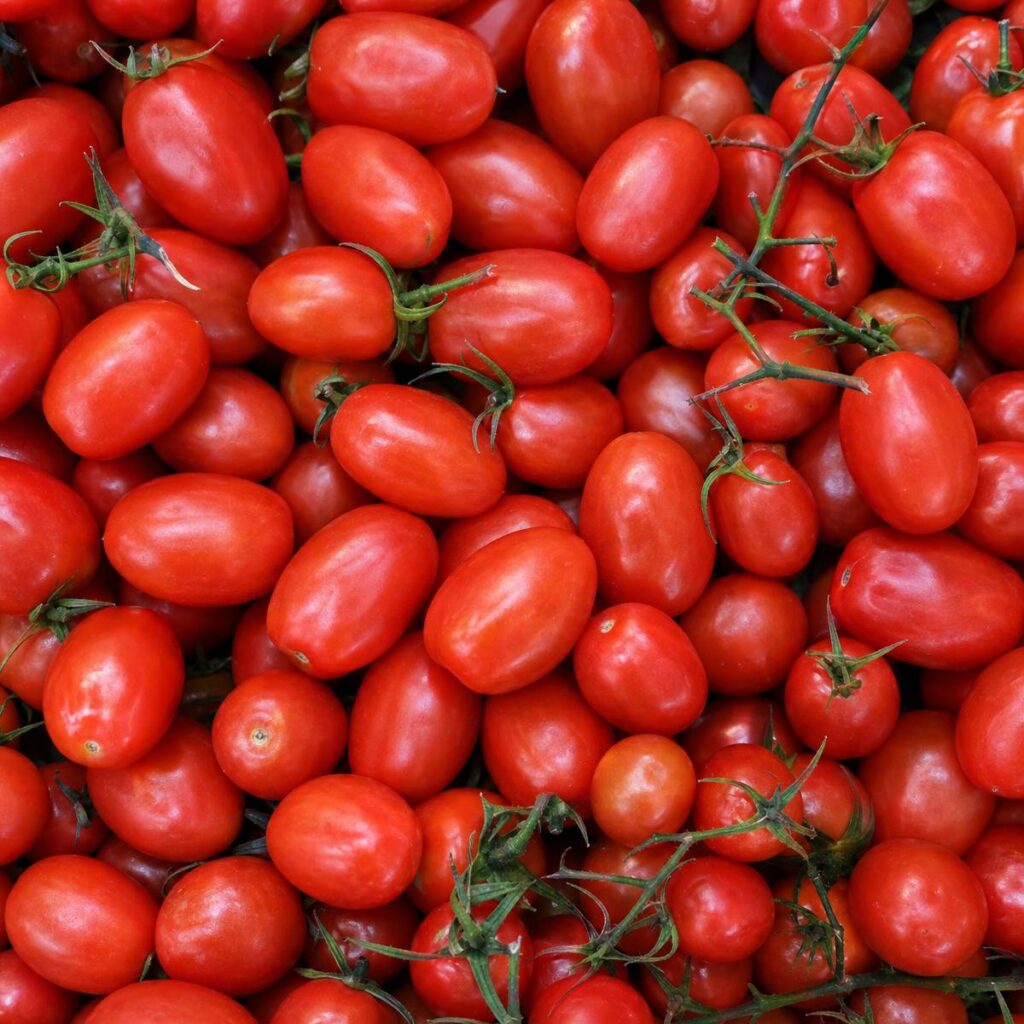
Hybrid does not mean genetically modified. NC State Extension says, in a page updated in January 2023, that whether you choose organic, heirloom, or hybrid seeds, you won’t get genetically modified seed because those seeds aren’t sold to the home garden market.
Many gardeners also worry about bee-harming pesticides on plants sold at garden centers. University of Maryland Extension calls neonicotinoids, a class of insecticides, a primary threat to pollinators and other beneficial insects.
Its advice is to ask your local garden centers and nurseries which pesticides they use to produce the plants they sell.
Choose the Right Tomato Varieties
First decide between determinate and indeterminate plants:
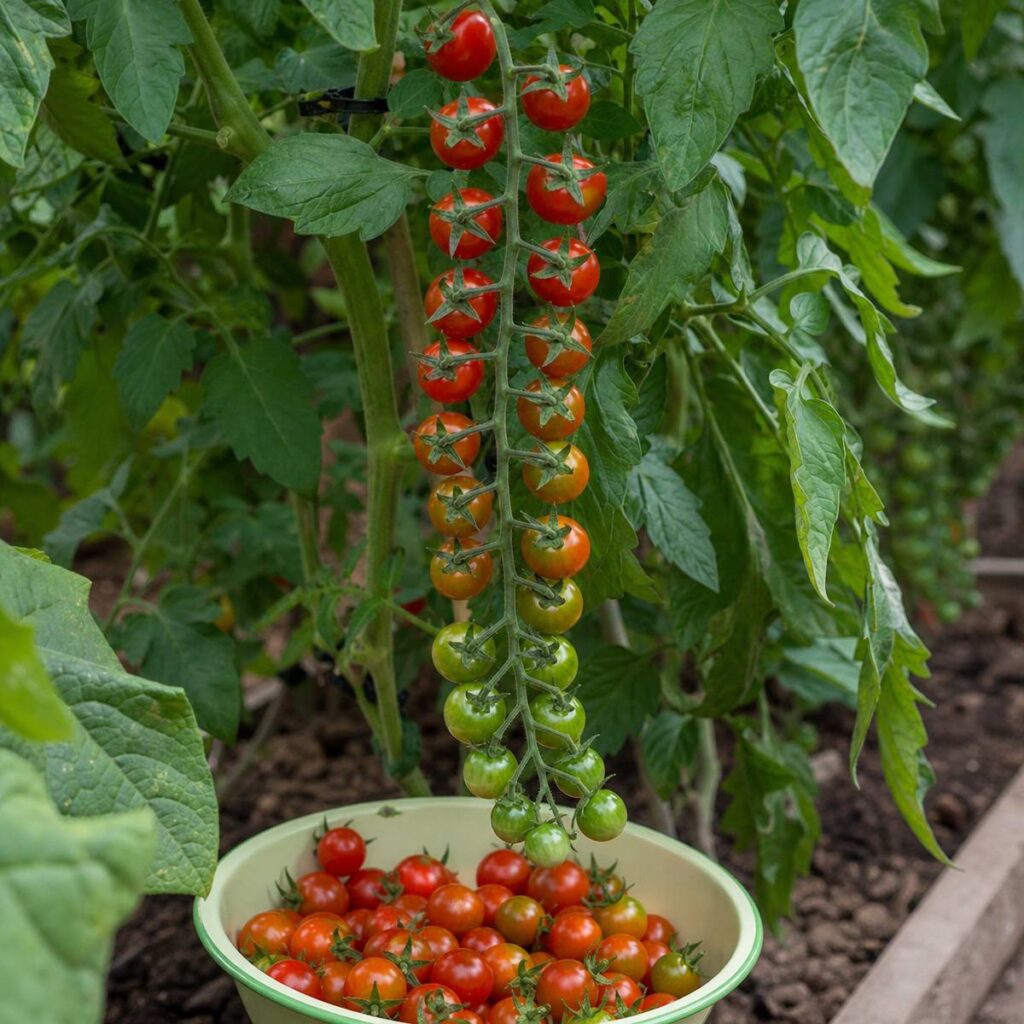
- Determinate (bush-type): typically 24 to 30 inches tall. The plants stop growing and ripen a set number of fruits within about four to six weeks, according to University of Minnesota Extension.
- Indeterminate (vining): three to five feet long, sometimes more. They keep flowering and ripening fruit until the weather turns cold, and they need cages, stakes or a trellis (University of Minnesota Extension).
Because determinates ripen faster, Illinois Extension says successive plantings can keep the harvest coming all season.
Check the plant label for disease-resistance letters. Illinois Extension lists V for Verticillium wilt, F for Fusarium wilt and N for nematodes.
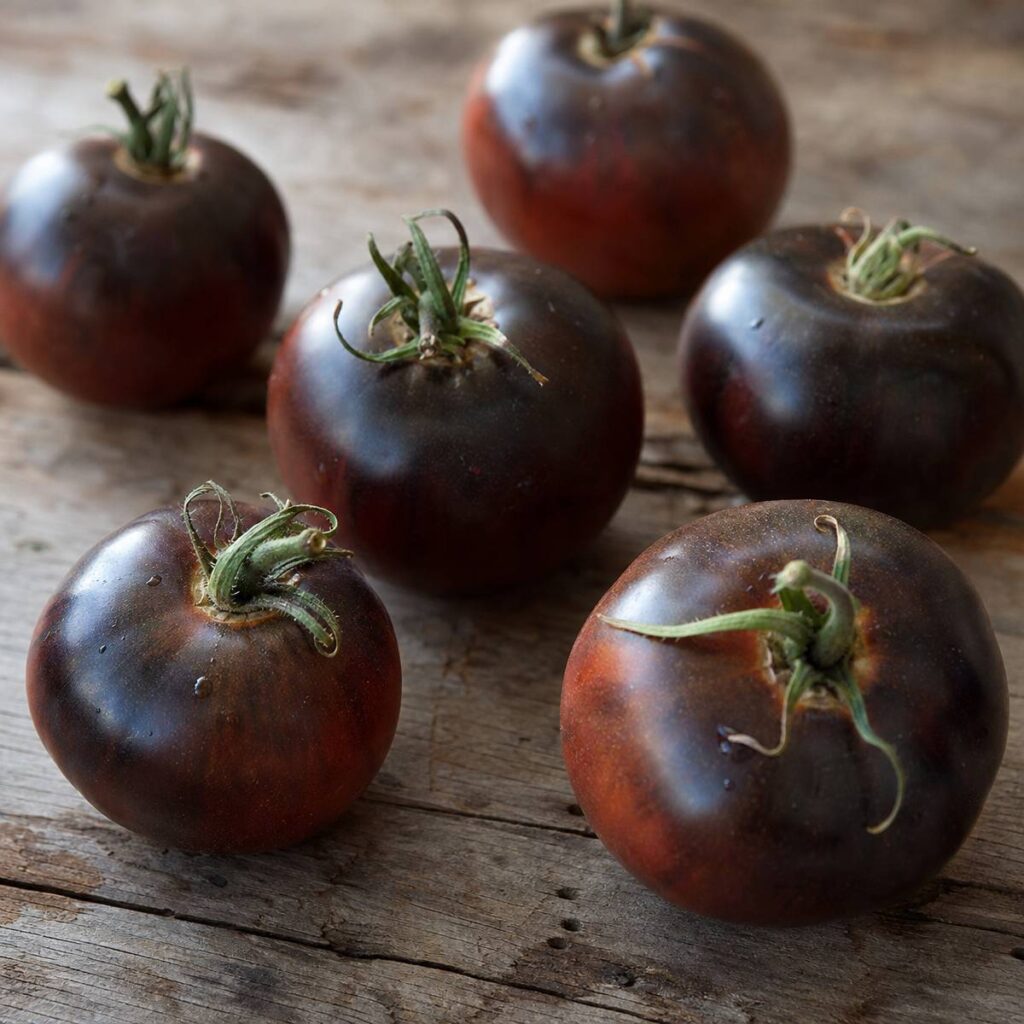
UF/IFAS advises choosing varieties resistant to known tomato diseases, and for Florida it recommends ‘Better Boy’, ‘Celebrity’ and ‘Amelia’, plus the heirlooms ‘Cherokee Purple’, ‘Green Zebra’ and ‘Mortgage Lifter’. Your local extension office or gardening club can tell you what thrives where you live.
Which Type Fits How You Cook?
- Cherry and grape: Clemson describes these as small, very sweet tomatoes often used fresh in salads. University of Maryland Extension says compact patio and dwarf types are best in containers and hanging baskets.
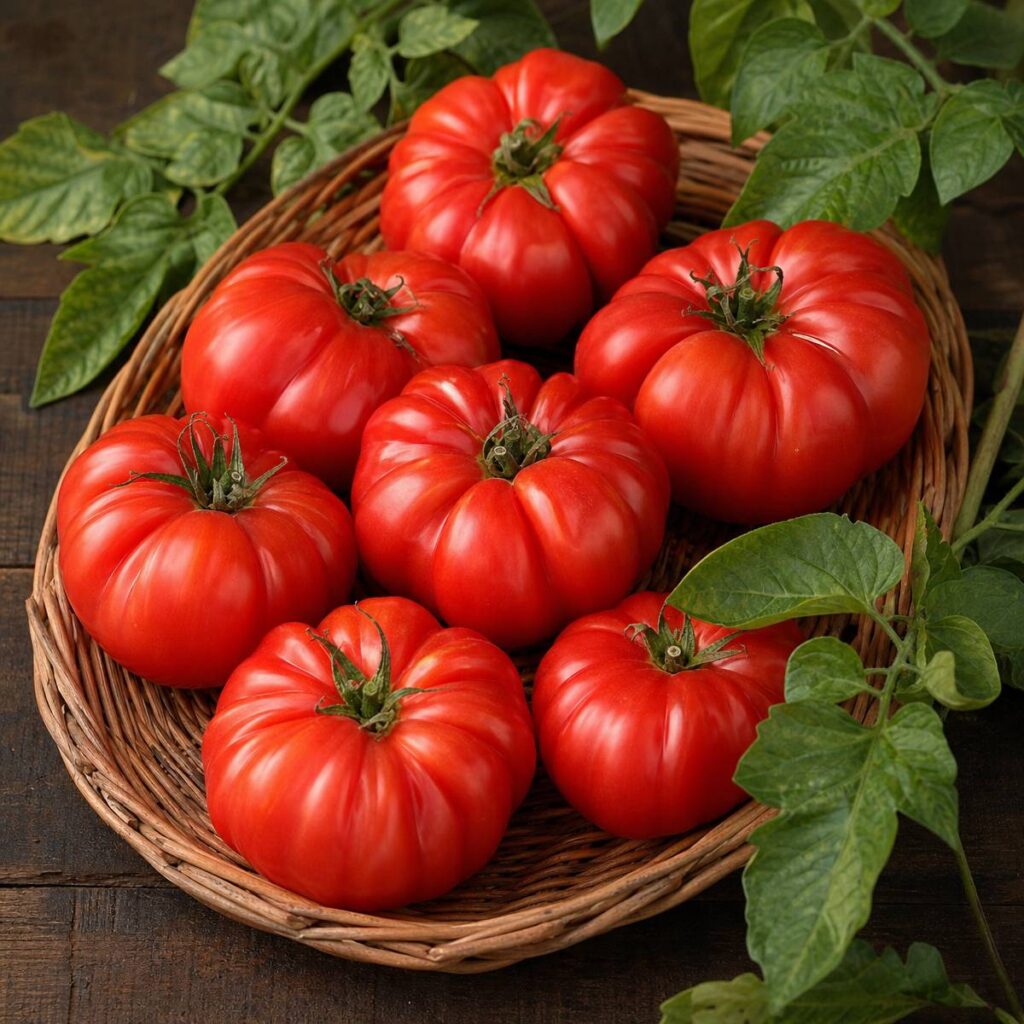
- Beefsteak: large fruit for slicing. University of Maryland Extension says individual fruits often weigh more than a pound, but larger fruit is prone to splitting and cracking. Clemson lists ‘Amelia’, ‘Better Boy’ and ‘Big Beef’ as indeterminate, so give them sturdy support. Beefsteak seeds like these are one place to start.
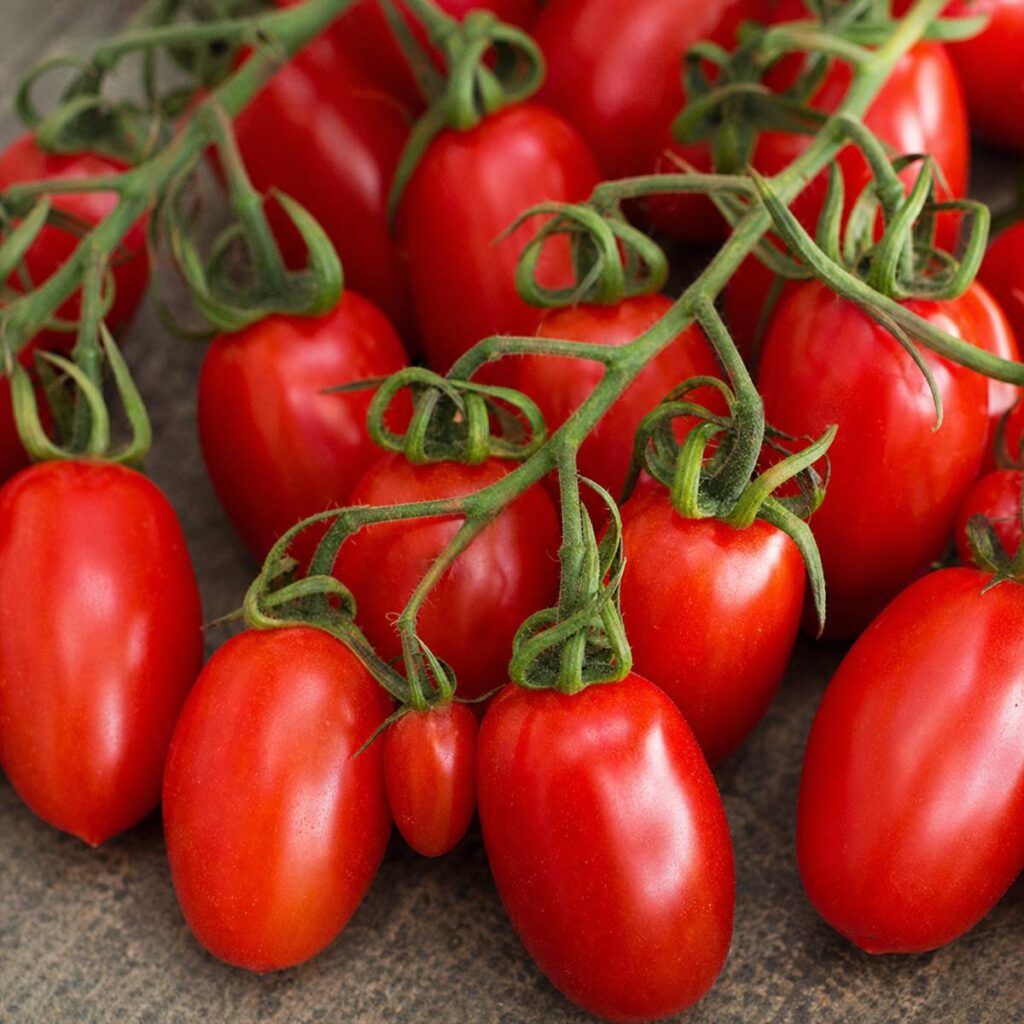
- Roma or plum: Clemson says these meaty, oblong tomatoes with few seeds are favorites for cooking and canning, and it lists ‘Roma’ as determinate.
- San Marzano: Clemson lists it as indeterminate, about 80 days to harvest. Here are details on growing San Marzano tomatoes.
Pick and Prepare Your Garden Spot
Tomatoes want full sun: at least 6 hours of direct light a day, and they prefer 8 to 10 hours, according to the University of Maryland Extension.
Choose a well-drained spot, because University of Missouri Extension says poor soil aeration leads to root loss and physiological problems such as blossom end rot.
Start with a soil test through your local extension office. Target pH ranges differ by state (Clemson says 6.0 to 6.5, and Missouri says 6.5 to 7.0), so let your own results guide you. Work in compost or other organic matter before planting.
For fertilizer, Missouri recommends one low in nitrogen, high in phosphorus and medium to high in potassium (8-32-16 and 6-24-24 are examples) and says to avoid ammonia fertilizers such as urea or ammonium nitrate.
University of Minnesota Extension notes that many Minnesota soils already have enough phosphorus, so follow your soil test.
Some gardeners add a mycorrhizal inoculant, like this granular product. Mycorrhizal fungi are real and useful, but UConn Extension cites a meta-analysis finding that roughly 80% of commercial inoculant treatments produced minimal or no root colonization. It also says many established garden beds already hold these fungi.
Give Soil Diseases Less to Work With
Clemson calls Fusarium wilt a common disease that can destroy an entire tomato crop, and says many varieties are resistant. Three more habits help:
- Rotate your crops. Clemson says to choose a site where tomatoes, peppers, eggplant or potatoes have not grown for at least three years, which helps avoid soil-borne diseases and nematodes. University of Minnesota Extension says three or four years and adds tomatillos to the list.
- Space plants. Missouri says ideal spacing is generally 24 to 36 inches, and planting closer than 24 inches reduces air circulation and can trigger disease outbreaks.
- Keep leaves dry and airy. Missouri says staked plants are less likely to get diseases because their foliage dries more quickly after rain or dew. The do’s and don’ts of growing tomatoes cover more.
Blossom End Rot Is Not a Pest or a Fungus
UConn Extension calls blossom end rot a physiological disorder, caused by insufficient calcium as a result of nutrient and water management challenges. University of Minnesota Extension says it can develop when soil moisture levels fluctuate during fruit growth. Consistent watering is the habit that helps most.
Plant Your Seedlings
Wait until all danger of frost has passed and the soil has warmed, says University of Minnesota Extension. It also suggests transplanting in late afternoon or on a cool, cloudy, calm day. A few planting mistakes to avoid are worth a read before you start.
Tomatoes root along their stems, so bury the stem. Minnesota suggests digging a trench three to four inches deep, removing the lowest leaves, laying the plant down and burying the stem up to just below the lowest remaining leaves.
University of Maryland Extension says roots will form along the buried portion of the stem. Missouri suggests planting a leggy plant at about a 30-degree angle in a trench, leaving only the top 5 or 6 inches exposed. Firm the soil around the roots and water well.
Deter Cutworms
Cutworms can cut off newly transplanted plants at the soil line, says UC IPM (the University of California’s Statewide Integrated Pest Management Program).
They are mainly active at night and hide in the soil by day. Missouri’s guide recommends guarding the plant base with a wax paper collar about 3 inches high, 2 inches above the ground and 1 inch below.
Support and Stake Your Plants
Install stakes, cages or a trellis at planting time, says Minnesota. Clemson suggests 6-foot wooden stakes, 1 1/2 to 2 inches wide, driven 4 to 6 inches from the plant into the soil soon after transplanting.
It suggests cages with gaps of at least 6 inches so you can reach in to harvest. Missouri says staking improves marketable yield, fruit set and fruit quality.
If you would rather build your own tomato cage, that works too. Bush-type determinates need less support, and Minnesota says they do not need staking or trellising.
These videos show two popular setups: pruning and trellising tomatoes and stringing a high-yield tomato crop.
Greenhouses and High Tunnels
If you have the space and budget, a greenhouse or high tunnel can extend your growing season. It also asks for close attention to pruning, feeding and watering. It is a bigger project, so start with the basics above.
Mulch Your Garden
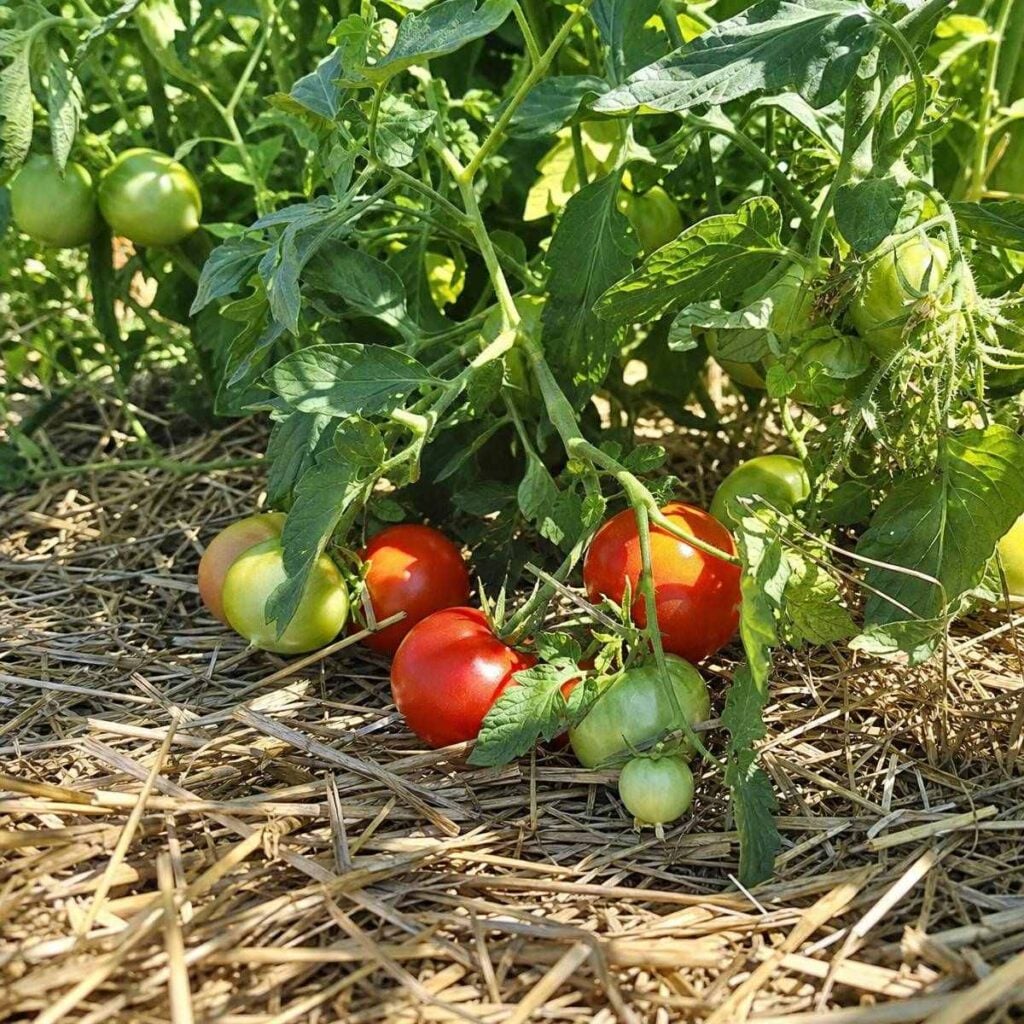
A layer of mulch helps retain moisture around plants and suppress weeds, according to UF/IFAS. University of Minnesota Extension suggests 3 to 4 inches of organic mulch, and Missouri says 2 to 4 inches. UConn Extension lists wood chips and straw as good choices and says to mulch after the soil has warmed up.
Water and Feed Consistently
Watering
UF/IFAS says tomatoes need about 1 to 2 inches of water per week and prefers one heavy soaking a week over several light sprinklings. Minnesota adds that light watering can cause shallow roots.
Avoid overhead sprinkling, because wet leaves are more prone to disease and splashed soil can carry disease spores. Water tomato plants deeply at the base, and soaker hoses make slow watering easy.
Feeding
Tomatoes have high nutrient needs, says University of Maryland Extension. Fertilizer applied at planting will not supply enough for the whole season, so Missouri recommends side-dressing later.
The first side-dressing comes when the first fruits are about one-third grown: 0.5 pounds of actual nitrogen per 100 feet of row, with more two weeks after the first ripe fruit and a month after that. Clemson suggests side-dressing three to four weeks after planting. Timing advice varies by state, so ask your local extension office.
Missouri also warns that too much nitrogen early on leads to lush vegetative growth and poor fruit set, and advises against getting fertilizer on the foliage. For more options, see our guide to natural tomato fertilizers. Related: Urban Farm Fertilizers Texas Tomato Food.
One more note: University of Maryland Extension says not to add Epsom salt to the soil unless a soil test shows a magnesium deficiency. Here is what Epsom salt actually does for tomatoes.
Trimming and Suckering Tomato Plants
Suckers are shoots that grow where a leaf branch meets the main stem. University of Maryland Extension says they will eventually produce flowers and fruit, but moderate pruning increases fruit size, hastens ripening, and keeps plants more manageable.
It suggests training staked tomatoes to one to three main stems, removing all other suckers weekly and pinching them off with your fingers. Clemson suggests one or two main stems.
Not every tomato needs it. Missouri says determinate and semi-determinate varieties typically don’t need pruning, while indeterminate varieties benefit from removing some suckers. Caged plants need less pruning.
Clemson notes that pruning a plant just once develops heavier foliage that reduces sunscald on fruit, but denser leaves can raise humidity and let foliar diseases and fruit rots spread more easily. Personally, I opt for pinching suckers and pruning tomato plants.
How Do You Keep Tomatoes From Splitting?
Missouri says cracking usually happens when soil moisture fluctuates, and that drying the soil followed by watering encourages it. Fruit exposed directly to sunlight is more susceptible, and some varieties are more crack-resistant than others.
University of Minnesota Extension says growth cracks occur when fruit grow too quickly, most often during heavy rains and warm temperatures. University of Maryland Extension says harvesting as soon as fruit color begins to change prevents many fruit problems, including cracking and splitting.
Grow New Plants From Suckers
Suckers can become free replacement plants. University of Georgia Extension suggests rooting them as mid-season replacements to extend the harvest. Here is its method:
- Choose healthy suckers three to four inches long.
- Place several in a jar and add enough water to cover the ends by 1 to 2 inches.
- Set the jar in a cool, well-lit spot until new roots develop. Rooting hormone isn’t necessary, though it would probably speed up the process.
- Set rooted plants in the garden and shade each one for a few days until it starts to grow.
Late-season plants need good fertility, so take a soil test.
Rotate Crops and Choose Companions
Rotating away from tomatoes, peppers, eggplant and potatoes is covered above. Legumes such as peas, beans and clover fix nitrogen from the air, says the University of Minnesota Extension, and University of Maryland Extension says decomposing legume cover crops return nitrogen to the soil for the next vegetable crop.
One caution from UC IPM: tomatoes that follow legumes can face more cutworm risk, so till plant residue at least two weeks before planting.
Companion planting has fewer proven benefits than online charts suggest. University of Minnesota Extension says lists of plants that repel insects are not always accurate or backed by research.
It does note that a few studies show basil and marigolds can reduce thrips in tomatoes, and that intercropping with basil may even promote tomato growth. See our list of companion plants for tomatoes. A large planter of cherry tomatoes, basil, garlic and chives is also a handy thing to have beside your kitchen door.
Watch for Tomato Pests
UF/IFAS says the best way to keep small problems from becoming major ones is to check your plants regularly for early warning signs of insects and disease. Our tomato disease identification key can help you name what you find.
Tomato Hornworms
Tomato hornworms are bright green, striped caterpillars up to three inches long, with a horn at the rear, and UF/IFAS says they can defoliate a plant in days. Handpicking is a popular method. UF/IFAS also says tilling between crops kills about 90% of the pupae in the top few inches of soil.
Bt (Bacillus thuringiensis) is a bacterium UF/IFAS says is toxic to moth and butterfly larvae when they eat it. The key is to apply it routinely; it works best when larvae first hatch. Because it also affects butterfly caterpillars, apply it carefully and only where needed. Video: tomato hornworm treatment and results using organic Bt.
Protect Your Fruit From Birds
Bird netting is a simple way to protect ripening fruit.
Harvest and Ripen Your Tomatoes
Clemson says flavor is best when fruit is picked fully vine-ripened but still firm. University of Maryland Extension says to harvest as soon as color begins to change, and tomatoes will finish ripening on your kitchen counter.
Before a frost, University of Minnesota Extension says fruit picked when the green is fading and starting to turn white or pink should not disappoint, while truly green fruit will probably never ripen to a good flavor.
To ripen indoors, Illinois Extension suggests a paper bag: place the tomatoes stem end up, punch several holes around the bag and fold the top over. The bag keeps some of the natural ethylene gas in place, which aids ripening, and it can take one to five days, so check daily.
Light is not necessary, according to Minnesota, Maryland and Clemson. Do not refrigerate green tomatoes, because Clemson says that inhibits ripening. Illinois adds that refrigeration makes ripe tomatoes tasteless and mealy, and that flavor and texture begin to deteriorate when the temperature drops below 54 F.
Tomato Quick Reference Checklist
- Start strong. Sow seed indoors five to eight weeks before planting out, or buy stocky transplants 6 to 10 inches tall.
- Pick the right varieties. Match the type to your area and check the label for resistance letters such as V, F and N.
- Give them sun. At least 6 hours of direct light, and 8 to 10 hours if you can.
- Choose a well-drained spot and let a soil test guide your lime and fertilizer.
- Give plants room. Space them 24 to 36 inches apart.
- Bury the stem. Plant in a trench or set plants deeper so roots form along the stem.
- Guard against cutworms with a wax paper collar at planting.
- Support your plants with stakes, cages or a trellis at planting time.
- Mulch 2 to 4 inches deep after the soil warms.
- Water deeply and evenly, about one to two inches a week.
- Side-dress during the season, and avoid too much nitrogen early on.
- Rotate crops and harvest at first color to reduce disease and cracking.
Closing
A big tomato crop comes from getting the basics right: sun, soil, steady water and support. Adjust these steps for your own climate, and check with your local extension office when advice differs by region. What are your top tips for growing tomatoes?
Frequently Asked Questions
How many pounds of tomatoes does one plant produce?
University of Maryland Extension says a home-garden tomato plant can yield 10 to 15 pounds or more of fruit. For timing, University of Minnesota Extension says bush-type determinate plants ripen a set number of fruits within about four to six weeks, while vining indeterminate plants keep flowering and ripening fruit until the weather turns cold.
What helps tomato plants produce more fruit?
Give plants at least 6 hours of direct sun, and 8 to 10 if you can. University of Missouri Extension says staking improves marketable yield, fruit set and fruit quality, and that too much nitrogen early on results in lush vegetative growth and poor fruit set. It also says tomatoes should receive 1 to 2 inches of water a week, with fertilizer side-dressed later in the season.
Should I remove tomato suckers?
It depends on the type. University of Maryland Extension says moderate pruning increases fruit size and hastens ripening. University of Missouri Extension says determinate and semi-determinate varieties typically do not require pruning, while indeterminate ones benefit from removing some suckers. For a full walkthrough, see our guide to pruning tomato plants.
How much and how often should I water tomatoes?
UF/IFAS says about one to two inches of water per week, with one heavy soaking preferred over several light sprinklings. University of Minnesota Extension says to avoid overhead sprinkling, because wet leaves are more disease-prone. It also says fluctuating soil moisture during fruit growth can lead to blossom end rot, so keep moisture consistent.
Can I ripen green tomatoes indoors?
Yes, if the fruit has started to lose its deep green color. Illinois Extension suggests a paper bag with the tomatoes stem end up and several holes punched around it, which keeps some natural ethylene in place. Check daily, because it can take one to five days. Clemson Cooperative Extension says not to refrigerate green tomatoes, because that inhibits ripening.