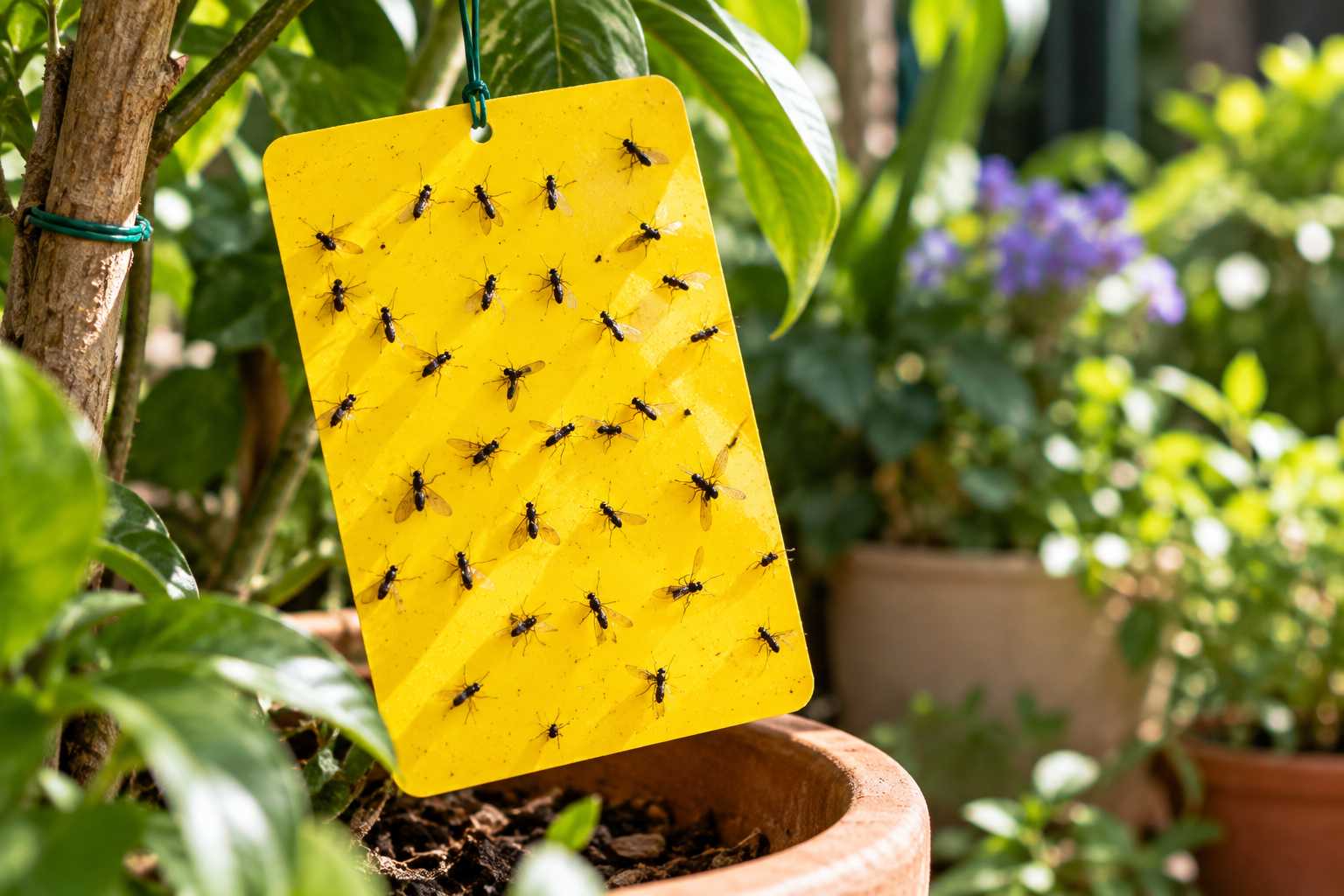
Cinnamon For Fungus Gnats: What It Actually Does (and What Really Works)
By: Gary Antosh
You’ve probably seen the tip: sprinkle cinnamon on your soil and the fungus gnats go away. It’s one of the most repeated houseplant “hacks” out there. It’s worth being straight with you about what it can and can’t do. The plants — and the gnats — don’t care how many times a tip gets repeated online.
Does Cinnamon Kill Fungus Gnats?
No. Not the larvae, and not the adults. Cinnamon isn’t an insecticide. The University of California’s Statewide IPM Program addressed this exact remedy directly: “Potato chunks and cinnamon won’t help” with a fungus gnat problem.
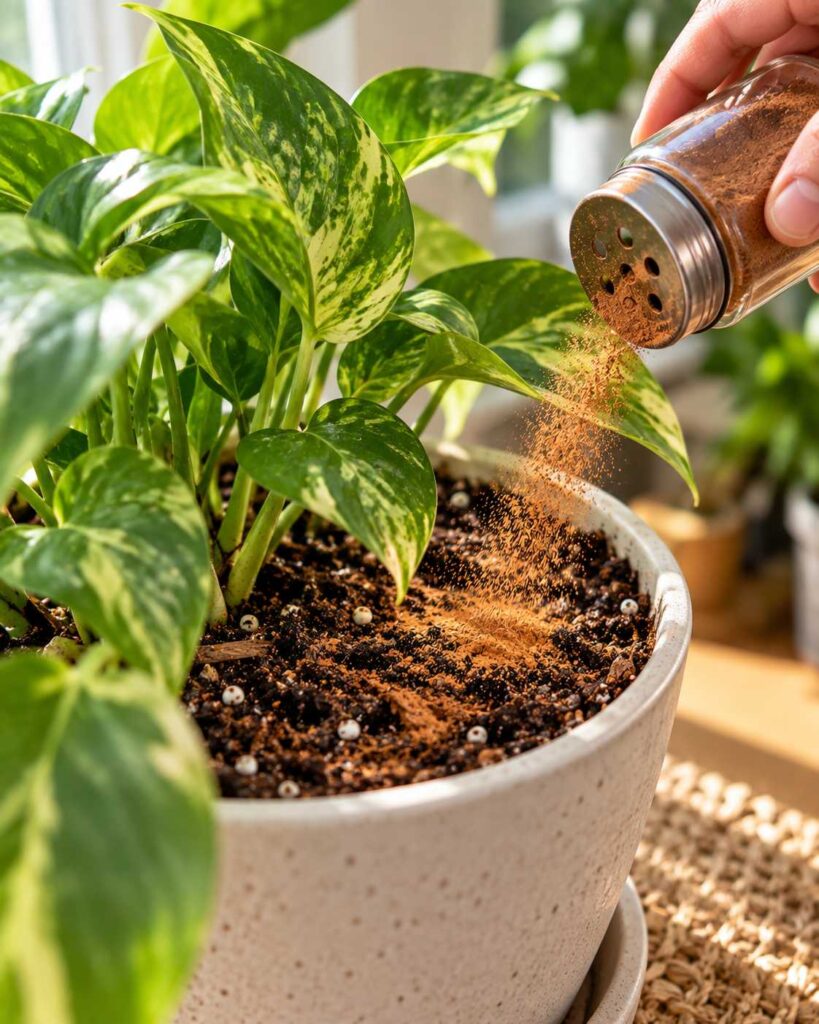
If you’re picturing cinnamon as your main weapon against an infestation, it isn’t one.
Does Cinnamon Stop the Fungus Gnats Feed On?
This is where it gets more nuanced. It’s also where the internet tends to overstate things.
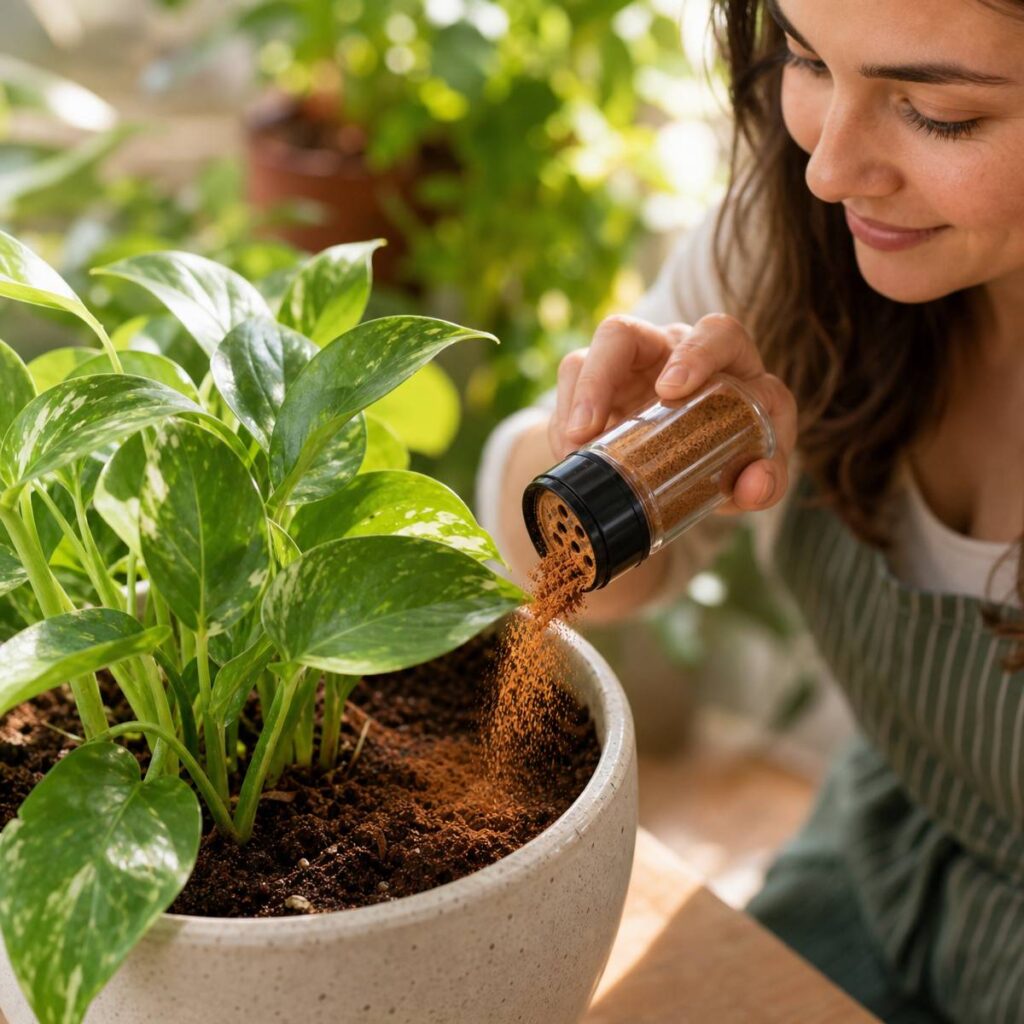
Fungus gnat larvae eat fungi and organic matter in the top layer of soil. Cinnamon does have some antifungal compounds. That’s the kernel of truth the “cinnamon fights fungus” claim is built on.
But there’s a specific claim that cinnamon prevents damping-off — a related fungal issue that kills seedlings at the soil line. University research says that claim gets ahead of the evidence.
The University of Saskatchewan’s Extension program looked at this directly: “There is no scientific study to show that cinnamon works, and therefore there is no recommendation about the amount of cinnamon to use.”
It’s not harmful to try. There’s just nothing behind the specific dose-and-frequency instructions you’ll see floating around — including, previously, on this page.
What Actually Gets Rid of Fungus Gnats
The fix that’s actually documented, from multiple extension sources, is boring compared to a kitchen-spice hack. But it works: dry out the soil.
Fungus gnats need consistently moist soil to breed. Let the top inch or two dry out between waterings. That removes the condition they depend on, not just one input into it.
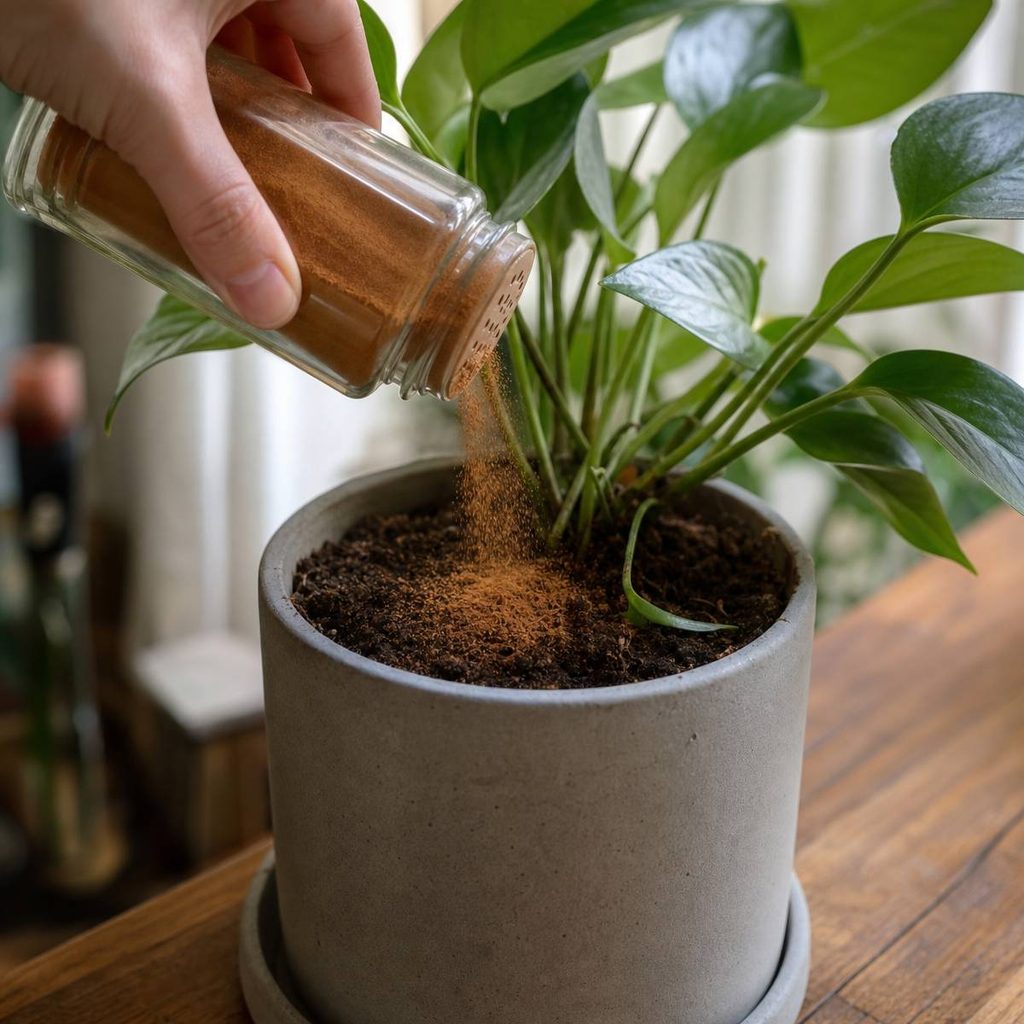
From there, layer in methods with real evidence behind them:
- Yellow sticky traps to catch and count adults (see our sticky traps guide)
- Food-grade diatomaceous earth worked into the top layer of soil, to physically damage larvae on contact (wear a dust mask — inhaling the dust isn’t good for you)
- Bti (Bacillus thuringiensis var. israelensis), a natural bacterium that specifically targets fly and mosquito larvae. This is the closest thing to a proven biological “kill” option (see our Mosquito Dunks for fungus gnats guide)
- Beneficial nematodes (Steinernema feltiae), which enter the larvae and release a bacterium that kills them
- Repotting with fresh, sterile soil if the infestation is heavy or keeps coming back
So Where Does Cinnamon Actually Fit In?
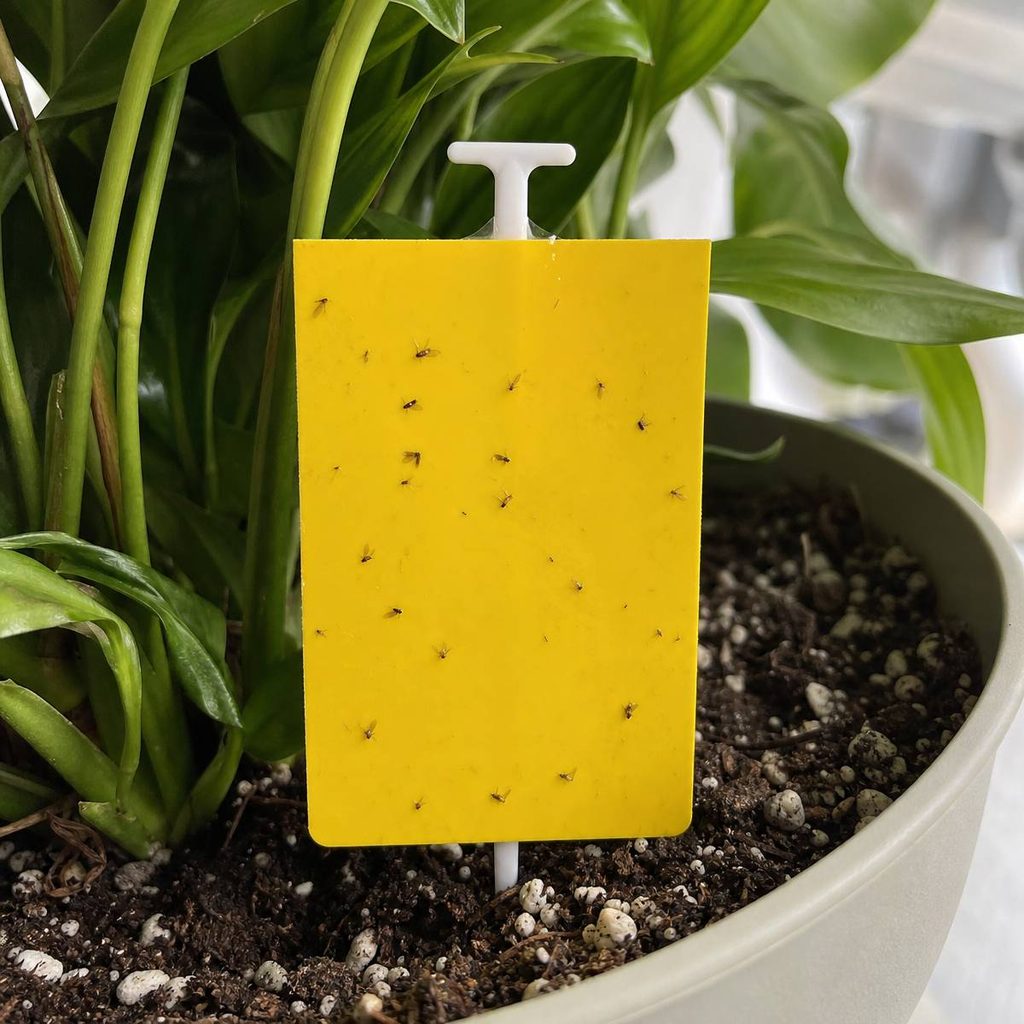
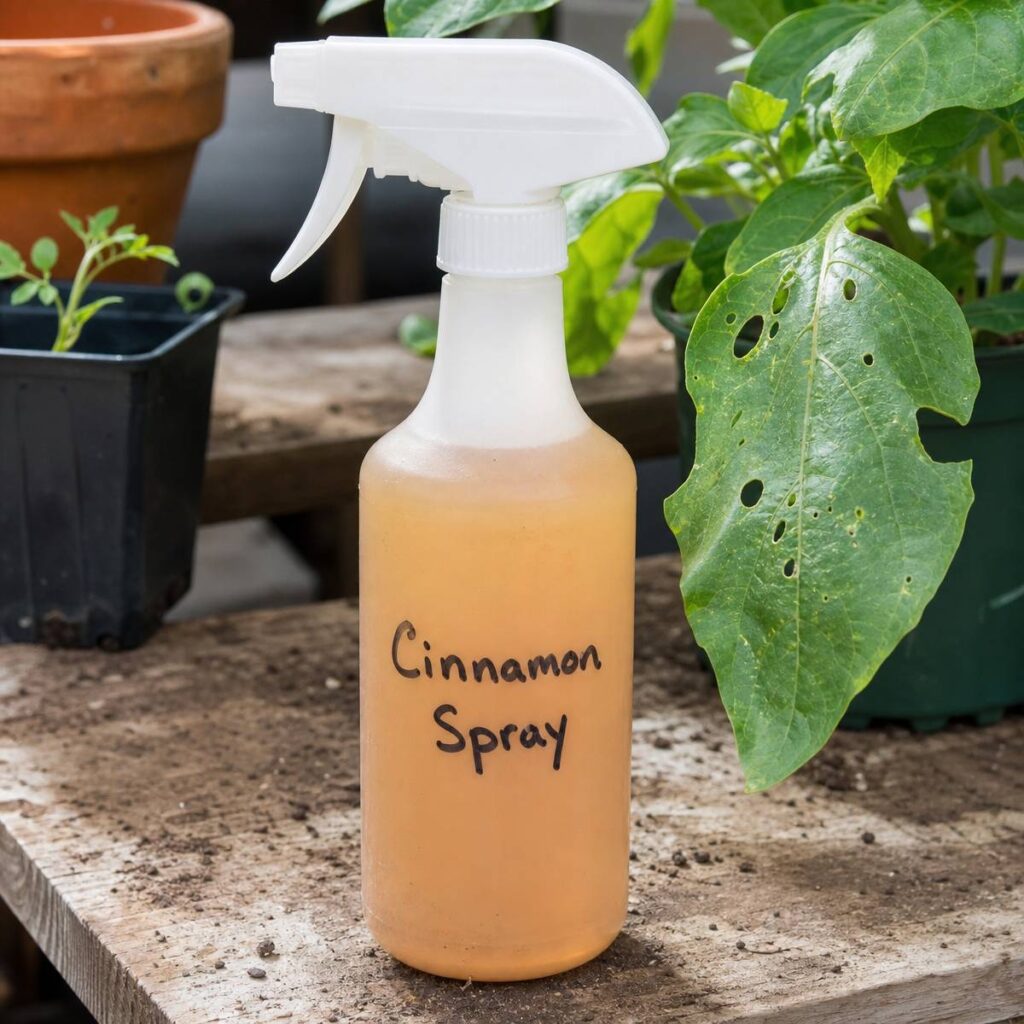
As a low-effort, low-risk extra — not the plan. If you like the idea of dusting the soil surface with cinnamon, that’s fine, as long as you’re also drying out the soil and using traps or Bti. There’s no real downside to it.
Just don’t expect it to do the job by itself. And don’t skip the moisture control step because you sprinkled some on top.
What Fungus Gnats Actually Are — and Aren’t
Fungus gnats (Sciaridae) are small, dark flies you’ll see hovering near the soil of overwatered houseplants. The adults lay eggs in moist soil and organic matter — peat moss, wood chips, old leaves.
Once hatched, the larvae feed on organic matter and fungi in the soil. In a heavy infestation, they’ll also go after fine root hairs, which can stress or stunt young or weak plants.
One thing worth correcting: fungus gnats are not a health hazard to you. They don’t bite. There’s no documented evidence they make people sick.
They’re an annoyance that flies near your face when you water — not a health risk. Your plant’s roots are the ones that actually need protecting.
A Few Other Home Remedies Worth a Word of Caution
Chamomile tea rinses and raw potato chunks buried in the soil are both floating around as fungus gnat remedies too.
Potato chunks are genuinely useful as a monitoring tool. Larvae are drawn to them, so checking a buried potato chunk after a few hours tells you how bad an infestation is.
Treat them that way — a detector, not a cure — rather than expecting either to solve the problem on its own.
Frequently Asked Questions
Does cinnamon kill fungus gnats?
No. Cinnamon isn’t an insecticide, and it doesn’t kill the larvae or the adults. The University of California’s Statewide IPM Program addressed this exact remedy and said “Potato chunks and cinnamon won’t help” with a fungus gnat problem. If you’re picturing cinnamon as your main weapon against an infestation, it isn’t one.
What actually gets rid of fungus gnats?
Drying out the soil. Fungus gnats need consistently moist soil to breed, so letting the soil dry between waterings removes the condition they depend on. From there, add yellow sticky traps to catch and count adults (see our sticky traps guide), Bti, beneficial nematodes, or repotting with fresh, sterile soil if the infestation is heavy or keeps coming back.
Does cinnamon stop the fungus that fungus gnats feed on?
Not that anyone has shown. Fungus gnat larvae eat fungi and organic matter in the top layer of soil, but the University of Saskatchewan’s Extension program says there is no scientific study to show that cinnamon works against damping-off. It adds that there is no recommendation about the amount of cinnamon to use.
Is it okay to sprinkle cinnamon on the soil anyway?
You can, but don’t count on it. The University of Saskatchewan’s Extension program says there is no scientific study showing cinnamon works against damping-off, and no recommended amount to use. Whatever you sprinkle on top, drying out the soil and using traps or Bti is what actually controls the gnats, so don’t skip those steps.
Are fungus gnats harmful to people or plants?
Not to people. Fungus gnats don’t bite, and there’s no documented evidence they make people sick; they’re an annoyance that flies near your face when you water. Your plant’s roots are what need protecting. In a heavy infestation, the larvae will also go after fine root hairs, which can stress or stunt young or weak plants.