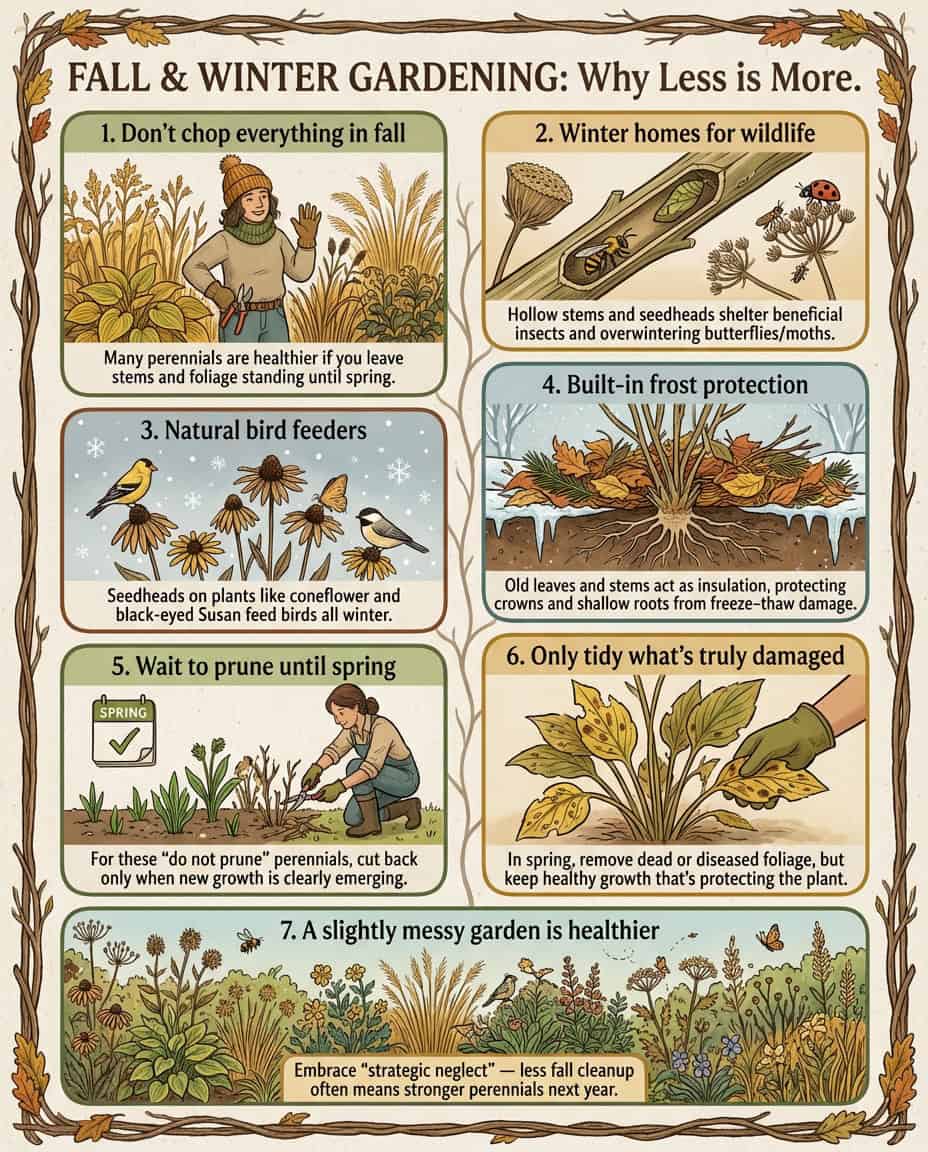
Forget what you’ve heard about fall garden cleanup. That pruning habit might actually be hurting your garden’s future.
While you’re cutting back with good intentions, some of your most valuable perennials actually need to be left alone. Sometimes doing nothing is the smarter move.
Why Some Perennials Need Their Space (And Stems)
I was surprised to learn that cutting back certain perennials in the fall can do real damage.
According to the National Wildlife Federation, leaving perennials intact through winter provides habitat for over 90% of native butterfly and moth species that overwinter in plant material.
Your garden isn’t just decorative. It’s a winter survival sanctuary. Those seed heads and hollow stems are actually natural bird feeders and insect hotels.
Plus, those standing stems act like insulation, protecting delicate crowns from frost damage.
Your garden will benefit from being a little less tidy this fall. Think of it as strategic neglect.
The “Do Not Prune” List: 15 Perennials to Leave Standing
The difference between new and experienced gardeners is knowing which plants benefit from being left alone in the fall. Here are 15 perennials that should stay standing:
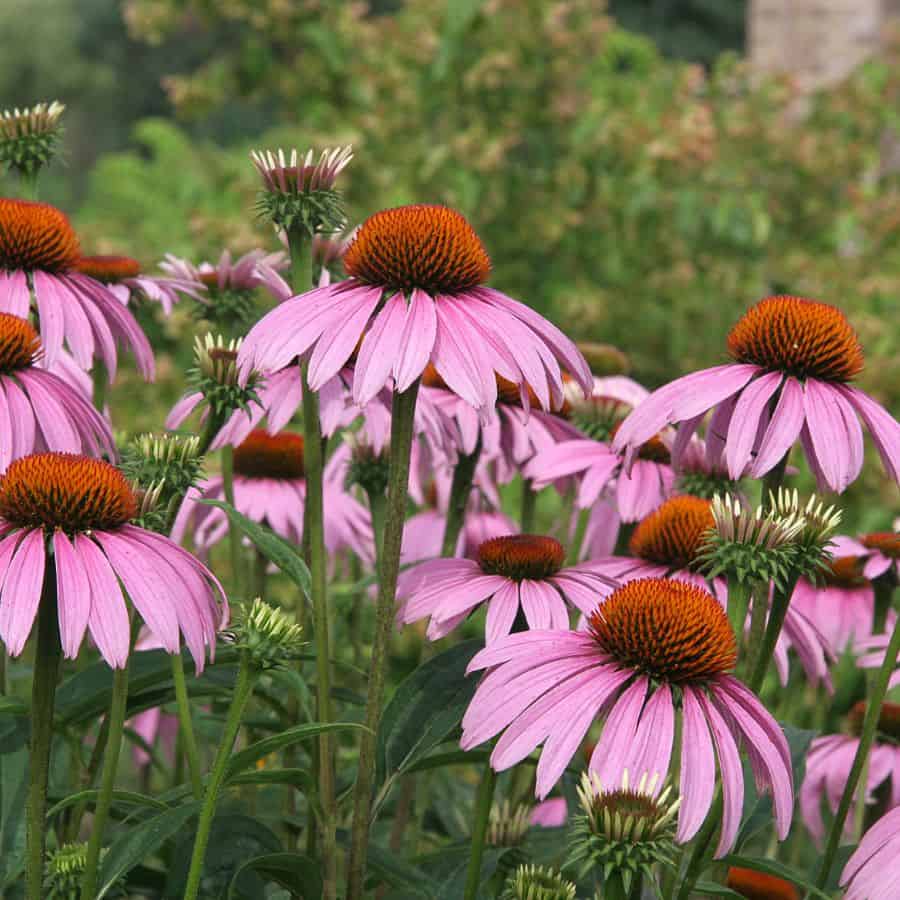
1. Coneflower (Echinacea)
Those spiky seedheads aren’t just nice winter structure. They’re goldfinch buffets. The birds will visit all winter. Cut in spring when new growth emerges from the base.
2. Black-Eyed Susan (Rudbeckia)
Like their coneflower cousins, these become natural bird feeders. Their stems also create hibernation spots for beneficial insects that will help control pests next season. Trim in early spring before new shoots appear.
3. Coral Bells (Heuchera)
Those colorful leaves act as a protective shield. Cutting them back exposes the crown to freezing temperatures. Remove only damaged leaves in spring as new growth begins.
4. Russian Sage (Perovskia)
Those silvery stems aren’t just pretty winter structure. They prevent moisture from seeping into the crown and causing root rot. Prune in early spring when new growth appears at the base.
5. Bee Balm (Monarda)
Bee balm that’s prone to mildew actually stays healthier when left standing. Fall cutting creates damp conditions that favor fungal growth. Trim in early spring, after frost danger has passed.
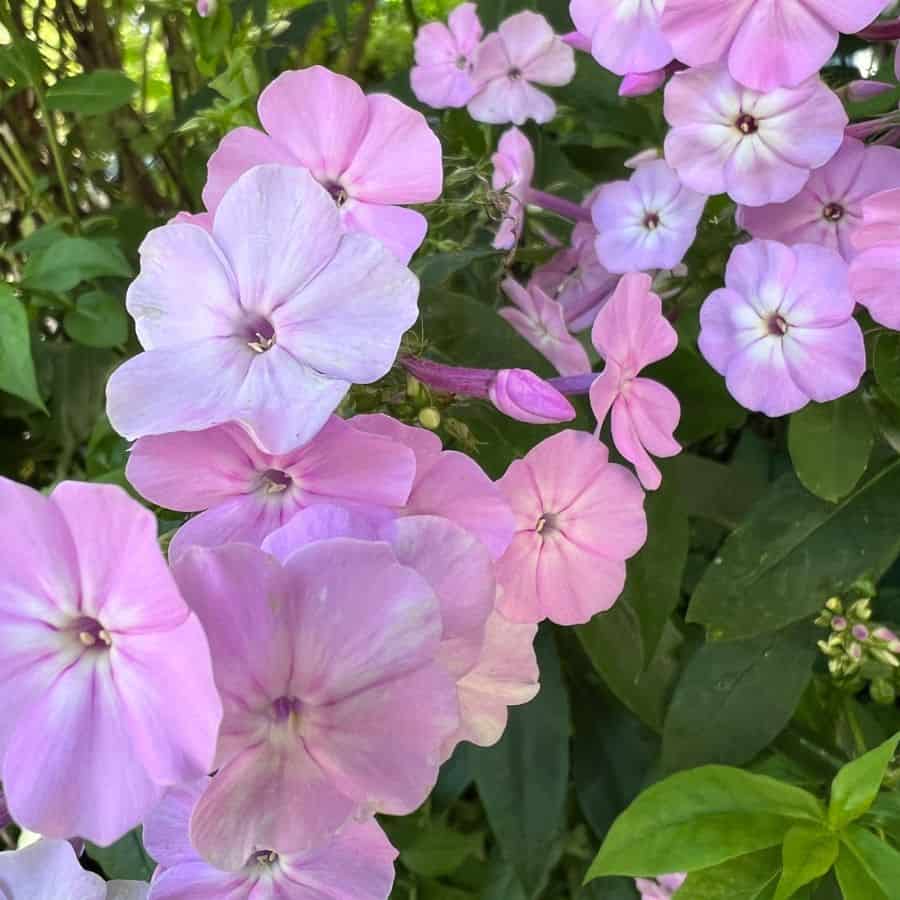
6. Garden Phlox (Phlox paniculata)
Those tall stems provide important winter protection. Cutting back in fall leaves it vulnerable to harsh weather. Cut back in early spring, removing old stems completely.
7. Bleeding Heart (Dicentra)
Even though bleeding hearts naturally die back by fall, that decomposing foliage forms a protective mulch layer. Removing it takes away valuable insulation. Clean up in early spring before new growth emerges.
8. Stonecrop (Sedum)
Those fleshy stems and dried flower heads stand like small sculptures all winter. They’re tough enough to handle the cold while providing visual interest. Cut back in spring before new growth begins.
9. Lavender (Lavandula)
Lavender doesn’t tolerate heavy fall pruning well. Cutting now reduces cold tolerance and can lead to winter death, especially in colder regions. Trim lightly in early spring after new growth appears.
10. Japanese Anemone (Anemone)
These late-bloomers have delicate root systems that can be pushed out of the ground during freeze-thaw cycles (called frost heaving) if cut back too soon. Prune in early spring when new growth becomes visible.
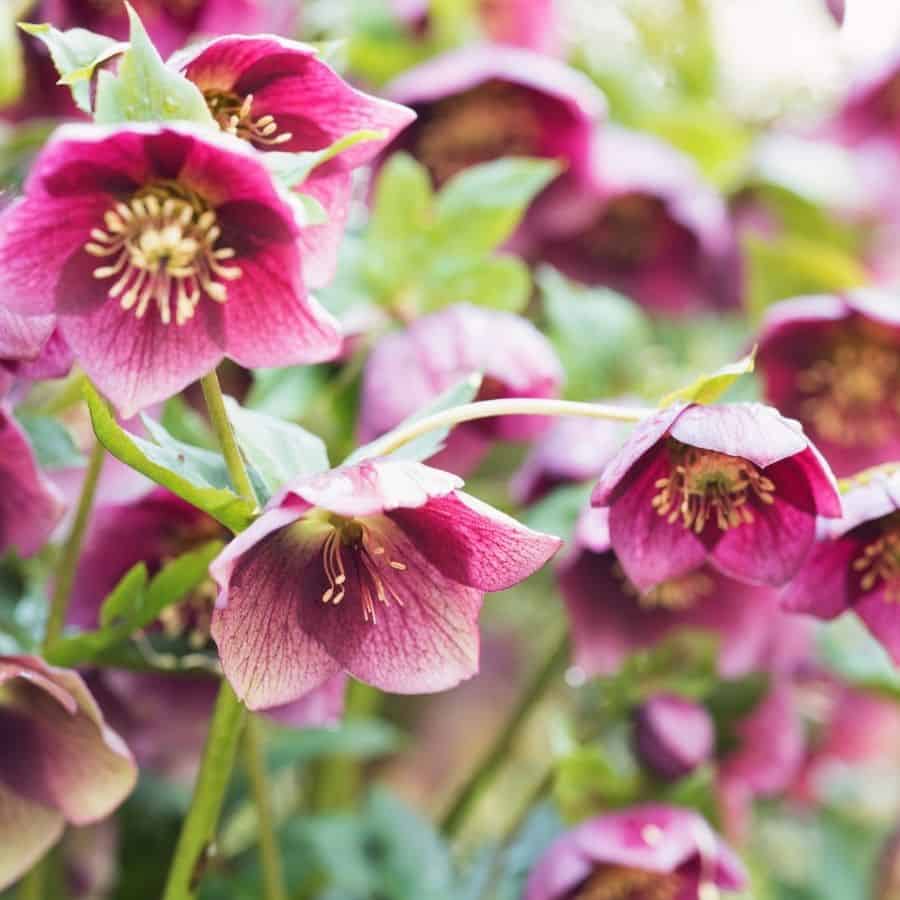
11. Hellebore (Helleborus)
Hellebores are already preparing their late winter blooms beneath that evergreen foliage. Cutting now removes their protection. Selectively prune damaged leaves in early spring, being careful around flower buds.
12. Cardinal Flower (Lobelia)
Despite their bright display in summer, cardinal flowers are surprisingly delicate when it comes to winter. Their foliage creates an important insulating layer for the crown. Trim back in early spring when the ground thaws.
13. Hardy Geranium (Geranium)
These reliable garden plants have shallow, delicate root systems that need the dead foliage as insulation. It acts like natural mulch. Prune in early spring to make way for fresh growth.
14. Brunnera (Brunnera macrophylla)
Those large heart-shaped leaves create a good shield against winter weather. Removing them leaves the crown vulnerable to freeze damage. Trim dead leaves in early spring as new growth appears.
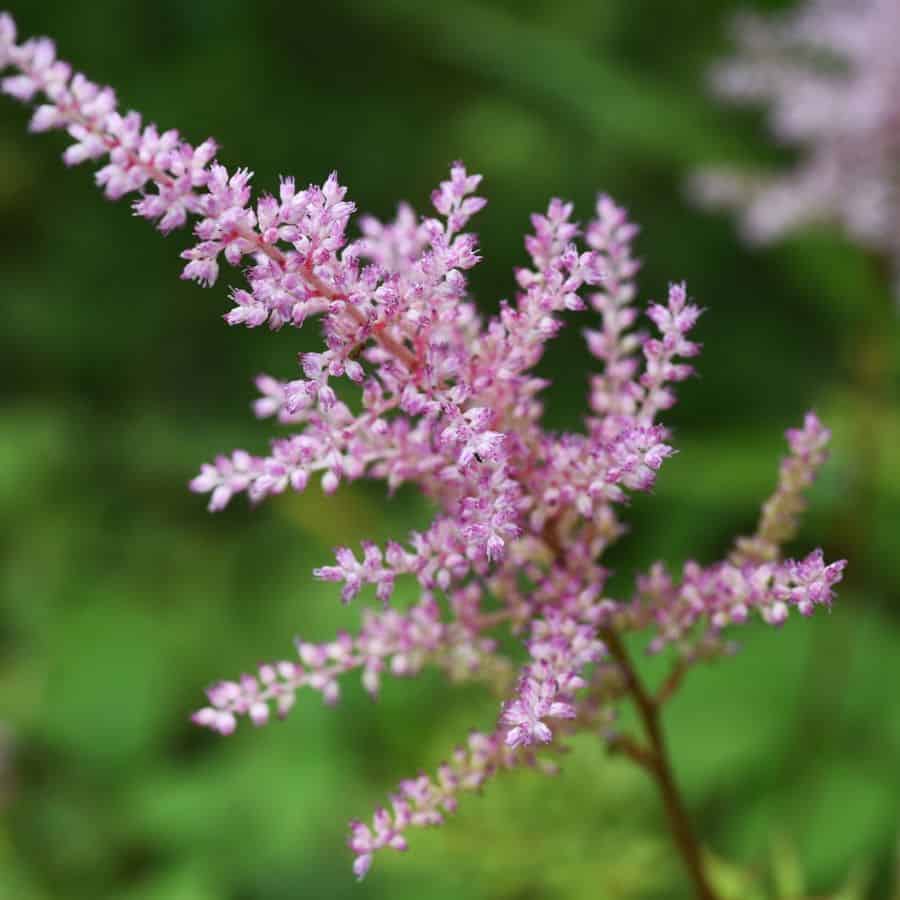
15. Astilbe (Astilbe)
Those feathery plumes provide protection. Cutting back exposes the shallow roots and crown to potential frost damage. Remove dead foliage in early spring before new growth emerges.
Why Your “Messy” Garden Is Actually Better
Still feeling the urge to tidy up? Consider this: a perfectly manicured fall garden is actually an ecological desert.
Those seed heads, hollow stems, and leaf litter are important winter habitat for native bees, butterflies, and birds.
This is where many gardeners go wrong. They prioritize neatness over nurture.
Research from the Xerces Society shows that 30% of our native bee species overwinter in the hollow stems of plants. When we cut everything back, we’re eliminating next year’s pollinators.
Think of your standing perennials as winter wildlife shelters, providing food and protection when resources are scarce. Your garden isn’t messy. It’s a functioning ecosystem.
When To Actually Cut Back
Is there anything you should cut back in the fall? Yes. Diseased plants or those with serious pest problems can (and should) be removed and disposed of.
Also, plants like hostas and daylilies that turn to mush after frost won’t provide winter interest or wildlife benefits, so feel free to clean those up.
For everything on our “do not cut” list, wait until you see new growth emerging in spring.
That’s typically when daytime temperatures consistently reach above 50°F. Then you can safely trim away winter’s remnants without harming your perennials.
Your spring garden will reward your restraint with healthier plants and better blooms. Sometimes the best garden care is simply letting nature do its thing.