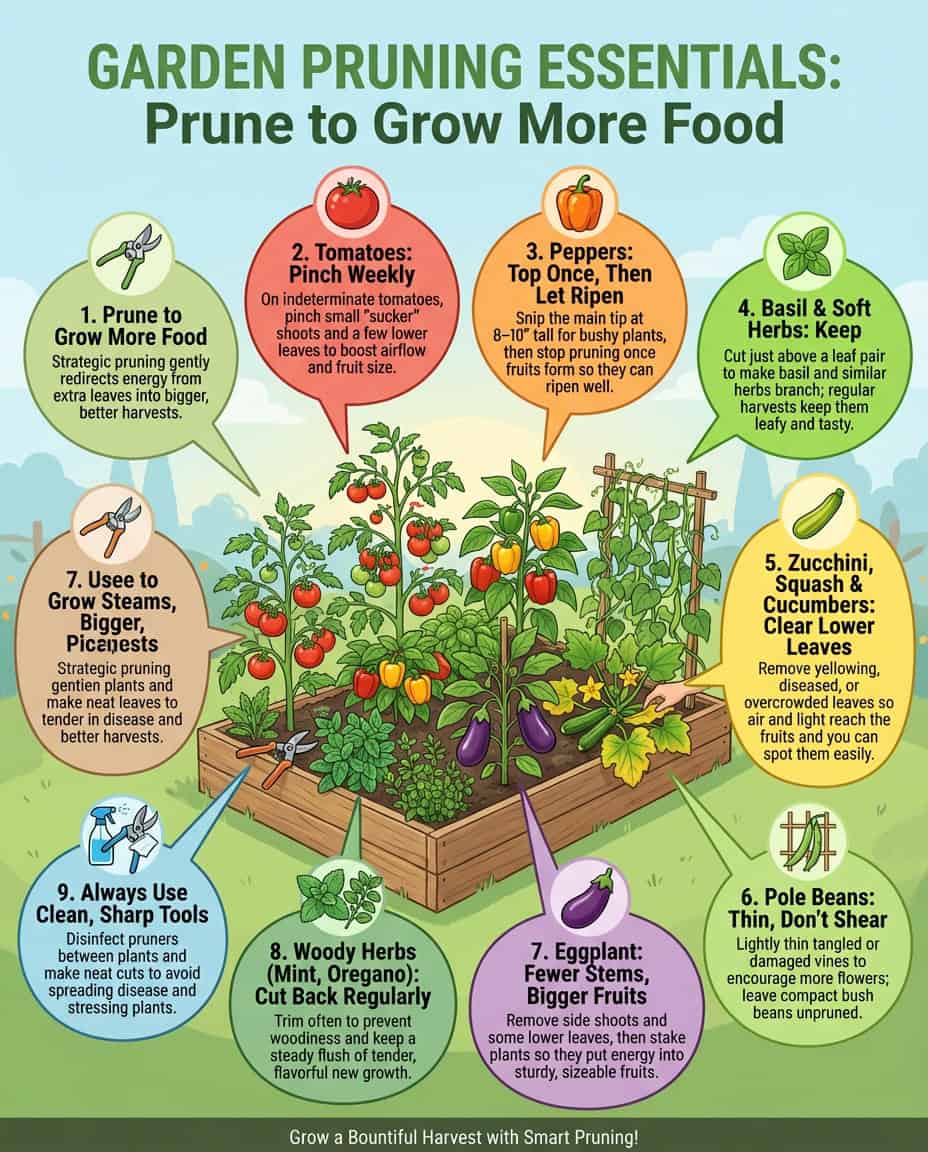
Think pruning is just for fancy fruit trees? It’s actually useful for a wide range of garden crops. The real trick is knowing where and when to make those cuts.
Research shows proper pruning can increase yields by up to 30% in certain vegetables.
Here’s what you need to know about using pruners to help your garden produce more.
Why Pruning Actually Works
You might think leaving plants alone is the most natural approach. But strategic pruning isn’t harmful. It just redirects your plant’s energy toward fruit production instead of extra leaves.
Think of it like this: when you remove some growth, the plant can focus its resources on what matters most, producing a good harvest for your table.
9 Crops That Benefit from Pruning
1. Indeterminate Tomatoes: The Pruning All-Stars
These sprawling plants will keep growing until frost if you let them. Remove those suckers (the shoots that appear between the main stem and branches) and lower leaves to improve air circulation.
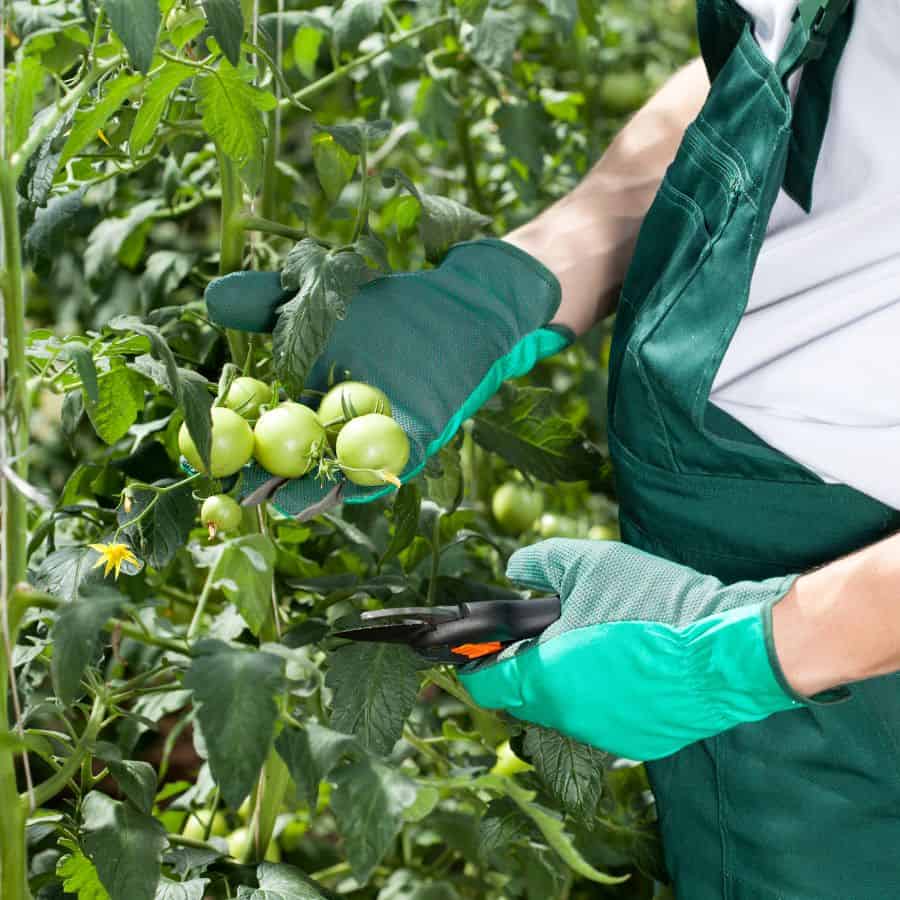
How to do it: Pinch suckers weekly at leaf joints. Leave enough foliage to prevent sunscald. You’ll get bigger, healthier fruits instead of a jungle of leaves.
2. Peppers: Top Them for Bushier Growth
Topping pepper plants when they’re 8-10 inches tall can transform them into bushy, productive plants. This simple cut stimulates more branching and flowering sites.
How to do it: Remove lower leaves that might touch the soil. Once fruits start developing, stop pruning, so the plant can focus on ripening.
3. Basil: Pinch for More Leaves
Basil needs regular pinching. Without it, the plant flowers quickly and loses flavor.
How to do it: Once your basil has 4-6 true leaves, cut just above a leaf pair. This creates two new branches where there was one. Just don’t strip it completely bare, or you’ll stress the plant.
4. Zucchini: Keep It Manageable
Left unpruned, zucchini plants become sprawling and hide their fruits until they’re huge. Remove large lower leaves to spot developing fruits earlier and improve air circulation.
How to do it: Focus on removing yellowing or diseased leaves first. A light trim is all you need.
5. Vining Cucumbers: Direct the Growth
Cucumber vines can quickly tangle. Prune side shoots to focus energy on your main producing vines.
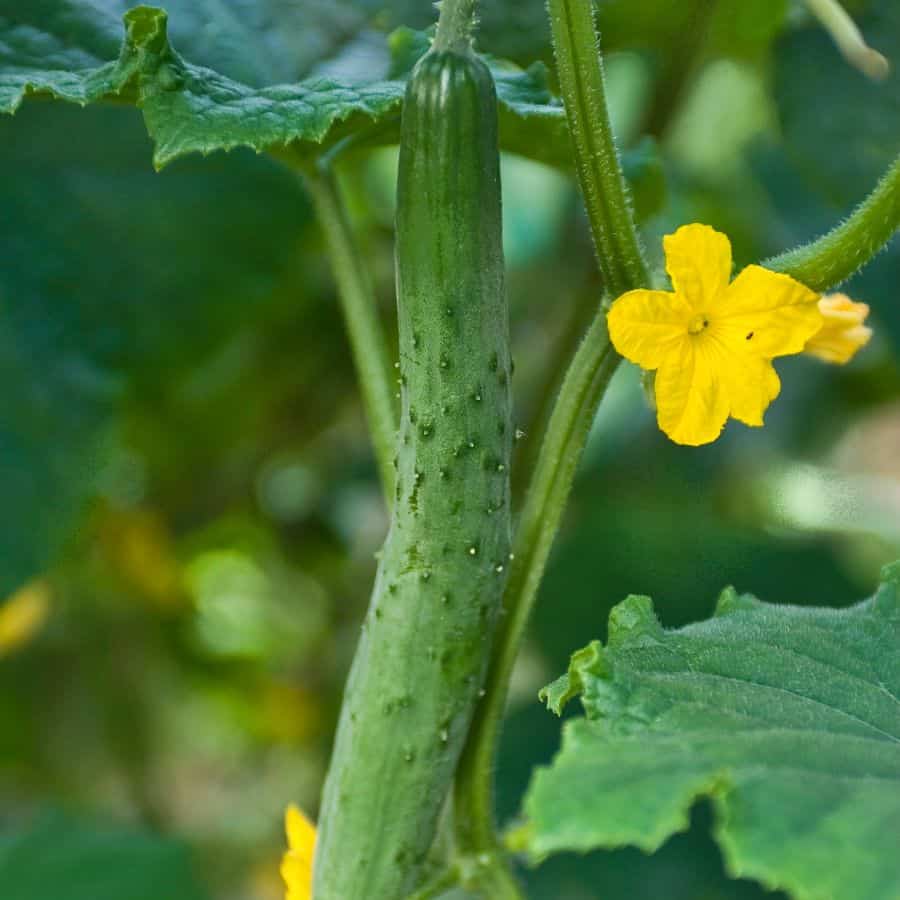
How to do it: Use clean scissors to remove yellowing leaves and unproductive runners. You’ll get straighter, more abundant cucumbers that are easier to harvest.
6. Pole Beans: Manage the Vines
Light pruning helps manage growth and promotes more vigorous flowering in pole beans.
How to do it: Focus on thinning overcrowded areas and removing damaged vines. Bush beans don’t benefit from pruning, so leave those alone.
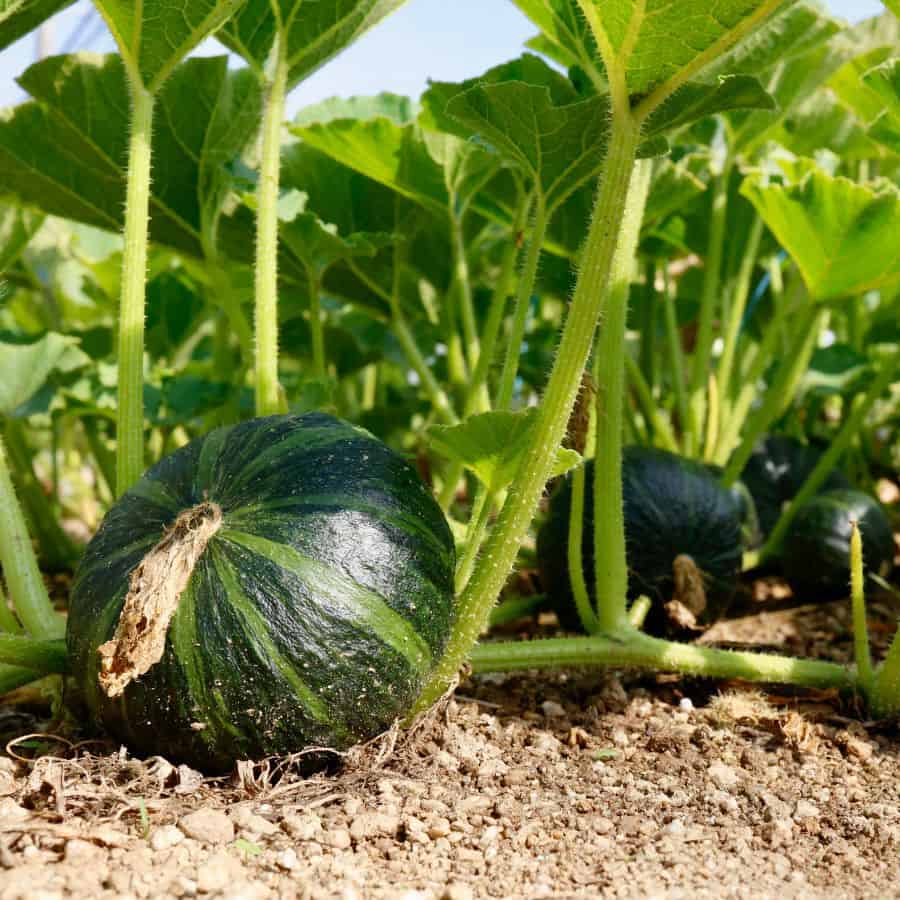
7. Squash: Control the Spread
Both summer and winter squash plants spread aggressively. Pruning helps keep them in check.
How to do it: Improve air circulation by selectively trimming, but be careful not to cut fruit-bearing stems. The goal is mildew prevention and focused fruit development.
8. Mint & Oregano: Cut Regularly
Letting herbs grow unchecked makes them woody and less flavorful. Regular trimming keeps mint and oregano producing tender, tasty new growth.
How to do it: Cut back regularly to encourage bushier, more compact growth. You’ll have plenty of fresh herbs to use while improving the plants.
9. Eggplant: Focus the Energy
Pruning helps eggplant redirect energy to developing fewer but larger fruits.
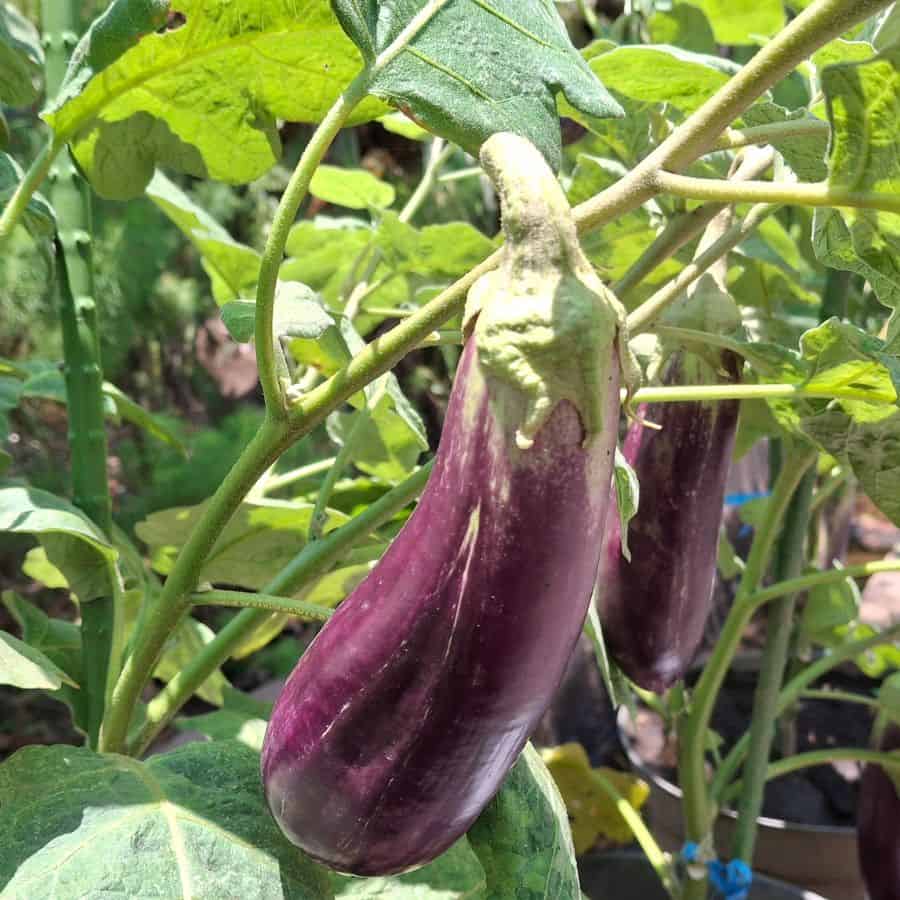
How to do it: Remove side shoots and lower leaves, then stake your plants to support the coming fruits. This attention to directing plant energy is what makes the difference.
Essential Pruning Tips
• Clean your tools – Disinfect pruners between plants to prevent spreading disease. A 70% alcohol solution works well.
• Time it right – Early morning or late evening pruning prevents stress from the hot sun on fresh cuts.
• Follow the one-third rule – Never remove more than 1/3 of the plant at once.
• Make clean cuts – Ragged edges invite disease and slow healing.
Pruning is about helping your plants focus their energy where it counts. You provide the strategic cuts, they provide the harvest.
The next time you see those leggy tomatoes or sprawling zucchini, grab your pruners and make some cuts. A little work now can make your garden much more productive.