Did you know that giving your lavender too much attention might actually be killing it? It turns out that most lavender plants don’t die from neglect. They die from too much care.
These Mediterranean plants actually do better when you back off a bit. Here’s what you need to know to help your lavender thrive and fill your garden with that beautiful fragrance.
The Truth About Fertilizing Lavender
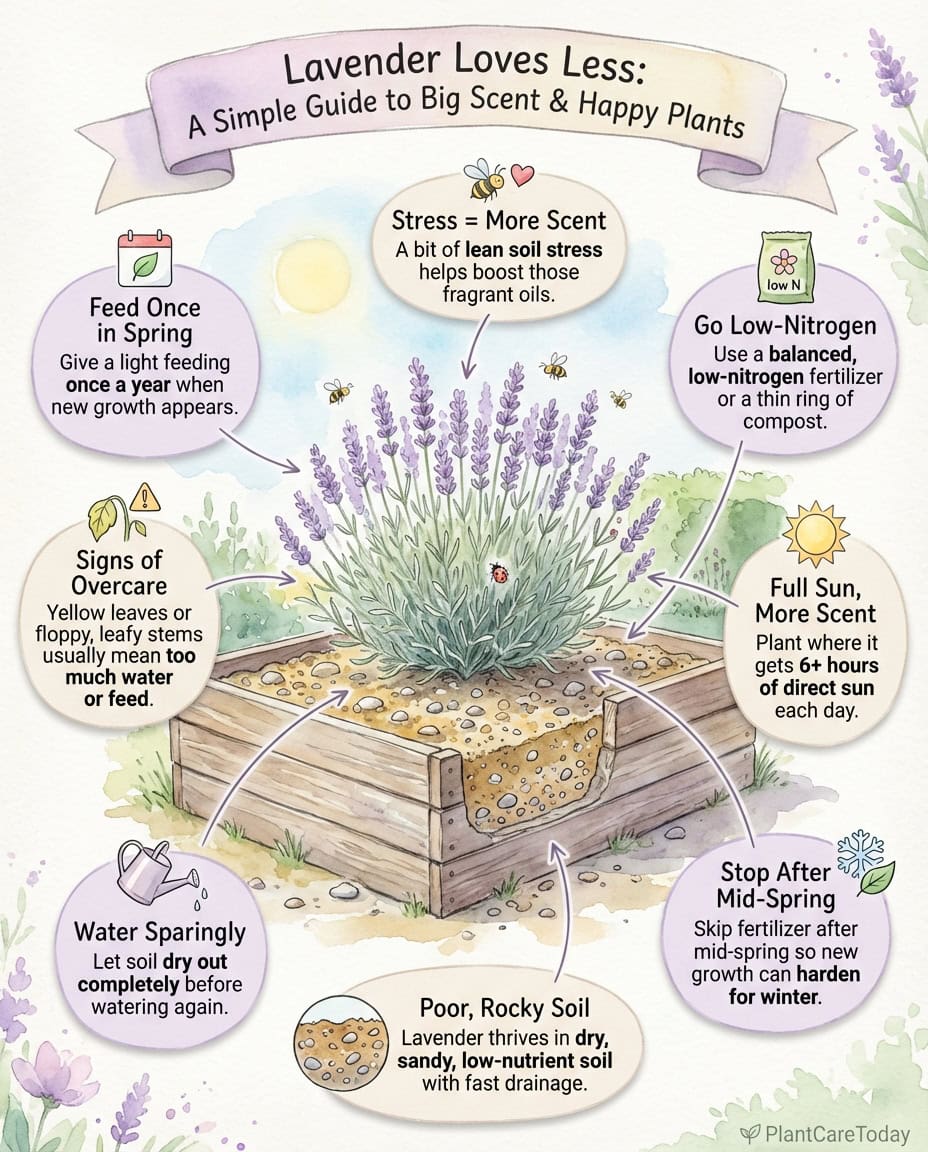
Forget what you’ve heard about regular feeding schedules for garden plants. Lavender is different.
In its native Mediterranean home, it grows in rocky, nutrient-poor soil that most other plants wouldn’t tolerate.
When you overfertilize lavender, you get lots of weak, floppy growth and fewer blooms. Worse, you’ll lose that wonderful scent.
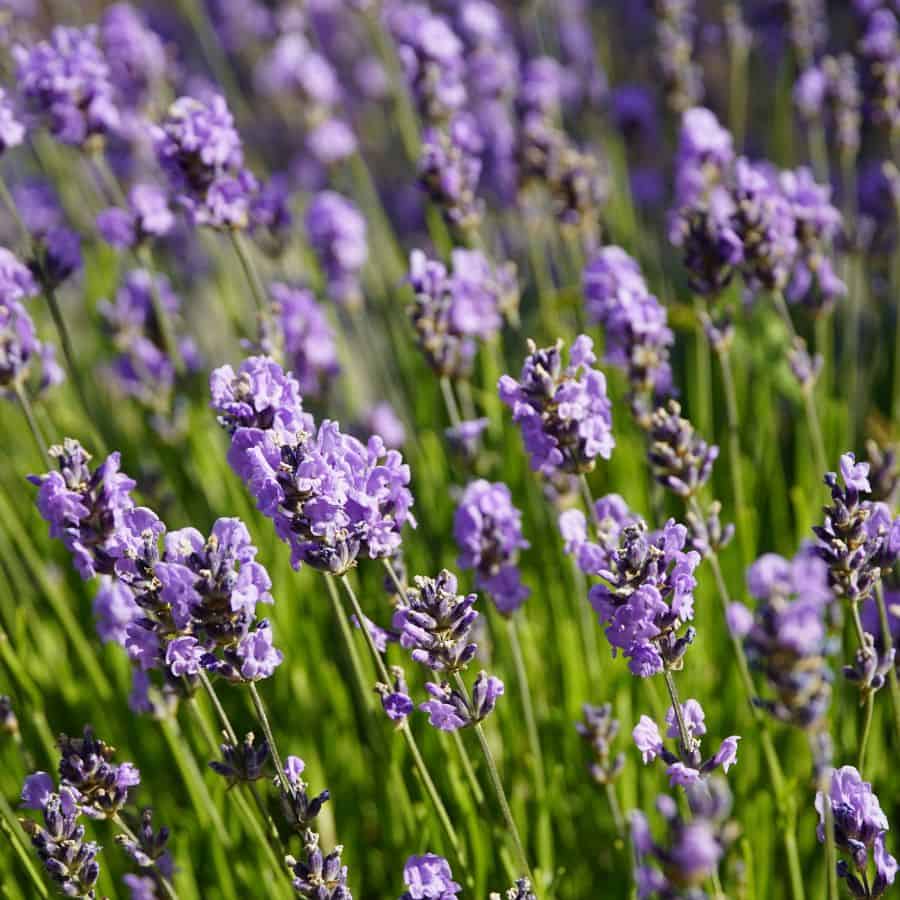
Here’s the interesting part: when lavender grows in poor soil, it actually produces more essential oils as a survival strategy. Those oils are what create the fragrance we love.
When and How Often to Fertilize
The simple answer: once a year in early spring. That’s it.
Your lavender needs just one feeding as it wakes up from winter. This light boost gives it enough nutrients for healthy growth without reducing its scent production.
Avoid fertilizing in late summer or fall. Late-season feeding encourages new growth that won’t have time to harden off before winter, which can damage your plant in cold weather.
The best time to feed is when you see the first signs of new spring growth, usually when the soil temperature reaches about 60°F. You’re giving it just enough fuel for the growing season, not an endless supply.
What Type of Fertilizer to Use
When it comes to feeding lavender, think “barely there” rather than “plenty.” Your lavender needs a balanced fertilizer that’s low in nitrogen.
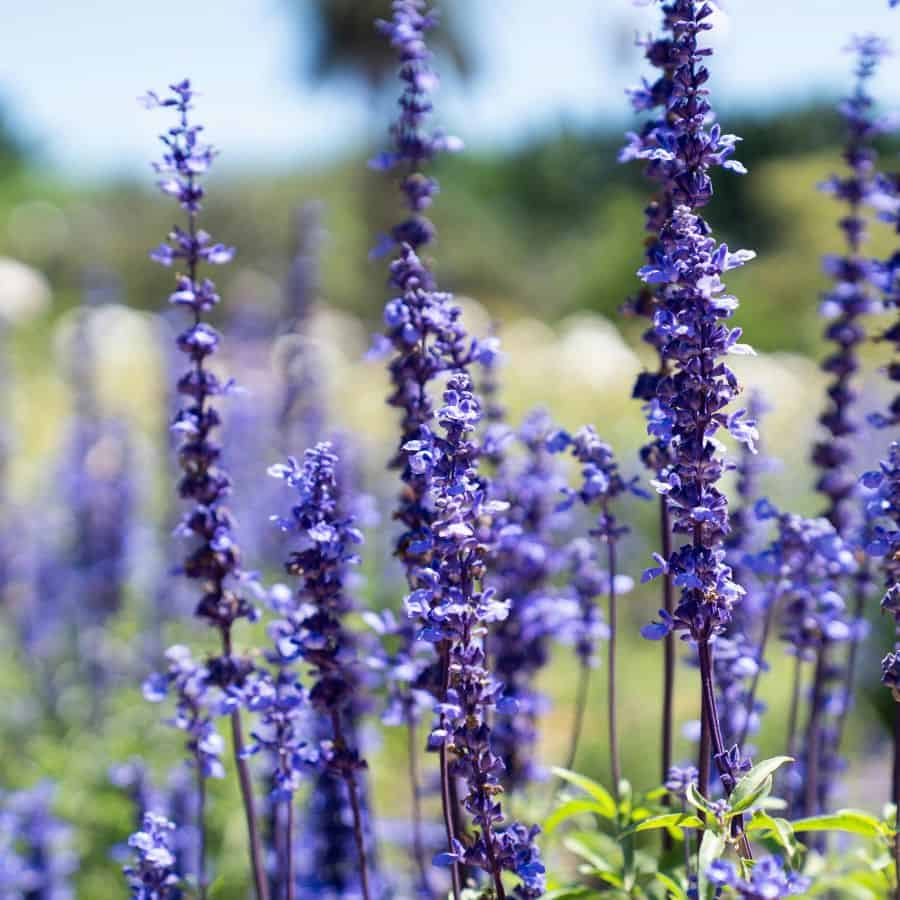
High-nitrogen fertilizers cause weak stems, fewer flowers, and reduced fragrance.
Here’s what works best:
• Slow-release granular fertilizers made for herbs or flowering plants
• Natural options like light compost, bone meal, or crushed eggshells sprinkled around the base
• Avoid any fertilizer labeled “high nitrogen” or “promotes green growth.”
Think of it like seasoning food. Just a pinch is all you need.
Signs Your Lavender Needs Help
Most struggling lavender plants aren’t lacking nutrients. They’re getting too much water or fertilizer. Before you add anything, look for these signs:
• Yellow or wilting leaves: Usually means overwatering (lavender hates wet soil) or too much fertilizer
• Stunted growth: Could be not enough sunlight (they need 6+ hours) or temperature stress
• Leggy, floppy growth with few flowers: Almost always means overfertilizing
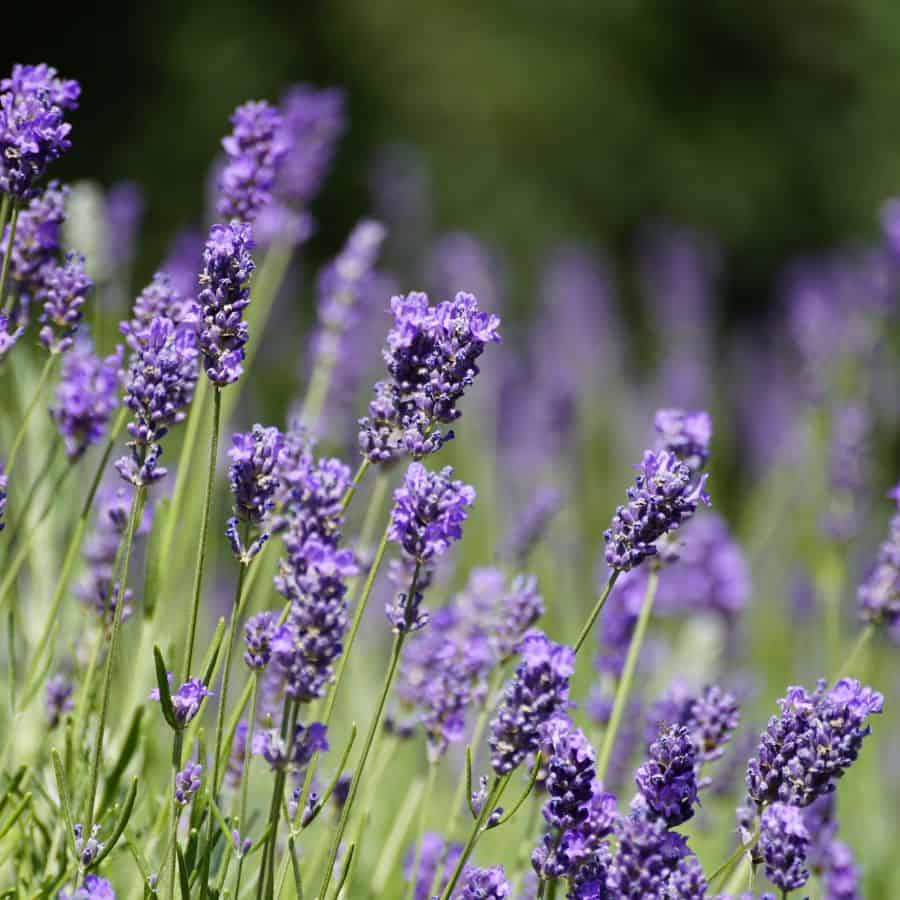
If your plant truly seems undernourished, slow growth despite good sun and drainage, then a light spring feeding will help. But remember, healthy lavender looks a bit scrappy and wild, not lush and overgrown.
Common Mistakes to Avoid
Most people make these mistakes with lavender:
1. Overfeeding
Lavender evolved in poor soil. Too many nutrients can lead to weak stems, fewer blooms, and less scent.
2. Bad Timing
Fertilizing after mid-spring triggers new growth that won’t survive winter well.
3. Watering Issues
Never fertilize dry lavender. Water first. But remember, lavender really dislikes soggy soil.
I once helped someone revive their “dying” lavender simply by stopping all fertilizer and moving it to the poorest, rockiest spot in their yard. Within a month, it was covered in purple flowers and smelled terrific. Sometimes less really is more.
Your Simple Success Plan
Here’s what your lavender needs to thrive:
• Feed just once yearly in early spring
• Use low-nitrogen, balanced fertilizer or light compost
• Plant in poor, well-draining soil (add sand or gravel if needed)
• Provide full sun (6+ hours daily)
• Water sparingly (only when the soil is completely dry)
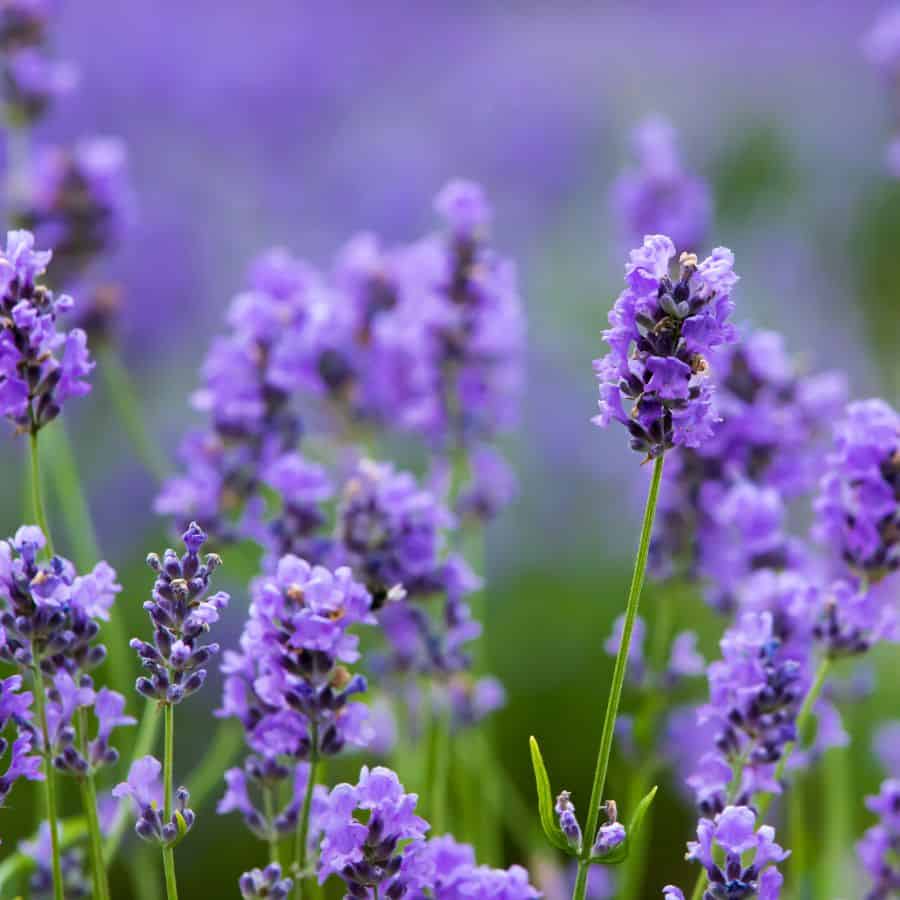
The real trick with lavender is understanding that it thrives on minimal care. Give your plants just enough to survive, and they’ll reward you with that wonderful scent that can fill your entire garden.
Remember: when it comes to lavender, less really is more.