Your hydrangeas are sending you an SOS right now. While they might look peaceful in your fall garden, they’re secretly preparing for a battle against winter, and they need your help to ensure those gorgeous blooms return next spring.
I was shocked to discover that nearly 70% of hydrangea flowering issues stem from simple fall care mistakes.
Ready to be the hydrangea hero your garden deserves?
The Deadly Mistake That’s Secretly Sabotaging Your Blooms
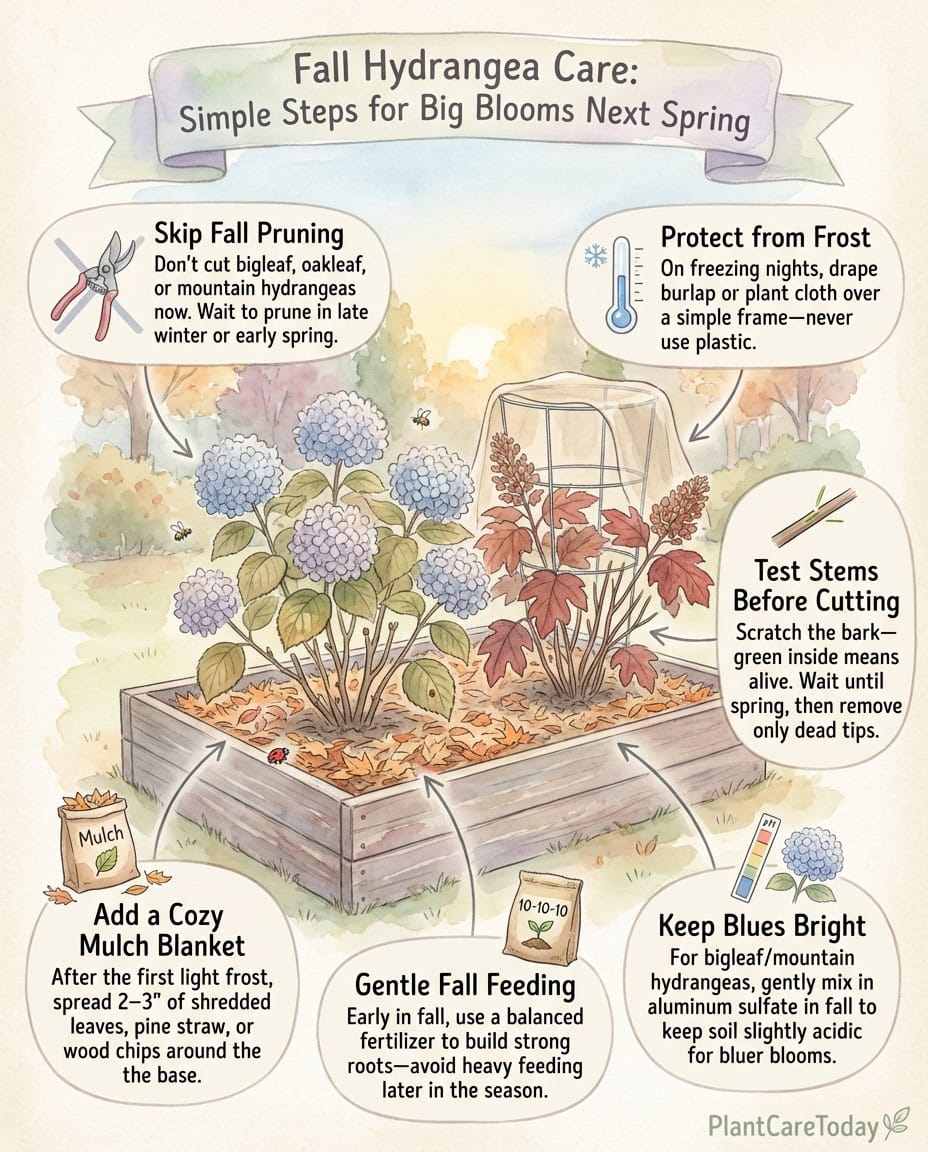
Forget what you’ve heard about fall garden cleanup. Your pruning shears should stay far away from those hydrangeas right now!
The game-changer for your hydrangeas isn’t what you think… It’s what you don’t do.
Most people make this mistake with their hydrangeas: snipping them back in autumn, essentially decapitating next year’s flower buds without realizing it.
It’s like cutting off the finale of your favorite show right before you discover who wins!
Those woody stems might look shabby and tempting to trim, but they’re actually the nursery for next season’s blooms. Varieties that bloom on old wood include:
- Bigleaf hydrangeas (the classic blue and pink showstoppers)
- Oakleaf hydrangeas (with their dramatic autumn foliage)
- Mountain hydrangeas (the delicate lacecaps)
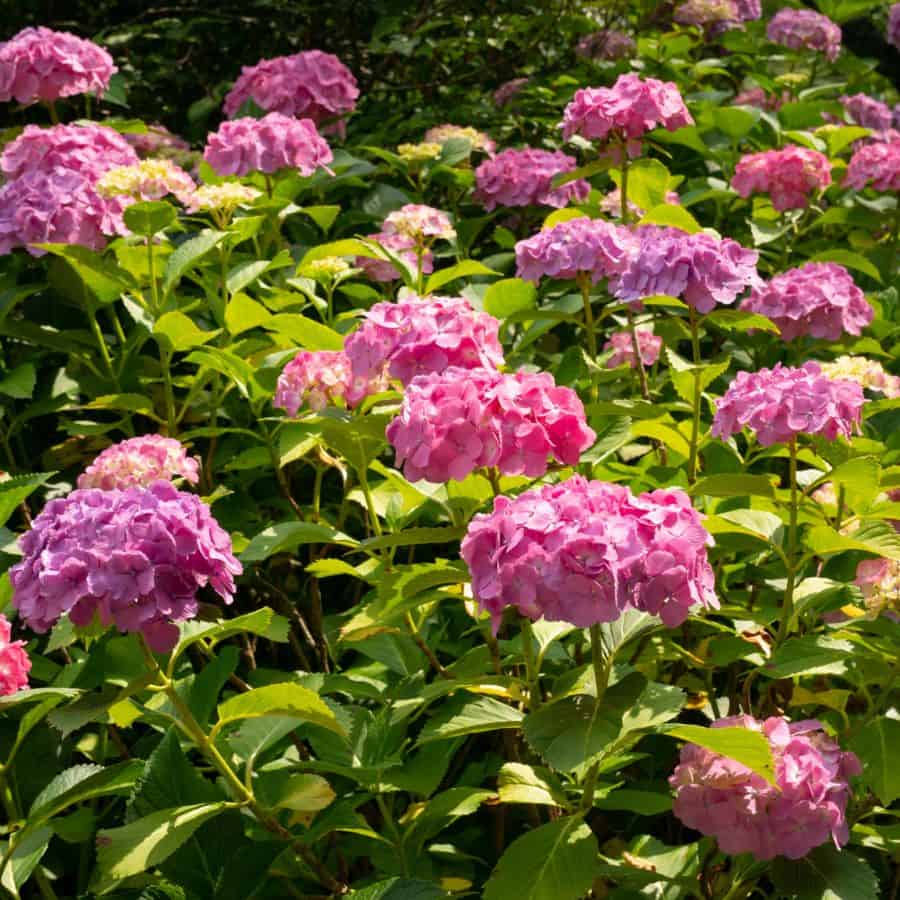
When should you prune? Hold those eager gardening hands until late winter or early spring, when the threat of severe cold has passed but before new growth emerges.
Your patience will be rewarded with a flower show that will make your neighbors green with envy!
4 Fall Hydrangea Tasks That Guarantee Stunning Blooms
1. Create a Cozy Winter Blanket (Mulch Magic)
Your hydrangeas need a winter blanket just like you do! A 2-3 inch layer of mulch around the base acts like thermal underwear for your plant’s root system.
This isn’t just about warmth. It also addresses moisture retention and weed suppression.
The secret most plant experts won’t tell you is that mulch timing matters tremendously. Apply it after the first light frost but before the ground freezes solid.
This sweet spot prevents mice and voles from making your mulch their winter condo while still protecting those precious roots.
The best mulch options? Shredded leaves, pine straw, or wood chips create a protective barrier that slowly breaks down to feed your soil. It’s like tucking your hydrangeas in with a nutrient-rich bedtime snack!
2. Feed for Future Flourishing (Strategic Fertilization)
Your hydrangeas are preparing for their winter hibernation, but they need proper nutrition to survive the cold and thrive next spring. Think of fall fertilizing as packing a nutritional lunch box for a long journey.
Apply a balanced, phosphorus-rich fertilizer (like a 10-10-10) early in the fall to strengthen roots without stimulating late-season growth that would be vulnerable to frost.
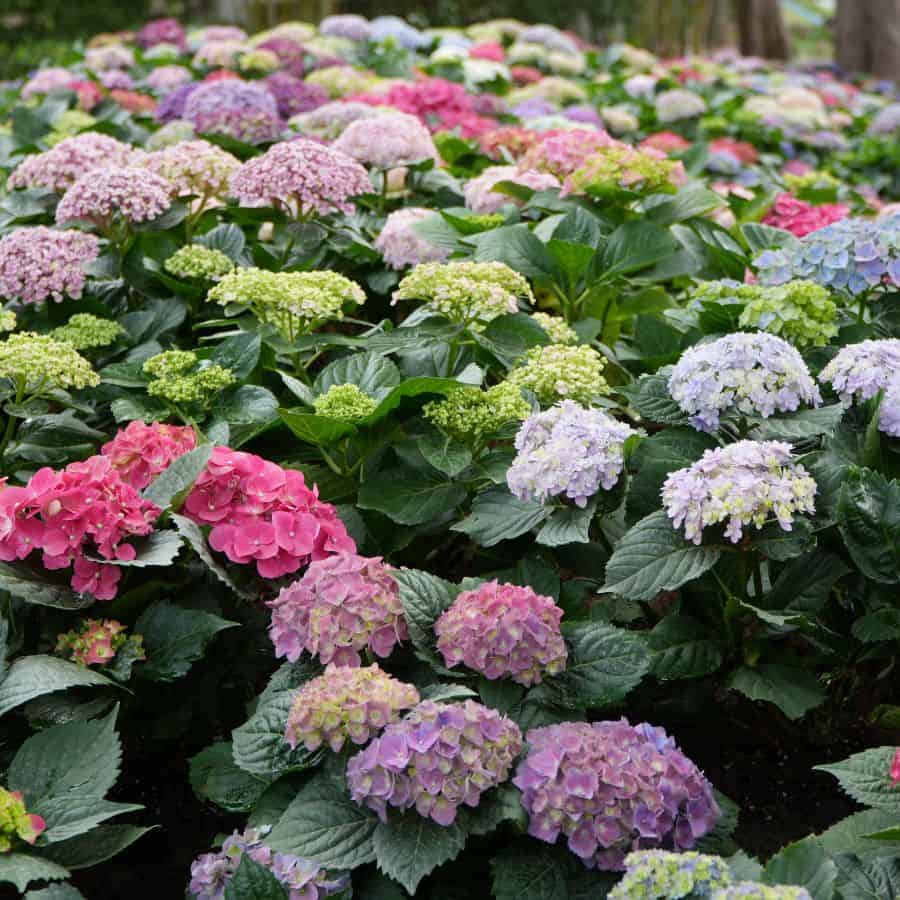
Studies show that properly fertilized hydrangeas show up to 40% better cold tolerance during harsh winters!
Want to go organic? Coffee grounds work wonders for blue hydrangeas, feeding the soil while gradually lowering pH. Just don’t overdo it. Hydrangeas aren’t actually caffeine addicts!
3. Frost Protection (The Winter Armor)
Your hydrangea’s buds are as delicate as fine china, and just as easily shattered by frost.
A sudden temperature drop can transform next year’s blooms into brown, lifeless nubs in just one night!
When frost threatens, be ready with breathable covers like burlap or specialized plant blankets.
Avoid using plastic, which traps moisture and causes more harm than good. It’s like putting your plants in a rain jacket with no ventilation. They’ll suffocate!
For smaller hydrangeas, the tomato cages you’ve stored away can serve as the perfect frame for draping protective cloth, creating a snug frost shelter that won’t crush delicate branches.
4. Blue Hydrangea Special Ops (pH Management)
Blue hydrangeas are the divas of the garden world; absolutely stunning but demanding special treatment. Their vibrant blue color doesn’t happen by accident; it requires soil with a pH between 5.2 and 5.5.
Fall is the perfect time to adjust your soil pH for next season’s color show. For more intense blue blooms, add aluminum sulfate to the soil according to the package directions.
Your hydrangeas will thank you with a vibrant color display that looks like they’ve been painted by an artist!
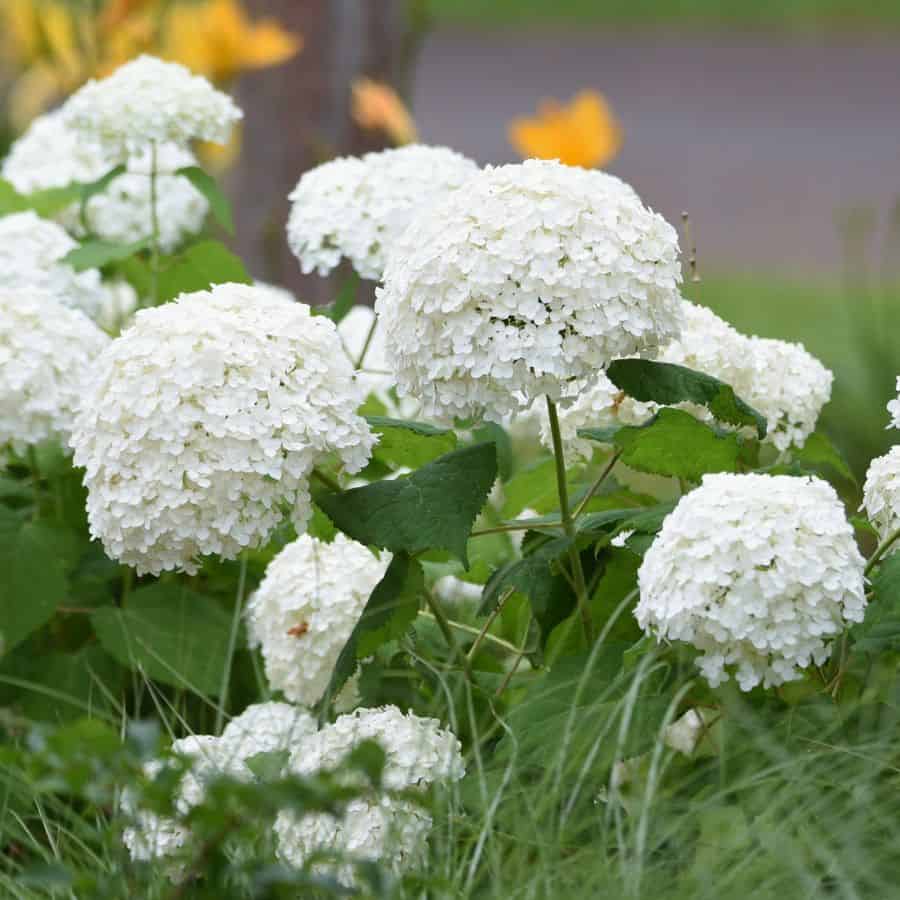
Remember that this pH adjustment is specifically for bigleaf and mountain hydrangeas.
Other varieties won’t change color no matter how much you adjust the soil. They’re committed to their natural shade!
The Bare-Stick Dilemma: Save or Prune?
When your hydrangea looks like a collection of sad, leafless twigs, your first instinct might be to cut it back.
Resist the urge! Those seemingly lifeless sticks contain the life force for next year’s flowering spectacle.
The difference between amateur and pro plant parents is simply knowing how to do the “scratch test.”
Take your fingernail and gently scratch a small area on a stem. If you see green underneath, your plant is healthy. Just resting until spring’s grand revival.
Even if the tips appear dead, the lower portions of stems often survive. Wait until new growth appears in spring, then carefully prune just above the highest set of healthy buds. Your patience will be rewarded with a vibrant, flourishing comeback!
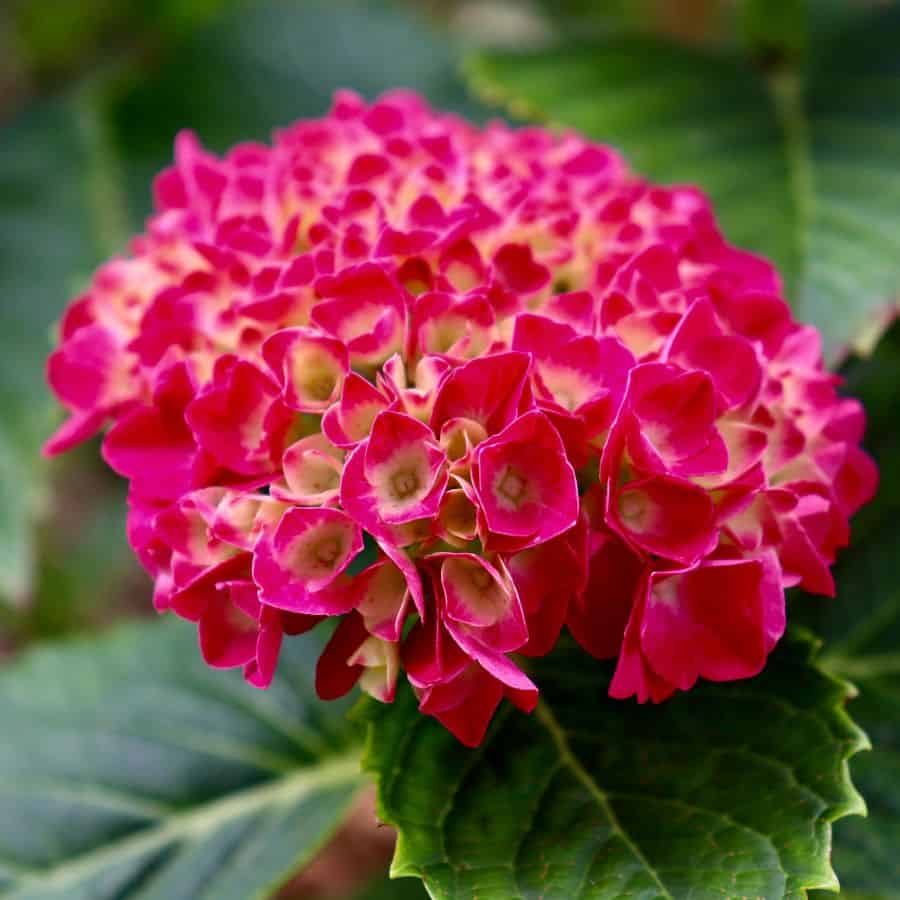
Final Thoughts: Your Fall Hydrangea Success Plan
Hydrangeas might seem high-maintenance, but think of them as the garden equivalent of a luxury car; worth every bit of special care for the spectacular performance they deliver.
By avoiding fall pruning and following these four simple tasks, you’re setting the stage for a breathtaking display that will be the envy of your neighborhood.
Remember: mulch generously, fertilize strategically, protect from frost, and give those blue varieties some extra pH attention.
Your future self will be sending thank-you notes when spring arrives, and your hydrangeas burst into their most spectacular blooming performance yet!