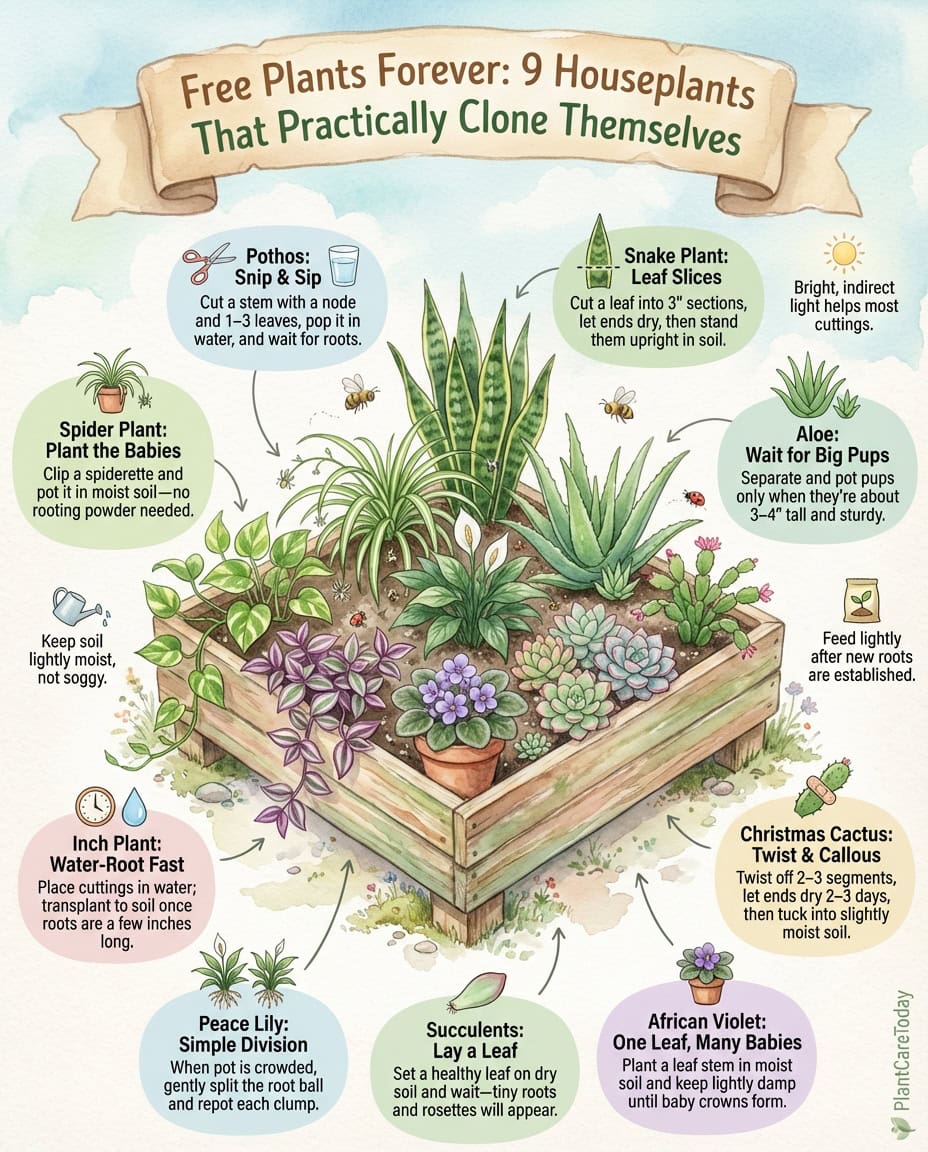
Ever felt a little guilty about spending $30 on another houseplant? Here’s something most people don’t realize: you could fill your space with plants without buying another one.
Certain houseplants are surprisingly easy to multiply with very little effort from you.
Anyone Can Learn to Propagate Plants
Propagation sounds complicated, but with the right plants, it’s really just snip, dip, and wait.
According to the University of Florida, propagating your own plants can save the average plant enthusiast over $200 annually. That’s real money back in your pocket.
Here’s the thing: not all plants are easy to propagate. Trying to multiply the wrong plant is frustrating and rarely works. These nine plants, though, are eager to grow and really simple to multiply.
The 9 Easiest Plants to Propagate
1. Pothos: The Best Starting Point
Botanically known as Epipremnum Aureum, this vining plant is probably the easiest place to start.
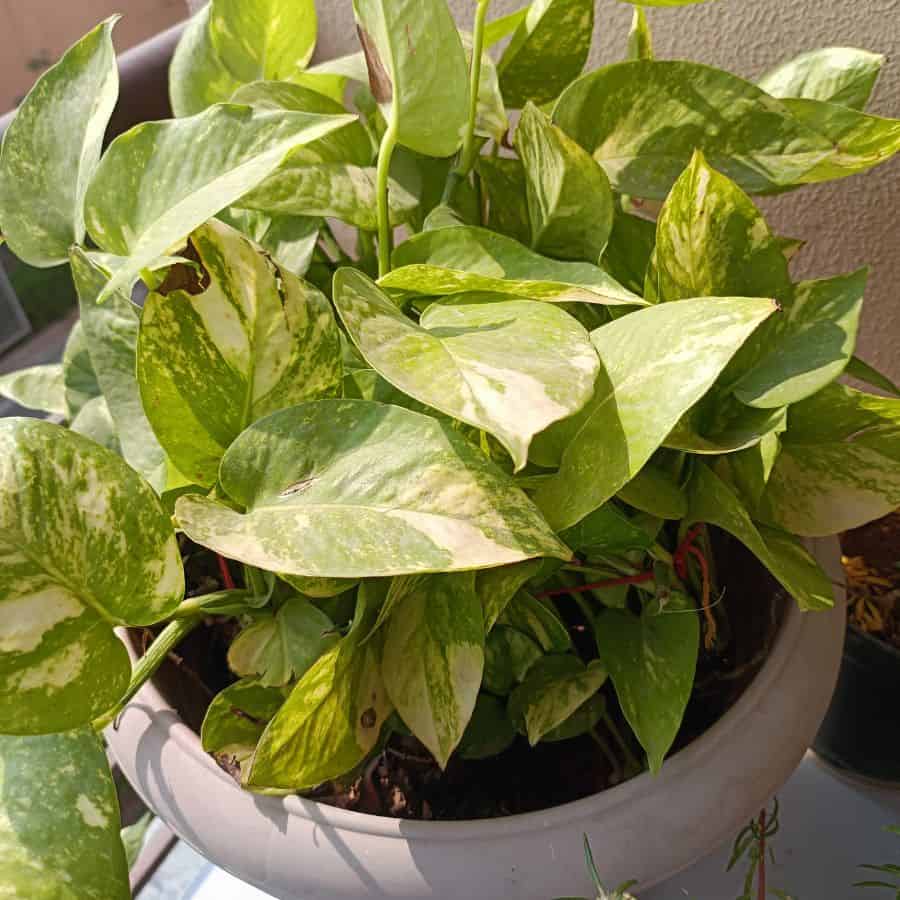
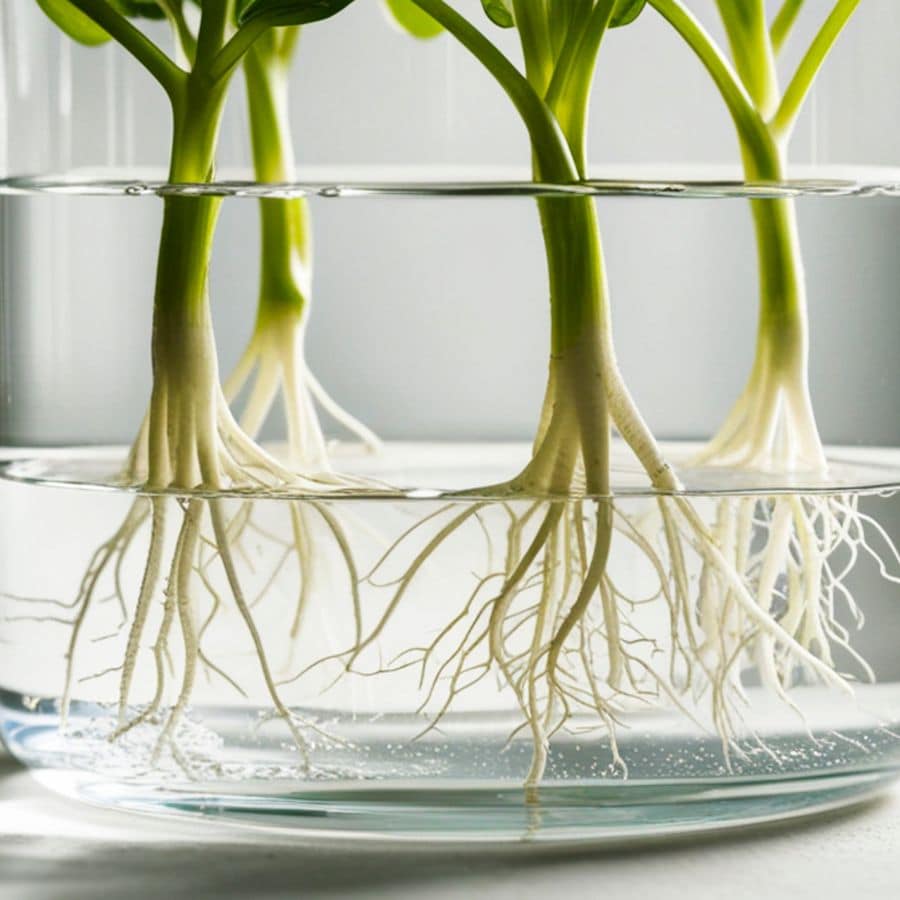
Cut a piece with at least one node, put it in water, and watch roots appear within days. For faster results, choose pieces with at least 2-3 leaves.
If you can’t get a pothos to root, you might want to stick with plastic plants!
2. Spider Plant: Does Half the Work for You
Chlorophytum Comosum doesn’t just clean your air—it basically hands you baby plants.
Those hanging “spiderettes” are ready-made babies just waiting to be planted. While a bit trickier than others on this list, the success rate is still around 90%.
3. Inch Plant: The Fast One
Tradescantia (inch plant) roots faster than you’d expect. These colorful trailing plants root so quickly in water that you can actually watch it happen.
Within 7-10 days, you’ll have roots strong enough to move to soil.
4. Snake Plant: Nearly Indestructible
Sansevieria isn’t just hard to kill. It’s also easy to multiply. Cut a leaf into 3-inch sections (remember which end was up), let the cuts dry for a day, then plant in soil.
Snake plants are so tough they’ll root in both water and soil.
5. Aloe Vera: Natural Baby Maker
Beyond its healing properties, Aloe barbadensis Miller produces “pups.” Baby plants that grow from the base. You can gently separate and replant these when they reach about 3-4 inches tall.
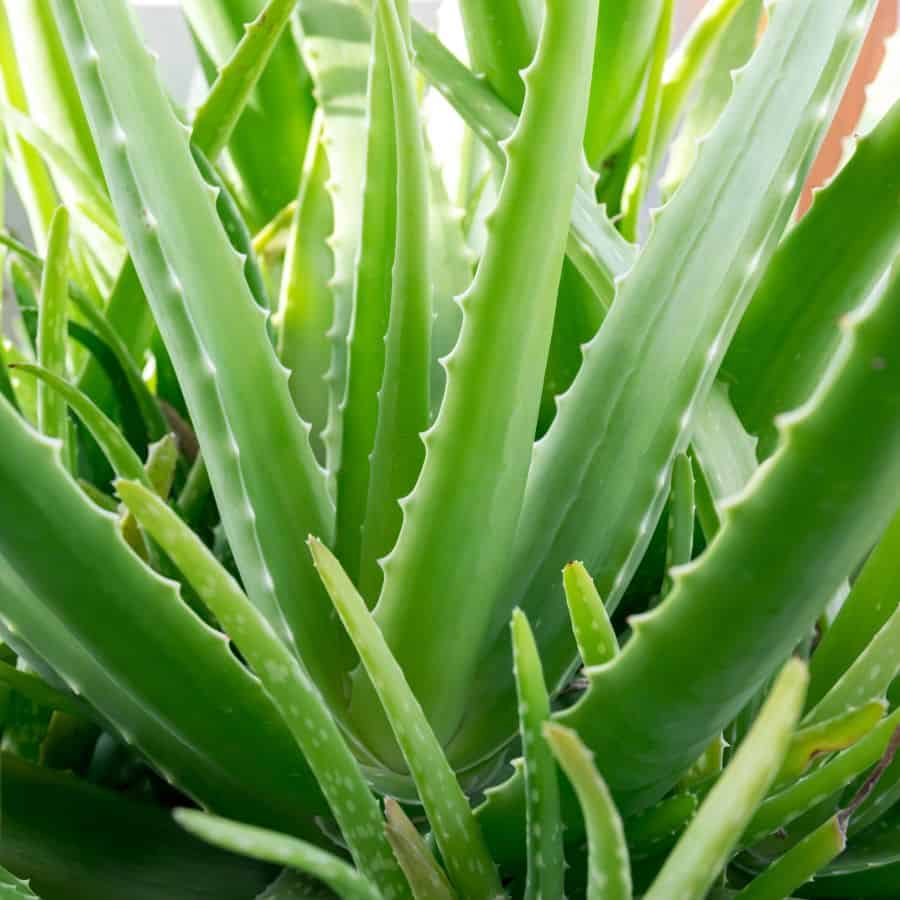
The biggest mistake people make is separating pups too early. Waiting longer gives you stronger plants.
6. Christmas Cactus: Easy Year-Round
Schlumbergera brings joy any time of year. Simply twist off a piece with 2-3 sections, let it dry for 2-3 days until the end forms a callous, then plant it in slightly moist soil.
These plants root at about 85% success rate, even for beginners.
7. Peace Lily: Just Divide It
Spathiphyllum doesn’t just purify your air. It’s also generous with growth. Unlike others on this list, peace lilies multiply through division.
When your plant outgrows its pot (usually every 1-2 years), gently separate it into smaller plants during repotting. Each section with roots will grow into a full plant.
8. Succulents: The Simplest Method
Succulents are telling you something: “We’re really easy to multiply.” A single leaf lying on soil can become an entire plant. This is propagation at its simplest, almost like magic.
Research shows succulent leaves can develop both roots and shoots from the same tissue, making them natural propagators.
9. African Violets: Takes Time But Worth It
Saintpaulia requires more patience but gives great results. A single leaf cutting in moist soil will eventually grow roots and then tiny baby plants.
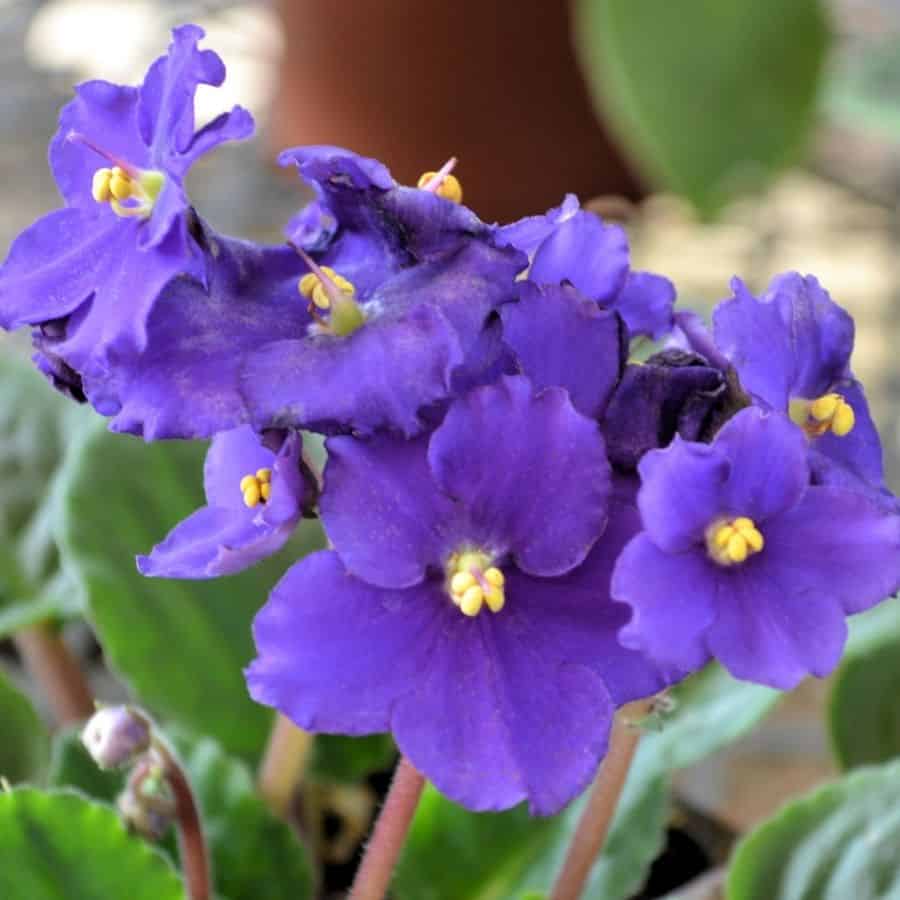
The real difference between new and experienced plant owners is patience. It can take 2-3 months to see growth, but one leaf can produce several new plants.
How to Get Started
• Water propagation: For pothos, inch plant, and spider plant. Place cuttings in water until roots are 1-2 inches long
• Soil propagation: For succulents and snake plants. Let cuttings dry out, then place them in slightly moist soil
• Division: For peace lilies and aloe. Gently separate established plants at the roots
• Leaf propagation: For African violets. Place a single leaf cutting in the soil and keep it moist
The real trick to successful propagation isn’t having a green thumb. It’s choosing plants that naturally want to multiply. These nine varieties are basically programmed to make more of themselves with minimal help from you.
Next time you admire a friend’s healthy pothos or full spider plant, don’t just say it looks nice; ask for a cutting. Your plant collection (and your wallet) will thank you.