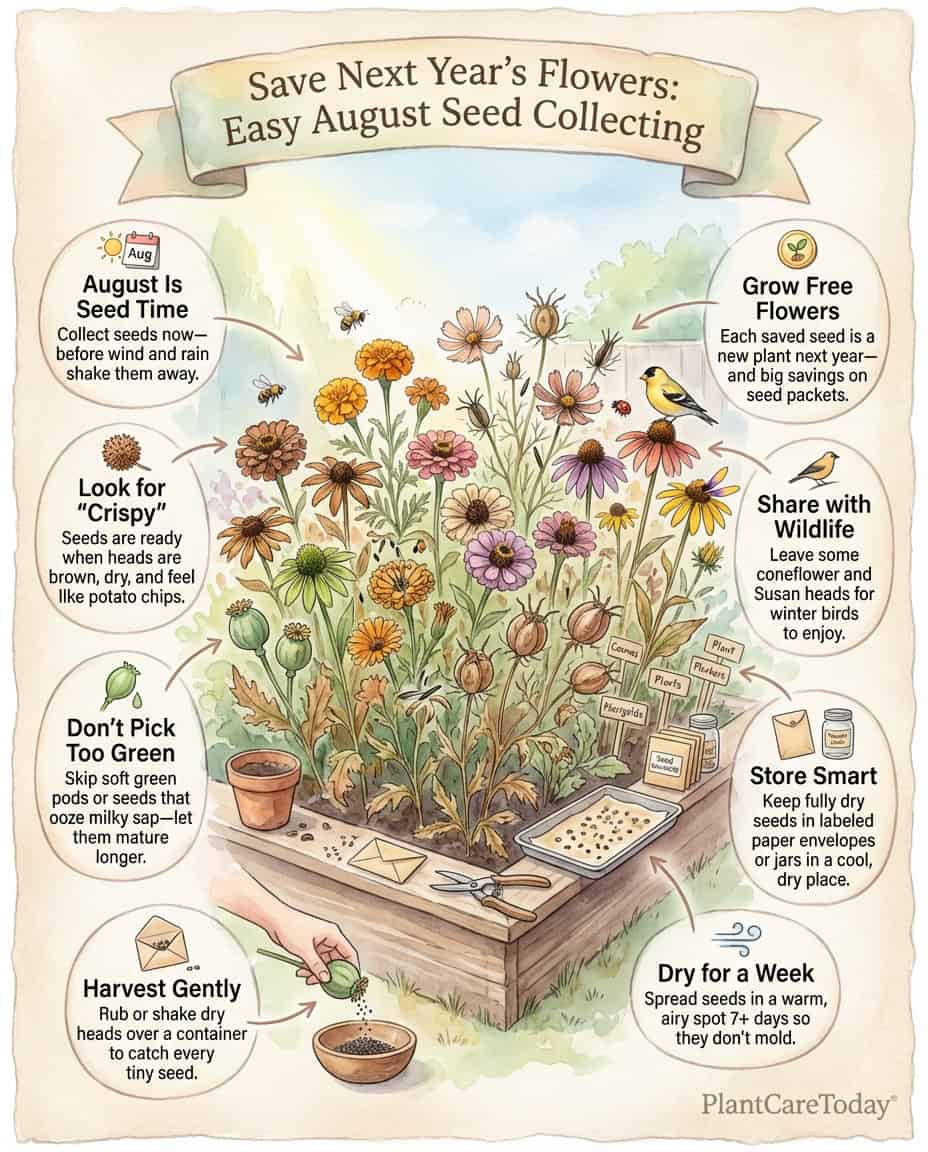
Did you know the average gardener can save over $100 each year just by harvesting their own flower seeds?
August is when most annual and perennial flowers have mature seeds ready to collect before nature takes them away. It’s a good time to collect seeds for next season’s free flowers.
Why August Is Your Seed-Saving Sweet Spot
You don’t need to wait until fall to harvest seeds. August is actually when most flowers have perfectly mature seeds ready for collection. The seeds are just right; not too green and not yet scattered by autumn winds.
The real issue with waiting too long is that you can lose everything to a single gusty day. August gives you a reliable window before the weather turns unpredictable.
(I once lost an entire collection of zinnia seeds because I waited just one more week. Don’t make the same mistake.)
Signs Seeds Are Ready
Your flowers will tell you when they’re ready to harvest. Here’s what to look for:
Seeds are ready when:
• Seed heads are bone-dry and crispy (like potato chip texture)
• Flower stems and heads have turned brown
• Seeds pop out easily with a gentle touch
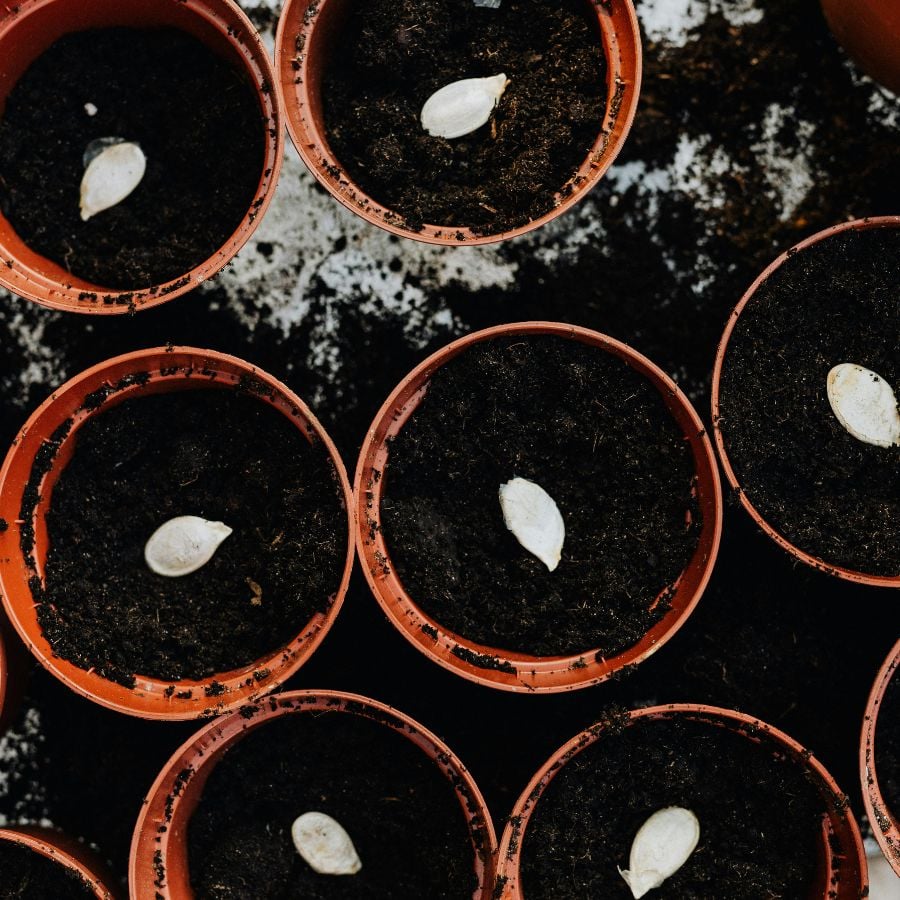
Wait, if you see:
• Green, soft pods
• Seeds with a milky substance when squeezed (they’re not mature yet)
What matters most for successful seed collecting is timing and patience. Never store seeds that haven’t completely dried, or you’ll end up with mold instead of next year’s garden.
8 Flower Seeds to Collect This Month
1. Marigold
These produce black arrow-shaped seeds tucked at the base of dried petals. Simply pull apart the crispy flower heads, and you’ll find dozens of seeds ready for next year’s pest-repelling plants.
2. Zinnia
A single zinnia flower can produce up to 100 seeds. Look for the center cone to turn brown and dry; that’s your signal. Each little arrowhead-shaped seed hides behind the base of what was once a petal.
3. Cosmos
These are enthusiastic self-seeders. Their long, thin black seeds stick out from the flower head like tiny wands. Harvest these promptly unless you want cosmos everywhere next year.
4. Nigella (Love-in-a-Mist)
The seed pods look pretty unusual. When these pods turn brown and crispy, snip them off and let them finish drying indoors.
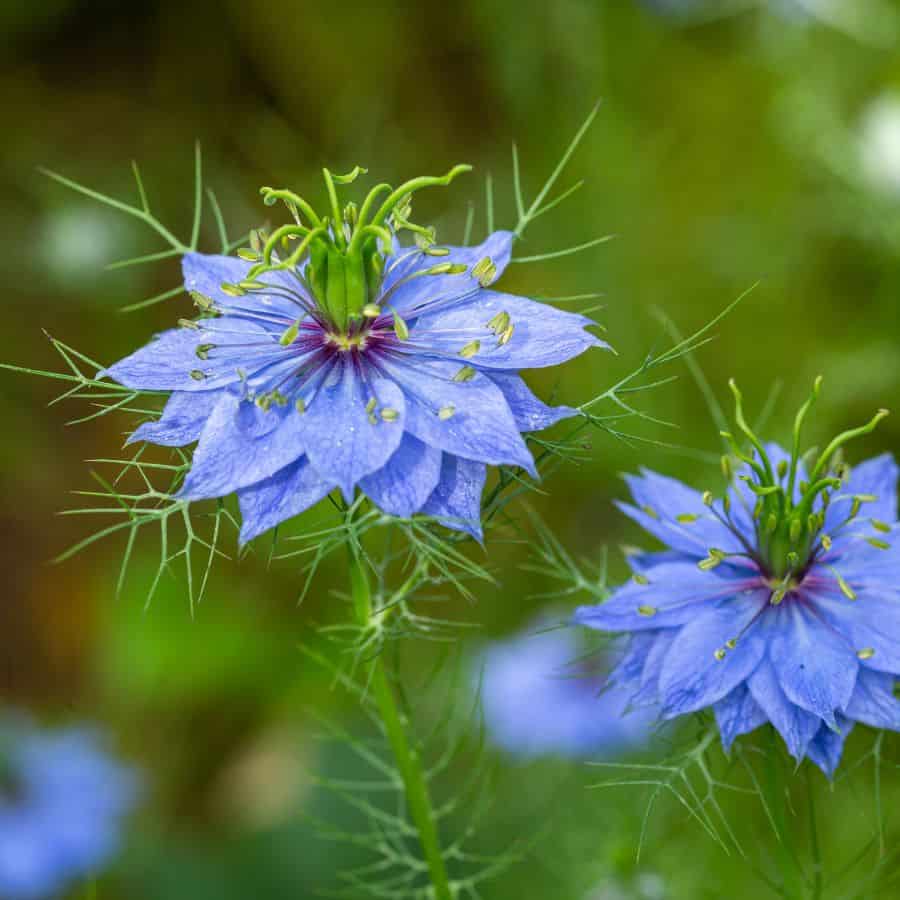
Even if you forget, these flowers will happily reseed themselves, perfect for low-maintenance gardening.
5. Calendula
Calendula produces some of the strangest-looking seeds – they resemble dried, curved worms. Wait until the flower base starts falling apart naturally, usually by mid-August. That’s your cue to collect these odd but useful seeds.
6. Coneflower (Echinacea)
The brown centers of coneflowers are full of seeds. Let them dry completely on the stem until they’re crisp. Pro tip: wear gloves for harvesting these prickly ones. And leave some standing. Goldfinches love to feed on these seeds during winter.
7. Poppy
Poppies have natural seed pods that work like salt shakers. They’ll rattle when ready. Simply cut the dried pods and turn them upside down over a container. They’ll release hundreds of tiny seeds with just a gentle shake.
8. Black-Eyed Susan
Like coneflowers, black-eyed Susans store their seeds in the central cone. Patience matters here. Harvest only when the cone is completely dry and crisp.
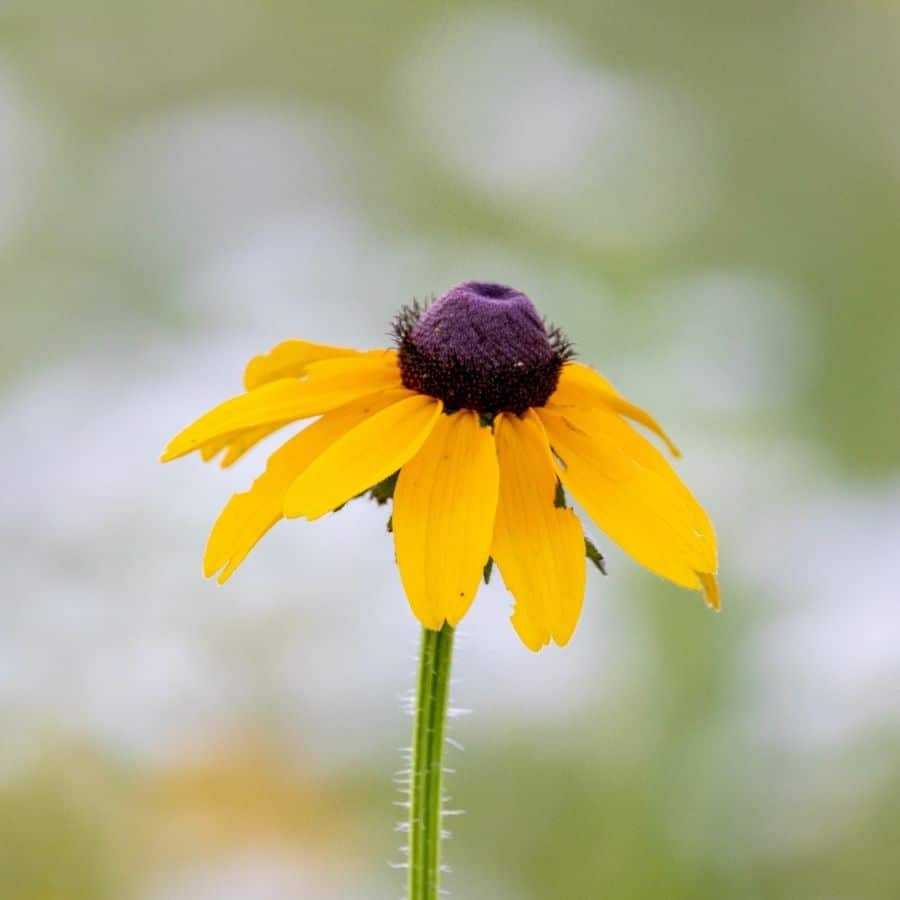
Then simply rub it between your fingers to release hundreds of tiny seeds. If it feels even slightly soft, wait longer.
The Most Important Rule of Seed Saving
The biggest mistake people make is rushing the drying process. After harvesting, let your seeds air-dry completely in a warm, dry location for at least a week before storing them in paper envelopes or glass jars.
Here’s something to consider: while you’re collecting seeds for next year, leave some flower heads standing. They’ll provide winter food for birds and create nice structural interest in your winter garden.
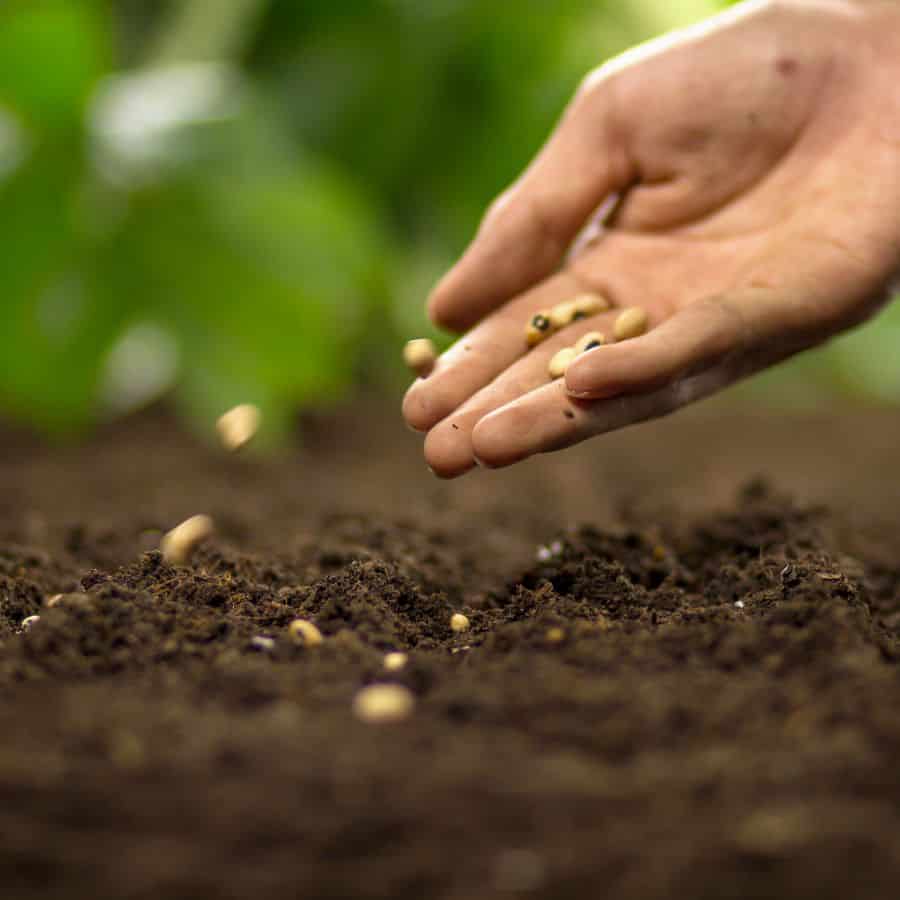
The difference between new and experienced gardeners is simple: experienced gardeners never pay for the same flower twice.
Start your seed-saving journey this August and watch your garden grow more beautiful and budget-friendly each year.