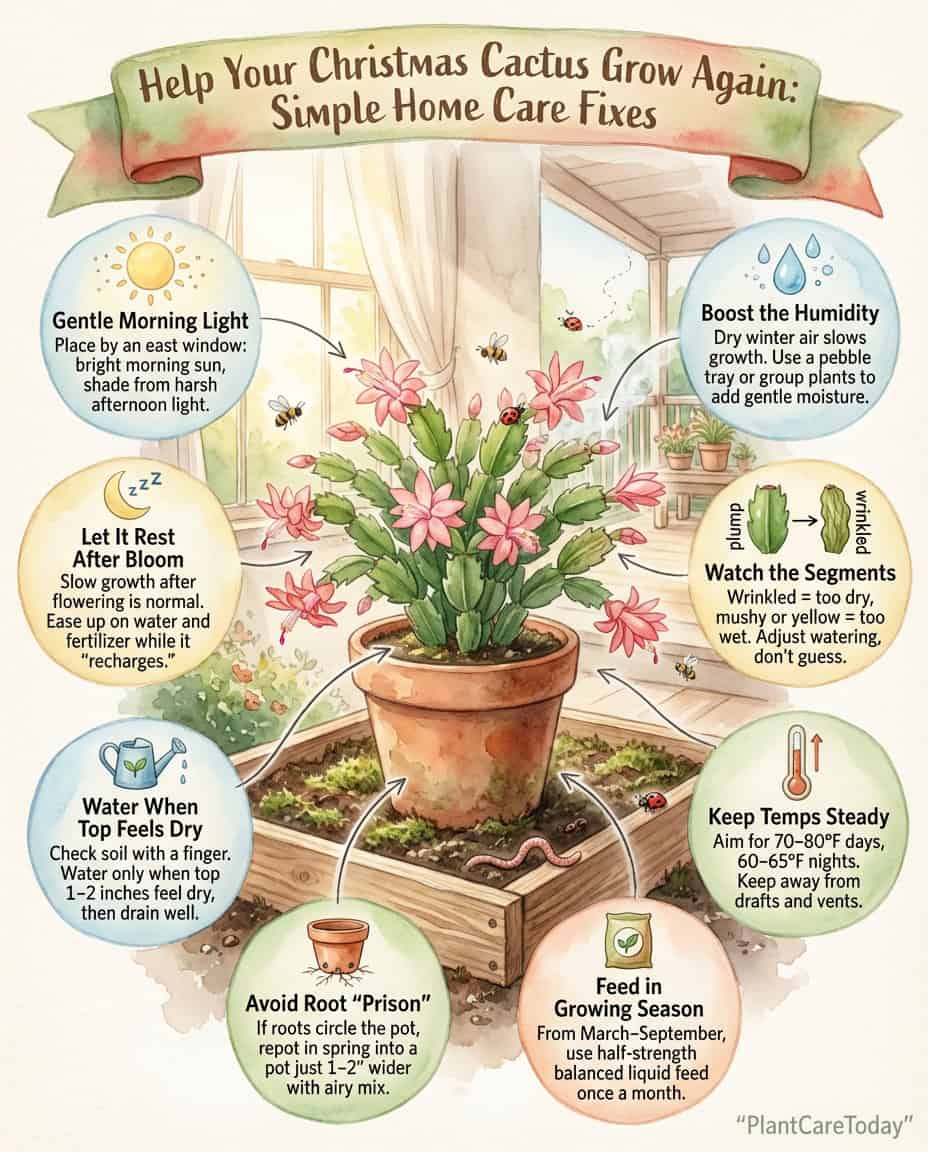
Is your Christmas cactus sitting there like a stubborn teenager refusing to grow? You’re not alone!
That tropical diva with its dramatic blooms might be sending you an SOS with its silence.
Forget what you’ve heard about these plants being “low maintenance.” Your Christmas cactus is trying to tell you something important through its sluggish growth.
Let’s crack the code on why your festive friend is giving you the cold shoulder and how to spark a serious growth revival.
The Secret Calendar Your Christmas Cactus Lives By
I was shocked to discover that many Christmas cactus owners panic when their plant takes a growth vacation after flowering.
Here’s the truth: these Brazilian rainforest natives operate on their own schedule, and sometimes “doing nothing” is exactly what they’re supposed to be doing!
Your cactus follows three natural phases:
- Active growth mode: Spring through early fall (time to party!)
- Rest period: Post-bloom, typically late winter (beauty sleep time)
- Budding and blooming: Fall into winter (the grand performance)
If your plant just finished its holiday light show and isn’t pushing out new segments, it’s not being lazy. It’s recharging!
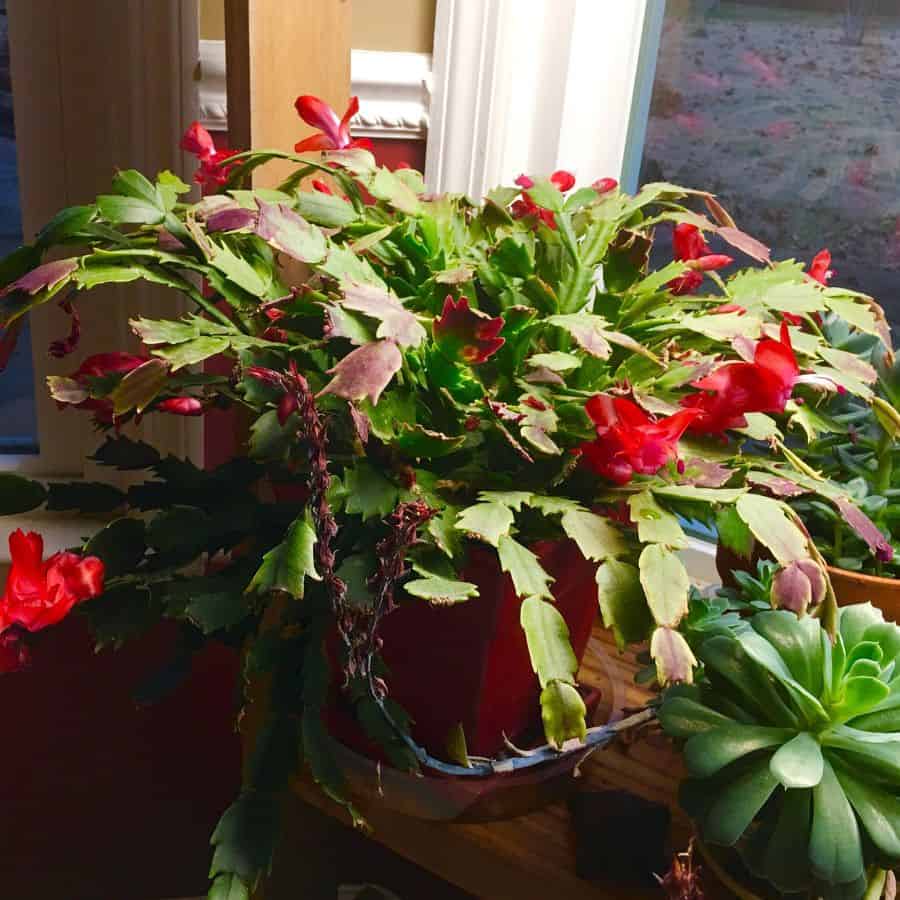
Did you know that forcing growth during this rest period can actually reduce next year’s blooms by up to 50%? Let your plant hibernate!
Light Drama: Is Your Cactus Living in the Shadows?
The game-changer for your Christmas cactus isn’t what you think. Despite the “cactus” in its name, this plant is about as far from a desert dweller as Ryan Reynolds is from being an actual Deadpool.
These are tropical forest plants that cling to tree branches under dappled sunlight.
When light levels drop too low, your plant essentially goes into energy-conservation mode, like trying to run a marathon on a single granola bar.
Without enough photosynthesis happening, new growth simply can’t materialize.
The brilliant fix:
- Position near an east-facing window (morning sunshine is like coffee for your cactus)
- Keep away from harsh afternoon sun (which can leave it with the plant equivalent of a sunburn)
- If your home is naturally dim, add 8-10 hours of grow light exposure
Pro tip: That reddish-purple tint on your cactus segments? It’s basically plant sunscreen, a sign it’s getting a bit too much direct light!
The Watering Tightrope: Too Much, Too Little, or Just Right?
Most people make this mistake with their Christmas cactus: treating it like a desert plant when it’s actually a rainforest dweller!
Imagine wearing a winter coat in summer; that’s how uncomfortable improper watering makes your plant feel.
When overwatered, roots suffocate and rot. When underwatered, the plant can’t transport nutrients. Either way, growth screeches to a halt faster than a car hitting black ice.
Spot the warning signs:
- Overwatered: Segments turn mushy or yellow; might smell funky
- Underwatered: Segments look shriveled or wrinkled like a raisin
The watering sweet spot? Only when the top 1-2 inches of soil feel dry to the touch. Think of it like the Goldilocks approach; not too wet, not too bone dry, but juuuust right.
Root Prison: When Your Cactus Needs a Bigger Home
Your Christmas cactus might be suffering from the plant equivalent of trying to grow in skinny jeans two sizes too small.
If it’s been in the same pot for years, those roots are likely circling around like they’re stuck in a traffic roundabout.
How can you tell? Gently slip the plant from its pot. If you see more roots than soil, or roots spiraling around the bottom, your plant is screaming for an upgrade!

The repotting rescue plan:
- Repot in spring (right before active growth season)
- Choose a container only 1-2 inches larger in diameter
- Use a light, airy mix – think 40% potting soil, 30% perlite, 30% orchid bark
- Add a tablespoon of worm castings for a nutrient boost
(And whatever you do, don’t repot during flowering season; that’s like being asked to run a marathon while moving houses!)
Nutrient Starvation: Your Plant’s Cry for Fertilizer
The difference between amateur and pro plant parents is simply knowing when and how to feed.
A Christmas cactus growing in depleted soil is like trying to build muscle without protein. It just won’t happen!
If your plant hasn’t been fed in ages, it might be literally starving for nutrients. Surprisingly, a properly fertilized Christmas cactus can produce up to 30% more segments annually than an unfed one.
The feeding formula for success:
- Use balanced liquid fertilizer (10-10-10) at half strength
- Feed monthly from March through September
- Stop feeding 6 weeks before expected blooming
- Try this secret boost: a pinch of Epsom salt every 8 weeks for magnesium
Temperature Tantrums: Is Your Cactus Too Hot or Too Cold?
Your Christmas cactus might be having the plant equivalent of a bad hair day – every day, if temperatures are swinging wildly.
These tropical beauties hate temperature drama almost as much as they hate desert conditions.
When your cactus experiences temperature extremes, it basically goes into survival mode, shutting down new growth to conserve resources. Think of it as your plant’s version of hibernation.
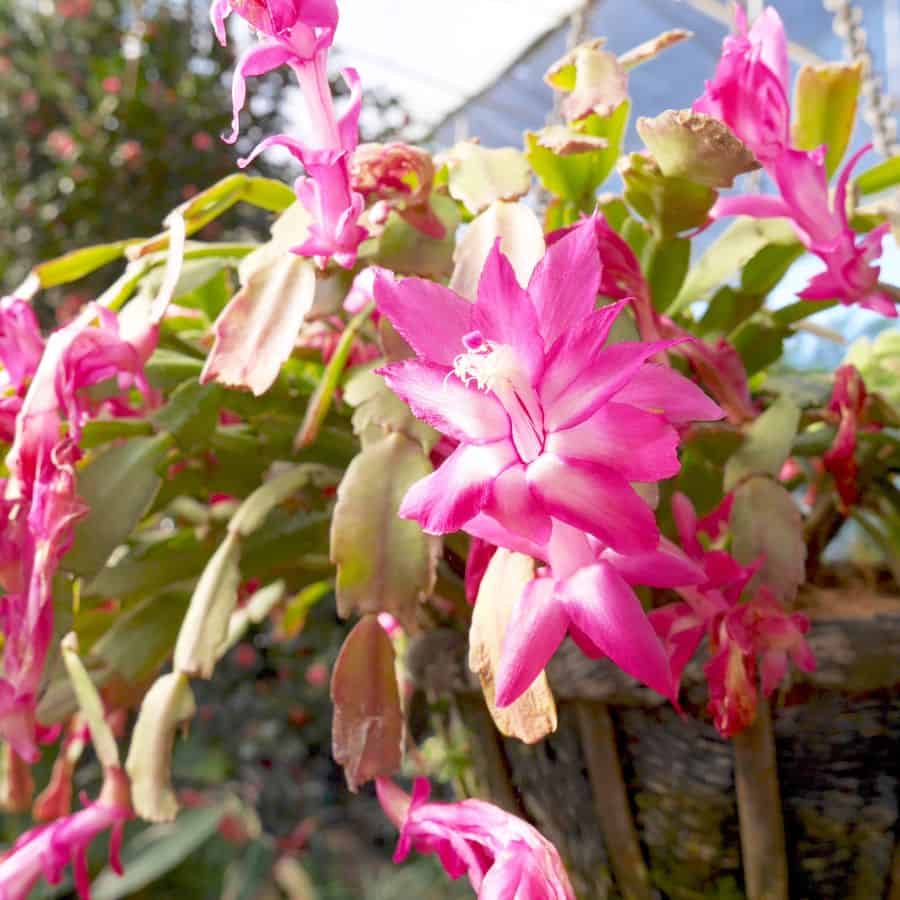
The temperature sweet spot:
- Daytime: 70-80°F (21-27°C)
- Nighttime: 60-65°F (15-18°C)
- Post-bloom rest: 55-60°F (13-15°C)
Keep your plant away from heating vents, drafty windows, and air conditioners. These create micro-climate rollercoasters that stress out your cactus faster than a horror movie marathon.
Humidity Heroes: The Missing Moisture Magic
The secret most plant experts won’t tell you is that dry air is silently sabotaging your Christmas cactus growth.
In their native Brazilian rainforests, these plants enjoy 70-80% humidity, basking in misty air while clinging to tree branches.
Meanwhile, the average home in winter hovers around 30% humidity, about as moist as a saltine cracker! This moisture gap forces your cactus to conserve energy rather than produce lush new growth.
Humidity-boosting tactics:
- Create a pebble tray with water beneath your plant (no root contact!)
- Group plants together to create a mini moisture microclimate
- Mist occasionally with filtered water in the morning
- Keep air circulating to prevent fungal issues
The Growth Kickstarter: Strategic Pruning
Here’s a counterintuitive growth hack: sometimes cutting your plant back actually makes it grow more vigorously!
Think of pruning like giving your Christmas cactus a motivational speech. It stimulates dormant growth points to spring into action.
A gentle spring trim can transform a leggy, sparse plant into a lush, full specimen within months. Plus, those cuttings can become brand new plants. It’s like getting free Christmas cacti!
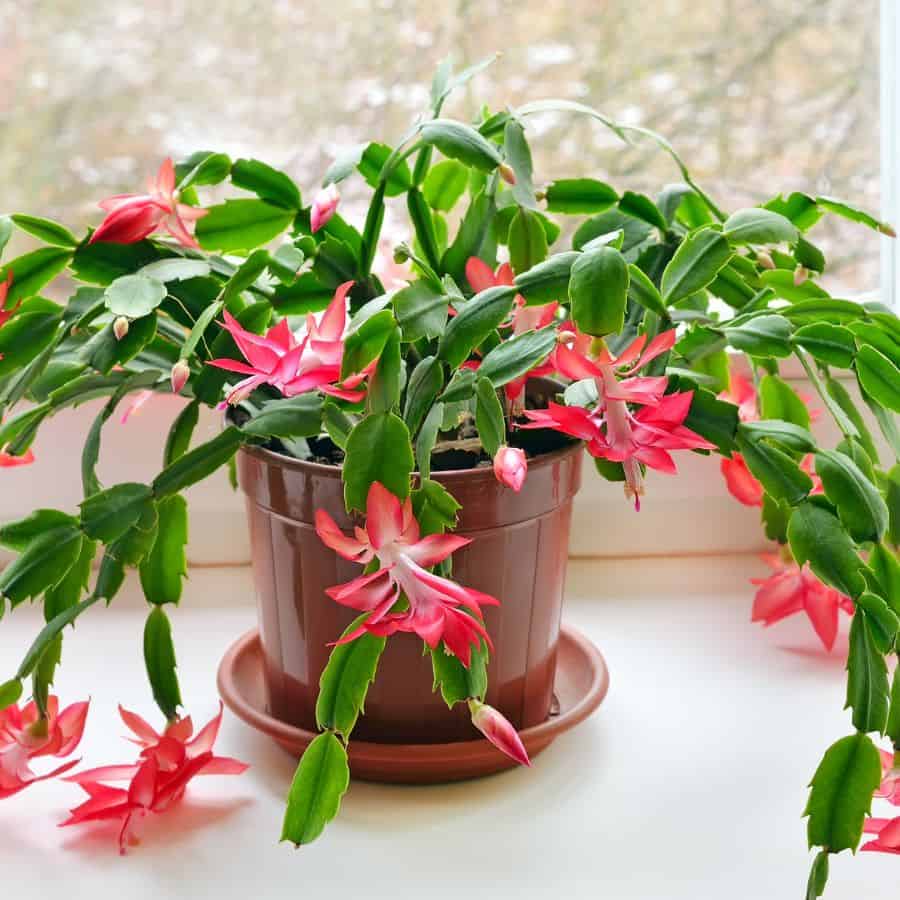
The pruning prescription:
- Trim in late spring (after the rest period)
- Remove 1-2 segments from selected stems
- Use clean scissors or simply twist segments at the natural joints
- Let the cuttings dry for 24 hours before planting them
Within 2-3 weeks after pruning, you’ll notice tiny nubs forming at cut points. These are baby segments preparing to flourish!
Your 30-Day Growth Revival Plan
Ready to transform your stagnant Christmas cactus into a growth powerhouse? Follow this simple rescue routine:
- Week 1: Assess light, relocate if needed, check for root crowding
- Week 2: Establish a consistent watering routine, add humidity support
- Week 3: Apply the first round of diluted fertilizer if in the growth season
- Week 4: Prune strategically if it’s spring or early summer
With proper care, patience, and this insider knowledge, your Christmas cactus will be pushing out vibrant new growth before you know it.
Remember. These plants can live for decades and grow to spectacular sizes when their specific needs are met!