That pretty purple plant isn’t just for Instagram photos, folks. Lavender at your doorway is actually a centuries-old home hack with benefits so good you’ll wonder why nobody told you sooner.
I was shocked to discover that ancient Romans placed lavender at entryways to ward off evil spirits, but modern science explains why this tradition deserves a comeback in your home today.
The Secret Mood-Altering Power in Your Entryway
Forget what you’ve heard about expensive air purifiers and diffusers. The game-changer for your entryway isn’t what you think.
That humble lavender plant is secretly pumping out mood-transforming compounds with every gentle breeze.
Studies show lavender’s scent directly impacts the limbic system, the emotional center of your brain.
This is why walking past lavender creates an instant sense of calm. It’s like having a miniature spa treatment each time you come home!
(And between us? It’s the perfect subtle hint for that neighbor who always overstays their welcome!)
Your Natural Bug Bouncer: No Pests Allowed
Your lavender plant is trying to tell you something important: “I’m working security at your door!” Those fragrant oils that make lavender smell divine are actually a powerful pest defense system.
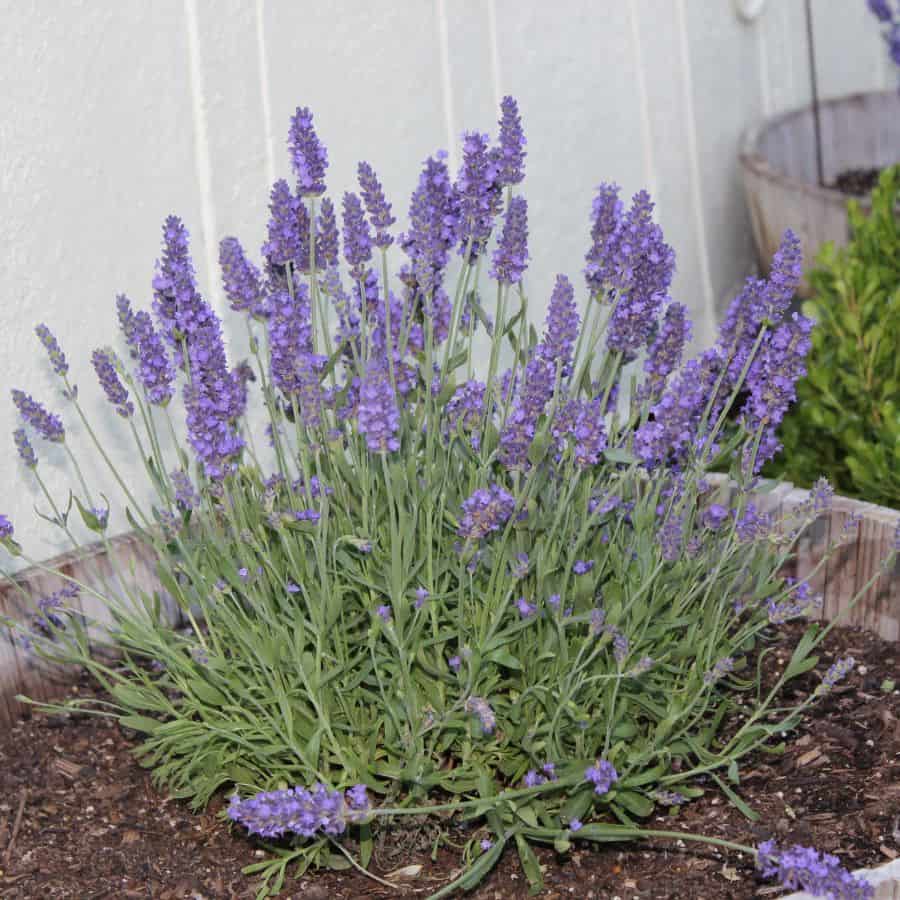
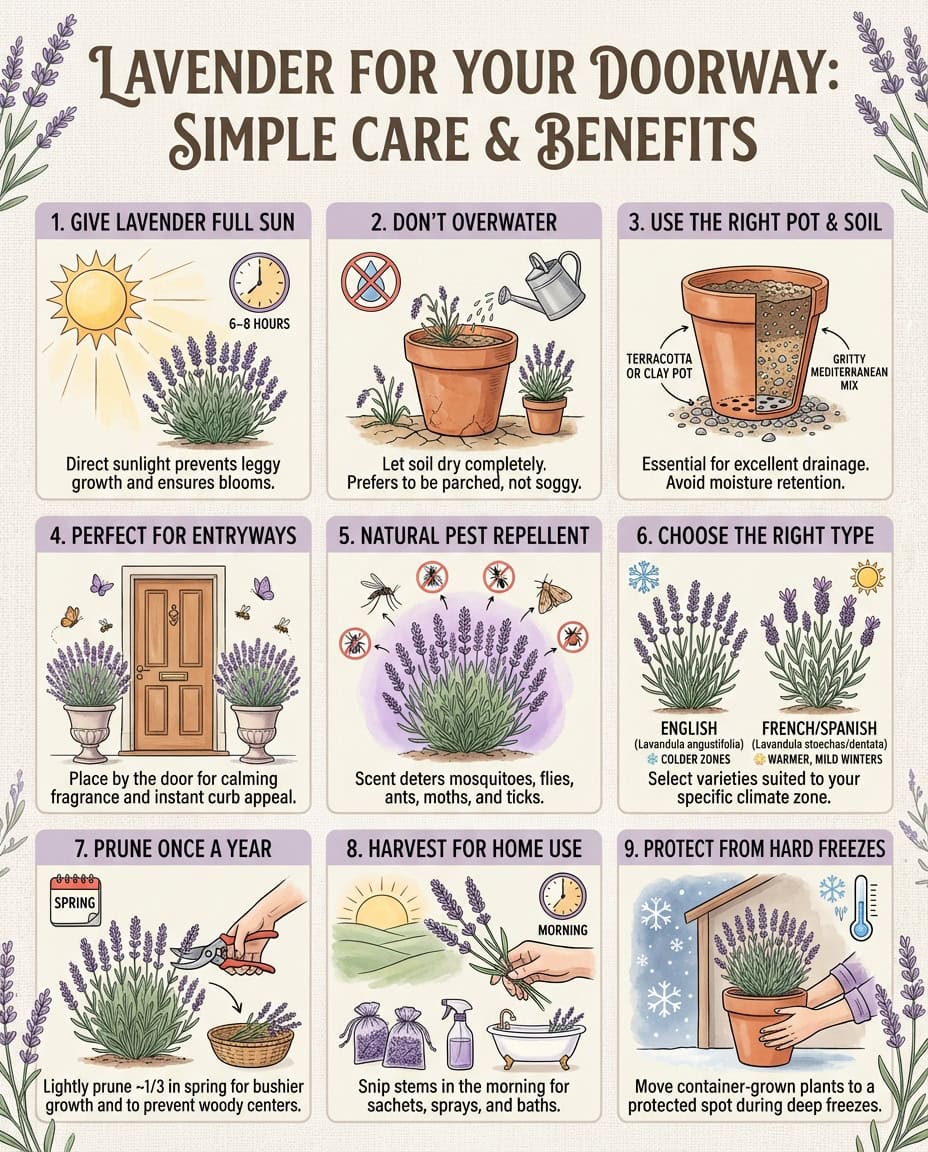
Lavender naturally repels:
- Mosquitoes (goodbye, summer swatting)
- Flies (no more kitchen invaders)
- Ants (your picnic’s best friend)
- Moths (clothes protector extraordinaire)
- Ticks (pet parents, rejoice!)
The secret most plant experts won’t tell you is that lavender does this job better than many chemical sprays without the toxic residue. It’s like having a bouncer who smells fantastic and works 24/7.
The Ancient Protection Symbol at Your Doorstep
Ever wondered why lavender feels so… special? Throughout history, this powerhouse plant has symbolized peace, protection, and purity.
Medieval Europeans hung it in doorways to guard against plague and misfortune.
In Feng Shui, lavender at the entrance is believed to:
- Filter negative energy
- Create harmony among household members
- Promote emotional healing and clarity
- Reduce tension and stress
Whether you’re spiritual or skeptical, there’s something undeniably powerful about continuing a tradition that’s survived thousands of years. Your doorway lavender becomes your home’s first line of emotional defense.
Curb Appeal That Stops Scrolling (and Traffic)
Most people make this mistake with their entryway: they forget it’s essentially your home’s profile picture. Lavender delivers dramatic visual impact with minimal effort.
Those striking purple-blue blooms against silvery-green foliage create the kind of contrast that makes photographers swoon. And unlike fussy flowers that collapse if you look at them wrong, lavender stands tall and proud like a botanical bodyguard.
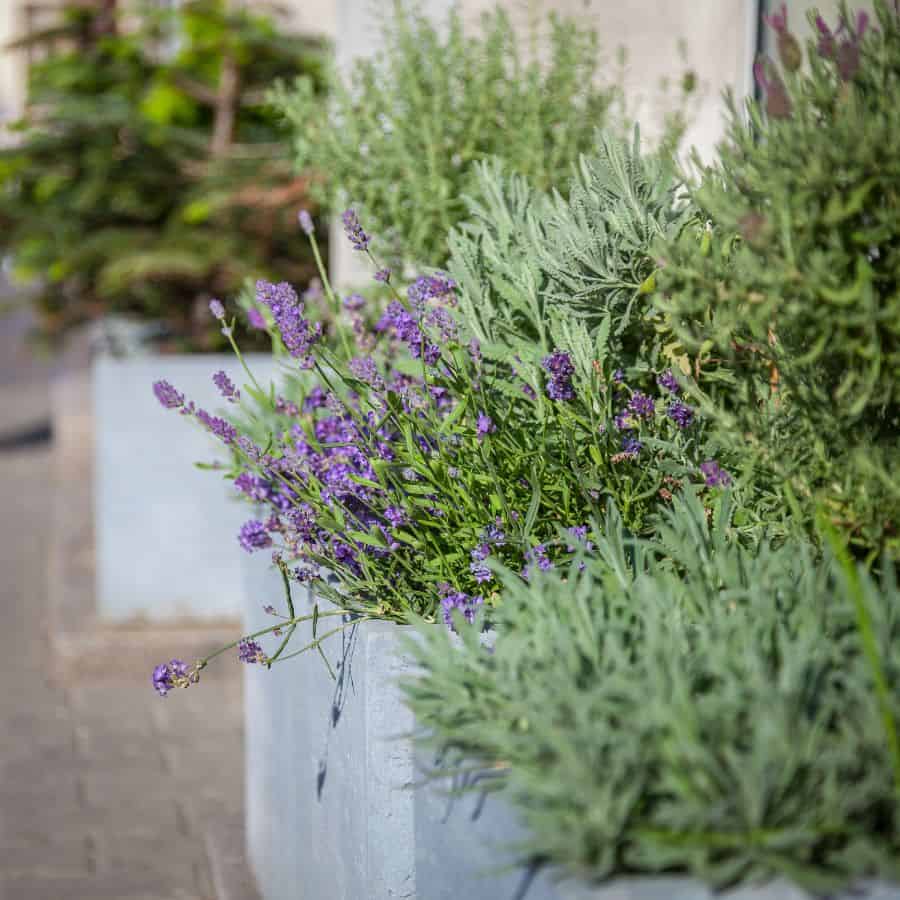
Plus, it attracts butterflies and bees, adding movement and life to your entrance. It’s like having nature’s welcome committee greet your guests!
The Low-Maintenance Miracle (Even Plant Killers Can’t Kill)
The difference between amateur and pro plant parents is simply knowing which plants forgive neglect. Lavender isn’t just tough. It actually prefers being ignored sometimes!
Here’s why lavender thrives where other plants surrender:
- Sun lover: Needs 6-8 hours of direct sunlight (perfect for that baking hot doorstep)
- Drought-resistant: Waters itself with morning dew in many climates
- Pest-resistant: Most bugs avoid it (no more aphid battles)
- Disease-resistant: Rarely suffers from common plant ailments
Overwatering is actually lavender’s kryptonite. This plant practically begs you to forget about it, making it perfect for busy people who still want a spectacular entryway.
Pick Your Perfect Lavender Partner
Not all lavender varieties are created equal. Choose your doorway guardian based on your specific needs:
- English Lavender (Lavandula angustifolia): The cold-hardy champion (survives down to zone 5). Best fragrance and most compact growth, perfect for tight spaces.
- French Lavender (Lavandula dentata): The showy superstar with frilly leaves and an extended blooming period. Less cold-tolerant but more dramatic.
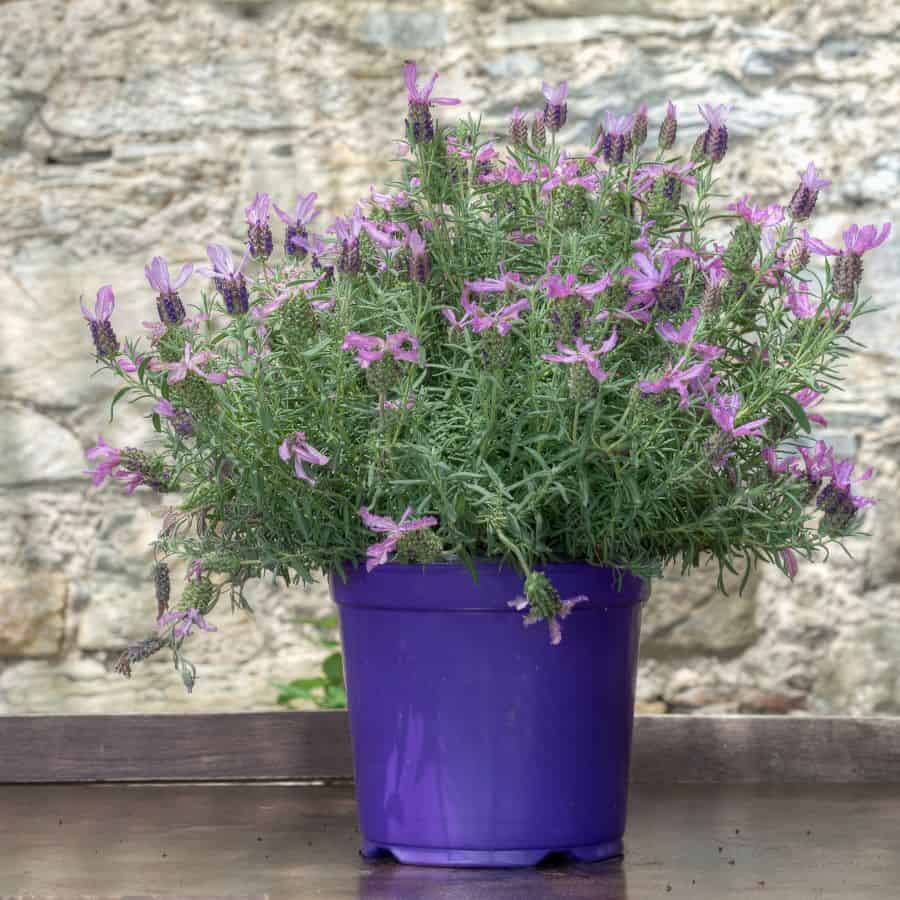
- Spanish Lavender (Lavandula stoechas): The conversation starter with distinctive “rabbit ear” flowers. Handles heat like a champ and blooms quickly.
Pro tip: If you live where winters drop below 10°F (-12°C), plant your lavender in a container so you can bring it indoors during harsh freezes.

Beyond Beauty: Your Doorway Lavender’s Hidden Talents
Your entryway lavender isn’t just a pretty face. It’s a multi-tasking miracle worker. Once established, you can harvest stems for:
- Natural drawer fresheners (goodbye, mothballs)
- Homemade linen spray (spritz on pillows for better sleep)
- Calming bath additives (spa day, anyone?)
- Culinary adventures (lavender shortbread will blow minds)
Harvest stems in the morning when essential oils are most concentrated. Cut just before flowers fully open for maximum potency.
The Ultimate Entryway Container Setup
For maximum impact and plant health, follow these container guidelines:
- Choose terracotta or clay pots (they breathe and prevent root rot)
- Ensure excellent drainage (add extra holes if needed)
- Use cactus or Mediterranean potting mix (regular potting soil holds too much moisture)
- Top with decorative pebbles to retain moisture and add polish
For a stunning arrangement that will make delivery drivers do a double-take, place matching lavender pots symmetrically on each side of your door. It’s like giving your entryway an instant architectural upgrade for less than $30.
Save Your Lavender: Troubleshooting Common Issues
Even this tough plant has a few kryptonite factors. Watch for these warning signs:
- Yellowing leaves: You’re drowning it! Let the soil dry completely between waterings.
- Leggy, sparse growth: Not enough sun or overdue for pruning.
- White powdery coating: Fungal issue from humidity. Improve air circulation.
- Woody, split center: Needs annual pruning to rejuvenate.
Remember: Lavender would rather be parched than soggy. When in doubt, don’t water!
Your Year-Round Lavender Action Plan
Keep your doorway defender flourishing with this seasonal maintenance schedule:
- Spring: Prune back by 1/3, apply light compost, move outdoors if wintered inside
- Summer: Water only when the top 2 inches of soil are completely dry
- Fall: Light pruning to shape, stop fertilizing
- Winter: Move containers to a protected area if below zone 7
With minimal care, your entryway lavender can thrive for 5-10 years, making it one of the best plant investments for your home.
So what are you waiting for? That empty space by your door is practically begging for this protective, pest-repelling, mood-boosting botanical superhero. Your lavender entryway revolution starts with just one plant!