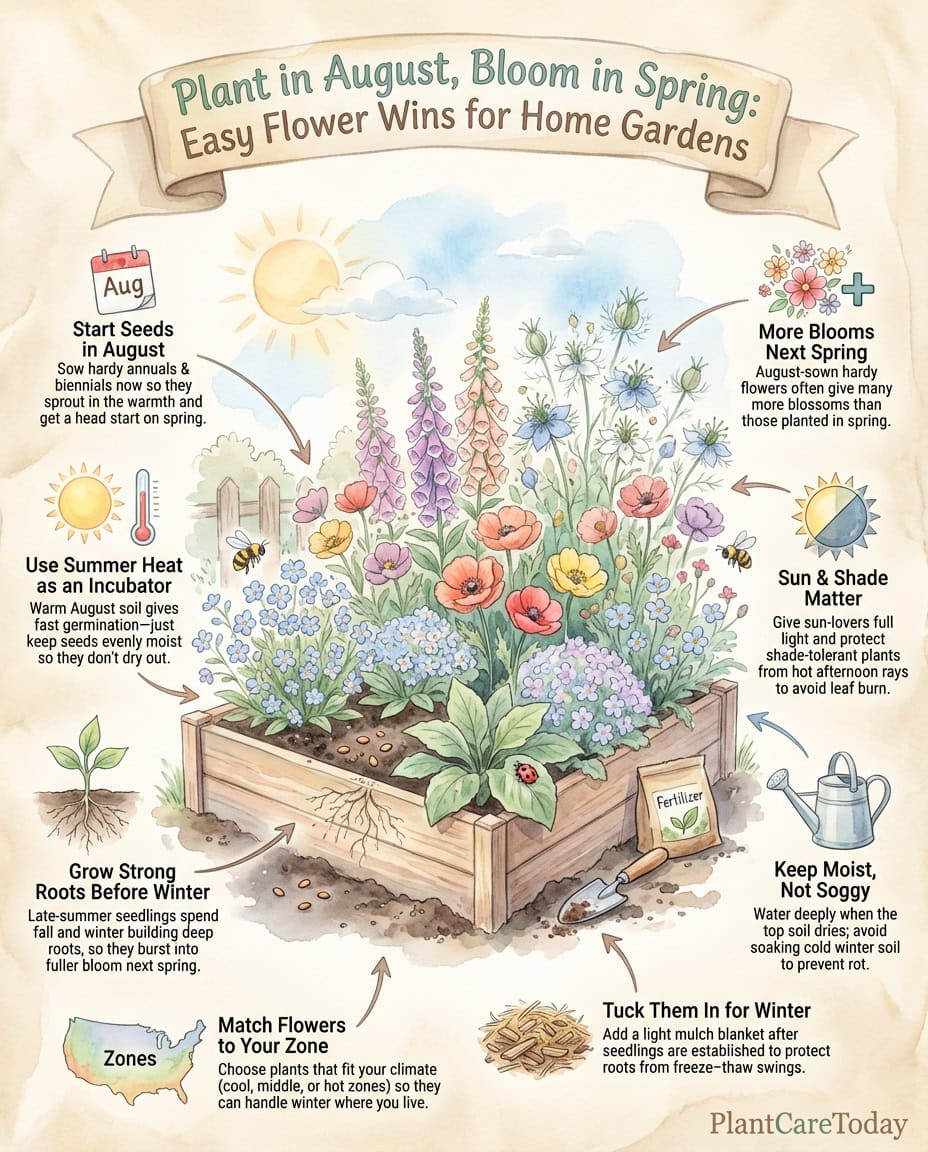
Think August is too hot for planting? You might want to reconsider. While your neighbors are waiting until fall to get their hands dirty, you could be setting up your garden for a really impressive spring display.
I was surprised to learn that August’s heat actually creates a good germination environment for specific flowers. It works like a natural incubator for spring blooms.
The August Planting Approach Most Gardeners Miss
Here’s what matters for your spring garden: August planting. Those “too hot to garden” days are actually prime time for sowing specific flowers.
These seeds germinate in late summer’s warmth and develop strong root systems through winter. By spring, they emerge fuller and healthier than their spring-sown counterparts.
Think of August-sown flowers like athletes who train in harsh conditions. By spring, they’re more robust than plants started later. And who doesn’t want flowers that perform better?
Which Flowers Do Well When Planted in August’s Heat?
Not all flowers can handle the August-to-spring timeline. Your best options are:
• Hardy annuals – These tough plants can handle winter conditions
• Biennials – Plants that grow foliage in year one and bloom in year two
Studies show that plants established from August sowing can produce up to 50% more blooms than those planted in spring. That’s worth breaking out the gardening gloves for.
Your Zone-by-Zone Guide to August Flower Planting
Success depends on matching the right flower to your growing zone. Don’t waste time on flowers that won’t thrive in your climate – use this guide instead.
Perfect for Cooler Zones (3-5)
• Sweet William (Dianthus barbatus) – Zones 3-8: This second-year bloomer needs full sun and rewards with good late spring color.
• Forget-Me-Not (Myosotis sylvatica) – Zones 3-9: These early spring bloomers do well in sun but appreciate afternoon shade during extreme heat. Their delicate blue blooms are pretty tough.
• Foxglove (Digitalis purpurea) – Zones 4-6: These woodland plants tolerate partial shade and produce tall spikes in their second year. Remember: these are toxic, so place them carefully if you have pets or small children.
• Honesty (Lunaria annua) – Zones 4-8: Plant in part shade or full sun for mid-spring blooms and interesting seed pods that look like translucent silver dollars.
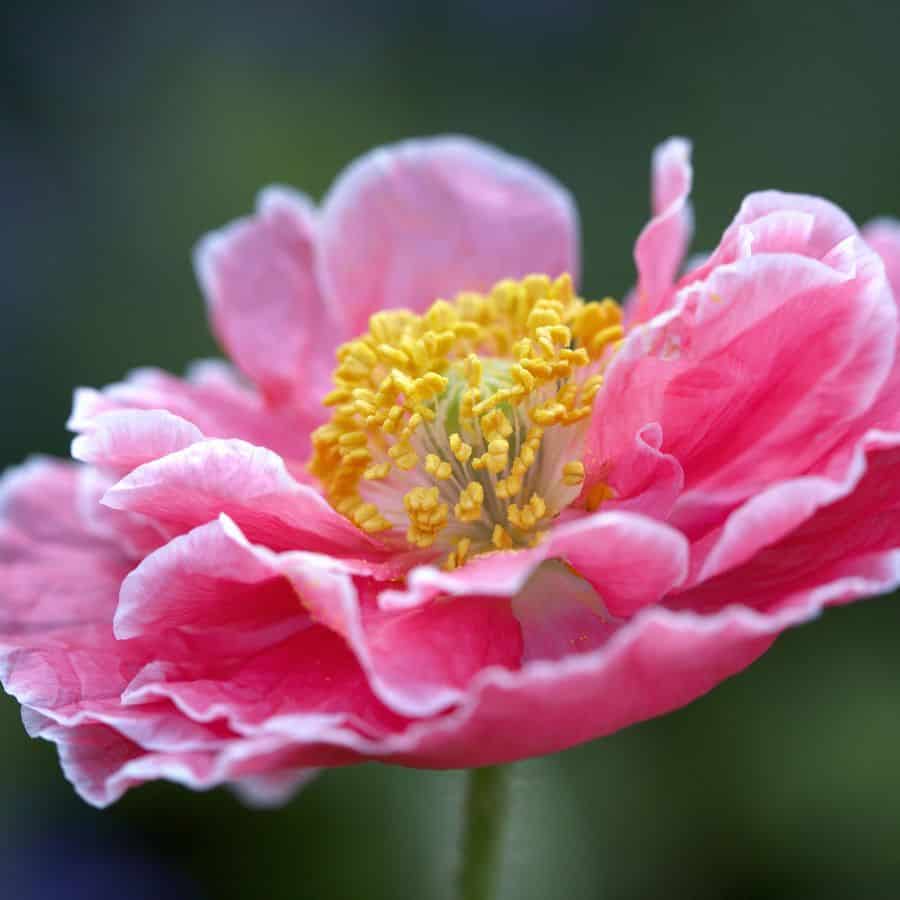
• Shirley Poppy (Papaver rhoeas) – Zones 3-9: These sun-lovers deliver nice spring color with delicate, tissue-paper-like petals.
Stars for Middle Zones (6-7)
• Larkspur (Consolida ajacis) – Zones 6-9: These sun-worshippers need full light and a protective mulch blanket around their base for winter. Their tall spikes create vertical interest in your spring garden.
• Nigella (Love-in-a-Mist) – Zones 6-9: These playful blooms look like they’re floating in a cloud of delicate foliage. Give them warmth and sunlight for the best results.
• Wallflower (Erysimum cheiri) – Zones 6-9: Plant in part shade to prevent leaf burn. These fragrant early-to-mid spring bloomers have a relatively short but memorable flowering period.
Hot Zone Heroes (8-10)
• Cornflower (Centaurea cyanus) – Zones 5-9: Their bright blue blooms need full sun and bring pollinators to your garden from late spring to early summer.
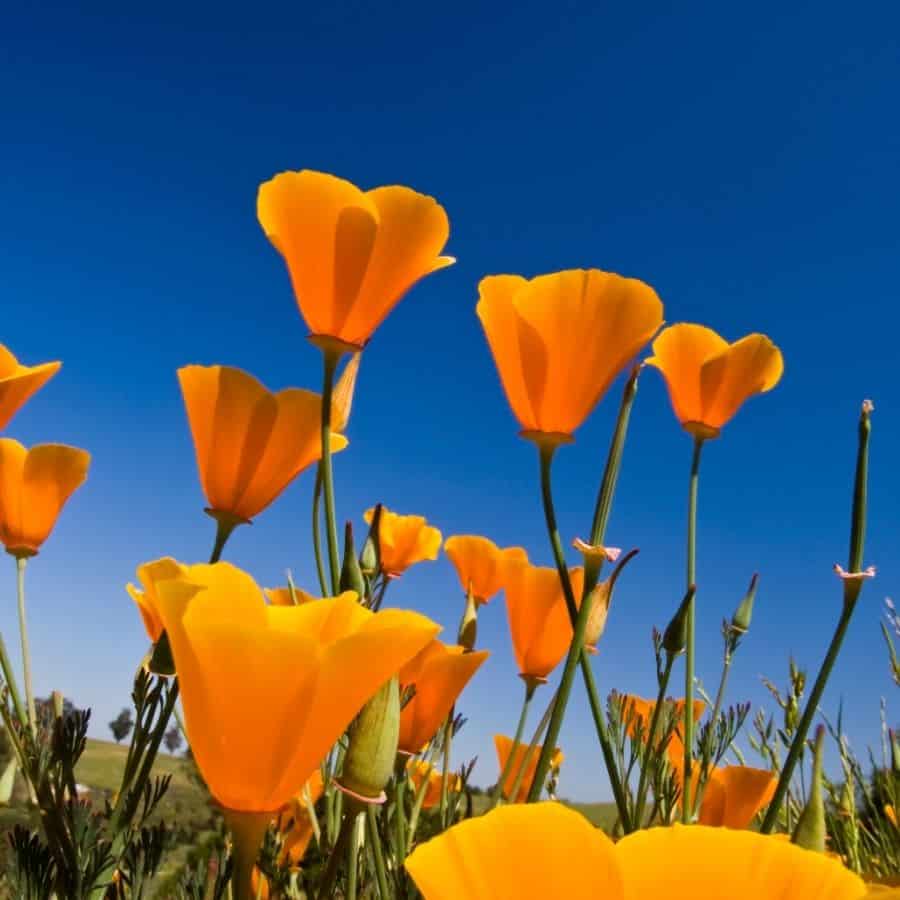
• California Poppy (Eschscholzia californica) – Zones 8-10: These sun-lovers are perfect for hot zones and bring early-to-mid spring golden color. In cooler areas, save these for spring planting instead.
How to Set Your August Plantings Up for Success
Most people make this mistake with their August planting: they treat it like spring sowing. Your August plantings need special consideration.
Keep soil consistently moist during germination. August heat can dry out seedbeds quickly.
Consider using a light shade cloth during extreme heat waves. This protects tender seedlings without blocking all sunlight.
Apply a thin layer of mulch once seedlings are established. This insulates the roots for winter.
Mark planting areas clearly. These slow-growing seedlings are easy to mistake for weeds during fall cleanup.
Your garden doesn’t need to nap just because summer is winding down. August planting is like setting a delayed timer for spring blooms. While the rest of the neighborhood wonders how you got such full, healthy spring flowers, you’ll know it was your August planning at work.
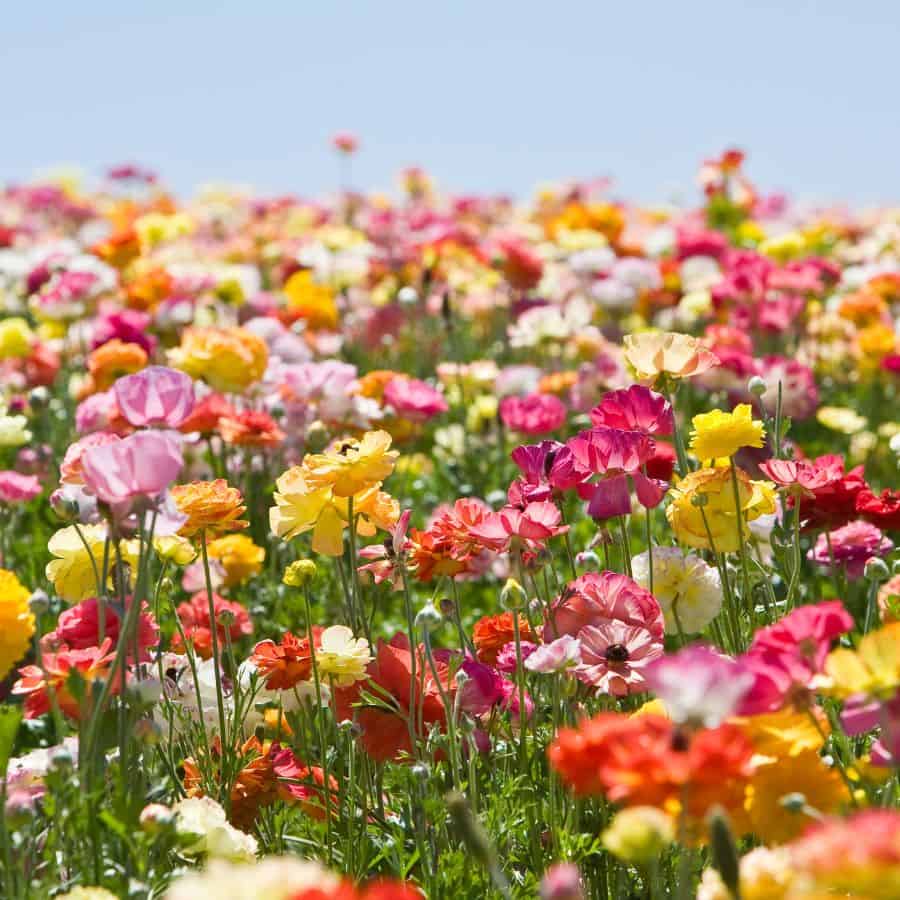
The August Gardener’s Advantage
The difference between new and experienced gardeners is knowing when conventional wisdom needs to be challenged. When everyone else packs away their trowels in August’s heat, smart gardeners are setting the stage for spring success.
Ready to improve your spring garden while your neighbors are still deciding what to plant? Grab those seeds, work in the cooler parts of the day, and give August planting a try. Your future self will thank you when those first blooms appear.