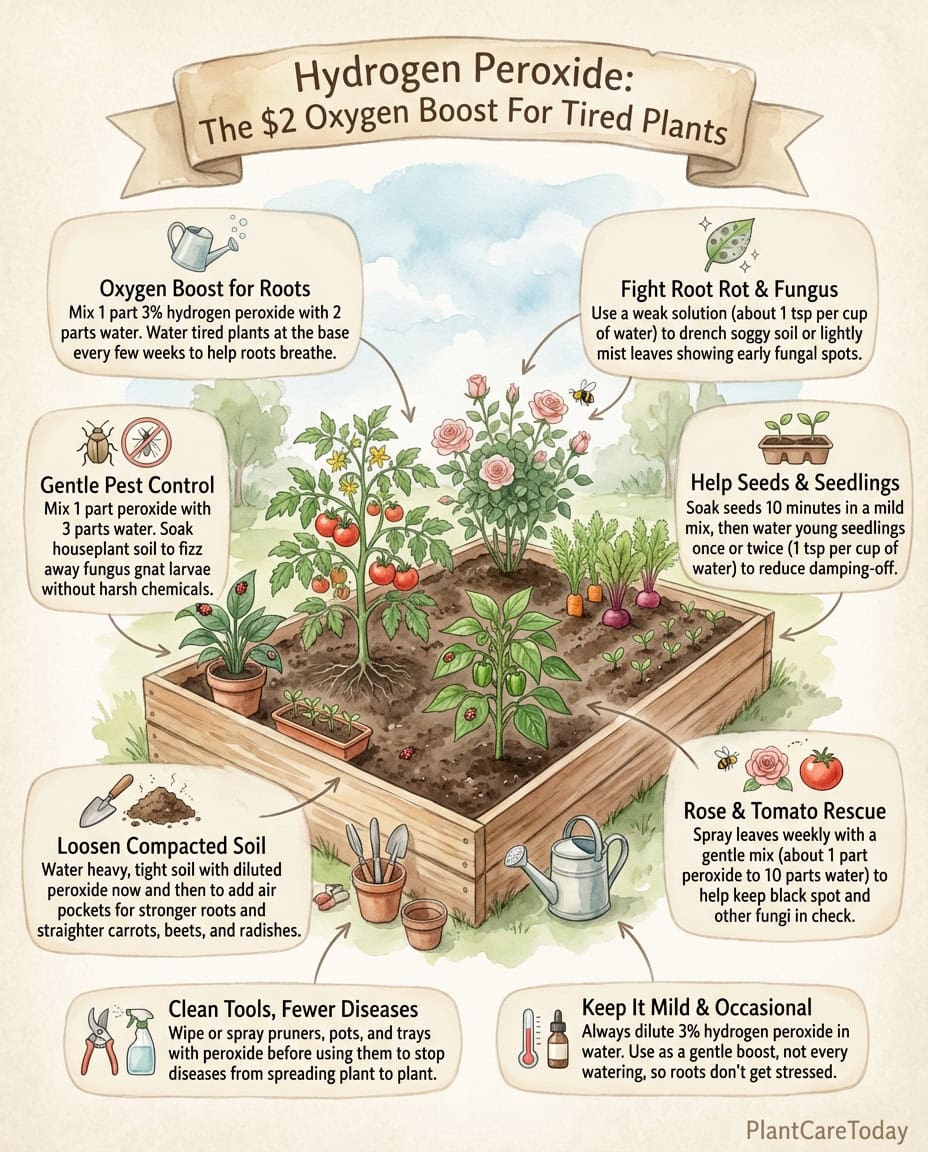
That bottle of hydrogen peroxide in your bathroom cabinet? It might be one of the most useful things you can bring to your garden.
I was surprised to learn that this $2 solution doesn’t just clean cuts. It can actually help struggling plants bounce back.
Think of it as an oxygen boost for your garden that works in ways most expensive products can’t match.
The Oxygen Boost Your Plants Need
Hydrogen peroxide isn’t just water with an extra oxygen atom. It breaks down in soil and releases oxygen that helps roots grow stronger.
Here’s what matters most: roots need oxygen to stay healthy. When they don’t get enough, plants struggle. H₂O₂ delivers oxygen right where plants need it.
The best part? Unlike harsh chemicals that stick around for years, hydrogen peroxide breaks down into just water and oxygen. It’s about as clean as you can get.
6 Ways Hydrogen Peroxide Helps Your Garden
• Aerates soil: Loosens compacted soil so roots can breathe and expand
• Fights fungus: Kills pathogens that cause root rot and wilting
• Controls pests: Eliminates soft-bodied pests like aphids and fungus gnats without toxic chemicals
• Boosts germination: Studies show seed germination can increase up to 15% with hydrogen peroxide treatment
• Sanitizes tools: Disinfects garden equipment to prevent disease spread
• Revives plants: Can bring back wilted, oxygen-starved plants
10 Plants That Respond Well to Hydrogen Peroxide
1. Tomatoes: A Great Match
Tomatoes and hydrogen peroxide work really well together. These plants are prone to fungal issues, so they benefit from regular treatments.
The extra oxygen strengthens their roots, leading to healthier plants and better fruit production.
How to apply: Mix 1 part 3% hydrogen peroxide with 2 parts water. Pour around the base every 2-3 weeks. For leaf spots, spray both sides of leaves with 1 tablespoon of peroxide per cup of water.
2. Roses: Fighting Fungal Problems
Roses get a reputation for being difficult, but they mostly struggle with fungal issues like black spot and powdery mildew. Hydrogen peroxide helps protect against these common problems.
How to apply: Weekly preventative sprays using 1 part peroxide to 10 parts water will keep foliage clean and blooms healthy.
3. Orchids: Helping Stressed Roots
If your orchid looks like it’s in trouble, hydrogen peroxide might help. Orchids have exposed roots that absorb oxygen directly from the air, which makes them good candidates for H₂O₂ treatment.
How to apply: Dab stressed roots with diluted solution (1 teaspoon per cup of water) using a cotton ball. You might see new growth within a few weeks.
4. Houseplants: Getting Rid of Gnats
Those annoying fungus gnats around your indoor plants? A hydrogen peroxide soil drench kills their larvae while helping oxygen-starved roots in compacted potting soil.
How to apply: Mix 1 part hydrogen peroxide with 3 parts water, then pour it into the soil. The fizzing sound means it’s working.
5. Root Vegetables: Creating Better Growing Conditions
Carrots, beets, and radishes need loose, oxygen-rich soil to grow straight. Hydrogen peroxide helps create better conditions for these vegetables.
How to apply: Soak seeds for 10 minutes before planting, then apply a weak drench (1 teaspoon per cup of water) every 3-4 weeks.
6. Seedlings: Preventing Damping-Off
Damping-off disease kills many seedlings each year, but hydrogen peroxide provides protection against it.
How to apply: Sterilize seed trays before planting, then water once or twice with a very weak solution (1 teaspoon peroxide per cup of water).
7. Peppers: Supporting Root Growth
Like tomatoes, peppers respond well to oxygen-rich soil. Better root development from H₂O₂ treatments often means more peppers per plant.
How to apply: Use the same dilution and frequency as tomatoes: 1 part peroxide to 2 parts water every 2-3 weeks.
8. Mediterranean Herbs: Recreating Native Conditions
Rosemary, thyme, and oregano evolved in dry, oxygen-rich Mediterranean soils. Hydrogen peroxide helps recreate these conditions, especially in humid climates where these herbs sometimes struggle.
How to apply: Light soil drench for woody herbs prone to root rot in wet conditions.
9. Lawns: Helping Compacted Areas
Compacted soil prevents grass roots from getting enough oxygen. A hydrogen peroxide treatment can help those brown patches recover.
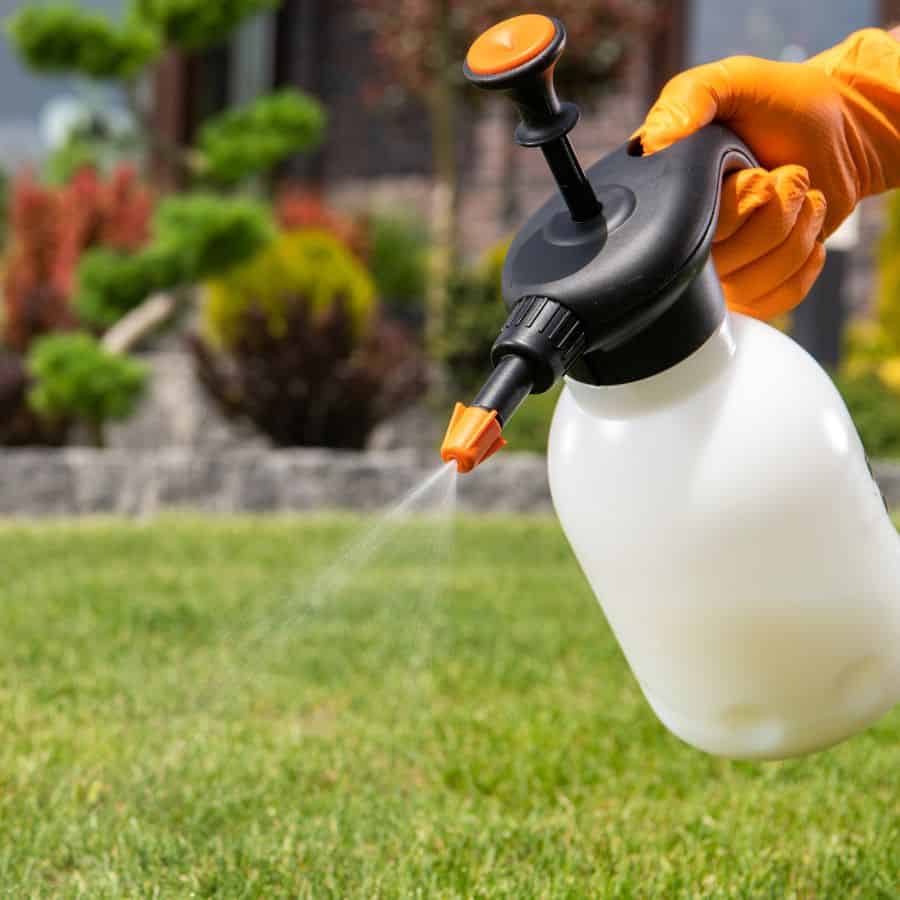
How to apply: Mix 1 cup of peroxide with 1 gallon of water, then spray evenly across problem areas monthly.
10. Cut Flowers: Keeping Water Clean
Make those cut flowers last longer with this simple trick. Hydrogen peroxide keeps the vase water clear and free of bacteria.
How to apply: Add 1 teaspoon per quart of vase water and replace every 2-3 days.
Plants That Need a Lighter Touch
Not every plant needs the same approach. These types prefer gentler treatment:
• Delicate herbs like basil, cilantro, and parsley can get root burn from stronger solutions
• Succulents and cacti store water differently and can be damaged by too much peroxide
• Newly transplanted plants need time to settle in before treatments
Start with very diluted solutions (1 teaspoon per cup) for these plants and see how they respond before continuing.
How to Use Hydrogen Peroxide in Your Garden
Getting the concentration right matters. Too strong and you’ll burn plants. Too weak and you won’t see results. Here’s what works:
For Root Health (Soil Drench)
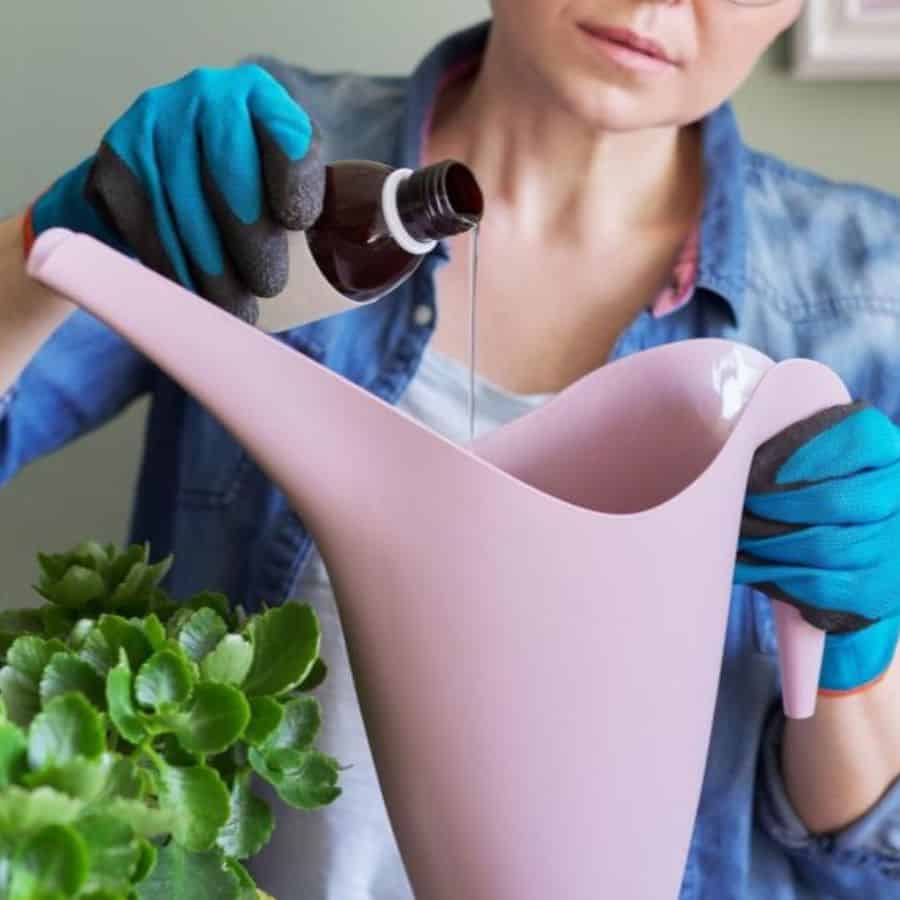
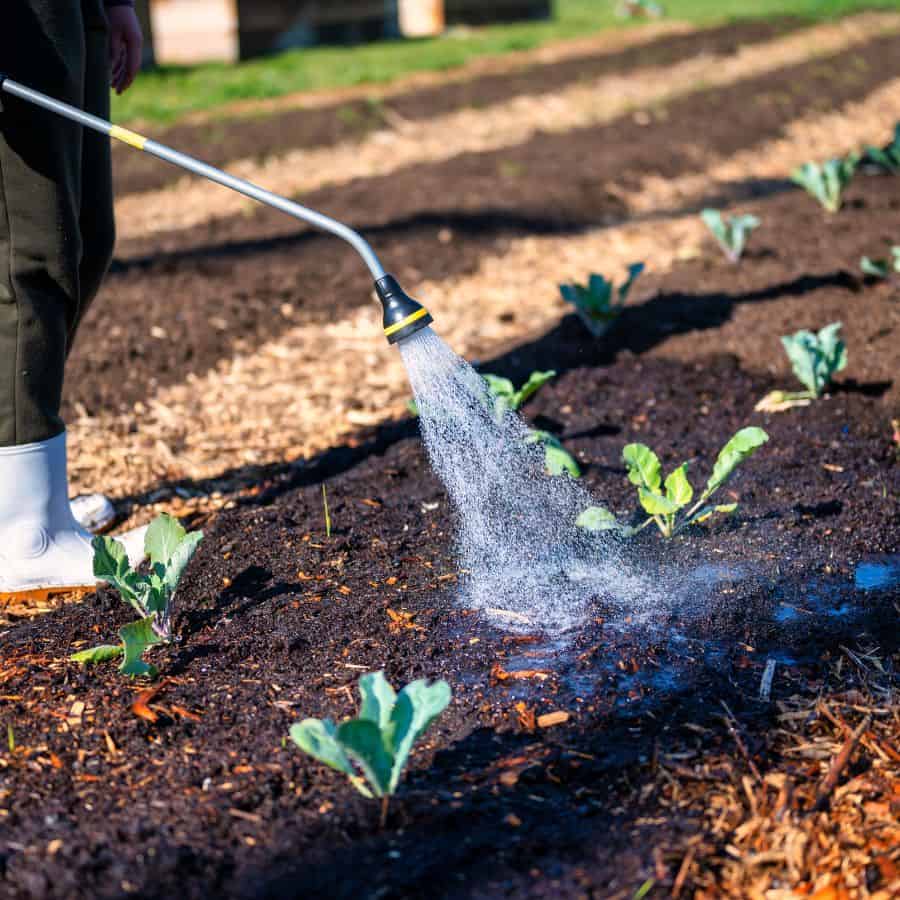
Mix: 1 part 3% hydrogen peroxide to 2 parts water
When: Every 2-3 weeks during the growing season
How: Pour directly at the plant base, focusing on the root zone
For Disease Control (Foliar Spray)
Mix: 1 tablespoon 3% hydrogen peroxide per cup of water
When: At the first sign of fungal issues (spots, powdery coating)
How: Mist leaves early morning (never in midday sun)
For Pest Control
Mix: 1 part 3% hydrogen peroxide to 4 parts water
When: At first sight of aphids, mites, or fungus gnats
How: Direct spray on affected areas, focusing on leaf undersides
Common Mistakes to Avoid
• Using industrial-strength peroxide (stick to 3% only)
• Applying in hot, direct sunlight (causes leaf burn)
• Mixing with other chemicals (especially vinegar or bleach) creates dangerous reactions.
• Using too often (once every 2-3 weeks is plenty)
What to Expect
Most plants show improvement within two weeks of their first hydrogen peroxide treatment. You’ll likely see:
• Leaves that stand up taller and look firmer
• Better leaf color as oxygen helps chlorophyll production
• New growth from previously dormant buds
• Fewer fungal spots and pest problems
The change can be pretty noticeable, all from something that costs about $2 at any pharmacy.
Your garden’s helper was in your medicine cabinet all along. Now that you know how it works, you can use it to keep your plants healthier.