Think winter means saying goodbye to fresh herbs? Think again!
While the outside world hibernates under frost and snow, your windowsill could host a vibrant, aromatic herb garden that enhances your cooking and mood.
(And let’s be honest. Nothing says “I have my life together” like snipping fresh basil in January!)
The Secret Garden No One Tells You About
I was surprised to discover that herbs are among the easiest plants to grow indoors during winter.
While outdoor gardens sleep under snow, these aromatic powerhouses can thrive inside with minimal effort, like plant freeloaders who actually pay rent in flavor.
Did you know that growing herbs indoors can increase your winter cooking variety by up to 60% compared to relying solely on dried herbs? The flavor difference is nothing short of spectacular.
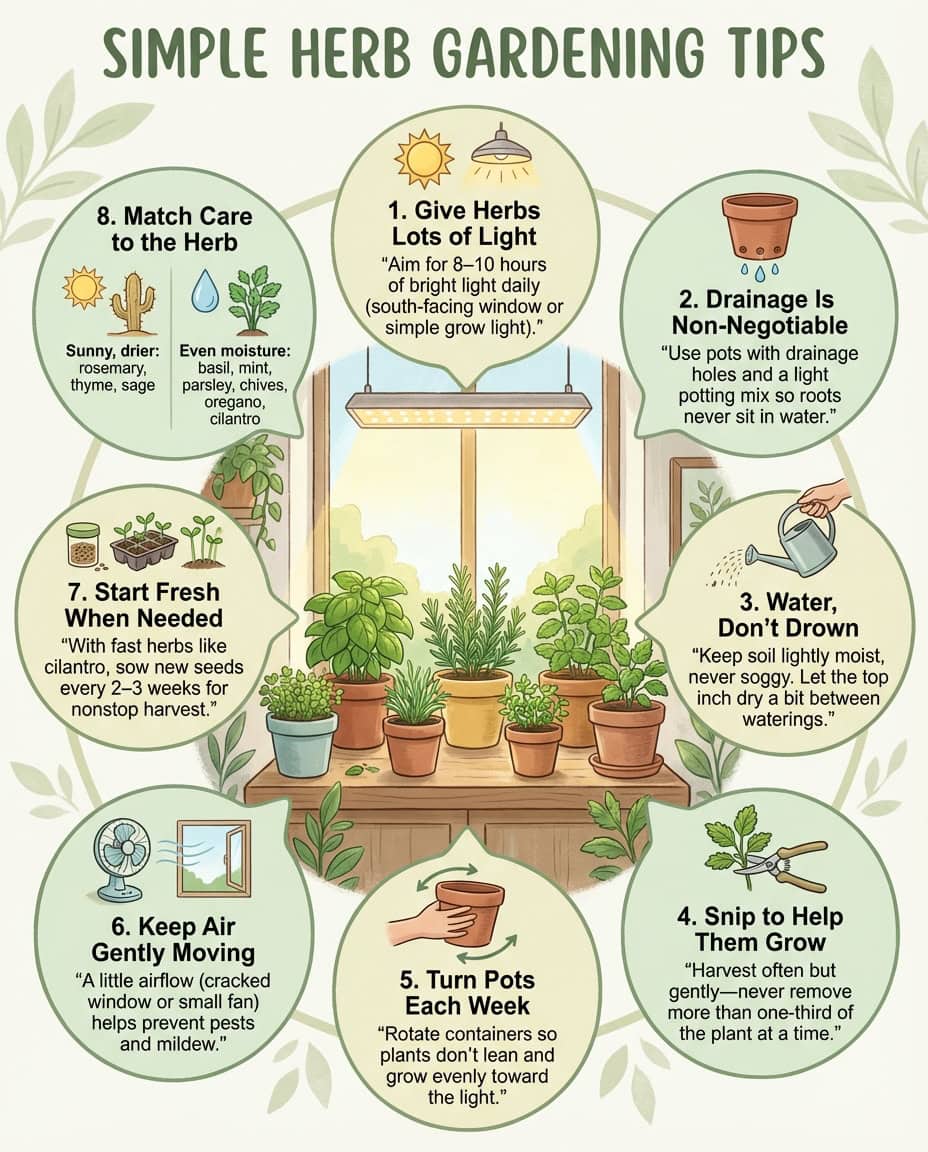
The game-changer for your winter herb garden isn’t complicated equipment or expert knowledge. It’s simply understanding three core needs:
- Abundant light (8-10 hours daily, preferably from south-facing windows)
- Proper drainage (herbs hate wet feet more than humans hate wet socks)
- Moderate watering (moist but never soggy soil)
Cold Climate Champions (Zones 3-5)
Living where winter feels like nature’s freezer? These herbs will be your indoor saviors:
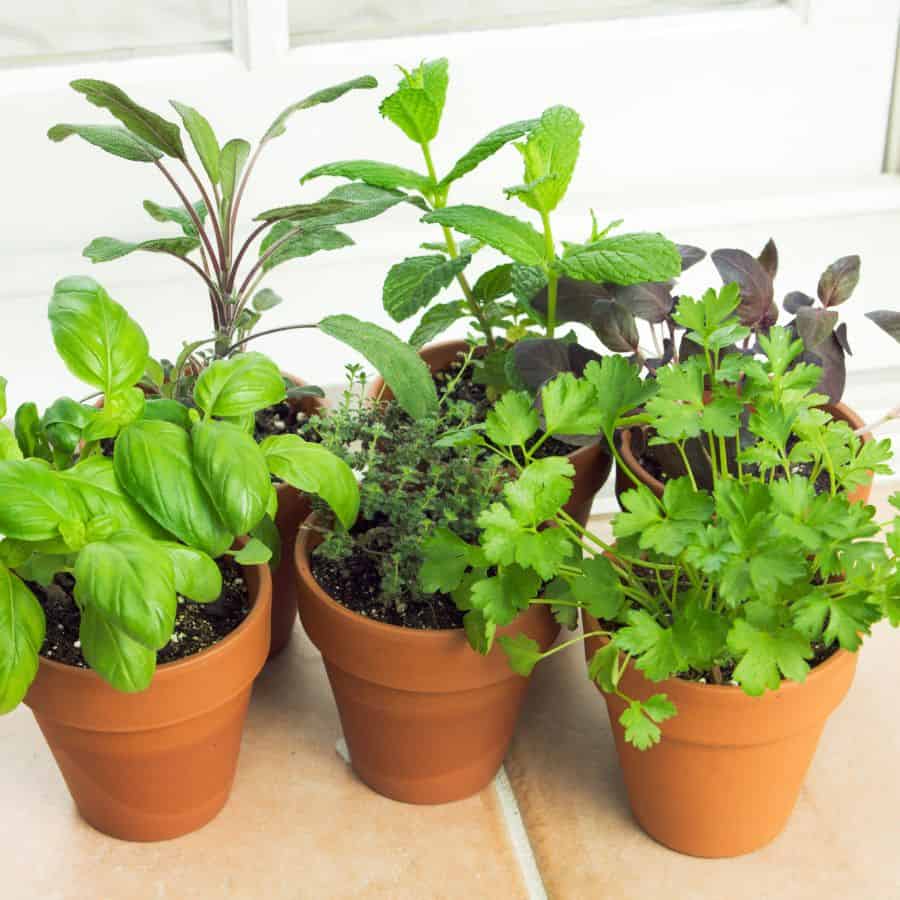
Basil ❤️ Tomatoes: This sun-worshipping diva needs maximum light. Think of it as the herb equivalent of a sunbather in January.
Place near your brightest window or under grow lights. Regular harvesting encourages bushier growth, so don’t be shy about snipping those leaves!
Parsley ❤️ Carrots: The underrated workhorse of the herb world, parsley thrives in pots and tight spaces.
For flavor that makes a difference, choose flat-leaf varieties that deliver a stronger punch than their curly cousins.
Chives ❤️ Potatoes: These grass-like miracle workers can be dug straight from your garden and potted indoors.
They’re like the gift that keeps on giving. The more you snip, the more they grow back.
Middle-of-the-Road Marvels (Zones 6-7)
These versatile herbs straddle the line between indoor necessity and outdoor possibility:
Mint ❤️ Cabbage: The herb world’s most enthusiastic spreader loves container life. Forget what you’ve heard about mint being difficult.
It’s actually quite forgiving indoors as long as its soil stays consistently moist. It’s like the plant version of that friend who’s happy anywhere there’s a good drink.
Thyme ❤️ Eggplant: This hardy perennial continues to produce aromatic leaves all winter with steady light. Its compact form makes it perfect for small windowsills.
Oregano ❤️ Peppers: With an earthy flavor that actually intensifies indoors, oregano might be the rare instance where winter growing improves your herb.
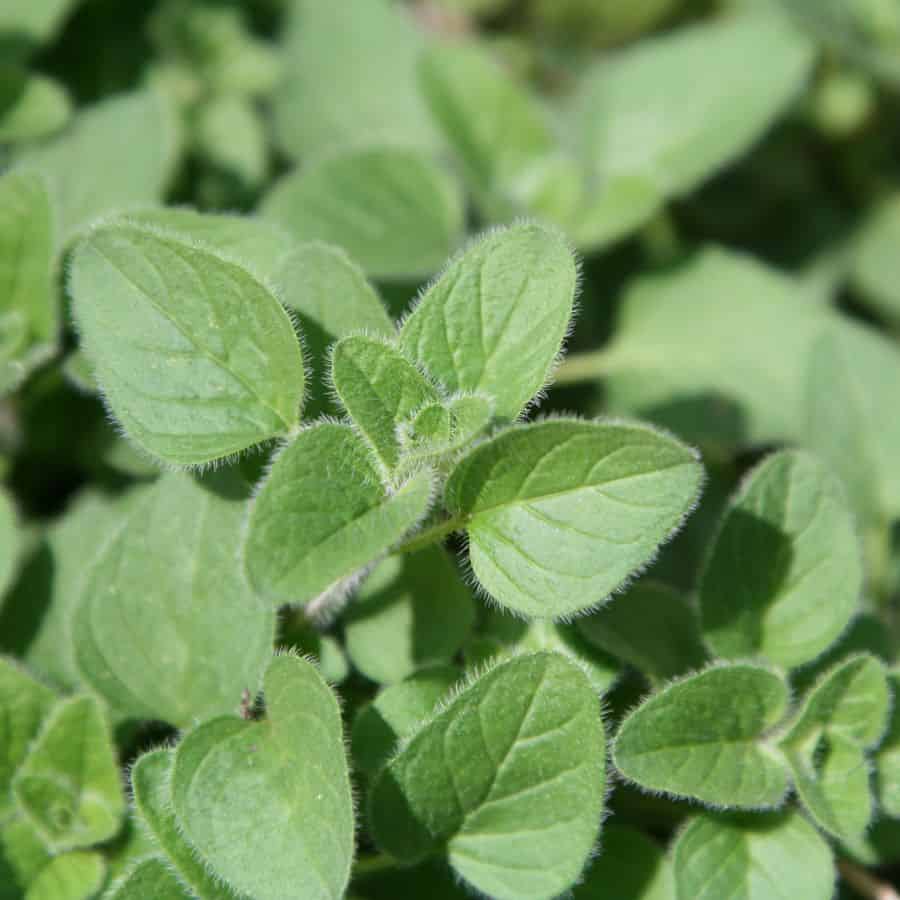
Regular harvesting creates bushier plants that look as good as they taste.
Mild Winter Winners (Zones 8-10)
Lucky enough to live where winter is just autumn’s slightly grumpier sibling? These herbs offer indoor/outdoor flexibility:
Rosemary ❤️ Beans: This Mediterranean native craves light but hates overwatering. Think of it as the desert dweller of your herb collection.
Most people make this mistake with their rosemary: drowning it with kindness. Let it dry slightly between waterings for a thriving plant.
Sage ❤️ Broccoli: With compact growth and an aroma that can revive any indoor space, sage needs just 2-3 leaves to transform a dish.
It’s the herb equivalent of those friends who make a huge impact despite speaking little.
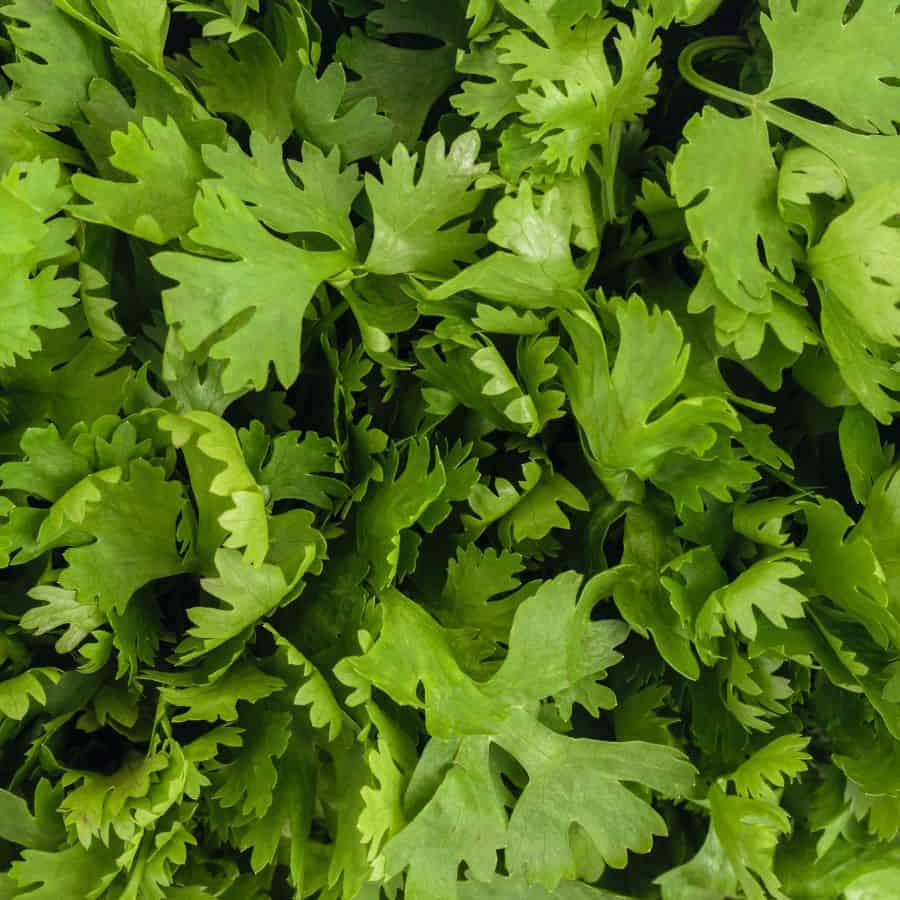
Cilantro ❤️ Spinach: The sprinter of the herb world, cilantro grows fast but bolts quickly. Your herbs are trying to tell you something important when they start stretching upward. They’re getting ready to flower!
The secret most plant experts won’t tell you is to plant new cilantro seeds every 2-3 weeks for continuous harvest.
Your Winter Herb Success Blueprint
The difference between amateur and pro plant parents is simply consistency. Follow these breakthrough tips:
- Rotate pots weekly to ensure even growth (plants lean toward light as we lean toward good desserts)
- Harvest frequently but conservatively. Never take more than 1/3 of the plant at once
- Use containers with excellent drainage. Soggy roots are an herb’s worst nightmare
- Keep air circulating to prevent moisture-loving pests from settling in
Winter doesn’t have to mean a flavor drought in your kitchen. With minimal effort, these nine herbs can transform your cooking while bringing vibrant life to your home during the darkest months.
Your windowsill is waiting to become the most productive square footage in your house!