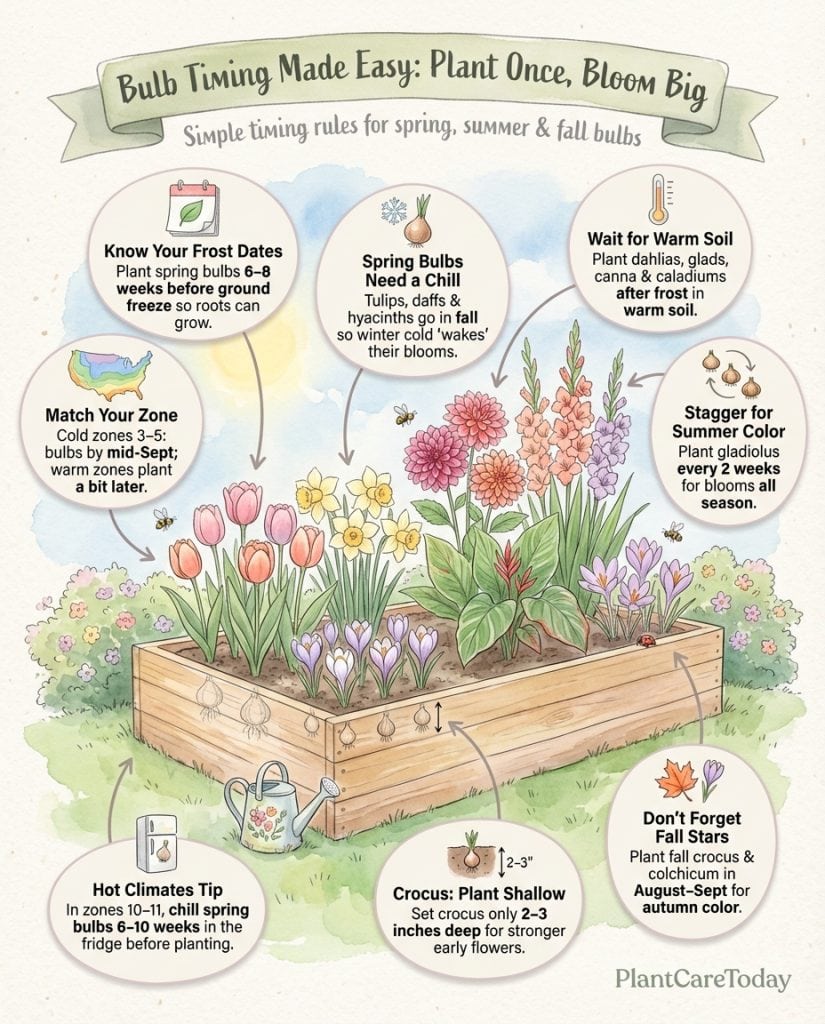
Is your garden missing that spectacular spring show? You’re not alone! The #1 reason bulbs fail isn’t disease or pests. It’s planting at the wrong time.
I was shocked to discover that a mere two-week timing mistake can be the difference between a stunning flower display and… absolutely nothing.
Ready to unlock the secret calendar that guarantees gorgeous blooms? Let’s dig in!
The Ticking Clock: Why Timing Is Everything for Bulbs
Forget what you’ve heard about bulbs being foolproof. They’re more like nature’s drama queens with very specific demands.
Unlike forgiving perennials that let you plant at any time, bulbs operate on a strict schedule.
In colder zones (3-5), you’ve got an even shorter window. Plant by mid-September or risk your bulbs becoming plant popsicles before they establish roots.
Think of bulbs like Olympic athletes. They need proper training (rooting time) before the big performance (blooming).
(Quick aside: I once planted tulips in December, thinking “better late than never” – let’s just say my spring garden looked about as vibrant as a concrete parking lot!)
Spring-Flowering Superstars: Your Ultimate Planting Timeline
These beauties need a cold winter nap before putting on their spring show. The game-changer for your spring garden isn’t fancy fertilizers. It’s nailing these planting windows:
- TULIPS ❤️ (Zones 3-8): Plant September-November, 6-8 weeks before ground freeze. Tulips need that cold period to trigger their internal bloom clock!
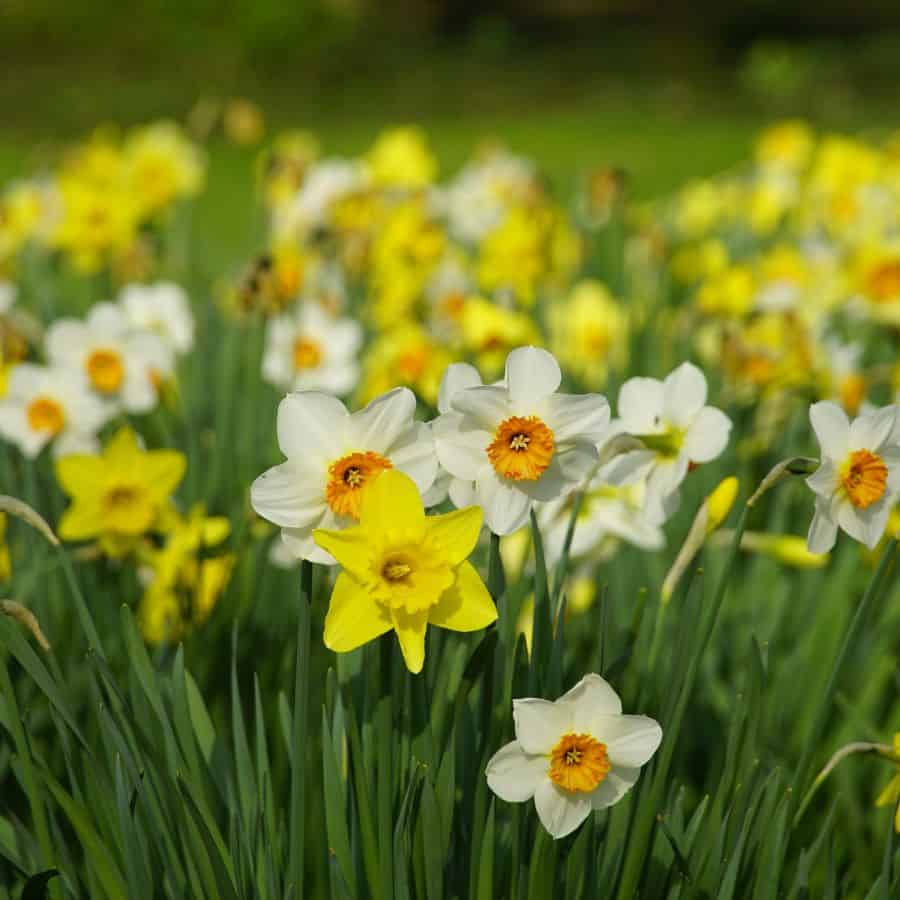
- DAFFODILS ❤️ (Zones 3-9): Get these in the ground September-October. They’re the workhorses of the spring garden and will multiply year after year when planted at the right time.
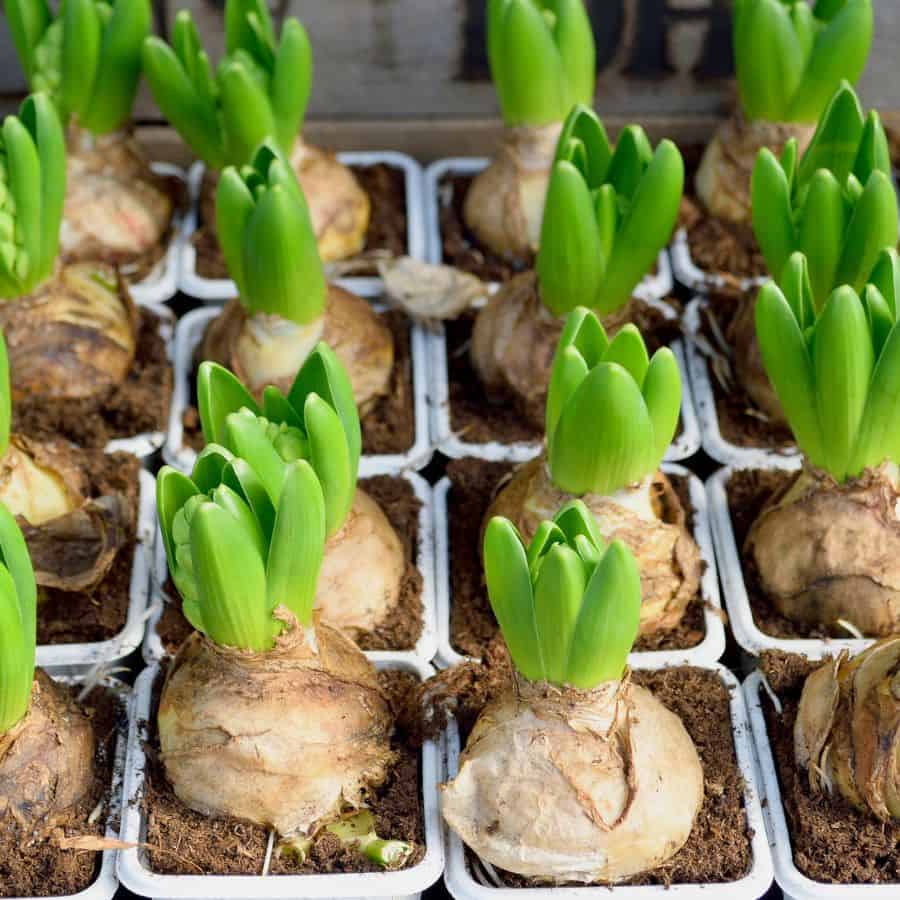
- HYACINTHS ❤️ (Zones 3-9): Plant September-November. Their fragrance alone is worth the effort – one well-timed hyacinth can perfume an entire garden corner!
- CROCUS ❤️ (Zones 3-8): Plant September-November at least 6 weeks before hard frost. The secret most experts won’t tell you is to plant these shallow, just 2-3 inches deep, for the best results!
- ALLIUMS ❤️ (Zones 4-9): Plant September-October. These architectural wonders bloom late spring when many other bulbs have finished, extending your display season.
Summer Bloomers: When Patience Pays Off
Summer-flowering bulbs are the party animals of the garden world, showing up fashionably late but making a dramatic entrance.
Most people make this mistake with their summer bulbs: planting them too early, before soil temperatures warm.
- LILIES ❤️ (Zones 3-9): Plant April-May, or fall if your winters are mild. Unlike fussy tender bulbs, true lilies can withstand winter in the soil in most regions.
- DAHLIAS ❤️ (Zones 8-11 perennial, 3-7 annual): Plant after all frost danger passes. In colder zones, these spectacular bloomers need to be dug up after the first frost and stored inside, like tucking your plant babies in for winter hibernation.
- GLADIOLUS ❤️ (Zones 7-10): Plant after frost risk ends. Stagger plantings 2 weeks apart for continuous blooms all summer long, a pro trick that transforms your garden!
- CANNA ❤️ (Zones 8-11): Plant late spring after frost. These tropical showstoppers grow at astonishing speeds once the soil warms. Sometimes reaching 6 feet in a single season!
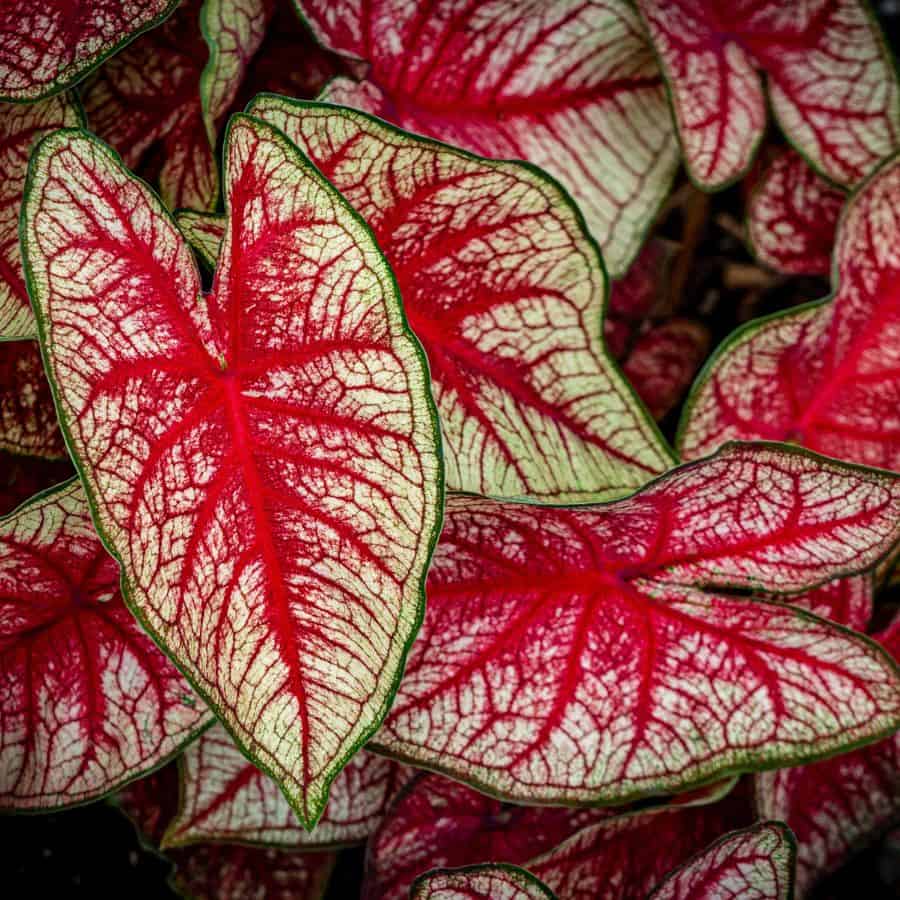
- CALADIUMS ❤️ (Zones 9-11): Plant late spring in warm soil. These foliage superstars thrive when soil temperature hits at least 70°F. Plant them cold, and they’ll sulk (or worse, rot).
Fall-Flowering Hidden Gems: The Gardener’s Secret Weapon
Your garden doesn’t have to surrender to autumn blandness! The difference between amateur and pro plant parents is simply knowing about these fall bloomers that burst with color just as everything else fades.
- COLCHICUM ❤️ (Zones 4-8): Plant August-September. These “naked ladies” send up flowers with no leaves in sight – a truly bizarre and wonderful garden magic trick!
- FALL-BLOOMING CROCUS ❤️ (Zones 6-9): Plant August-September. Did you know saffron crocus (Crocus sativus) isn’t just beautiful but produces the world’s most expensive spice? Each flower contains just three red stigmas that become saffron!
(Between us, I planted these fall bloomers last year, and my neighbors were convinced I had some kind of gardening superpower when everyone else’s gardens were shutting down for the season!)
Timing is Everything: Your Zone-by-Zone Cheat Sheet
Your bulbs are trying to tell you something important: their internal clocks are synced to your climate zone! Here’s your life-saving rule of thumb:
- Zones 3-5 (Cold): Plant spring bulbs by mid-September, summer bulbs after the last frost (usually May).
- Zones 6-7 (Moderate): Plant spring bulbs in September-October; summer bulbs in April-May.
- Zones 8-9 (Warm): Plant spring bulbs in October-November; summer bulbs in March-April.
- Zones 10-11 (Hot): Pre-chill spring bulbs in refrigerator 6-10 weeks before planting, December-January; plant summer bulbs February-March.
The Countdown to Garden Glory
Here’s the game-changing truth: planting at the right time is like giving your bulbs a head start in a race. The secret formula for bulb success is simple:
- Spring-flowering bulbs: Plant 6-8 weeks before the ground freezes
- Summer-flowering bulbs: Plant after all frost danger has passed
- Fall-flowering bulbs: Plant in late summer for autumn magic
Remember this: a bulb planted at the perfect time will thrive with minimal care, while even the most pampered, expensive bulb planted at the wrong time is doomed to disappoint. Your calendar is your most powerful gardening tool!
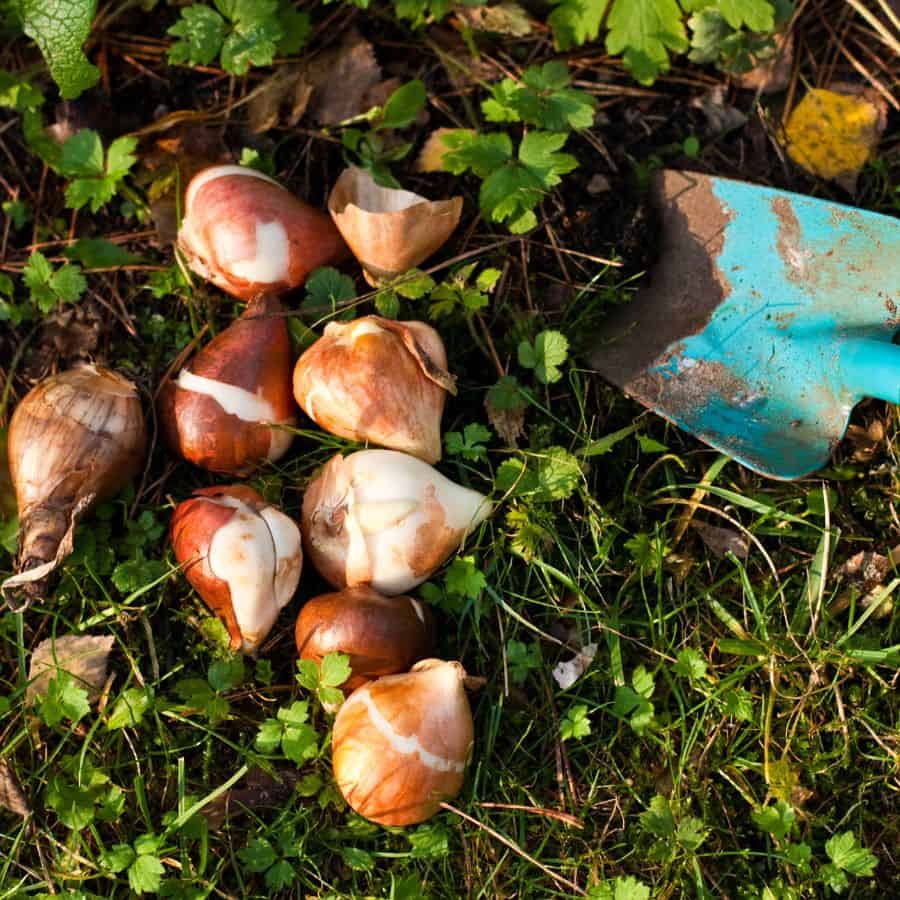
So grab your trowel, check your zone, and transform your garden from ordinary to extraordinary by following Mother Nature’s timing rules.
Your future self will thank you when your garden explodes with vibrant, lush blooms exactly when you need them most!