Think your Christmas cactus is just fine left to its own devices? Think again! That innocent-looking plant is actually sending you desperate signals when it needs attention.
Did you know that properly pruned Christmas cacti can live for 100+ years while neglected ones rarely make it past 10?
The secret most plant experts won’t tell you is that these festive favorites NEED regular pruning to truly thrive, not just survive.
Your Christmas Cactus is Crying for Help! 7 Must-Know Signs
1. The “Wild Child” Look: Overgrown & Leggy
If your Christmas cactus looks like it just rolled out of bed after a rough night, sporting long, scraggly stems with barely-there leaves clinging to the tips.
It’s basically begging for a trim. This plant is the botanical equivalent of a bad hair day that’s lasted months.
Most people make this mistake with their Christmas cactus: they assume “cactus” means “set it and forget it.” But those leggy stems aren’t a sign of growth. They’re a desperate cry for intervention!
2. All Buds, No Blooms: The Flower Tease
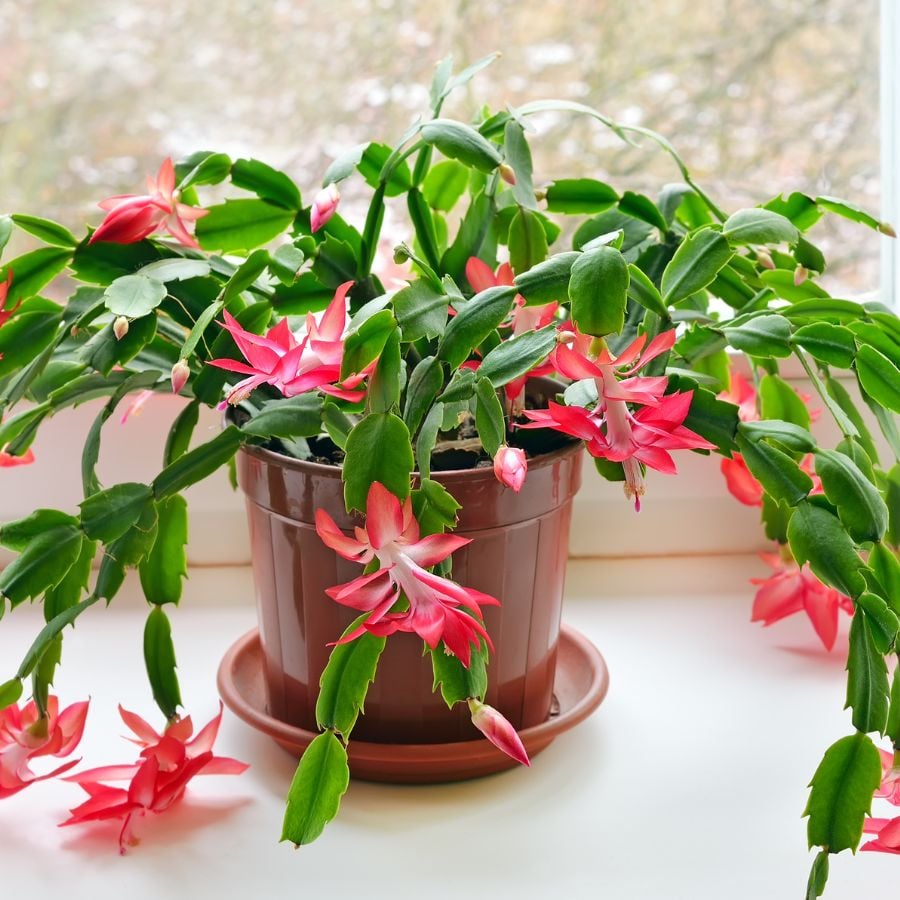
Seeing promising flower buds that never actually open? Your plant is all dressed up with nowhere to go! Those unproductive stems are energy vampires, sucking resources away from potential blooms.
Pruning redirects energy to the parts that will actually reward you with those spectacular holiday flowers.
The game-changer for your Christmas cactus isn’t what you think. Sometimes cutting away is the key to more flowers, not less!
3. Yellow Alert: Stems in Distress
Yellow stems aren’t just unattractive. They could be harmful to your entire plant. These sickly sections often signal a fungal infection silently spreading throughout your precious cactus.
Think of yellowing stems like a zombie apocalypse starting in slow motion. Cut them out immediately before the infection transforms your entire plant into a yellowed, wilting mess!
4. The Tangled Web: Overcrowded Growth
If your Christmas cactus resembles a botanical traffic jam, it’s time to thin things out. Densely packed stems don’t just look messy.
They create the perfect breeding ground for fungal diseases by limiting air circulation. Additionally, inner sections become shaded, resulting in weaker growth and fewer blooms.
Forget what you’ve heard about “fuller is better.” Your Christmas cactus needs breathing room to truly flourish!
5. Growth Grinding to a Halt
Is your Christmas cactus moving in slow motion? When growth becomes stunted, strategic pruning works like a shot of espresso for your plant.
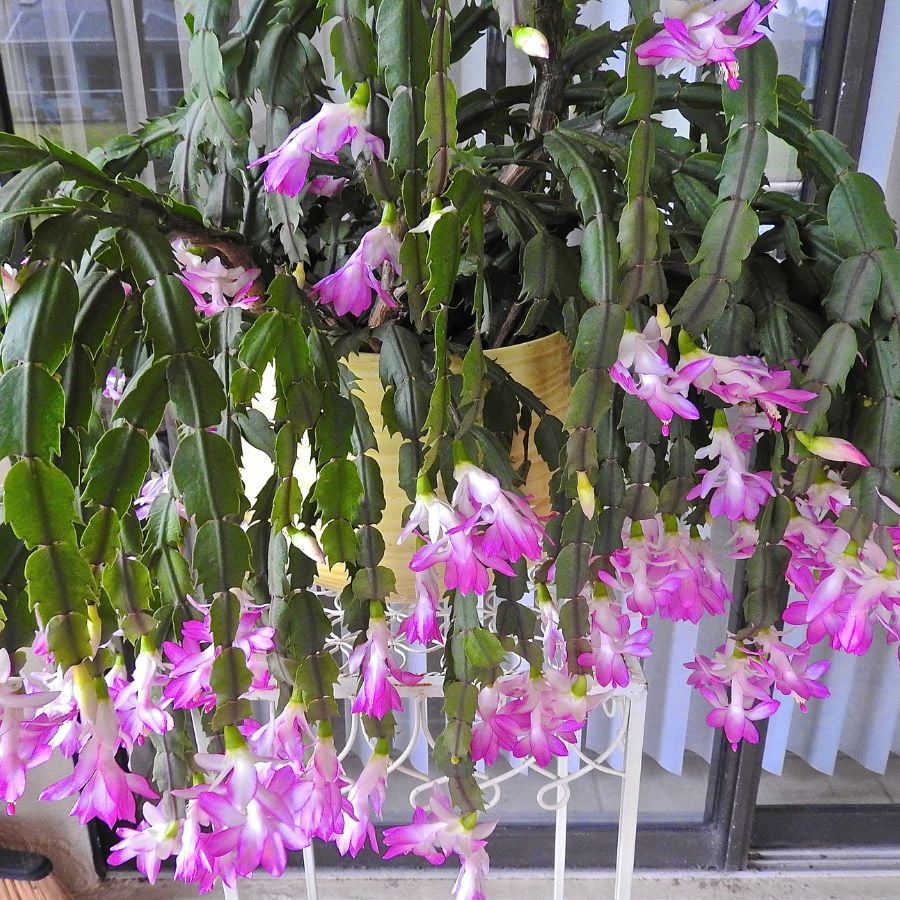
I was shocked to discover that removing as little as 20% of a struggling plant’s mass can kickstart dramatic new growth within weeks!
Just remember: prune with precision. This is surgery, not a buzzcut. Only remove visibly weak or discolored sections to revive your plant’s vigor without further stressing it.
6. The Leaning Tower of Cactus: Unbalanced Shape
You don’t need a horticulture degree to notice when your plant looks lopsided.
If your Christmas cactus is reaching dramatically to one side or has developed a bizarre shape that makes you tilt your head, it’s crying out for corrective pruning.
Your Christmas cactus is trying to tell you something important with its awkward growth pattern, usually that it’s stretching toward light or compensating for weak sections!
7. Pest Party Central
Are tiny unwelcome guests treating your Christmas cactus like an all-you-can-eat buffet? Thinning dense growth makes your plant less attractive to these garden pests.
Pruning removes hiding spots and creates an environment that makes it harder for pests to establish colonies.
Think of it like removing the dark corners where party crashers hide; without them, your uninvited guests will seek accommodations elsewhere!
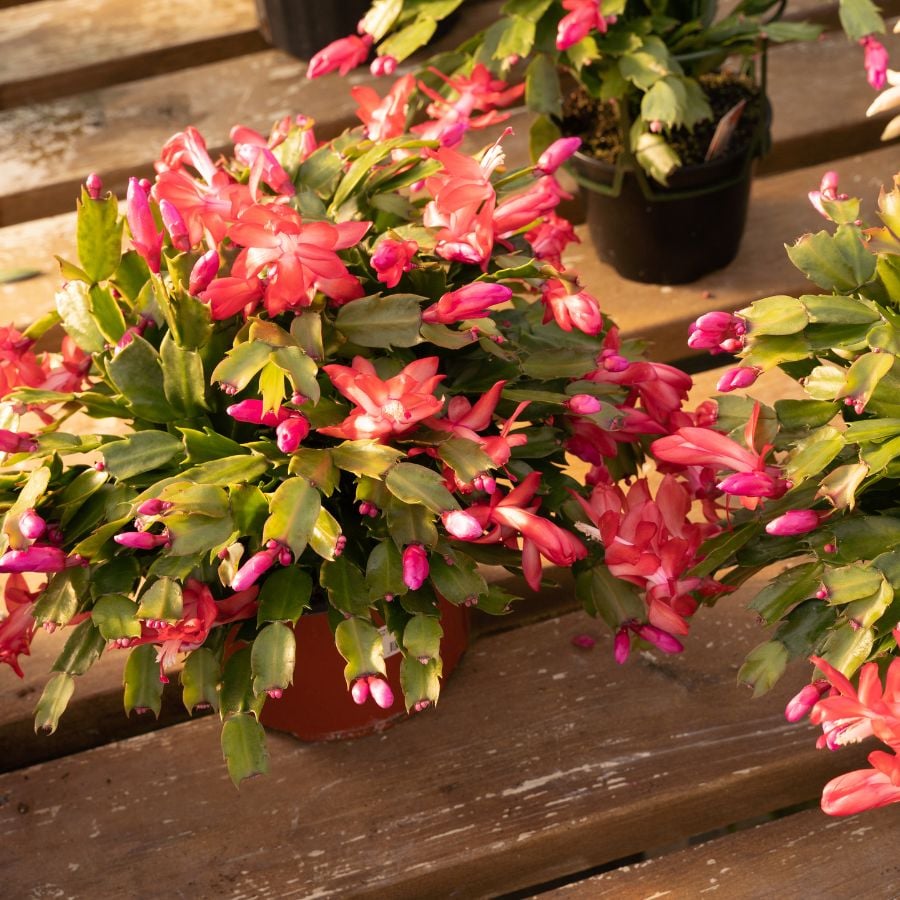
The 5-Step Pruning Rescue Mission (Without the Stress!)
Ready to transform your struggling Christmas cactus into a blooming superstar? Here’s how to do it without causing plant trauma:
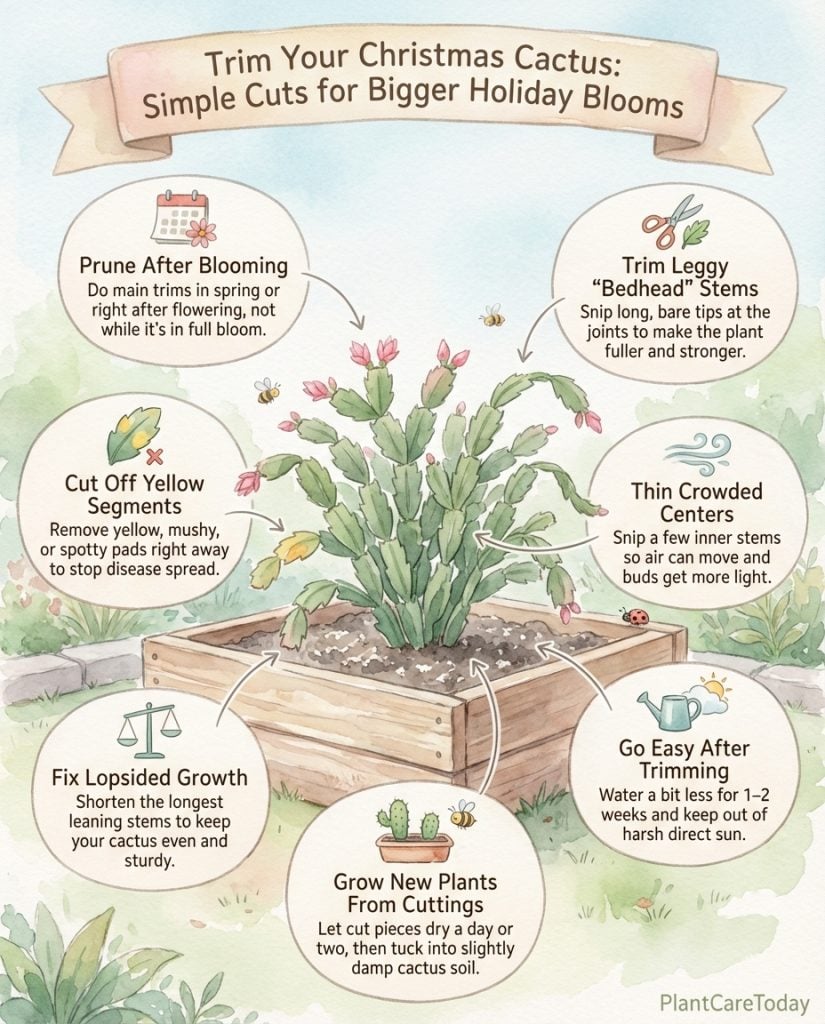
- Time it right: Prune in spring or just after blooming finishes. Never during the flowering period unless dealing with disease.
- Identify the trouble spots: Look for yellowed, leggy, or damaged sections that need to go.
- Make clean cuts: Using sanitized sharp scissors or pruning shears, cut at segment joints (those natural dividing lines in the stems).
- Be gentle but decisive: Remove segments with a slight twisting motion rather than pulling, which can damage healthy tissue.
- Provide post-pruning TLC: Slightly reduce watering for 1-2 weeks after pruning, and keep the plant away from direct sunlight as it recovers.
The difference between amateur and pro plant parents is simply knowing when to cut your losses (literally). That leggy growth isn’t coming back, but removing it will stimulate vibrant new segments that bloom more reliably!
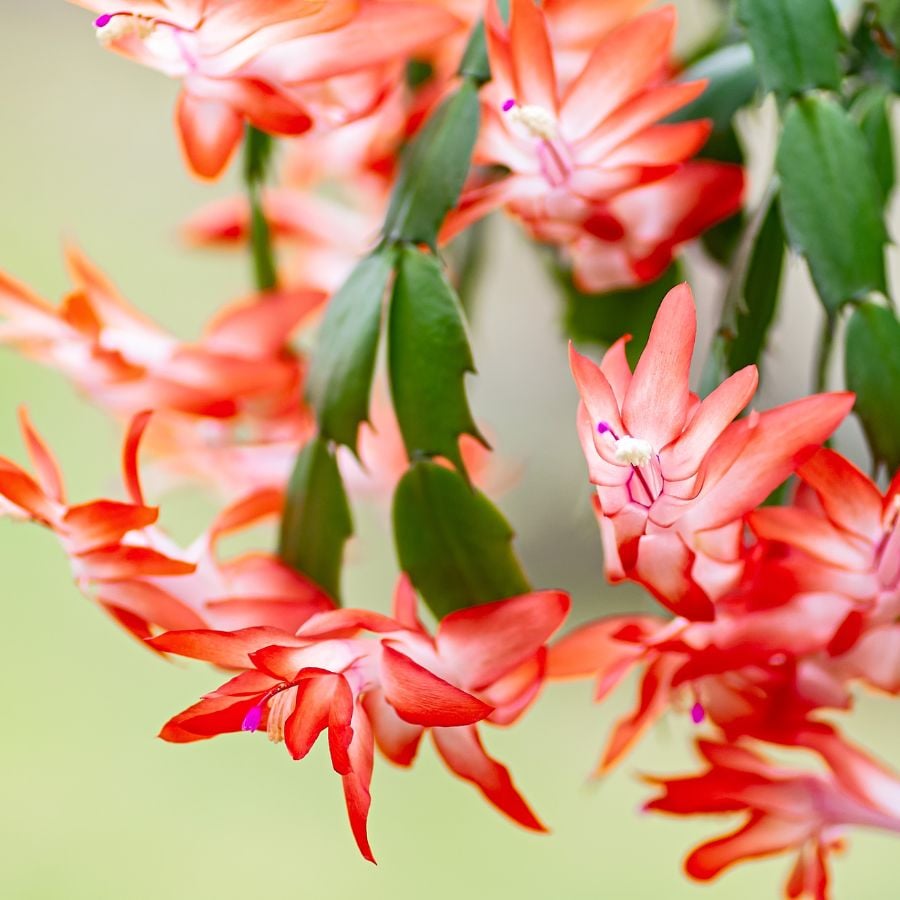
Bonus Pruning Hack: Propagation Power!
Don’t toss those pruned pieces! The trimmings from your Christmas cactus are botanical gold. Those healthy cuttings can become new plants with minimal effort.
Simply let them dry for 1-2 days (this crucial step allows the cut end to callus), then place them in slightly damp cactus soil. Within weeks, you’ll see tiny roots forming, free plants that make perfect gifts!
The Bottom Line: Prune for Prosperity
Your Christmas cactus isn’t just a plant. It’s a potential family heirloom. With proper pruning and care, these resilient beauties can be passed down through generations, blooming faithfully every holiday season.
Remember: what might seem like tough love is actually the most caring thing you can do for your Christmas cactus. Sometimes we all need a little trim to thrive.