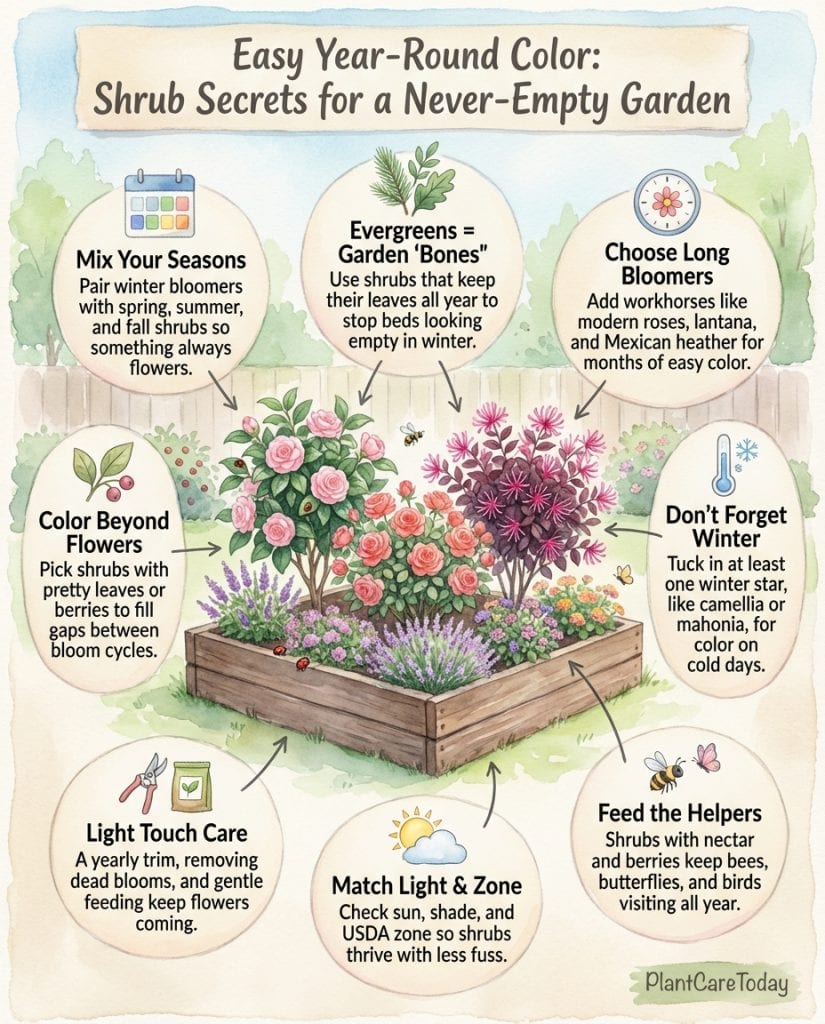
Imagine stepping into your garden on the coldest winter morning and discovering vibrant blooms defying the season.
Or never experiencing that post-summer garden slump again. The secret most plant experts won’t tell you is that continuous garden beauty doesn’t require endless work. Just the right shrubs!
Why These Year-Round Performers Will Transform Your Garden
Let’s be honest: most plants are seasonal divas, demanding attention for their brief moment in the spotlight before fading into the background.
But the elite group of shrubs I’m about to reveal? They’re the marathon runners of the plant world, delivering stunning performance month after month.
Did you know that strategically selecting just 5-7 of these powerhouse shrubs can eliminate the dreaded “dead season” in your landscape entirely?
Forget what you’ve heard about complicated garden planning. These versatile players make continuous beauty almost effortless.
Here’s why these all-star shrubs deserve prime real estate in your yard:
- Non-stop visual interest from flowers to foliage to berries
- Wildlife support, providing crucial nectar, shelter, and food year-round
- Low-maintenance reliability; most require far less fussing than seasonal flowers
- Landscape structure, creating the “bones” that hold your garden together
15 Spectacular Shrubs That Never Quit (Even When You Do)
While no single plant blooms 365 days straight (wouldn’t that be something?), these garden heroes either bloom across multiple seasons, flower for extended periods, or offer stunning foliage and berries between bloom cycles.
They’re the definition of garden workhorses!
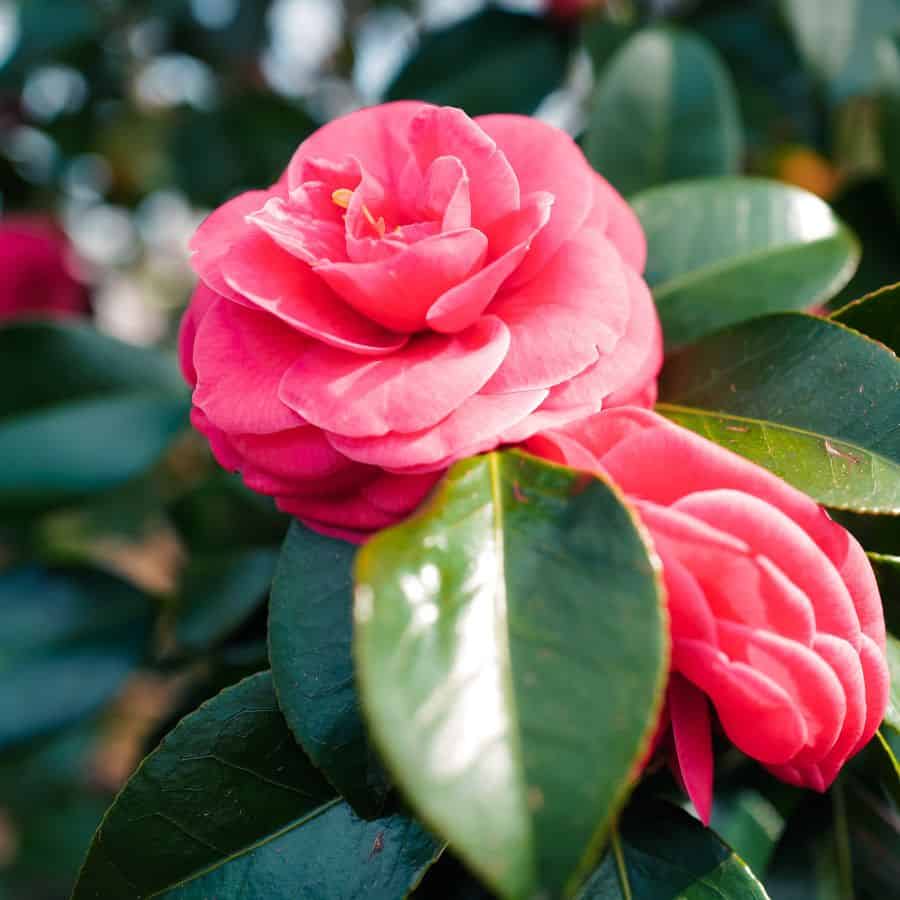
1. Camellia: The Winter Wonder
When everything else looks dead, camellias burst forth with perfect rose-like blooms.
These aristocrats of the garden world flower from fall through spring (varies by variety), thriving in zones 7-9 with colors ranging from pristine white to deep crimson.
Their glossy evergreen leaves look spectacular year-round, like a perfectly manicured hedge that suddenly erupts in blooms when you need them most.
The game-changer for your winter garden isn’t what you think. It’s not holiday lights, it’s these elegant flowering machines.
2. Encore Azaleas: The Comeback Kings
I was shocked to discover that these revolutionary azaleas bloom not once, not twice, but THREE times yearly!
Unlike their single-season cousins, Encore Azaleas flower in spring, summer, AND fall (zones 6-10) in a rainbow of colors.
Think of them as the plant equivalent of a Broadway performer who keeps returning for encore after encore. Their evergreen foliage keeps them on stage year-round, even in winter.
3. Lantana: The Butterfly Magnet
In warm climates (zones 8-11), lantana is practically unstoppable, flowering from spring until frost with kaleidoscopic clusters of yellow, pink, orange, or multi-colored blooms.
It’s the botanical equivalent of a summer blockbuster that refuses to leave theaters.
Drought-tolerant and butterfly-obsessed, lantana transforms neglected sunny spots into vibrant pollinator parties that last for months.
4. Modern Roses: The Reinvented Classics
Forget fussy tea roses! Modern varieties like Knock Out roses bloom relentlessly from spring to frost across zones 4-9.
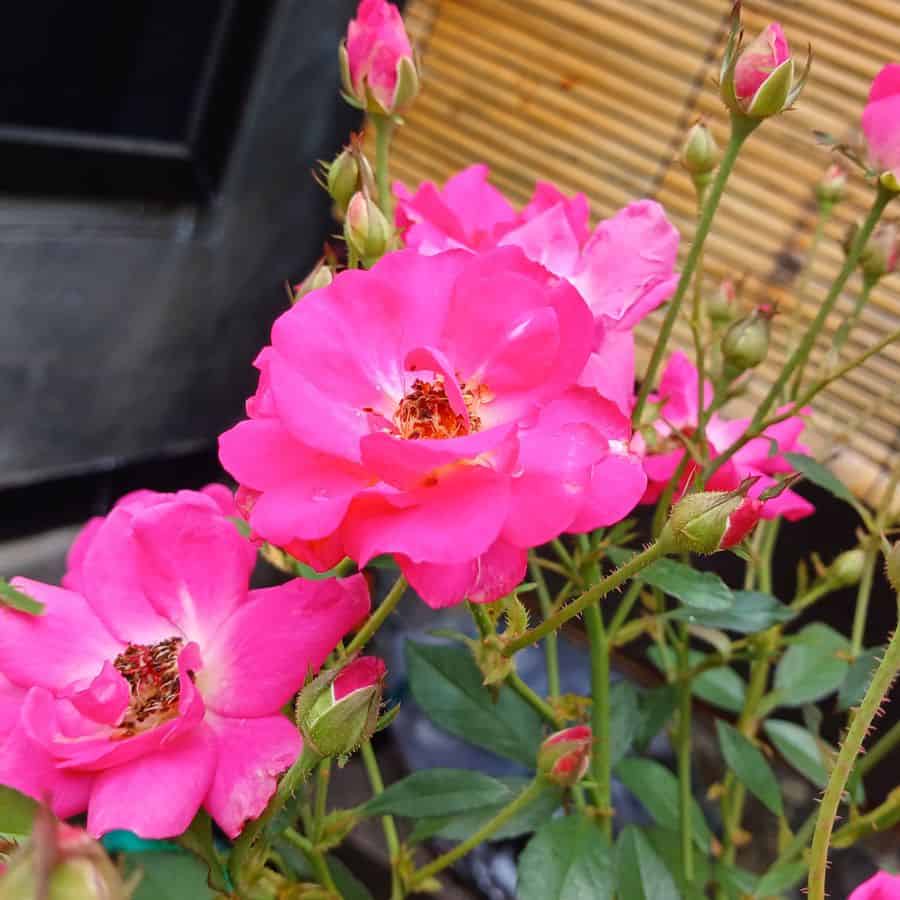
These breakthrough roses offer stunning colors without the traditional rose drama. They’re like roses that went to therapy and came back with much healthier attitudes.
For continuous blooming, give them a light pruning and remove spent flowers. Your reward? Months of color and fall rose hips that feed birds.
5. Abelia: The Fragrant Overachiever
Semi-evergreen in zones 6-9, abelia produces delicate, fragrant tubular blooms from late spring through fall. Even after flowering, its bronzed foliage creates spectacular winter interest.
Abelia is the multitasking marvel of the garden, simultaneously attracting hummingbirds while handling both sun and shade. It’s the reliable friend who always shows up and never disappoints.
6. Viburnum Tinus: The Winter-to-Spring Transition Specialist
This evergreen viburnum (zones 7-10) bridges the gap between seasons with white or pink flower clusters in late winter through early spring, followed by metallic-blue berries that persist for months.
It’s like having two shrubs in one, a flowering beauty and a berry producer, while maintaining an elegant evergreen structure year-round.
7. Gardenia: The Fragrance Powerhouse
Nothing perfumes a garden like gardenias (zones 7-10). Their intoxicating white blooms appear heavily in late spring with sporadic encore performances into fall, especially in warmer areas.
Your gardenia is trying to tell you something important. It needs acidic soil and partial shade to perform at its best. Plant near a path or window where its fragrance becomes a daily revelation.
8. Daphne: The Winter Perfumer
When winter seems endless, daphne (zones 7-9) arrives with intensely fragrant pink or white blooms that can perfume an entire garden. Its evergreen foliage provides structure year-round.

Think of daphne as nature’s aromatherapy; a single stem brought indoors can transform a room. Just ensure excellent drainage; daphnes hate wet feet more than we hate Monday mornings.
9. Indian Hawthorn: The Coastal Survivor
This salt-tolerant trooper (zones 7-11) delivers pink or white spring blooms with occasional summer encores, plus attractive berries and glossy evergreen foliage.
Low-maintenance and unfazed by coastal conditions, Indian Hawthorn is the resilient beach lover of the shrub world, thriving where others surrender to salt spray and wind.
10. Loropetalum: The Color Factory
Also called Chinese Fringe Flower, Loropetalum (zones 7-10) is a true color factory.
Its burgundy foliage provides year-round drama, while its electric pink or white, fringe-like blooms explode in spring, with follow-up performances into fall.
It’s the garden equivalent of a fireworks display that occasionally reignites just when you thought the show was over.
11. Mahonia: The Architectural Wonder
Mahonia brings drama to winter gardens (zones 6-9) with spiny, architectural foliage and bright yellow winter blooms when the garden needs them most. Come spring, blue-black berries attract birds.
Perfect for shade, mahonia is like that friend with a bold fashion sense who always stands out in a crowd. You can spot it from across the garden in any season.
12. Butterfly Bush: The Pollinator Paradise
In warm zones, butterfly bush (zones 5-10) blooms nearly year-round with fragrant spikes in purple, pink, white, or blue that act like pollinator magnets.
Regular pruning keeps it producing new blooms. Most people make this mistake with their butterfly bush. They forget to cut it back, resulting in fewer of those spectacular flower spikes that butterflies find irresistible.
13. Mexican Heather: The Delicate Powerhouse
Don’t let its dainty appearance fool you. Mexican Heather (zones 8-11) is a flowering machine, producing tiny lavender, pink, or white blooms almost continuously in warm climates.
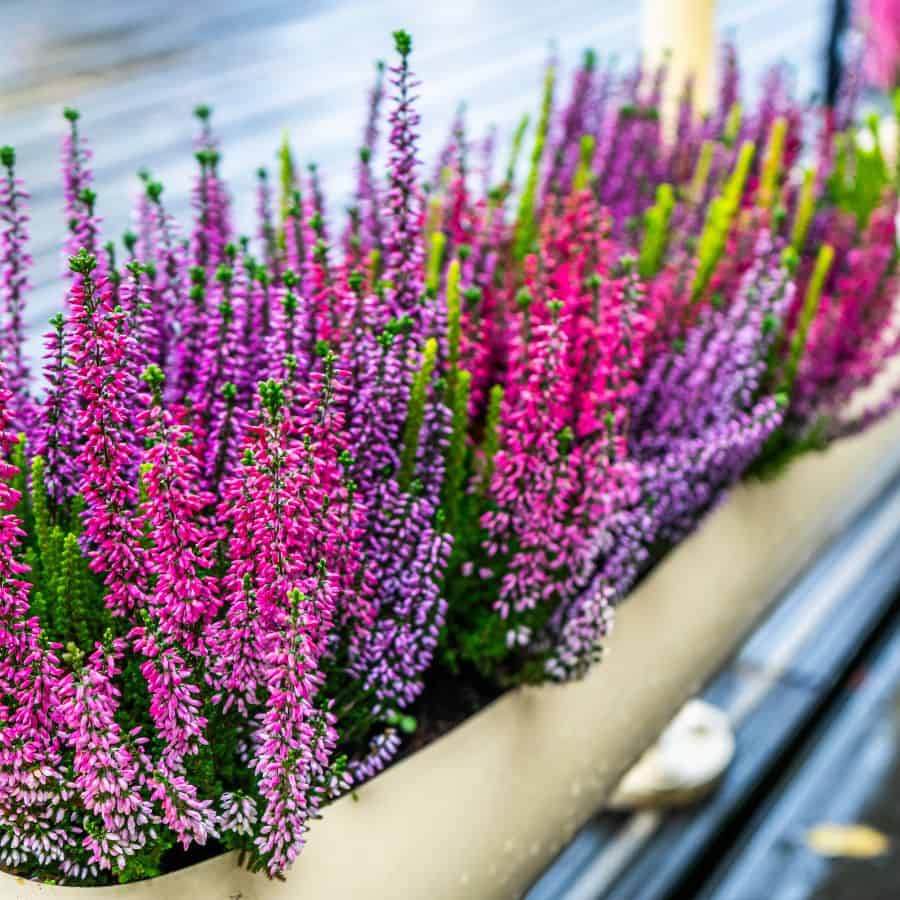
Its fine-textured foliage creates the perfect backdrop for its never-ending flower display. Think of it as the garden’s hardest worker disguised as its most delicate member.
14. Grevillea: The Exotic Drought-Tolerant Marvel
Native to Australia, grevilleas (zones 8-11) produce otherworldly spider-like flowers throughout the year in warm climates. Available in red, orange, pink, or yellow, they’re hummingbird heaven.
Their water-wise nature makes them perfect for drought-prone areas. They’re like desert survivors with supermodel good looks, stunning without demanding constant attention.
15. Hebe: The Compact Showstopper
These architectural gems (zones 7-10) deliver purple, pink, or white blooms from late spring through fall while maintaining attractive evergreen foliage year-round.
Perfect for small gardens or containers, hebes pack maximum impact into minimal space. They’re like the studio apartments of the shrub world, compact but brilliantly designed.
Master Gardener Secret: Creating Year-Round Magic
The difference between amateur and pro plant parents is simply strategic planning. Here’s how to create continuous garden drama:
- Layer with intention: Plant shrubs with overlapping bloom times
- Think beyond flowers: Select for colorful foliage, berries, and interesting bark
- Consider all angles: Plan for views from indoors during harsh weather
- Create wildlife hubs: Shrubs that feed birds and pollinators bring your garden to life
A garden that never sleeps isn’t just a dream. It’s completely achievable with these powerhouse shrubs. By selecting just a few from this elite group, you can create a landscape that delivers stunning transformations through every season.
Why settle for brief moments of garden glory when you could have continuous drama all year long? Your neighbors will wonder how you do it, but now you know the secret!