Your hydrangeas are sending you a secret message right now, and most gardeners completely miss it. That gorgeous shrub isn’t just winding down for winter.
It’s actively preparing for next year’s spectacular show. And what you do (or don’t do) this September could be the difference between a jaw-dropping display or a disappointing dud come spring. (Trust me, I’ve learned this lesson the hard way!)
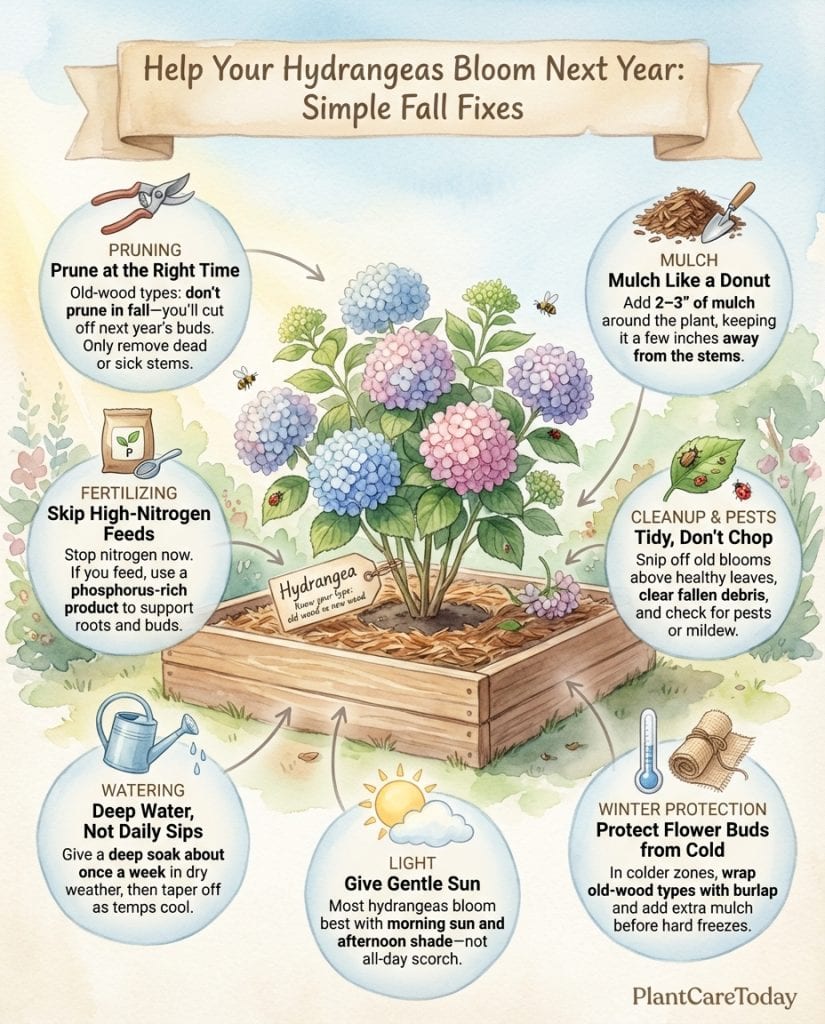
The Shocking Truth: Your Pruning Shears Might Be Bloom Killers
Most people make this mistake with their hydrangeas: they treat them all the same. But that innocent September trim? It might be silently destroying next year’s flower show.
Hydrangeas are like moody teenagers. Each type needs its own special handling. Understanding which variety you have is the game-changer that separates lush, flower-covered shrubs from sad, leafy disappointments.
Here’s your hydrangea decoder ring:
- Old-wood bloomers (Bigleaf/Hydrangea macrophylla and Oakleaf/Hydrangea quercifolia): Their flower buds for NEXT year are forming RIGHT NOW. September pruning = no flowers next year!
- New-wood bloomers (Panicle/Hydrangea paniculata and Smooth/Hydrangea arborescens): These easy-going types bloom on fresh growth and can handle some fall trimming.
Forget what you’ve heard about fall cleanup being essential for all shrubs. With old-wood hydrangeas, those pruning shears should be locked away until after flowering next summer!
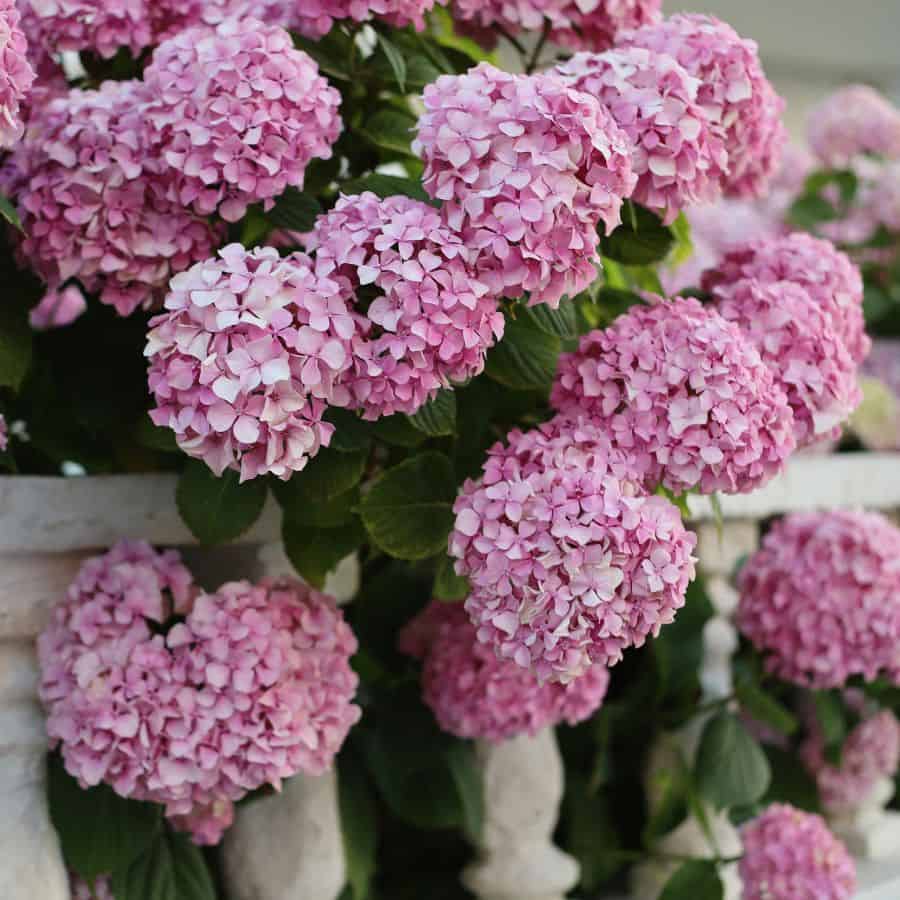
Your September Hydrangea Rescue Plan: 7 Steps to Stunning Blooms
The difference between amateur and pro plant parents is simply knowing what to do and when. Here’s your step-by-step blueprint for September hydrangea magic:
1. The Pruning Protocol (Handle With Care!)
For old-wood bloomers (Bigleaf and Oakleaf):
- Put those pruners DOWN! September cuts = zero spring blooms
- Only remove dead or diseased branches
- If you desperately need to shape, do it immediately after flowering, not in the fall
For new-wood bloomers (Panicle and Smooth):
- Light trimming is fine, but major pruning is better in late winter
- Focus on removing weak or dead stems only
When in doubt, don’t prune at all! Did you know improper pruning is the #1 reason for hydrangeas failing to bloom?
A staggering 68% of “bloomless” hydrangeas are simply victims of bad pruning timing.
2. Rethink Your September Fertilizing Strategy
Your hydrangea is preparing for dormancy, not a growth spurt. The secret most plant experts won’t tell you is that September feeding should look completely different:
- STOP all nitrogen-heavy fertilizers – they create soft, wimpy growth that winter will destroy
- If you must feed, choose phosphorus-rich formulas that strengthen roots and buds
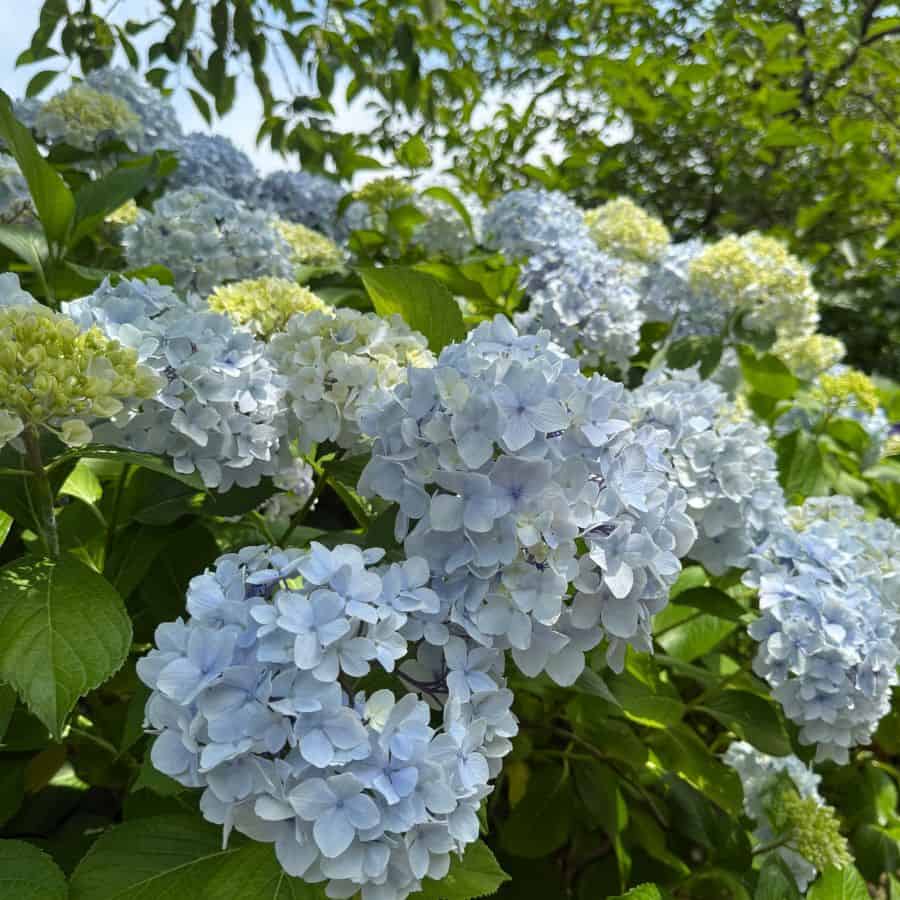
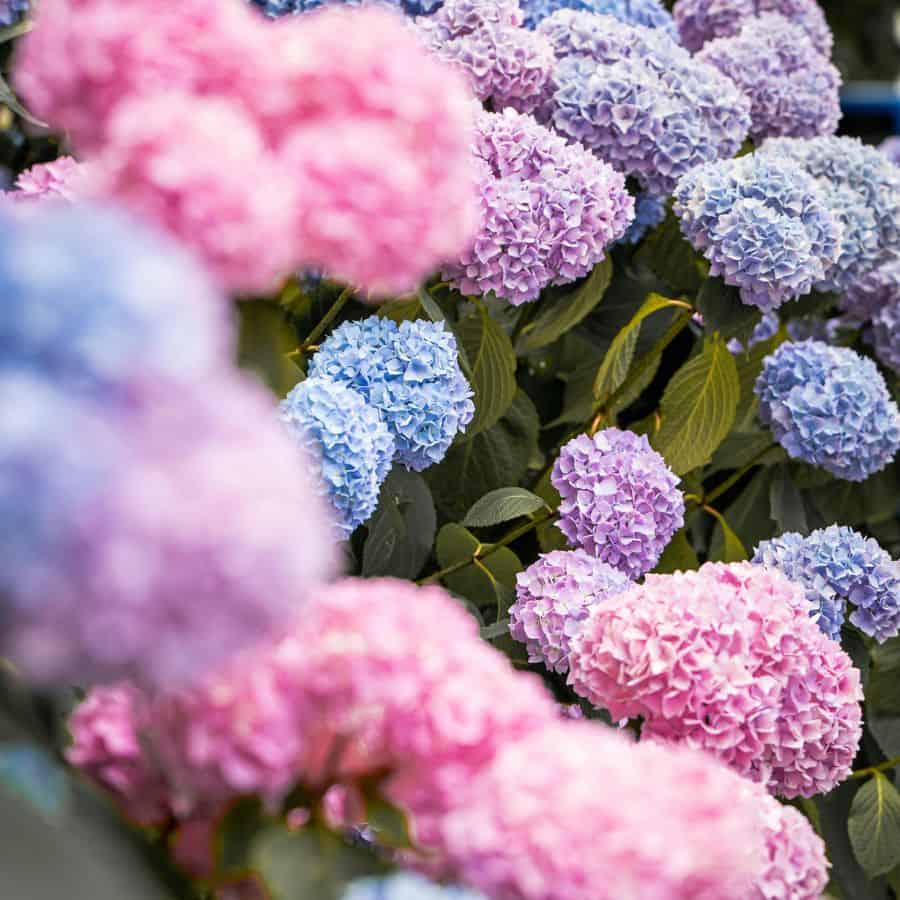
- For blue blooms, September is a great time to add soil acidifiers (your hydrangea’s color is determined by soil pH!).
3. Water Like Your Blooms Depend On It (They Do!)
September might feel cooler, but your hydrangea’s thirst hasn’t disappeared. Dehydrated roots now mean withered flowers later.
- Deep water weekly, especially during dry spells
- Gradually reduce frequency as temperatures drop
- Focus on the root zone, keeping foliage dry to prevent fungal issues
Think of proper fall hydration as building your hydrangea’s water reserves—like filling up its tank before the long winter journey.
4. Mulch Like You Mean It
I was shocked to discover that proper mulching can double your bloom count next spring! This simple step protects everything that matters:
- Apply a 2-3 inch protective blanket of mulch around the base
- Use shredded bark, pine straw, or compost
- Keep it 2-3 inches away from stems (think donut, not volcano!)
This insulating layer isn’t just for winter. It’s actively protecting those precious flower buds forming right now on old-wood varieties.
5. Clean Without Cutting
Your hydrangea deserves a gentle September spa treatment:
- Carefully remove spent blooms just above a set of healthy leaves
- Clear away fallen leaves and debris that could harbor diseases
- Inspect for pests hiding on stem joints and leaf undersides

6. Prevent Pest Problems Before They Start
September’s cooling temperatures don’t mean pest problems vanish. Stay vigilant:
- Treat any powdery mildew with neem oil or horticultural soap
- Remove (don’t compost!) any diseased leaves
- Check for scale, aphids, or spider mites hiding in branch crevices
7. Winter-Proof Your Blooming Investment
The game-changer for your hydrangeas isn’t what you think. It’s preparing for winter before it arrives:
For cold-climate gardeners (Zones 3-5):
- Plan to protect old-wood bloomers with burlap wraps once temperatures drop
- Consider building a protective cage filled with leaves for extreme cold
For moderate climates (Zones 6-7):
- Extra mulch is usually sufficient protection
- Be ready to cover plants during unexpected severe cold snaps
Rescue Your Struggling Hydrangea: Why Didn’t It Bloom?
If your hydrangea was a floral disappointment this year, September is your chance to turn things around. Here’s how to diagnose and fix the most common problems:
- Pruned at the wrong time: Did you “clean up” your Bigleaf hydrangea last fall? You likely cut off this year’s flower buds.
- Winter bud damage: Your flower buds formed but were killed by the cold. More protection needed!
- Fertilizer overload: Too much nitrogen creates gorgeous leaves but few flowers.
- Light issues: Most hydrangeas need morning sun and afternoon shade to produce their spectacular blooms.
Your September actions are like setting up dominoes that will cascade into stunning blooms next year. Skip these steps, and you’re essentially unplugging your hydrangea’s alarm clock—it might sleep right through the spring flowering party!
The vibrant, head-turning hydrangea display you’re dreaming about starts with the quiet, unsexy work you do right now. Your future self (and your neighbors, green with envy) will thank you for these few simple September steps!