That “yard trash” you’ve been raking up and tossing out? It might actually be the free garden help you’ve been looking for.
I was surprised to learn that those pine cones scattered across lawns every autumn aren’t just tree litter.
They’re actually useful in ways that rival many store-bought products. Worth a closer look before you toss them next time.
Nature’s Design (That You’ve Been Throwing Away)
Before we get into the garden uses, it helps to understand what pine cones actually are. These aren’t just random tree droppings. They’re seed protectors that coniferous trees have been perfecting for over 300 million years.
What matters most for your garden is how pine cones work. Their tough scales open and close in response to moisture and temperature, protecting seeds until conditions are right. This same durability makes them really useful for gardening.

Think of pine cones as nature’s multi-tools. Compact, useful in different ways, and always available when you need them.
Pine Cone Harvest: Timing Matters
Here’s something that helps: timing matters when collecting pine cones. Autumn (September through November) gives you the best ones, fully mature and ready to use.
Look for cones that are:
- Fully opened (showing they’re properly dried)
- Brown or tan (not green)
- Free from mold, rot, or obvious pest damage
To prepare your pine cones:
- Shake and brush away loose debris
- Rinse in water with a splash of vinegar
- Dry thoroughly in the sun or bake at 200°F for 20-30 minutes
- Store in breathable containers until needed
15 Ways Pine Cones Can Help Your Garden
1. Multi-Season Mulch
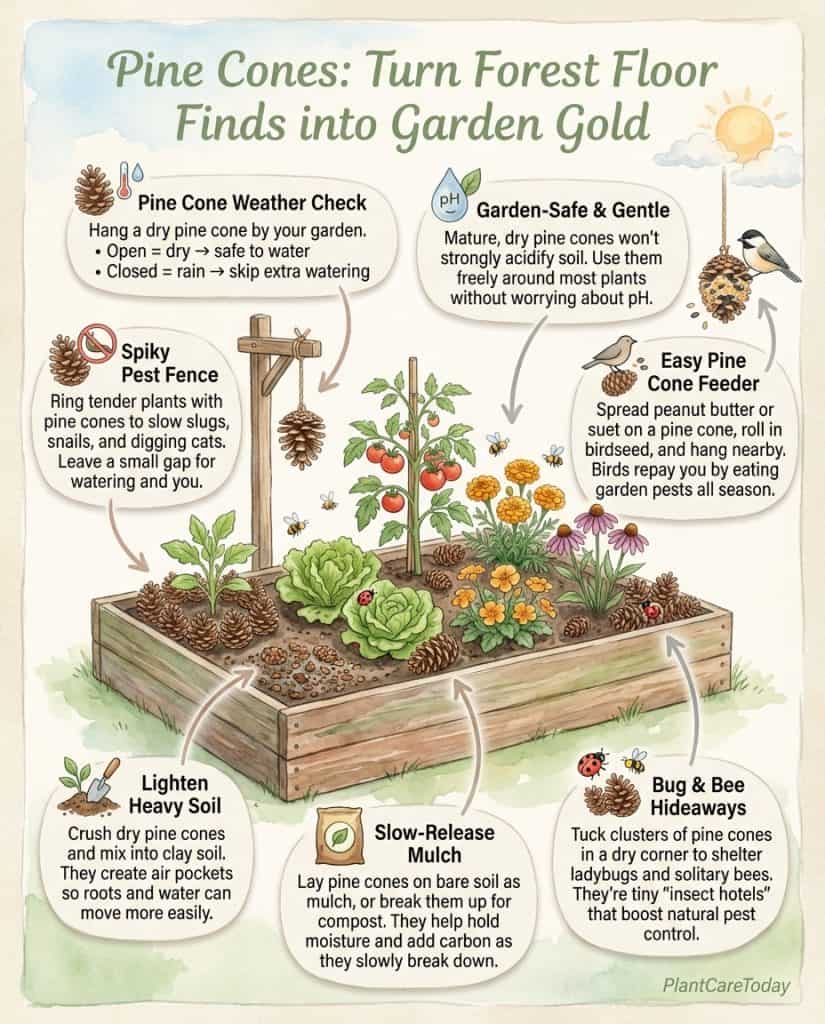
Forget expensive store-bought mulches that break down in weeks. Pine cones create a protective layer that regulates soil temperature, locks in moisture, and blocks weeds for seasons. Their woody structure decomposes slowly, gradually feeding your soil.

Helpful tip: Spread a 2-3 inch layer around perennials and trees, keeping them slightly away from stems to prevent rot.
2. Weed Blocker
Those weeds that keep you on your knees all summer? Pine cones help. They create a spiky layer that weeds struggle to penetrate. Their natural structure creates a blocking zone that’s pretty effective.
3. Moisture Manager
Pine cones act like tiny water reservoirs for your soil. Their structure absorbs water during rain and releases it gradually during dry periods. This gives your plants more consistent hydration without drowning.
Best for: Moisture-loving plants like hydrangeas, hostas, and shade perennials that don’t tolerate extreme wet-to-dry swings.
4. Soil Improver
Over time, pine cones help transform even stubborn clay soil into a better growing medium. As they break down, they create pockets for air, water, and beneficial microbes. This turns dense soil into something your plants’ roots can actually work with.
5. Container Drainage
Ditch those heavy rocks at the bottom of your planters. Pine cones create good drainage without the weight. Your potted plants will grow better as their roots enjoy a nice balance of moisture and airflow.
A 2-3 inch layer at the bottom of containers makes them much lighter while improving drainage better than gravel.
6. Frost Protection
When winter threatens your tender perennials, pine cones create insulation that protects plant crowns from killing frosts.
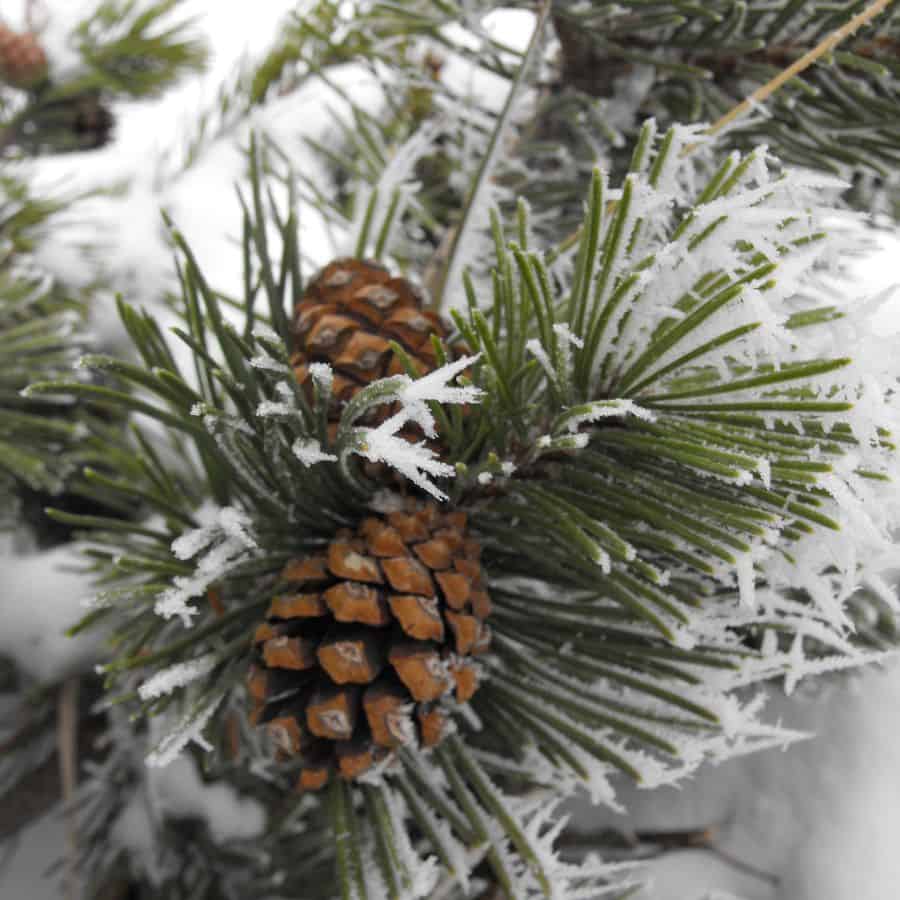
The air trapped within and between cones forms a protective microclimate that can mean the difference between survival and starting over in spring.
7. Garden Pathways
Transform basic garden paths with whole pine cones as edging or crushed cones as surface material. Beyond their natural look, they prevent erosion and stand up to foot traffic better than many commercial materials.
8. Seedling Protection
A common mistake with seedlings is leaving them unprotected from critters. Scattered pine cones create a barrier that discourages digging from cats, squirrels, and birds while still allowing light and water to reach your new plants.
9. Beneficial Bug Shelter
Your garden’s helpful insects: ladybugs, lacewings, and native bees—need shelter to stick around. Pine cones provide homes for these pest-controlling, pollinating insects. Place them in quiet corners of your garden to boost your beneficial bug population naturally.
10. Bird Feeders
Want more birds in your garden? Pine cones make good bird feeders when coated with peanut butter and rolled in seeds. Hang them from trees to invite natural pest control to your yard.
11. Compost Airflow
Your compost pile needs good airflow to work efficiently. Crushed pine cones create air channels throughout your compost, speeding up decomposition and preventing the sludgy mess that slows everything down.
The real trick with compost is balance. Pine cones add the carbon component needed to balance nitrogen-rich kitchen scraps.
12. Pest Deterrent
The resinous compounds in pine cones naturally repel certain garden pests, particularly ants and slugs. Their spiky texture also discourages larger pests from digging up your carefully planted beds.
13. Garden Décor
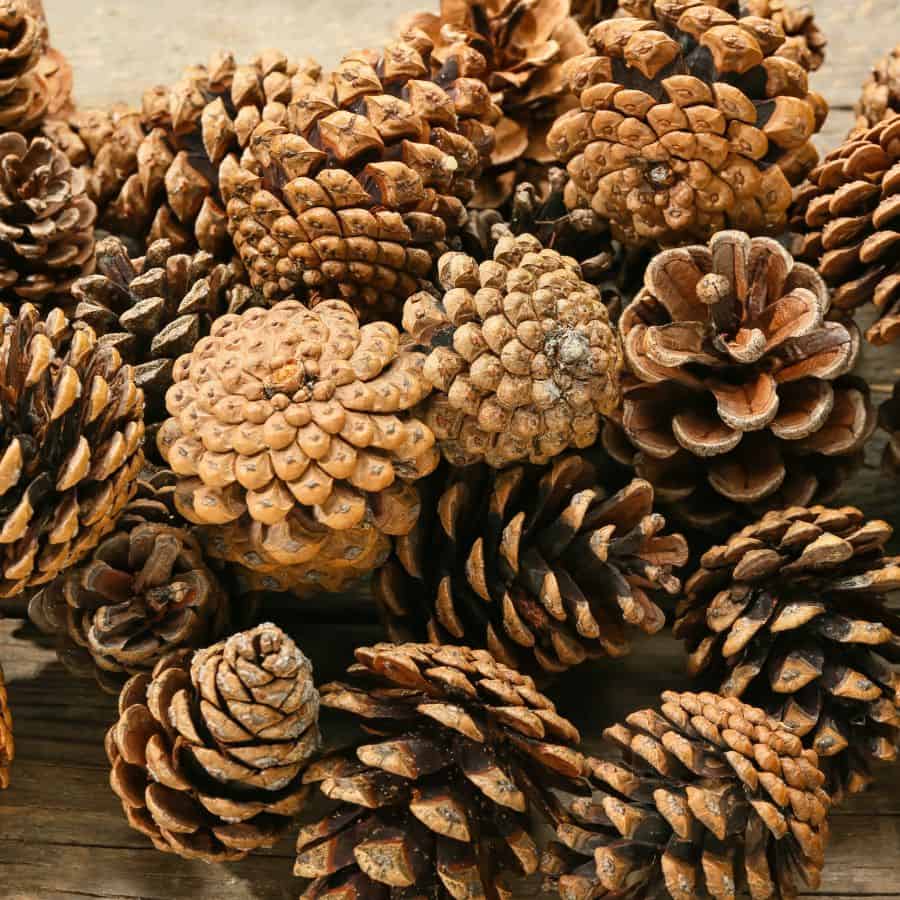
Beyond function, pine cones bring woodland charm to any garden space. From seasonal wreaths to plant markers, they add natural beauty while still being useful in your garden.
14. Raised Bed Filler
Filling deep raised beds with quality soil gets expensive fast. A thick bottom layer of pine cones reduces the amount of soil needed while improving drainage and aeration. Your plants’ roots will grow deeper and healthier with this natural foundation.
15. Fire-Safer Mulch
For those in wildfire-prone regions, whole pine cones (not shredded) offer a safer mulching alternative than fine materials like bark or straw. Their larger size means slower burning and reduced fire spread potential—though always follow local fire regulations.
A Few Quick Cautions
While pine cones are useful, a few simple precautions will help:
- Avoid fresh, sticky cones that haven’t fully dried
- Don’t pile them deeper than 4 inches (they can block water when too thick)
- Skip collecting from chemically treated areas if using near edibles
The best gardens often rely on natural solutions rather than store-bought products. Those pine cones littering your yard are actually free garden resources waiting to be used. Mother Nature’s been perfecting this tool for millions of years—worth putting it to work.