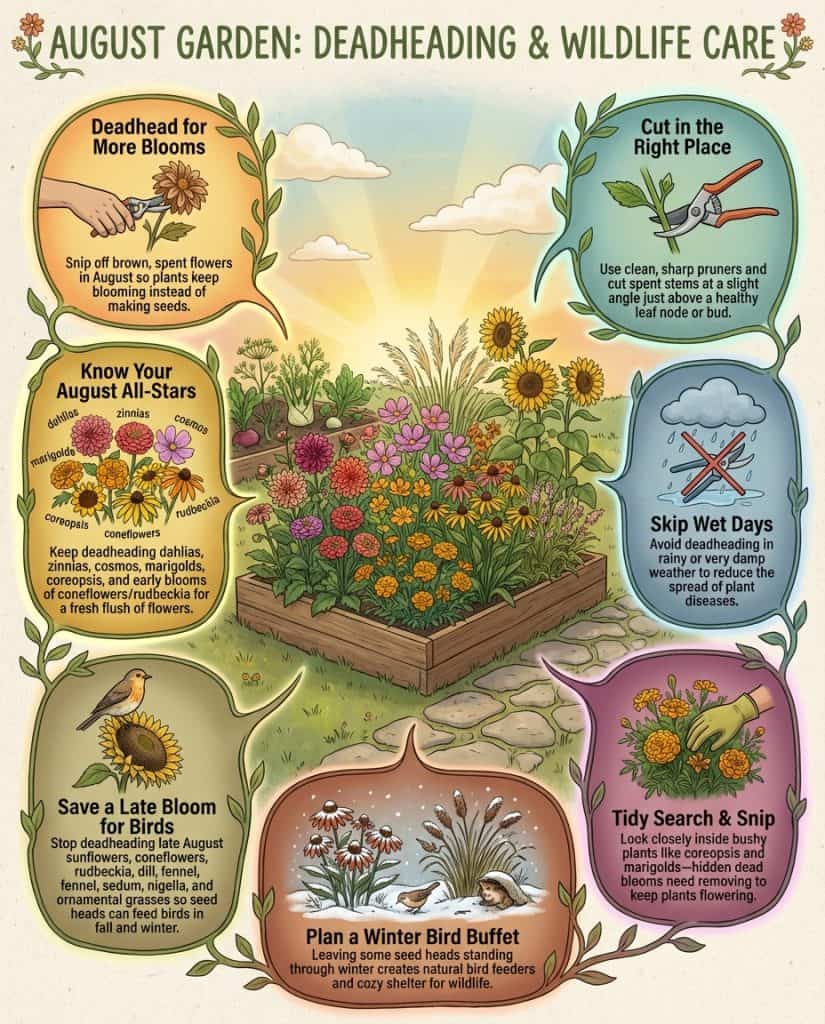
August doesn’t have to be the end for your garden. While other gardeners are calling it quits, you can keep things going strong with some simple pruning.
With the right approach, you can transform your garden from “almost over” to “just getting started.”
The real difference between new and experienced gardeners often comes down to August deadheading.
Why Your August Garden Deserves One More Chance
Most people make this mistake with their summer flowers: they see a few brown blooms and mentally check out.
But your plants have more to give. About 85% of common garden perennials can produce additional blooms when properly deadheaded in late summer.
Think of deadheading as your garden’s espresso shot. It’s not just about aesthetics. It’s about redirecting your plants’ energy.
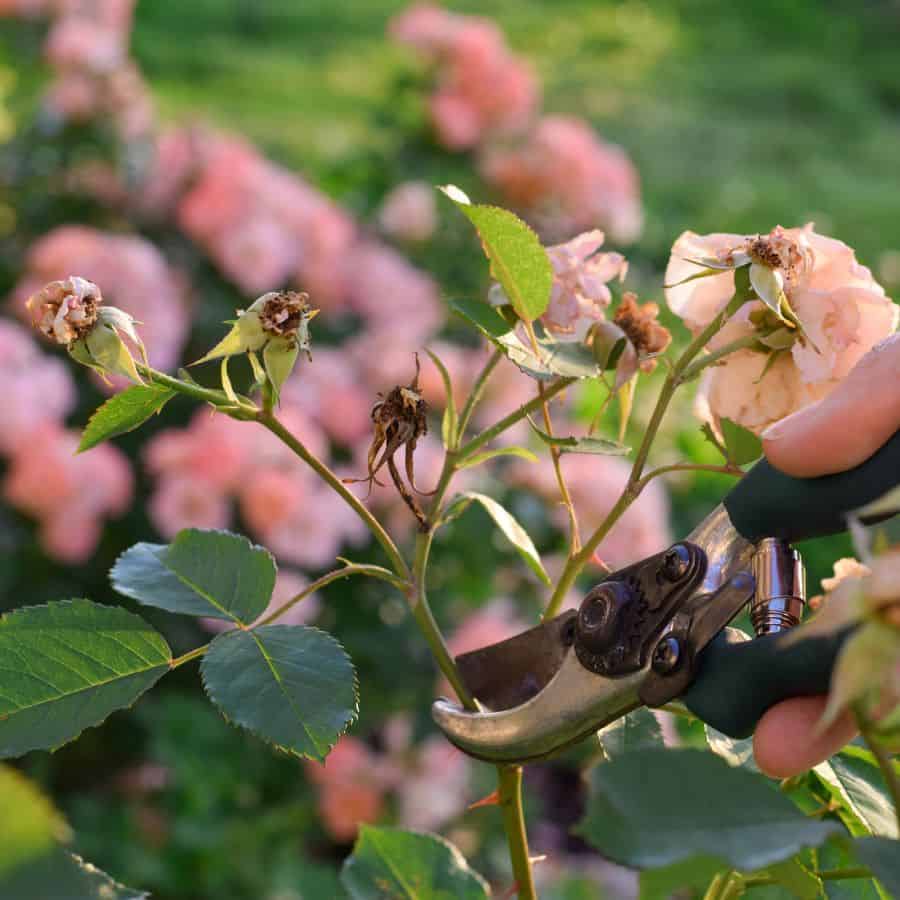
When you snip those spent blooms, you’re telling your plant: “Not time for seeds yet. Keep blooming.”
Deadheading is basically telling your flowers they can’t retire yet. They’ve got to keep working. Harsh? Maybe. Effective? Absolutely.
The August Deadheading Hit List: These Plants Need You NOW
Some flowers are ready to put in overtime with just a little encouragement. Here’s your must-snip list:
Dahlias: These are high-maintenance but worth it. Deadhead them regularly, and they’ll reward you with a nice encore of blooms well into fall.
Zinnias & Cosmos: The workaholics of your garden. Snip above a leaf node on zinnias and watch them produce new blooms. Cosmos will try to go to seed the second you turn your back. Don’t let them.
Marigolds: These tough performers need just a quick trim to stay compact and bright. Their cheerful faces will keep going until the first frost.
Coreopsis: Be thorough here. Their fresh blooms often hide the spent ones. A good search-and-snip session will keep these golden beauties producing.
Rudbeckia & Coneflowers: These need a split approach. Deadhead in early August for bonus blooms, then let the late August flowers go to seed (more on why below).
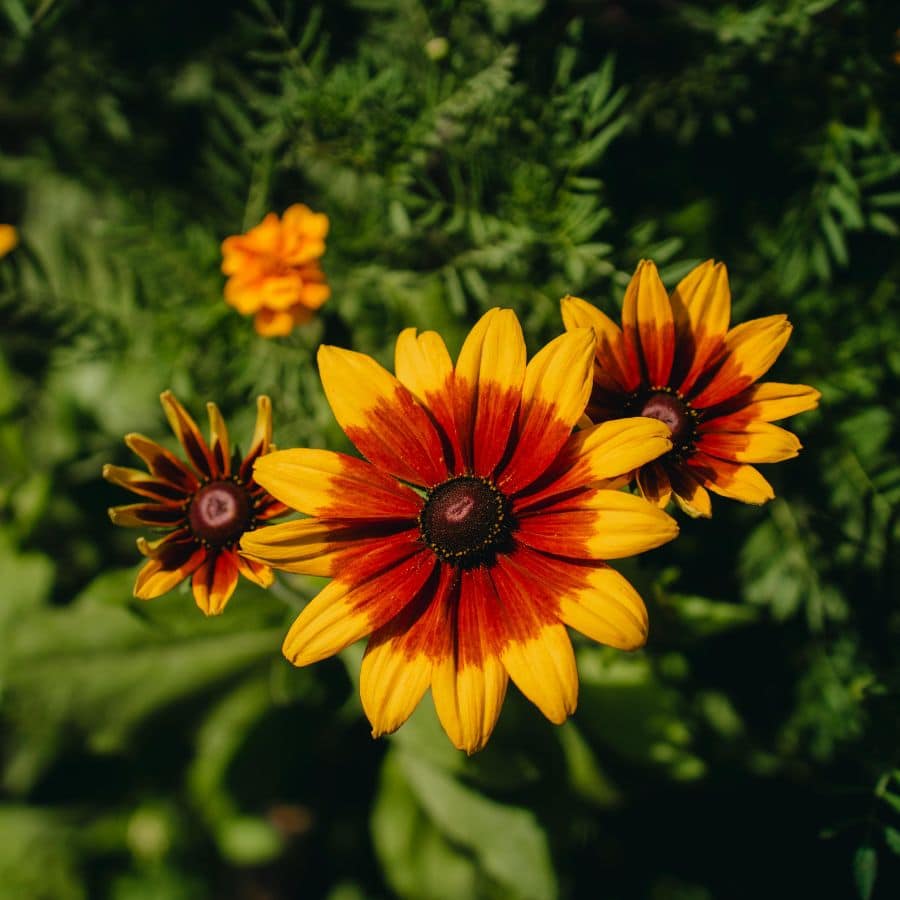
Properly deadheaded zinnias can produce up to 3x more blooms than those left alone. That’s like getting three plants for the price of one.
When to Put Down the Scissors: Your Bird Buffet Planning Guide
Don’t cut everything back. Some plants should keep their seed heads. By late August, it’s time to start planning your garden’s winter bird buffet:
Sunflowers, Rudbeckia & Coneflowers: The last round of these should be left to dry naturally. Their seed heads are like restaurants for goldfinches and chickadees.
Dill & Fennel: These herbs offer double benefits. Seeds that attract both birds and beneficial insects. It’s like hosting a year-round ecological gathering in your garden.
Sedum & Nigella: Leave these for both winter interest and bird snacks. Their seed heads transform from summer softness to winter sculpture.
Ornamental Grasses: These become bird condos in winter. Their seeds provide food while their stalks offer shelter from harsh weather.
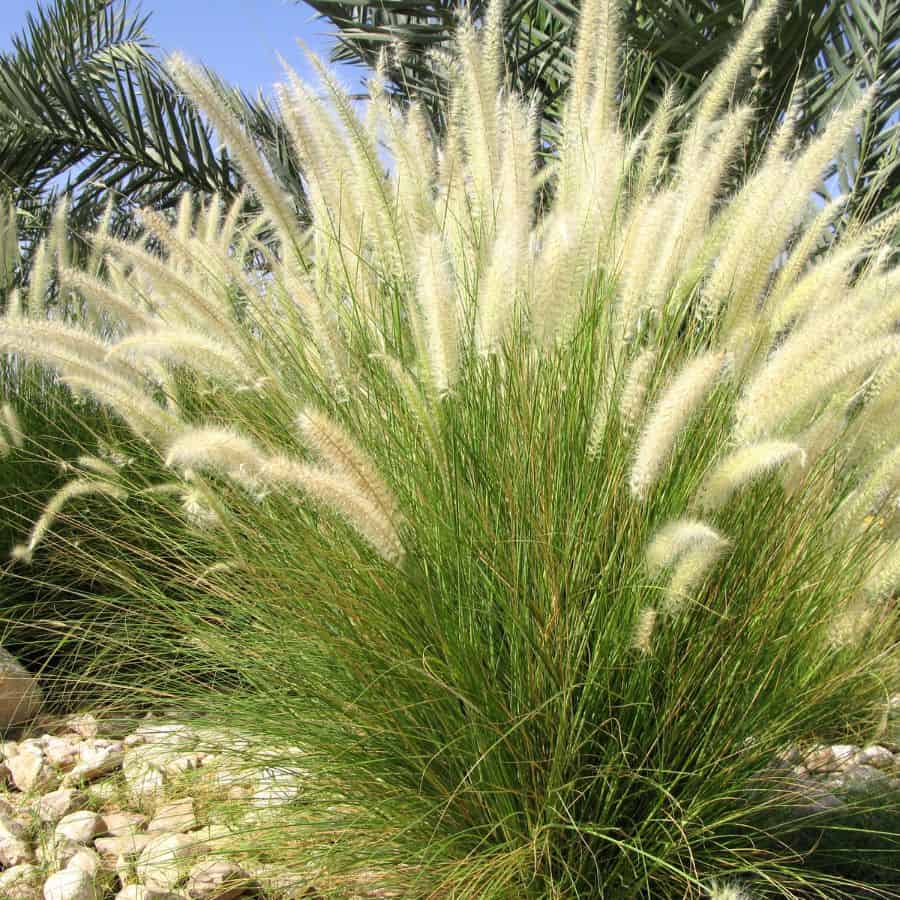
The best part about late summer gardening isn’t more plants. It’s strategic planning. By allowing some plants to go to seed, you’ll support over 40 species of songbirds during their critical winter feeding period.
Pro-Level Deadheading Techniques (Yes, There’s a Right Way)
Your scissors matter almost as much as your technique. Using dull, dirty blades is like performing surgery with a butter knife: messy and potentially harmful for your plants.
For deadheading like a pro:
• Use sharp, clean pruners or scissors to prevent disease transmission
• Cut at a 45-degree angle (this creates a natural “umbrella” that sheds water)
• Snip just above a fresh leaf node or bud to stimulate new growth
• Avoid deadheading during rainy days when disease can spread more easily
What matters most is attention to these details. That diagonal cut isn’t just garden snobbery. It’s practical plant protection.
Your August Garden: A Masterclass in Balance
Being a savvy gardener means mastering the art of both control and surrender. This dual approach, knowing when to snip and when to save, transforms your garden from a fading summer memory into a thriving, ecological space.
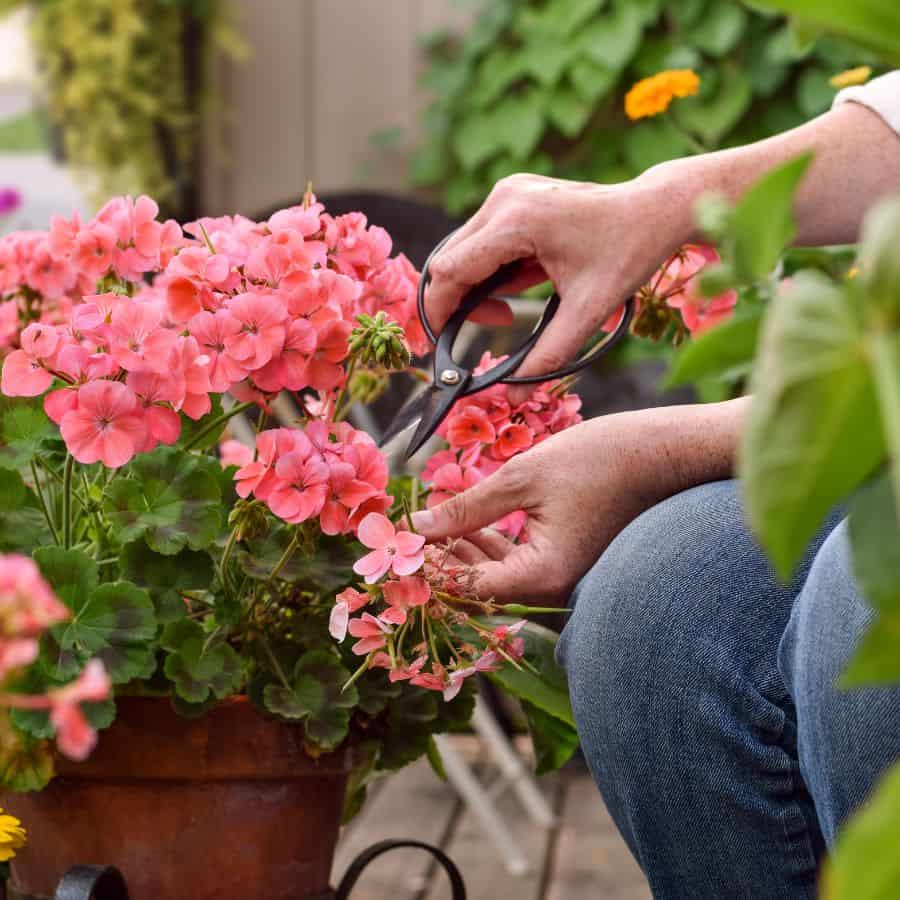
By deadheading strategically now, you’ll enjoy weeks of bonus blooms. Then, by preserving select seed heads later, you’ll create a bird sanctuary when winter arrives. It’s not just good gardening. It’s good planning.
So grab those pruners and give your August garden a boost. Your plants are capable of more than you think, and with just a few strategic snips, you’ll be the gardener who knows how to extend the seasons.