Wintercreeper forms mats so dense they block light from the soil entirely — Indiana counted the damage and banned all 44 of its worst invasive plants, cutting off legal wintercreeper sales by April 18, 2020. Garden centers made this problem. A state law is trying to unmake it.
Wintercreeper (Euonymus fortunei) is now a prohibited invasive plant in Indiana, illegal to sell, gift, barter, or distribute anywhere in the state. What makes that fact strange is the before-picture: this same plant spent decades lining garden center shelves, tagged as a tidy, low-maintenance groundcover. The forest floor remembers differently.
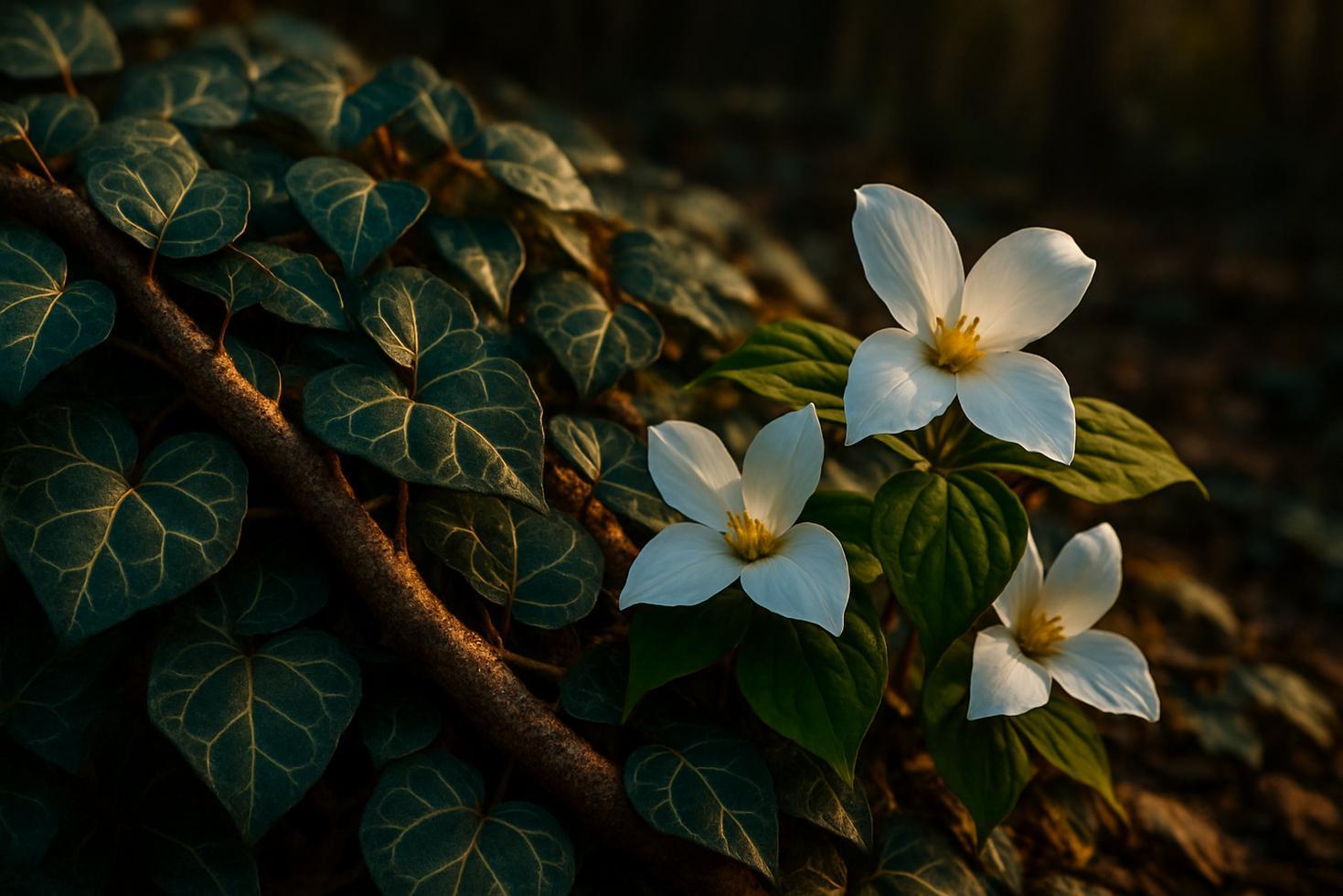
The ecological mechanism is straightforward. Wintercreeper is a perennial evergreen vine that forms dense, layered mats across the soil. Those mats outcompete native understory vegetation by blocking the light that spring wildflowers — trout lily, trillium, wild ginger — need to emerge. When the canopy seedlings of the trees themselves can’t establish, the forest stops replacing itself.
How Indiana’s Terrestrial Plant Rule Classified and Banned Wintercreeper
Indiana’s Terrestrial Plant Rule took effect April 18, 2019. It designated 44 invasive plant species as pests and made it illegal to sell, exchange, transport, or introduce them. Wintercreeper carries the highest regulatory status on the Indiana Invasive Plant List: Prohibited Invasive Terrestrial Plants under 312 IAC 18-3-25.
Nurseries holding existing stock got one additional year. the April 18, 2020 hard cutoff on existing trade stock ended any remaining legal pathway to sell wintercreeper commercially. A Purdue summary of the rule notes it covers 44 of the 46 invasive plants rated high-risk at the time of adoption.
What Wintercreeper’s Mat Formation Actually Does to Native Understory Plants
The mat is the mechanism. Wintercreeper’s evergreen canopy persists year-round, unlike deciduous groundcovers that open the forest floor to winter and early-spring light. Native spring ephemerals depend on that light window. A wintercreeper mat closes it permanently.
The Indiana DNR treats this as a smothering process — dense mat formation outcompeting and displacing native vegetation — rather than a toxicity issue. The plant doesn’t poison its neighbors. It simply occupies the space so completely that neighbors cease to exist.
The forest floor these mats displaced took centuries to assemble — specific plant communities, specific timing, specific light. Wintercreeper arrived in neat pots and started erasing it on a much shorter schedule. Indiana’s 2019 rule can stop the next planting. It cannot undo the ones already in the ground.
The work of recovery belongs to the soil itself, one slow spring at a time.
Frequently Asked Questions
Is wintercreeper illegal to grow in Indiana?
Indiana’s rule prohibits sale, gifting, transport, and distribution — it regulates commerce and movement, not existing plants already established in private gardens.
When did Indiana ban wintercreeper sales?
The Terrestrial Plant Rule took effect April 18, 2019, and sales of nursery stock already in trade became prohibited one year later, on April 18, 2020.
Which native plants does wintercreeper displace in Indiana forests?
Trout lily, trillium, and wild ginger are among the native spring wildflowers displaced, along with tree seedlings that cannot establish beneath the mat.
How many invasive plants does Indiana’s Terrestrial Plant Rule cover?
The rule designates 44 invasive plant species as pests, covering 44 of the 46 plants rated high-risk at the time of adoption.