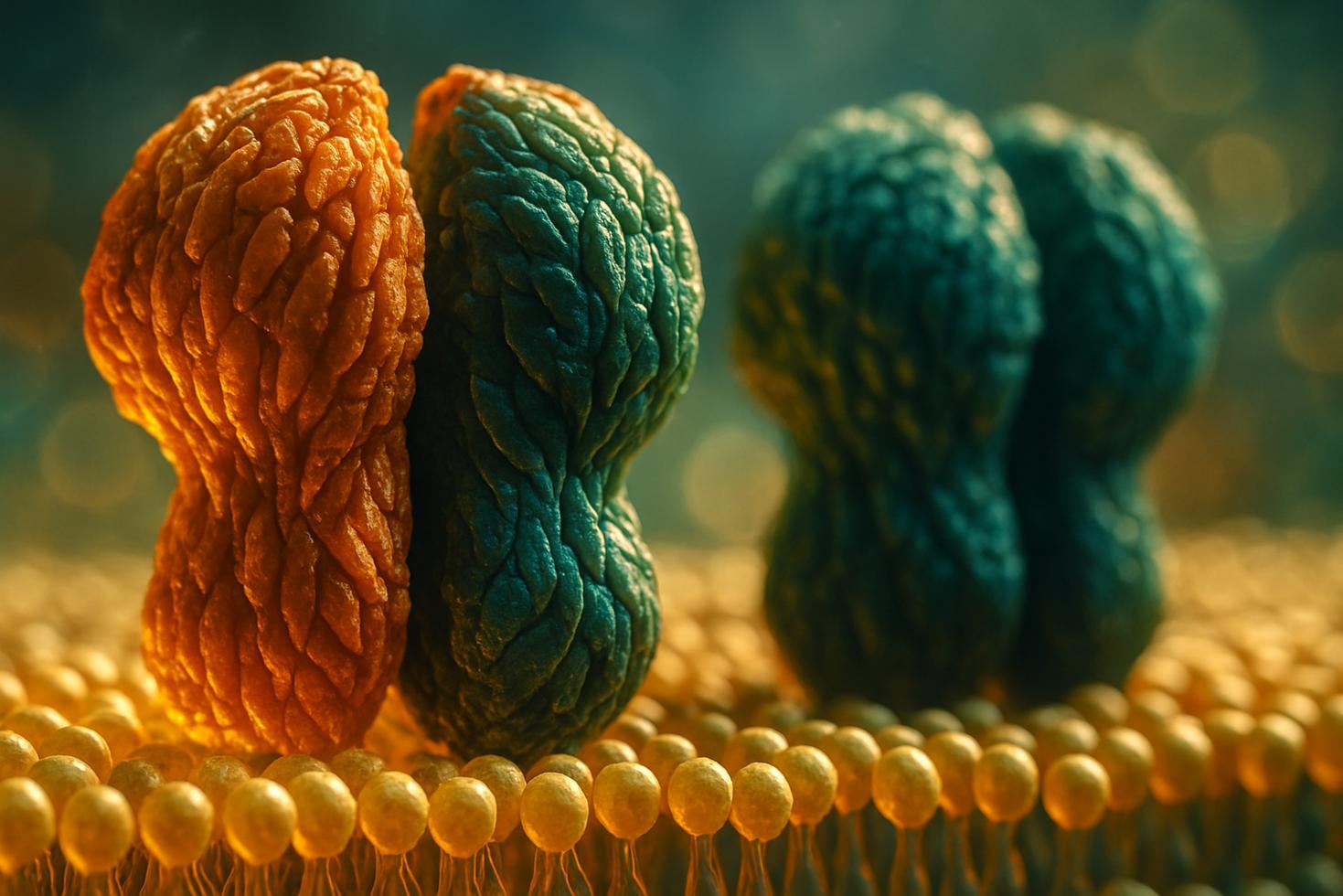
The sodium-potassium pump ejects 3 sodium ions for every 2 potassium pulled in — burning one ATP to sustain a 30-to-1 concentration split — continuously, across every animal cell.
The sodium-potassium pump is a membrane protein in animal cells that moves three sodium ions out and two potassium ions in for every single ATP molecule consumed. That unequal trade is not a flaw in the design — the imbalance is the entire point. The resulting concentration gradients power the electrical signals that run the heart, the brain, and every muscle in the body.
Celery enters this story sideways. Its phytochemicals do not touch the sodium-potassium pump at all. They work through a separate pathway — and that distinction is worth understanding clearly.
What the Sodium-Potassium Pump Actually Does Inside Animal Cells
This pump sits embedded in the cell membrane, cycling continuously. Each cycle burns one ATP molecule and physically relocates five ions — three sodium out, two potassium in.
The result is a steep chemical gradient on both sides. Potassium locked 30-to-1 inside cells is not passive accumulation. It is maintained against the natural tendency of ions to equalize, every second, without pause.
That gradient generates the resting membrane potential cells need to fire electrical signals. Stop the pump, and those signals collapse.
How Celery Phytochemicals Produce a Diuretic Effect
Celery contains bioactive compounds, particularly 3-n-butylphthalide and apigenin. Research on celery’s antihypertensive properties suggests these compounds may act as diuretics and vasodilators through calcium-channel-blocking and potassium-channel effects.
Celery’s proposed mechanism involves kidney-level pathways, not the sodium-potassium ATPase found in cell membranes. Standard diuretic drugs force sodium and potassium out together, which is why electrolyte disruption is a documented concern with many of them.
Celery phytochemicals, by contrast, do not appear to disrupt sodium-potassium balance in blood the way those drugs do — according to the available review literature. The mechanisms are still being investigated.
Frequently Asked Questions
What is the stoichiometry of the sodium-potassium pump?
The pump moves 3 sodium ions out of the cell and 2 potassium ions in, consuming one ATP molecule per cycle.
Why does the pump move unequal numbers of ions?
The 3-to-2 ratio creates a net outward movement of positive charge, which contributes directly to the cell’s resting membrane potential.
Does celery affect the sodium-potassium pump?
No. Celery phytochemicals such as 3-n-butylphthalide and apigenin appear to act on kidney pathways and vascular tone, not on the membrane ATPase pump in animal cells.
Do celery’s diuretic compounds disrupt electrolyte balance?
Available review literature suggests celery phytochemicals do not disrupt sodium-potassium balance in blood the way standard diuretic medications do, though research is ongoing.