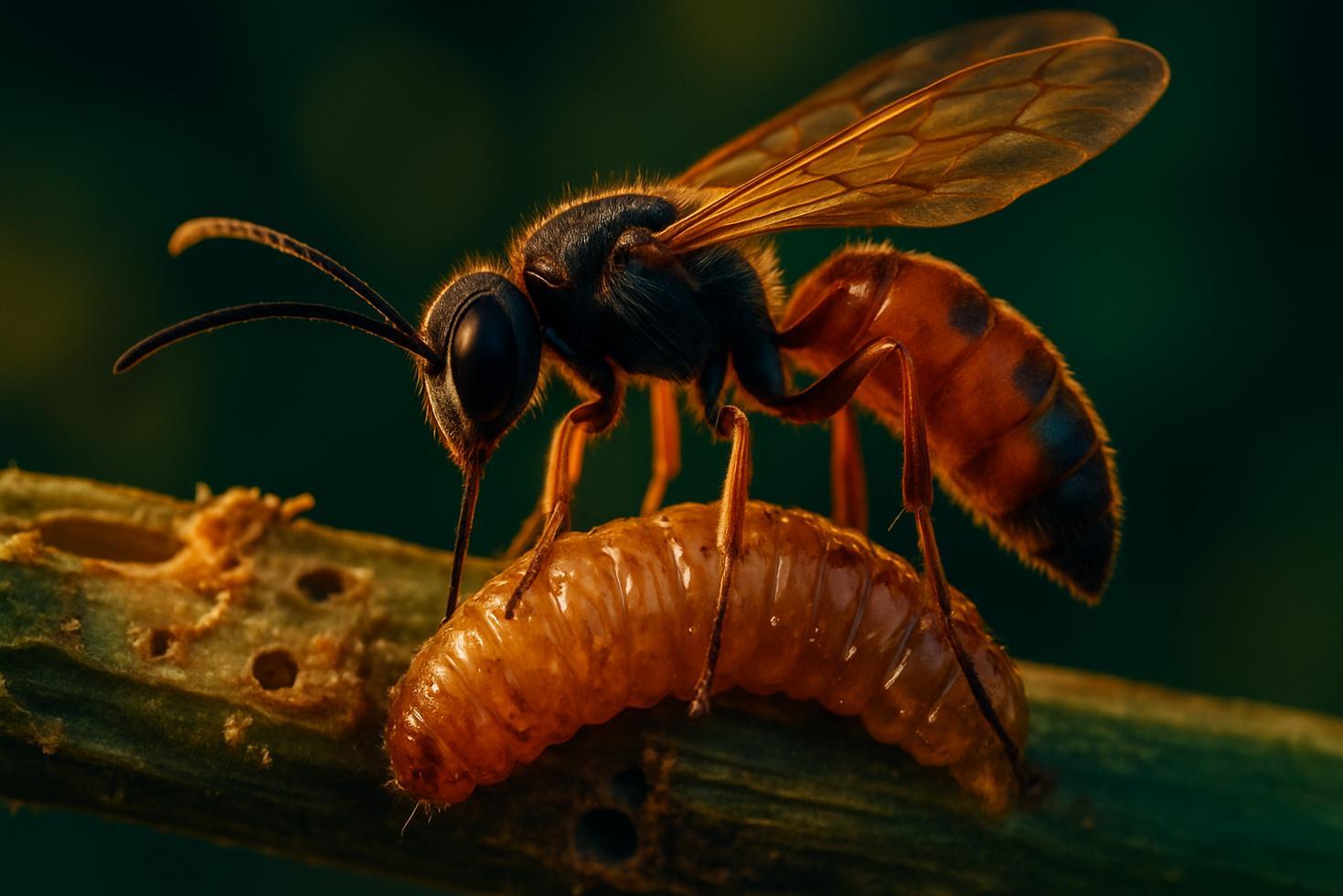
Foreign insects suppressing invasive pests across the U.S. passed a two-step federal screening — host-specificity tests, non-target impact studies, and a formal release petition — before a single one touched open soil.
Classical biological control — importing and permanently establishing natural enemies from another region to suppress a non-native pest — operates inside a formal, publicly described federal framework administered by USDA APHIS Plant Protection and Quarantine (PPQ) under 7 CFR 330. The idea that a foreign insect could quietly undo decades of invasive-pest damage, season after season, draws immediate curiosity. What’s less obvious is the regulatory infrastructure that makes it safe enough to try.
One historical review put the economic return from USDA classical biocontrol programs at at least $300 million per year, measured in 1993 dollars, with benefits continuing to accrue long after the initial releases.
How the Two-Step USDA APHIS Approval Process Works
A candidate natural enemy first enters a certified quarantine containment facility under an importation permit. No field release is considered until quarantine studies are complete. Then researchers submit a written petition to APHIS-PPQ requesting environmental release. Host-specificity testing drives the quarantine phase — scientists confirm the insect will not feed on native plants, contaminate plant products, or attack beneficial species before the petition moves forward.
What Ecological Screening Actually Measures
The screening is an ecological risk assessment, not a drug-style clinical trial. USDA guidance specifically targets harm to non-target organisms, with explicit attention to threatened and endangered plants and animals. Candidate insects that show feeding on non-target hosts, transmission of plant pathogens, or damage to beneficial species do not advance. APHIS works alongside USDA-ARS, the Forest Service, and university partners on natural enemy surveys, rearing systems, and post-release monitoring.
The Economic Scale of Classical Biocontrol in the U.S.
The $300 million-per-year figure — in 1993 dollars — comes from a historical review of USDA classical biocontrol programs, and the review notes that benefits continued accumulating after the period it examined. The mechanism behind that return is straightforward: established natural enemies keep suppressing pest populations without ongoing input costs. A pesticide application ends. A self-sustaining biocontrol population does not.
Forty-plus years of watching invasive species reshape landscapes makes the biocontrol approval process look less like bureaucracy and more like the one intervention that actually scales. The insects keep working. The screening is why that works without becoming a second problem.
Frequently Asked Questions
What law governs the USDA biocontrol approval process?
USDA APHIS authority for classical biological control importation operates under 7 CFR 330, within the broader Plant Protection Act framework of 7 U.S.C. 7701.
How long does federal quarantine testing take before a biocontrol insect is released?
USDA materials describe quarantine testing as a required phase before any release petition, but the sources do not specify a fixed duration.
What happens if a candidate insect fails host-specificity testing?
It does not advance to the release petition stage. APHIS screening is designed to stop candidates that show risk to non-target, threatened, or beneficial species.
Who conducts biocontrol research alongside APHIS?
APHIS-PPQ works with USDA-ARS, the U.S. Forest Service, and university partners on agent discovery, evaluation, rearing, and post-release monitoring.