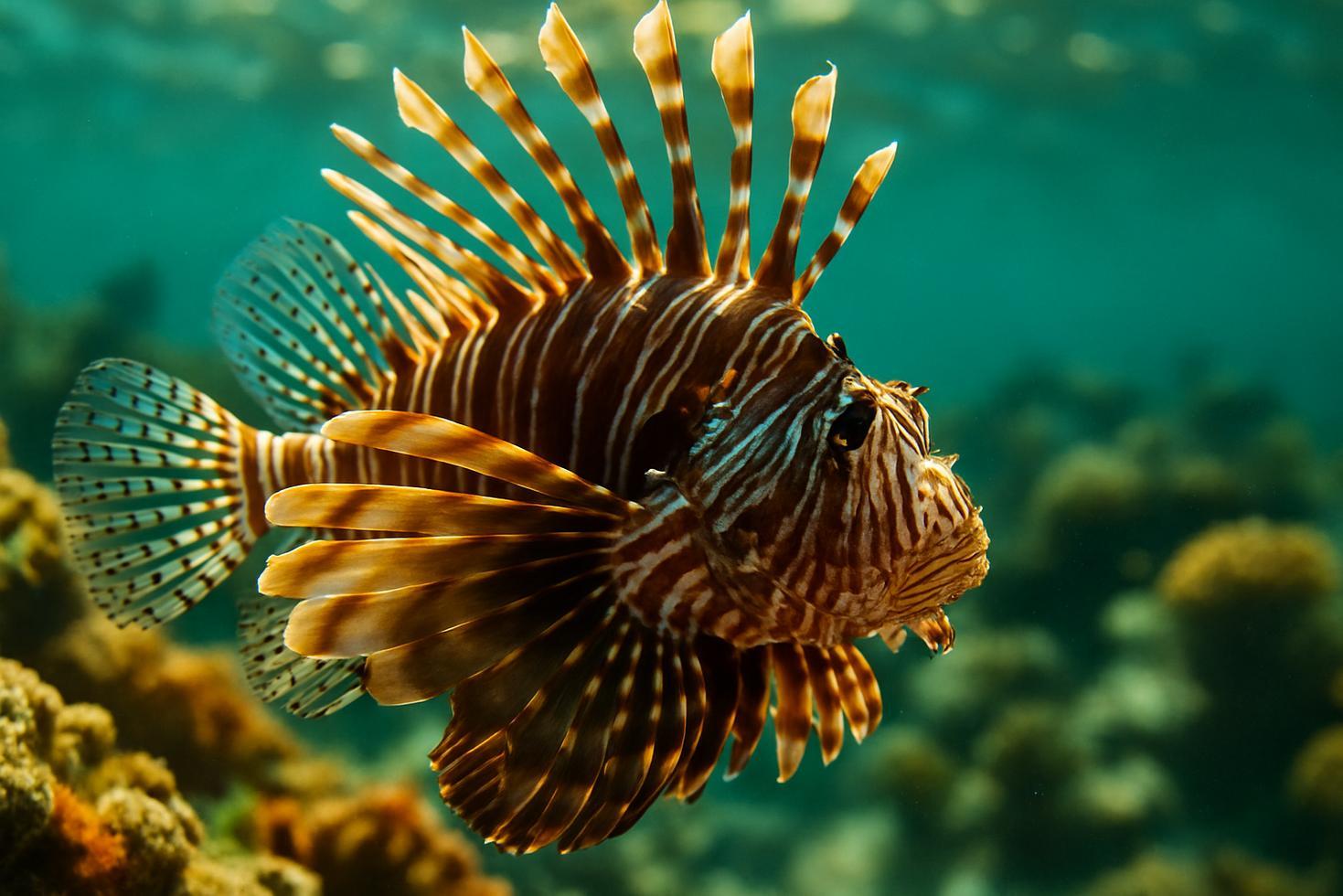
2,399 lionfish removed in Florida’s first annual event — up from 600 per average derby in 2014. The waived license changed everything.
Lionfish have no natural predators in Florida waters, and native reef fish show no instinctive fear of them — making them one of the most ecologically disruptive invasive species on Atlantic reefs. That biological reality is well documented. What Florida did about it is worth understanding in detail.
The Indo-Pacific origin of lionfish explains the problem precisely. Predators in their native range recognize and avoid them. Atlantic reef fish never developed that response, so a lionfish can hover openly on a coral head while juvenile grouper and snapper swim past without alarm.
What Florida’s License Waiver Actually Changed for Lionfish Harvest
FWC commissioners created Lionfish Removal and Awareness Day in February 2015, held annually the first Saturday after Mother’s Day. The regulatory mechanism behind it: Florida waived the recreational saltwater fishing license requirement for lionfish harvest using pole spears, Hawaiian slings, and dip nets.
That single policy change lowered the barrier to entry to zero for anyone willing to get in the water. No paperwork, no fee, no waiting.
How Removal Numbers Grew From 600 to 2,399 in One Year
Before the program launched, the average removal derby in 2014 cleared roughly 600 lionfish. In the first annual Lionfish Removal and Awareness Day in 2015, participants removed 2,399 lionfish statewide. A single Pensacola tournament accounted for 877 of those in two days alone.
Prize-based incentives amplified the license waiver’s reach. The Lionfish Challenge added structured competition across recreational and commercial categories, with rewards including fishing licenses, equipment, fuel cards, and dive tank refills. The 2016 program required removing 50 or more lionfish to qualify, and offered 100 red grouper tags and 30 cobia tags as prizes.
The 29,000+ figure referenced for a single Lionfish Challenge season comes from FWC program promotion and reflects the cumulative scale the multi-year effort reached.
Frequently Asked Questions
Does Florida really require no fishing license to catch lionfish?
Florida waives the recreational saltwater fishing license requirement specifically for lionfish harvest using pole spears, Hawaiian slings, and dip nets — it does not waive licensing for all fishing.
When does Florida’s Lionfish Removal and Awareness Day happen?
FWC set the date as the first Saturday after Mother’s Day each year, established by commission resolution in February 2015.
Why can’t native Florida reef fish defend themselves against lionfish?
Lionfish are native to the Indo-Pacific, where local predators recognize them. Atlantic reef fish have no evolutionary history with lionfish and show no instinctive avoidance behavior.
What prizes does the Lionfish Challenge offer?
Rewards have included fishing licenses, dive equipment, fuel cards, tank refills, and special harvest tags for species like red grouper and cobia, depending on the program year.