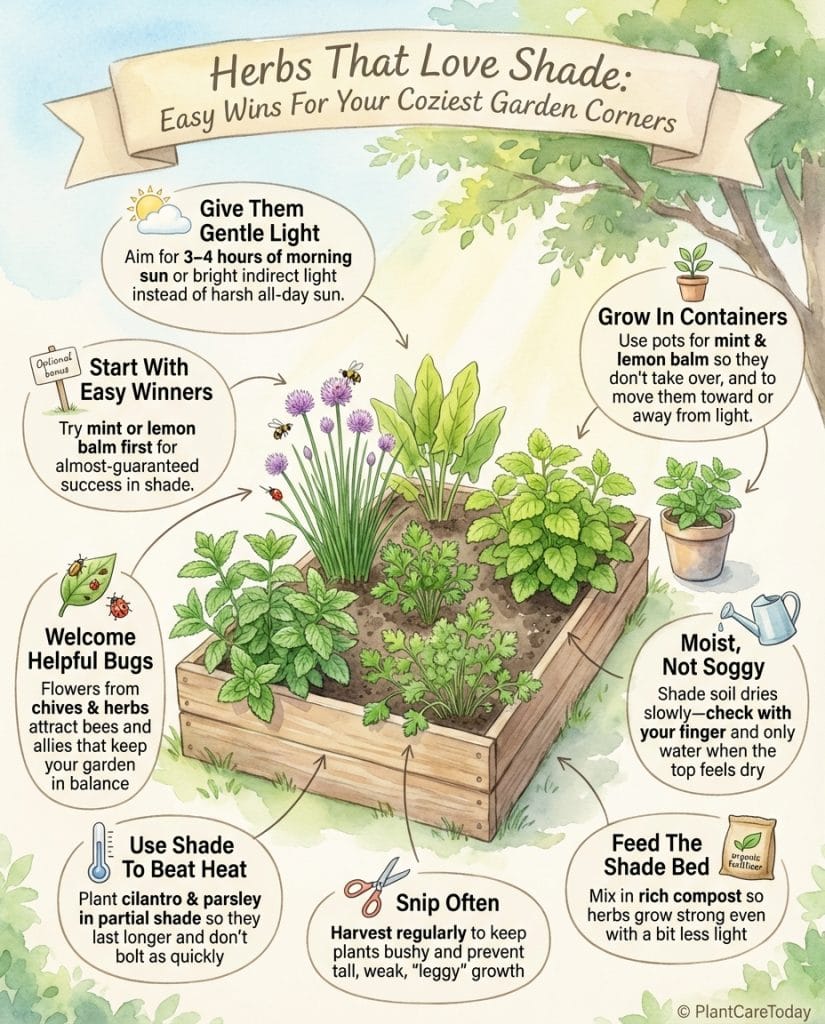
Think herbs need full sun to survive? Think again. I was shocked to discover that some of the most flavorful herbs actually prefer hanging out in the shadows.
After years of testing (and plenty of dead plants along the way), I’ve identified 9 shade-tolerant herbs that will transform those dim corners of your garden into vibrant, aromatic powerhouses.
Yes, Herbs CAN Flourish Without Baking in Sunlight!
The secret most plant experts won’t tell you is that many popular herbs don’t just survive in shade.
They actually thrive there! While these herbs aren’t looking for total darkness (like mushrooms plotting in a cave), they’re perfectly happy with just 3-4 hours of direct sun or bright indirect light daily.
Did you know? A surprising 40% of common culinary herbs can adapt to partial shade conditions! Your dim windowsill or that north-facing balcony isn’t the plant wasteland you thought it was.
Think of these shade-tolerant varieties as the introverts of the herb world. They still need some social time (sunlight), but too much exhausts them and sends them into retreat mode.
The Shade-Loving Superstars: 9 Herbs That Defy Expectations
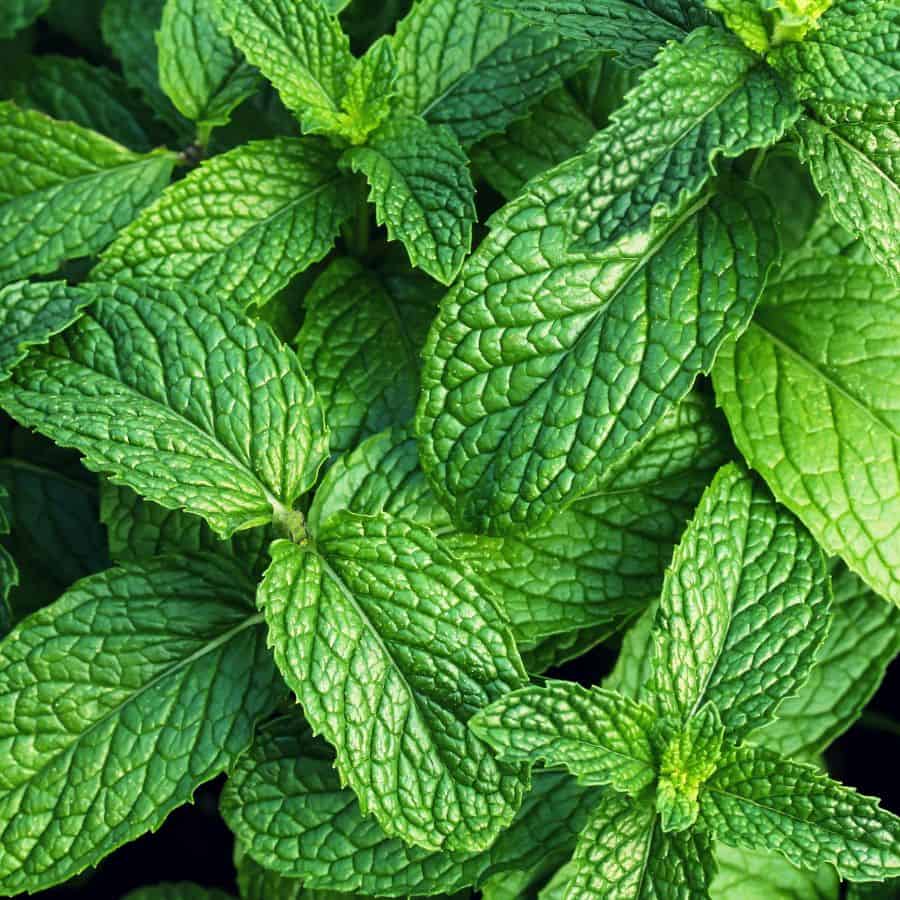
1. Mint: The Unstoppable Shadow-Dweller (Zones 3-11)
Mint is the party animal that never knows when to leave. It grows so vigorously in shade that you’ll wonder if it’s secretly photosynthesizing in the dark.
Plant it in containers unless you want a mint takeover that makes invasive species look polite. It thrives in moist, fertile soil with partial shade.
2. Parsley: The Patient Shade Performer (Zones 4-9)
Whether flat-leaf or curly, parsley tolerates shade well. It may grow slightly more slowly without full sun, but the flavor remains just as robust.
Keep the soil rich, well-drained, and consistently moist. Parsley dislikes drought.
3. Cilantro: The Shade Makes It Last Longer! (Zones 3-11)
Forget what you’ve heard about cilantro being finicky. In full sun, cilantro bolts faster than a startled cat, but in shade?
It chills out, literally, producing tender leaves for weeks longer. This makes it perfect for summer planting in partially shaded spots when other herbs are surrendering to the heat.
4. Chives: The Resilient Shade Adaptor (Zones 3-9)
Chives are the easy-going friend who fits in anywhere. They adapt quickly to shade while still producing those gorgeous purple flowers and flavorful stalks.
Plant them along the edges of raised beds or in small pots, and keep the soil lightly moist but well-drained.
5. Lemon Balm: The Citrusy Shade Lover (Zones 4-9)
The game-changer for your shady garden isn’t what you think. It’s lemon balm! This mint family member brings intense citrus flavor to teas and salads while flourishing beneath tree canopies or on shaded patios.
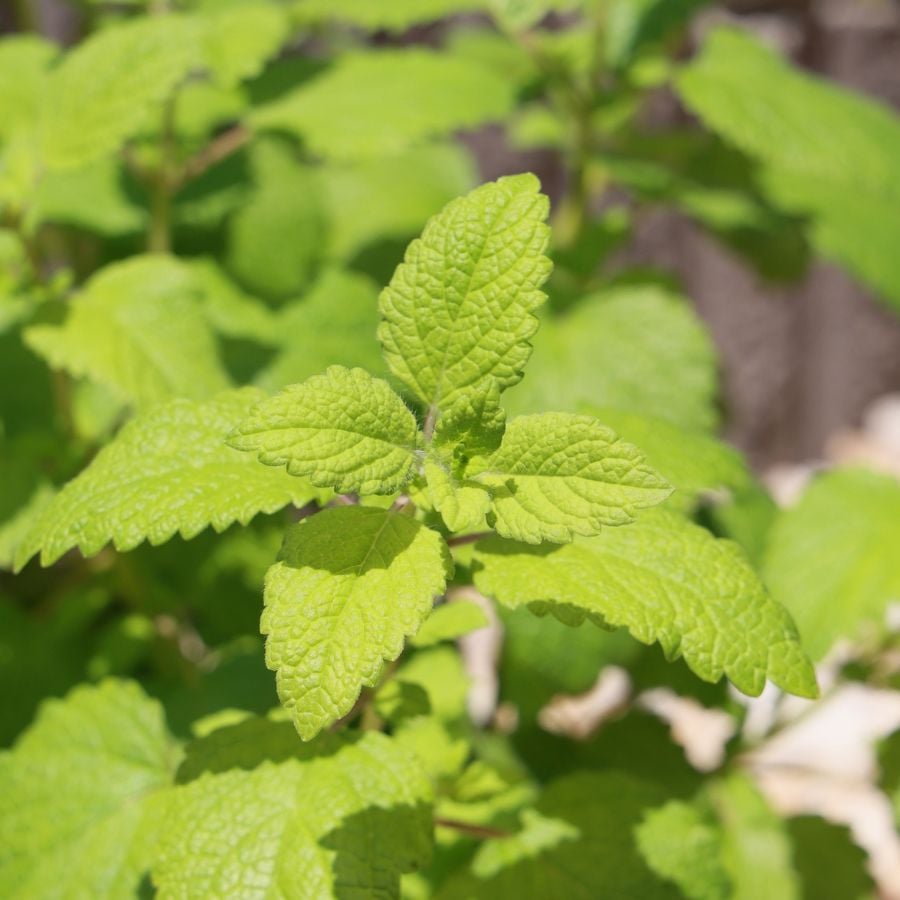
Like its mint cousin, it’s best contained in pots unless you enjoy garden takeovers.
6. French Tarragon: The Sophisticated Shade Dweller (Zones 4-9)
French tarragon actually prefers escaping the afternoon heat, making it perfect for spots with morning sun and afternoon shade.
Keep it on the drier side with well-drained soil. This herb hates wet feet more than bad company!
7. Lovage: The Forgotten Celery-Flavored Giant (Zones 3-9)
This old-school herb reaches impressive heights even in partial shade. With its powerful celery-like flavor, a little goes a long way in soups and stews.
Unlike many shade-tolerant herbs, lovage is a thirsty plant that demands moist, fertile soil.
8. Sweet Woodruff: The Woodland Wonder (Zones 4-8)
Sweet woodruff is like the forest fairy of herbs. It absolutely thrives in damp, shady conditions that would make other plants wither.
Its fragrant leaves have been used to flavor drinks for centuries, and once established, it forms a stunning ground cover that looks like a carpet of tiny white stars when in flower.
9. Sorrel: The Tangy Surprise (Zones 4-9)
Your garden is trying to tell you something important. It needs sorrel! This tangy, lemony herb brings a vibrant punch to soups and salads while thriving in partial shade.
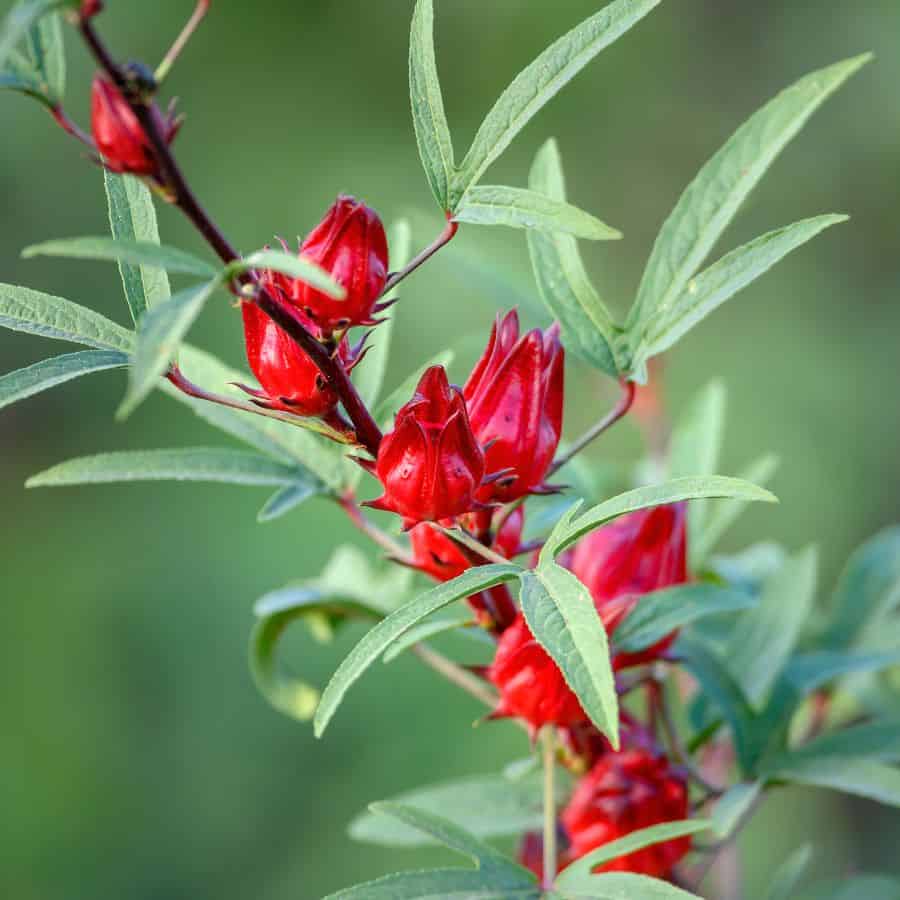
With moist, fertile soil, sorrel will reward you with delicious leaves that most of your neighbors have never even tasted!
5 Pro Tips to Make Your Shade Herbs Absolutely Flourish
- Strategic placement is everything: Position herbs to catch morning sun with afternoon shade protection
- Container growing is your secret weapon: Move potted herbs to follow light patterns as needed
- Harvest regularly: Frequent snipping prevents leggy growth that’s common in lower light
- Maintain moisture but avoid sogginess: Shade beds dry out slower, so check before watering
- Boost soil quality: Rich, well-drained soil helps compensate for less light
The difference between amateur and pro plant parents is simply understanding that plants don’t always need textbook conditions to thrive.
These shade-tolerant herbs prove that adaptation is possible with the right care approach.
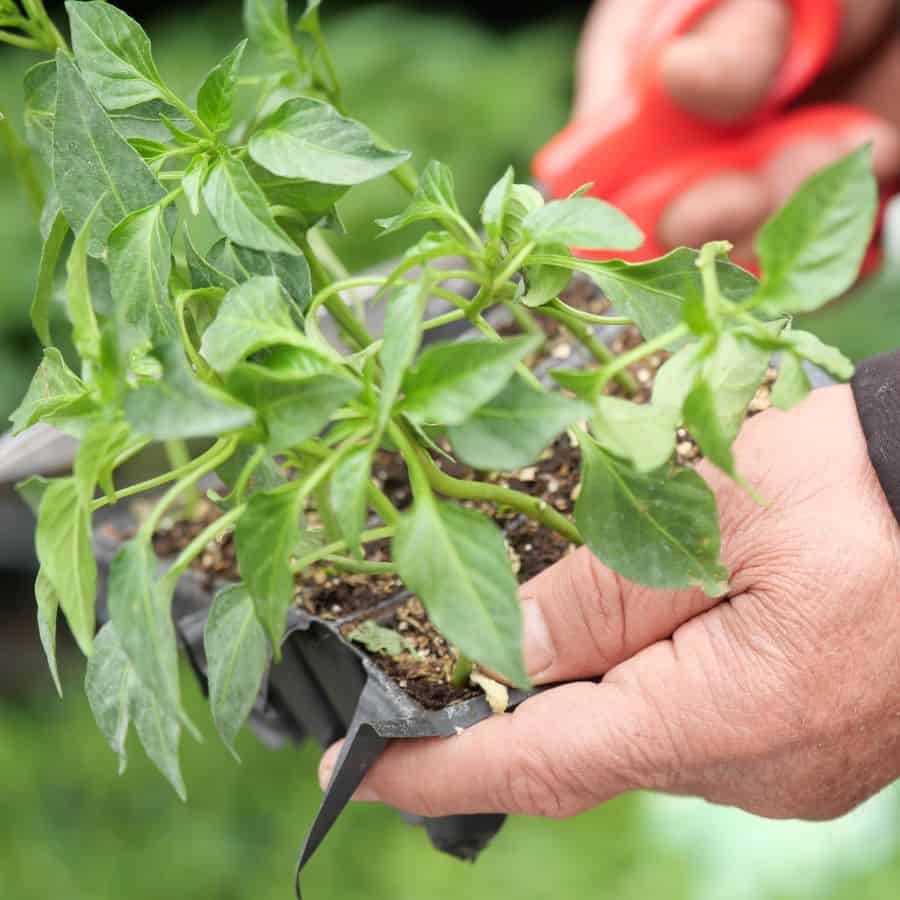
Most people make this mistake with their herbs: they give up on growing them entirely when they don’t have a sun-drenched garden.
Don’t let limited light steal your herb-growing joy! These nine varieties are just waiting to transform your shady spots into a flavorful wonderland.
Ready to rescue that dim corner of your garden? Start with mint or lemon balm for guaranteed success, then branch out to the others as your confidence grows.
Before long, you’ll be harvesting fresh herbs from spots you once thought were hopeless!