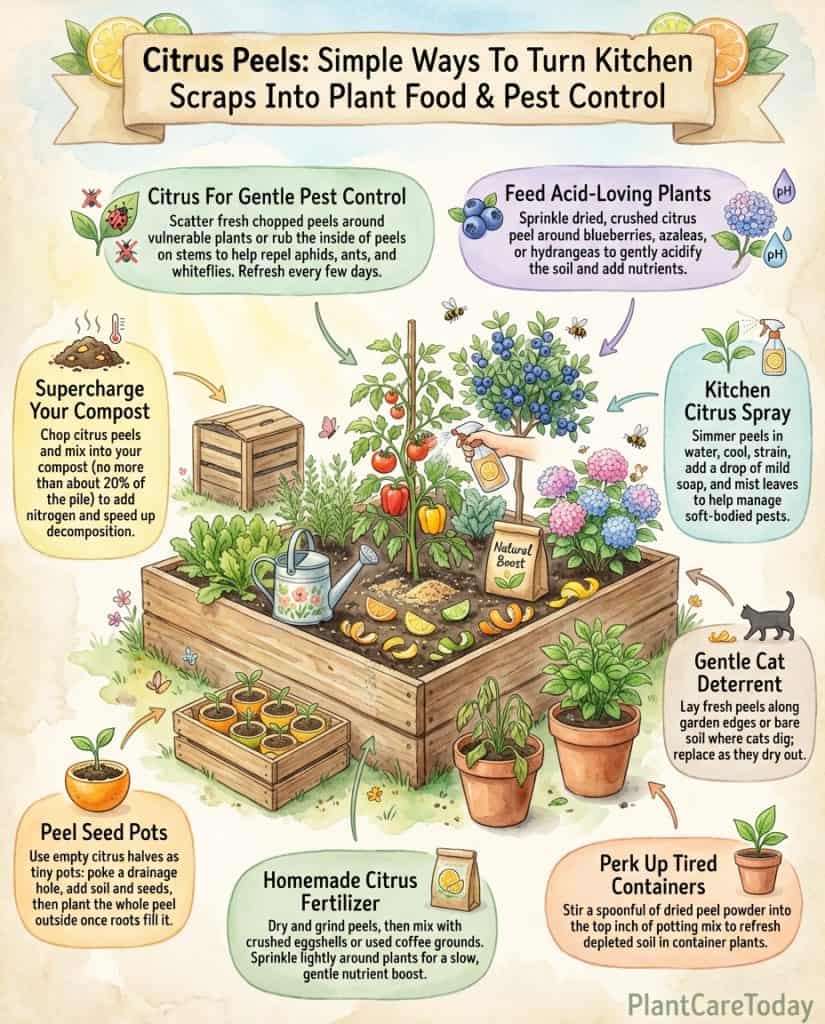
Those citrus peels you’re tossing? They’re literally garden gold you’ve been dumping in the trash.
I was shocked to discover that the simple orange, lemon, or grapefruit rinds leftover from breakfast pack more gardening power than products costing 20 times as much.
Ready to transform your garden with what you were about to throw away? Let’s dive into nature’s most overlooked gardening miracle.
Why Your Plants Are Secretly Craving Citrus Peels
Forget what you’ve heard about citrus peels being “too acidic” for gardens. That’s exactly what makes them magical!
These vibrant scraps are packed with nitrogen, phosphorus, potassium, and calcium, basically a premium fertilizer that fruit is made for you.
But here’s the real revelation: citrus peels contain d-limonene, a natural compound that repels pests while being completely safe for beneficial insects.
It’s like nature’s own pest-management system, hiding in plain sight.
- Rich in essential nutrients plants crave
- Natural insect-repelling properties
- Perfect pH adjuster for acid-loving plants
- Completely biodegradable (unlike plastic products)
- Contains antibacterial and antifungal properties
Pest Problems? Unleash Your Secret Citrus Weapon
The game-changer for your pest control isn’t what you think. While garden stores sell chemical solutions that harm beneficial insects, your breakfast orange peel naturally repels aphids, ants, mosquitoes, slugs, and whiteflies without the toxic aftermath.
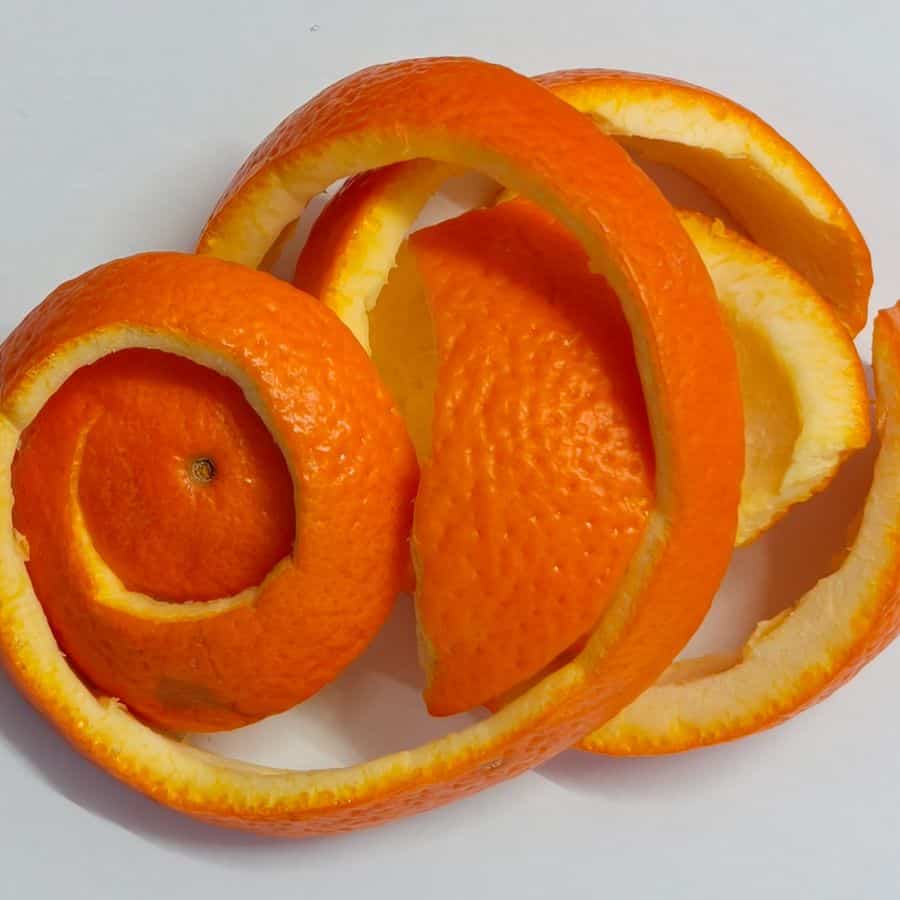
Simply scatter fresh, chopped peels around vulnerable plants, or rub the inside of the peels directly on stems and leaves.
For maximum impact, replace every few days. Your plants will thank you with lush, pest-free growth.
(Quick tip: I keep a container of peels by my back door specifically for garden pest patrol, total game-changer during aphid season!)
Transform Your Compost From Meh to Magnificent
Most people make this mistake with their compost: too many “browns” and not enough “greens.”
Citrus peels are nitrogen powerhouses that kick decomposition into high gear, the difference between waiting 12 months for compost versus just 3-4 months!
To supercharge your compost bin:
- Chop or shred peels first (smaller pieces break down faster)
- Mix them thoroughly with other compost ingredients
- Limit to about 20% of your total compost volume
- Watch your pile heat up as decomposition accelerates!
5 Quick Citrus Peel Hacks That Feel Like Garden Magic
1. DIY Citrus Pest Spray
Simmer peels from 3 citrus fruits in 2 cups of water for 20 minutes, cool, strain, and add a teaspoon of mild dish soap. This spray works as effectively as store-bought insecticidal soaps at 1/10th the cost!
2. Natural Cat Repellent
Cats hate citrus with a passion that borders on comical. Scatter fresh peels around garden beds to prevent your flower beds from becoming the neighborhood litter box. Your tulips will live to see another day!
3. Biodegradable Seed Starters
Half a citrus peel becomes nature’s perfect seed-starting pot. Just scoop out the fruit, poke a drainage hole, add soil and seeds.
When seedlings are ready, plant the entire thing; the peel feeds the roots as it breaks down!
4. Slug & Snail Traps
Slugs are bizarrely attracted to citrus peels but get trapped inside them. Place halved peels upside down in the garden overnight, then collect and dispose of the pests in the morning. It’s like a roach motel, but for slugs!
5. Instant Soil Acidifier
Growing blueberries, azaleas, or hydrangeas? These acid-lovers will flourish with dried, ground citrus peels sprinkled around their base. You can literally watch hydrangeas change color as the soil pH shifts!
The Citrus Fertilizer Your Plants Are Begging For
The secret most plant experts won’t tell you is that store-bought fertilizers often can’t match what you can make at home.
Citrus peels are bursting with magnesium, sulfur, and calcium. Nutrients essential for vibrant blooms and healthy fruit production.
Create your own premium fertilizer by drying peels completely, grinding them to powder, and mixing with equal parts crushed eggshells or used coffee grounds.
This slow-release formula feeds plants for months instead of weeks, and won’t burn delicate roots like chemical fertilizers can.
Beyond The Basics: Next-Level Citrus Peel Uses
Garden Tool Cleaner: Create a natural enzyme cleaner by fermenting peels with brown sugar and water (10:1:3 ratio) for 3 weeks. It dissolves sap and sanitizes tools without harsh chemicals.
Pollinator Attraction: While citrus repels pests, small “dishes” of peels filled with sugar water can attract bees and butterflies to your garden. In one study, gardens using this technique saw up to 60% more pollinator visits!
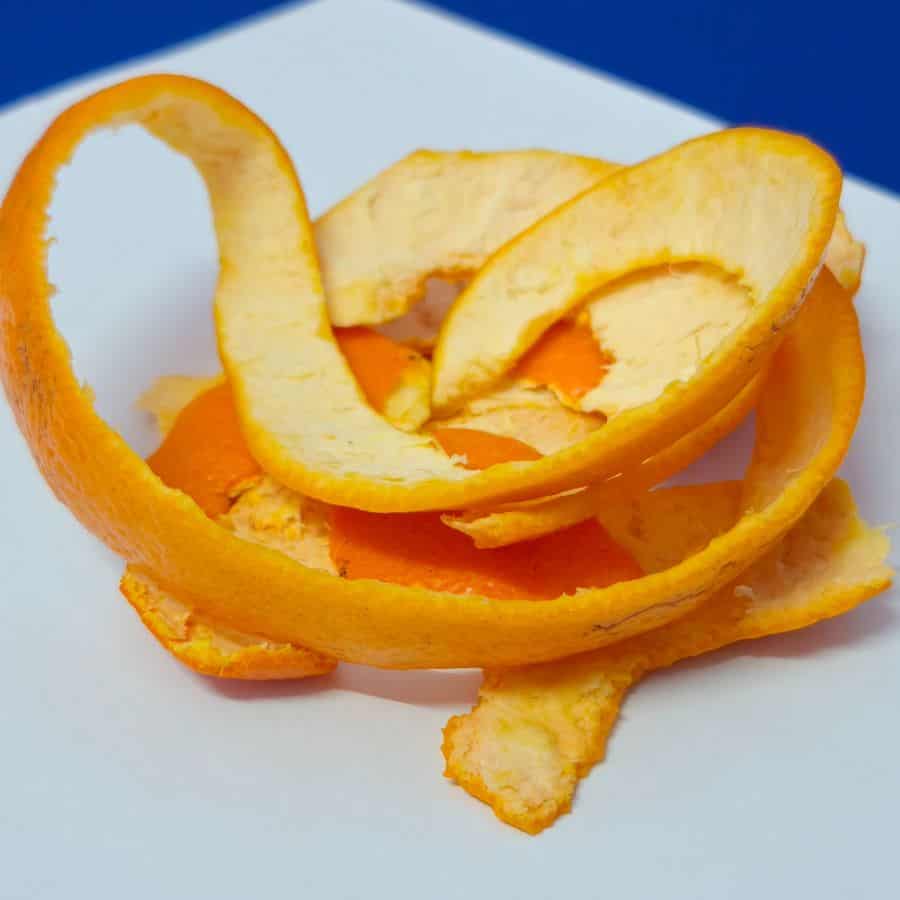
Worm Bin Booster: Vermicomposting worms can process small amounts of citrus, creating super-rich castings. Just use moderation; no more than 10% of your worm bin contents should be citrus.
Container Plant Revival: Container plants often suffer from nutrient depletion. Mix dried peel powder into the top inch of soil to revitalize potted plants that have lost their vigor.
Your citrus peels can be a garden solution for almost everything, from natural air fresheners along garden paths to mulch that deters weeds while feeding the soil.
Why buy products that do half the job when nature provides the complete package?
From Kitchen to Garden: Quick Prep Guide
Ready to start using citrus peels in your garden? Here’s how to prepare them:
- Fresh uses: Keep a container in your fridge for peels to use immediately for pest control or cat deterrent
- Drying: Spread on a tray in the sun or bake at 200°F until completely dry (about 1-2 hours)
- Grinding: Use a coffee grinder or blender to turn dried peels into garden-ready powder
- Storing: Keep dried peels in airtight containers to maintain their potency
One important caution: Use organic citrus when possible, as conventional fruits often have wax coatings that can contain fungicides or preservatives you don’t want in your garden.
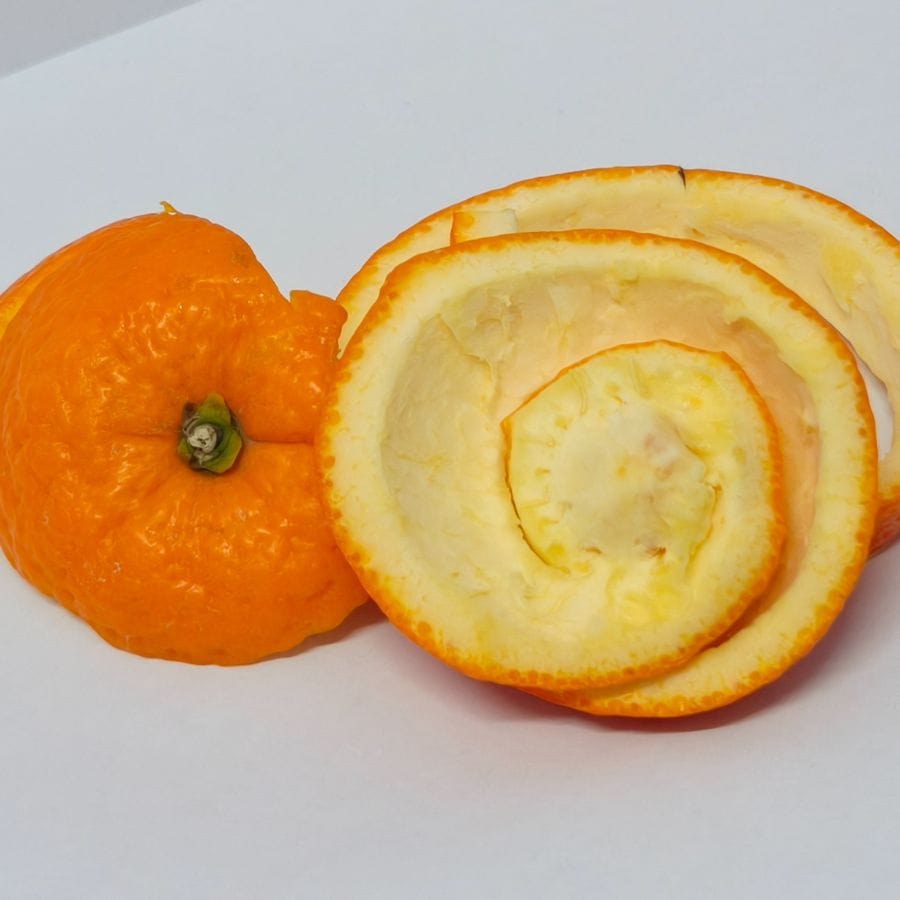
The Sustainable Garden Revolution Starts With Your Fruit Bowl
By reclaiming citrus peels from your kitchen, you’re not just improving your garden – you’re participating in a more sustainable approach to growing.
These simple fruit scraps reduce waste, eliminate the need for chemical products, and create a vibrant ecosystem right in your backyard.
Your garden will flourish with these nutrient-rich, pest-repelling, biodegradable gifts from nature. The difference between struggling plants and a thriving garden might just be sitting in your fruit bowl right now!