
Is your snake plant showing signs of stress as we head into fall? October is actually a pretty important month for these low-maintenance plants.
While Sansevieria can handle some neglect, what you do now makes a real difference in how your plant does through winter.
Here’s what matters most for October care.
Why October Matters for Snake Plants
Snake plants aren’t quite as indestructible as people say. These West African natives experience seasonal changes, just as they would in their natural habitat. Think of October as a transition period before your plant goes dormant for winter.
Your snake plant is slowing down right now. It’s switching from producing new leaves to conserving energy.
The difference between new and experienced plant owners is understanding this seasonal shift and adjusting care accordingly.
Cutting Back on Water
The most common mistake? Keeping the same watering schedule year-round. This is a problem.
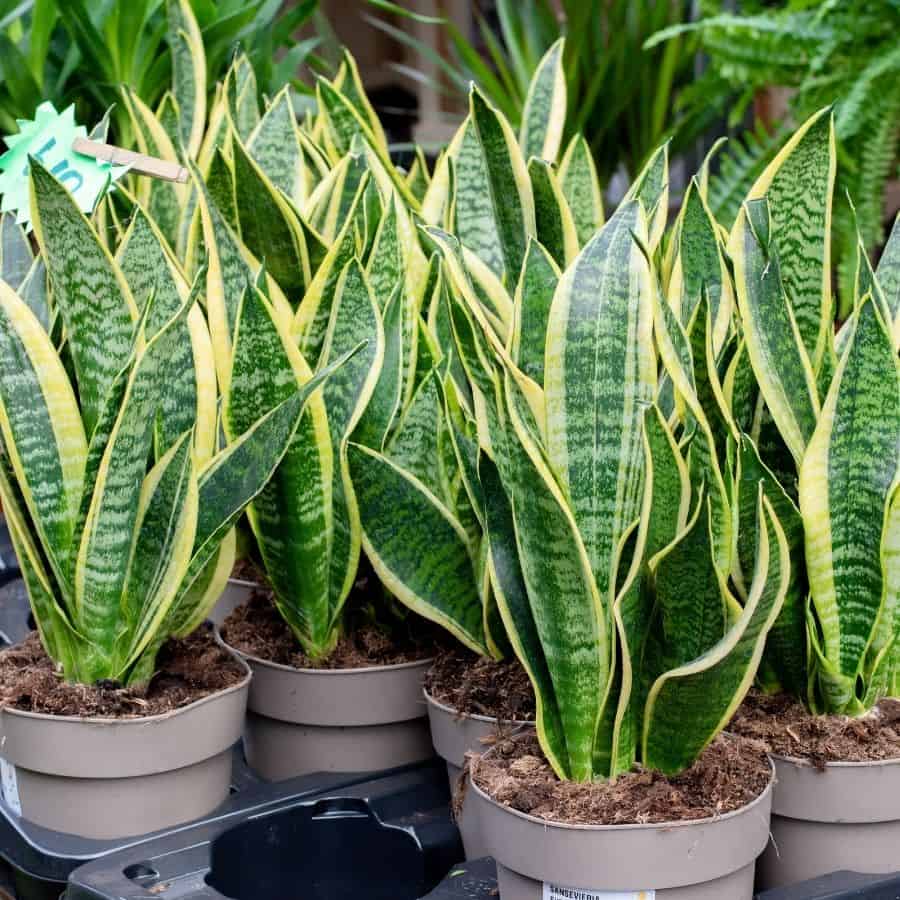
Snake plants are succulents that store water in their thick leaves, and they need much less moisture in October.
Here’s what to do:
• Cut watering in half. Switch from every 1-2 weeks to every 3-4 weeks
• Check the soil with your finger. Only water when the top 3 inches are completely dry
• Watch for yellow leaves. That’s usually a sign of overwatering
Your snake plant has water reserves in those leaves. Let it use them before watering again. One deep watering is better than frequent small amounts.
Adjusting for Less Light
As daylight hours get shorter in October, your plant gets less light for photosynthesis.
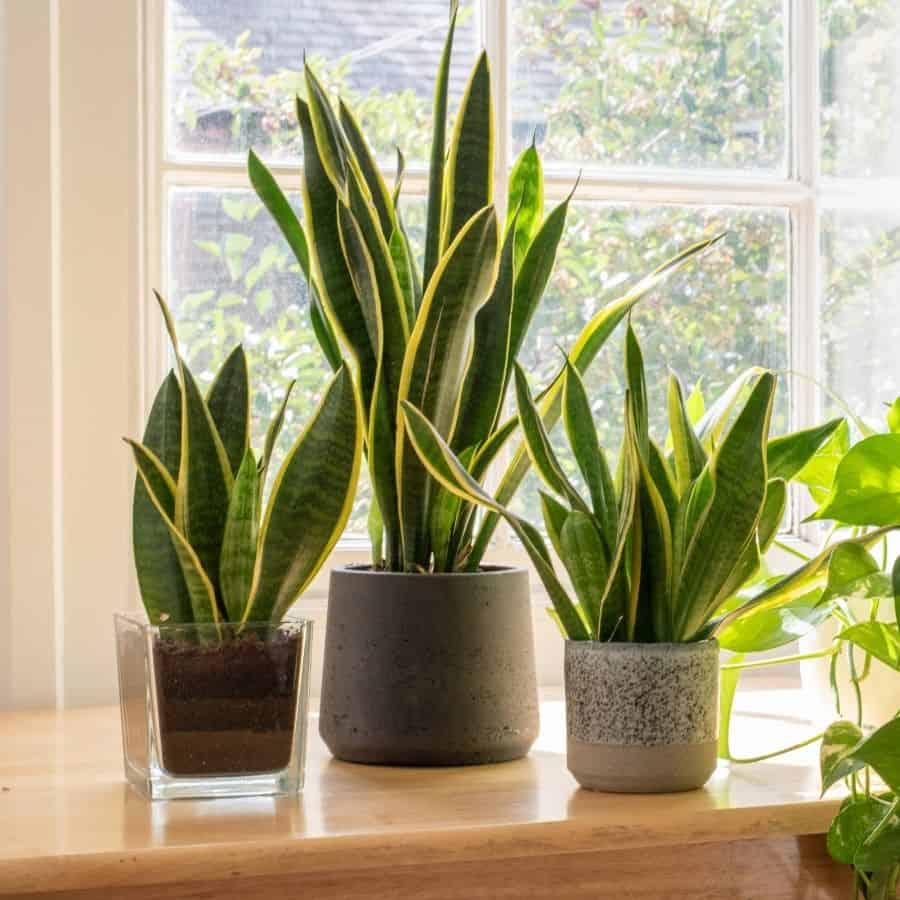
Snake plants can tolerate low light, but they actually do much better with more brightness. Fall’s shorter days may mean your plant needs a change of location.
What helps:
• Move to brighter spots. South or west-facing windows work well
• Rotate every couple of weeks. Turn it 90° so all sides get equal light
• Try grow lights, even 6-8 hours of supplemental light makes a difference
Light is basically food for your plant. Less daylight means it has to work harder to get what it needs.
Stop Fertilizing
Here’s what really matters: what you don’t do. Specifically, don’t fertilize in October. When your snake plant is dormant, it can’t properly process nutrients.
That fertilizer just sits in the soil and can actually damage roots or cause weak growth.
The approach:
• Stop all fertilizer by early October
• If your plant looks really rough, use only ¼ strength solution once a month
• Wait until spring to resume normal feeding
Cleaning the Leaves
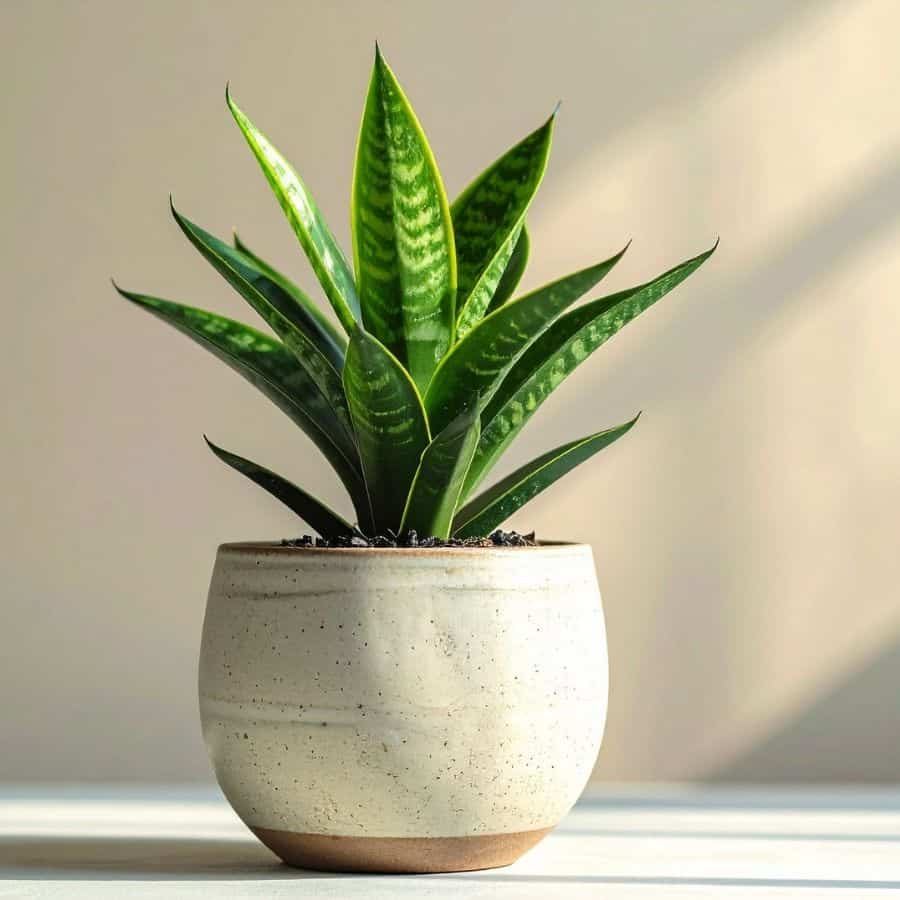
Your snake plant has been collecting dust all summer. Those broad leaves now have a layer of dust that blocks light. October is a good time to clean them off.
Dust can reduce photosynthesis efficiency by up to 30%, which is significant when daylight is already decreasing.
How to clean:
• Wipe each leaf gently with a damp cloth
• Look for tiny webs or white spots that might be pests
• Treat any pests right away with neem oil or insecticidal soap
This simple cleaning helps your plant absorb the light it needs during shorter fall days.
Checking the Soil
After months of watering, your snake plant’s soil has probably become compacted. Dense soil holds too much moisture and can suffocate roots. October is a good time to check if your plant needs fresh soil or repotting before it goes dormant.
What to do:
• Remove and replace the top 1-2 inches with fresh succulent mix
• Only repot if roots are circling inside the pot or coming through drainage holes
• If you do repot, go just 1-2 inches larger than the current pot
For soil mix, try 2 parts potting soil, 1 part perlite, and 1 part coarse sand. This creates good drainage without staying soggy.
Trimming Damaged Leaves
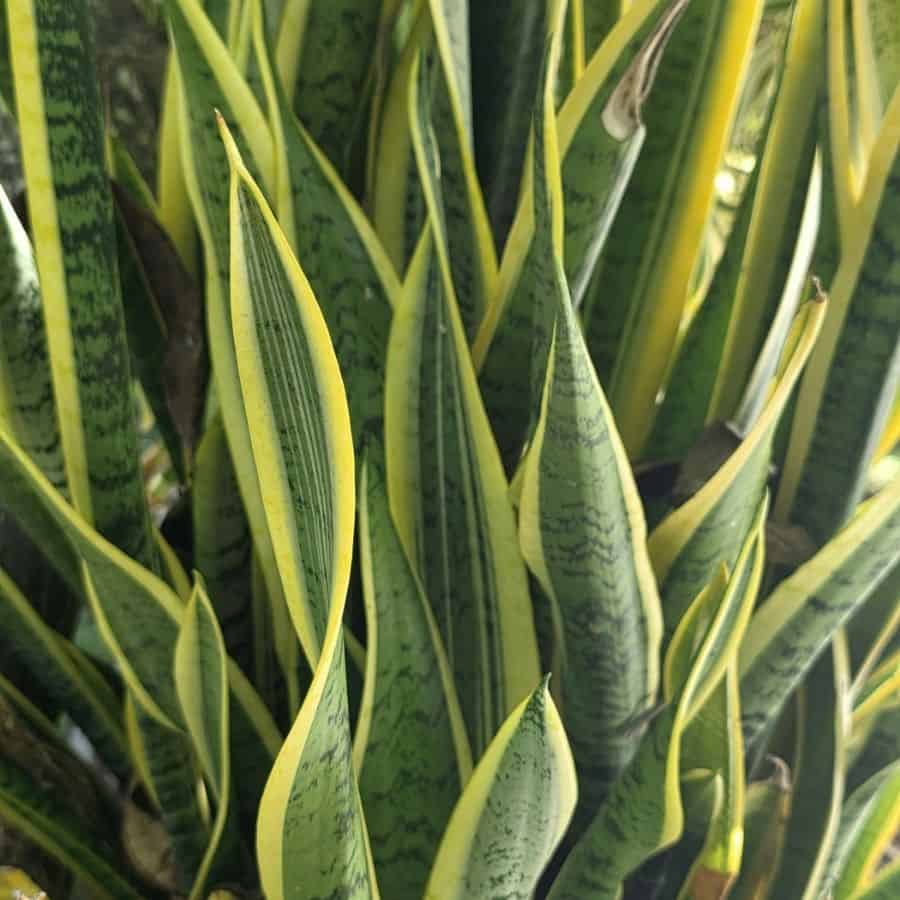
October is a good time to remove damaged or yellowing leaves. This isn’t just cosmetic. Those struggling leaves use energy your plant needs for winter.
Think of it like closing apps on your phone to save battery. Each damaged leaf you remove lets the plant focus on healthy growth instead.
Simple steps:
• Cut damaged leaves at the base with clean, sharp scissors
• Consider dividing overcrowded plants for better air circulation
• You can propagate new plants from healthy cuttings if you want
Setting Up for Winter
Snake plants do best with consistency, especially during dormancy. October is when you create the stable conditions that will carry your plant through winter.
What your plant needs:
• Keep temperatures between 60-75°F (15-24°C)
• Avoid spots near drafty windows or heating vents
• Keep humidity moderate; not too dry or too humid
• If it’s late October, wait until spring for major changes like repotting
Snake plants are pretty tough, but they still respond well to thoughtful care. These seven October steps don’t take much time, but they set your plant up for a strong comeback in spring.
With these adjustments, your snake plant will do more than just survive. It’ll actually thrive.