Your snake plant has a hidden ability: it can create endless baby plants from scratch. But most snake plants sit dormant for years without multiplying.
The real trick to getting your Sansevieria to produce pups isn’t what you think. Ot’s about triggering its natural survival instincts with a few simple tactics.
Let’s look at how to turn one plant into an entire collection.
The Secret Life of Snake Plant Pups (What They Actually Are)
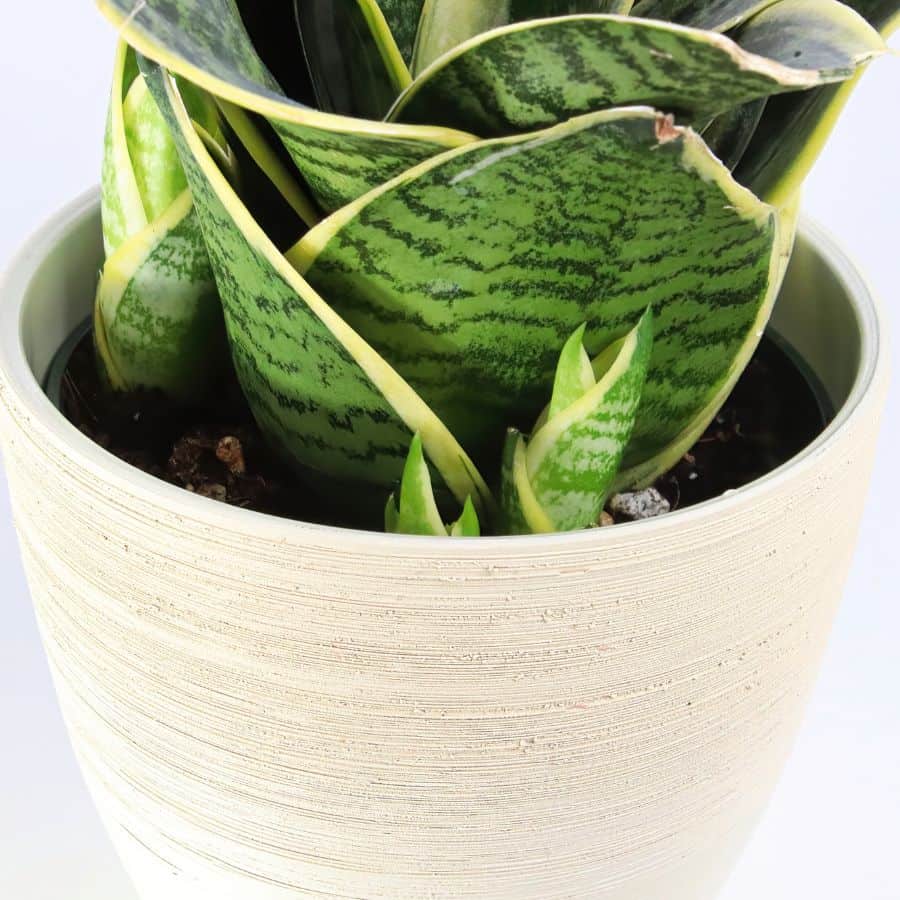
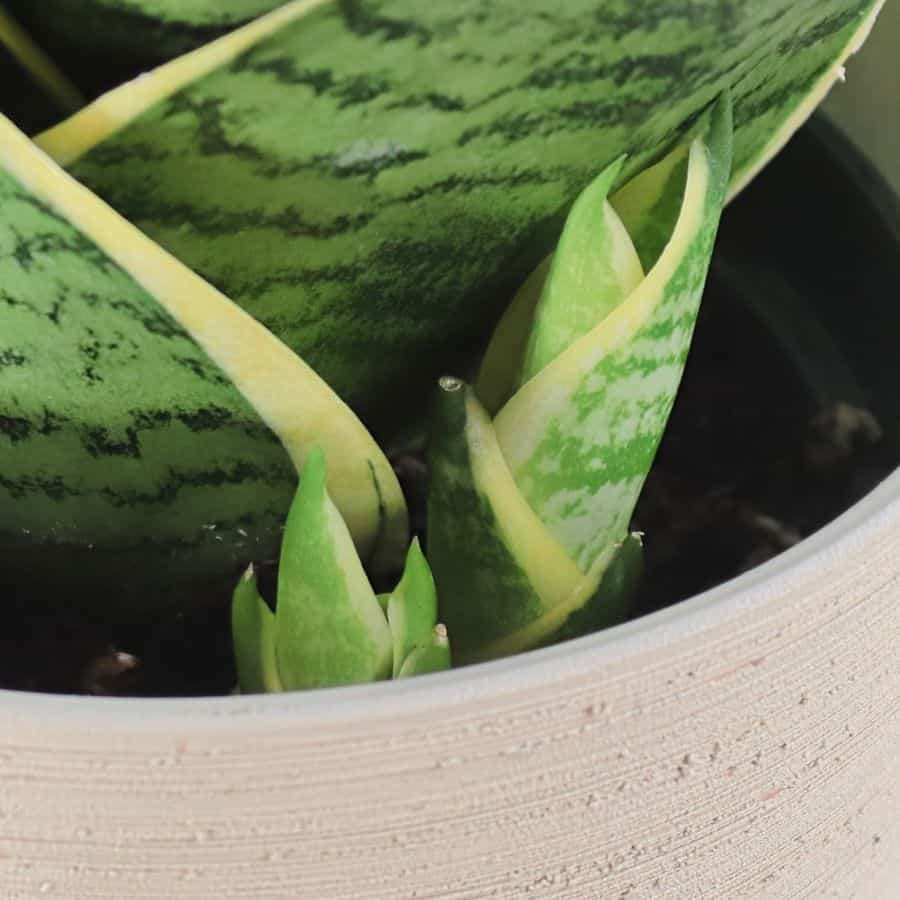
Those baby plants popping up beside your main Sansevieria aren’t random. They’re strategic survival tools.
Snake plant pups emerge from underground rhizomes, which are thick, horizontal stems that store the plant’s energy.
In the wild, snake plants use pups to spread across territory. When conditions are right, they send out these babies to expand their reach.
Here’s something I was surprised to learn: a healthy snake plant can produce pups in as little as 4-6 weeks during the growing season. Not the years many plant owners assume.
Why Your Snake Plant Is Holding Back Its Babies
If your plant isn’t producing pups, it’s not being stubborn. It’s just waiting for the right signals. Your snake plant needs specific conditions before it feels secure enough to reproduce.
Four factors determine whether your plant makes pups:
• Maturity level: Plants younger than 2-3 years focus on establishing themselves first
• Rhizome health: The underground energy system must be doing well
• Light quality: While they survive in low light, they need bright indirect light to actually multiply
• Root space: Unlike most plants, being slightly cramped actually triggers reproduction
8 Ways to Force Your Snake Plant to Make Pups (That Actually Work)
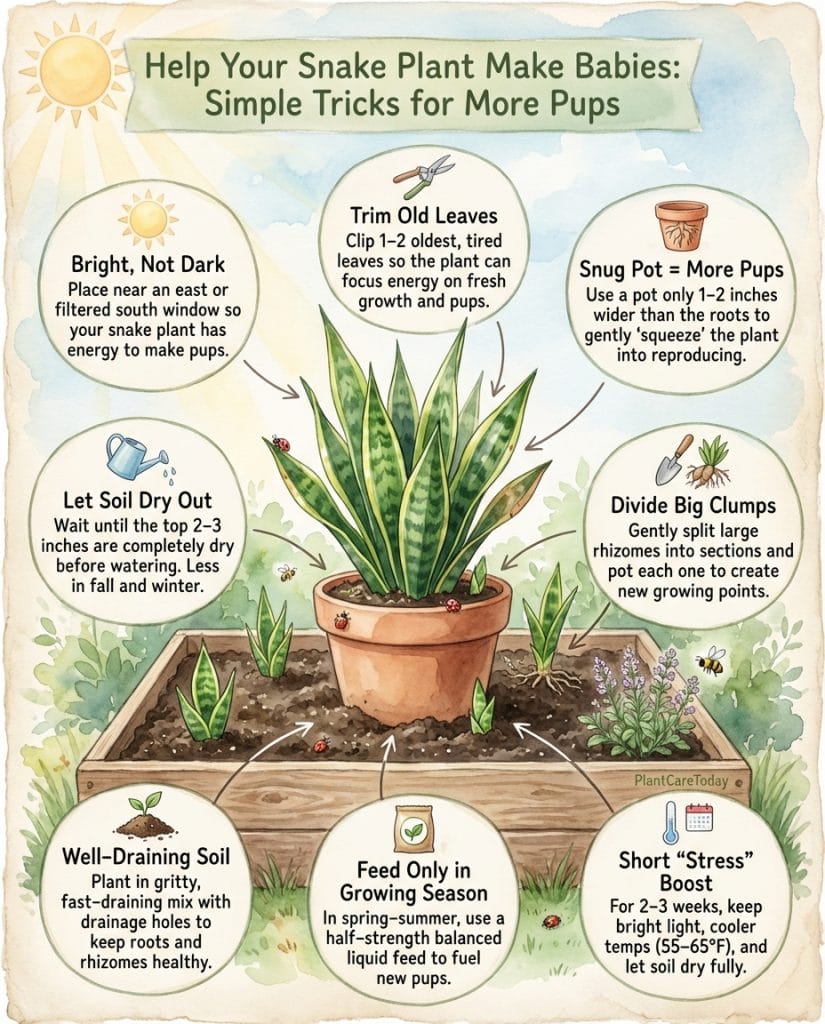
1. The Bright Light Boost
Forget what you’ve heard about snake plants loving dark corners. While they survive there, they won’t multiply. Your snake plant needs good energy from light to create pups.
• Position near east or filtered south-facing windows
• Avoid harsh direct sun that can scorch leaves
• Consider grow lights in the winter months to keep production going
2. The Snug Pot Strategy
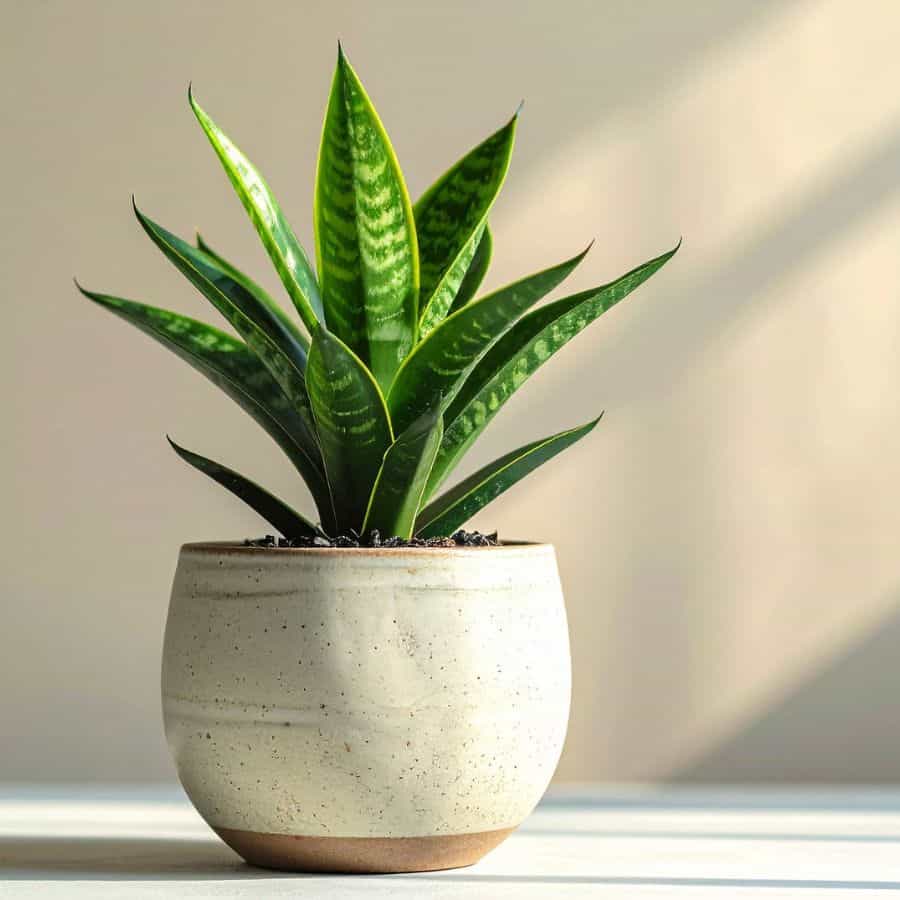
Snake plants are like people working in small apartments; a bit of constraint forces creativity. When roots hit the edge of the pot, the plant thinks, “Time to send out some babies.”
Choose pots only 1-2 inches larger than the root ball. When a snake plant feels the squeeze, it redirects energy from root growth to pup production.
3. Strategic Dehydration
Most people make this mistake with their snake plant: they kill it with kindness through overwatering. These desert-adapted plants produce more pups when subjected to controlled drought cycles.
• Wait until soil is completely dry 2-3 inches deep
• Use pots with drainage holes to prevent soggy conditions
• Water even less during fall and winter dormancy
4. Fertilizer Timing Trick
Think of fertilizer as energy shots for your plant. Delivered at the right moment, they fuel reproduction.
• Apply balanced liquid fertilizer (10-10-10) at half strength
• Fertilize only during active growth (March-August)
• Increase phosphorus slightly during peak growing season to boost pup production
5. The Controlled Stress Method
Just like how humans often perform well under mild pressure, snake plants respond to slight stress by reproducing. The difference between new and experienced plant parents is understanding this stress-reproduction connection.
Create a 2-3 week “stress period” by:
• Allowing soil to dry completely between waterings
• Moving to a slightly cooler location (55-65°F)
• Maintaining bright light during this stress period
6. The Division Method
Sometimes the most direct approach works best. Dividing your snake plant creates new growth points that will develop into pups.
Remove plant and gently separate rhizomes
Plant sections in fresh, well-draining soil
Water lightly and place in a bright spot
7. Strategic Trimming
Your snake plant operates with a fixed energy budget. By pruning older, less efficient leaves, you redirect resources toward new growth, including pups.
Use clean scissors to remove 1-2 of the oldest outer leaves, especially any that look damaged or yellowed. This simple trim signals the plant to focus on new growth.
8. Soil Quality Matters
Good pup production starts with proper soil. Think of soil as the plant’s home environment. It needs to feel right.
Create the perfect mix:
• 2 parts cactus/succulent soil
• 1 part perlite or coarse sand
• Avoid moisture-retaining ingredients like peat moss
The Root Tip Pruning Technique
Here’s something often overlooked by plant owners: you can trigger lots of pups with strategic root pruning.
This mimics natural disturbances in the wild that signal plants to reproduce quickly. Here’s the process:
- Gently remove the plant from the pot
- Brush away soil to expose fine roots (not the thick rhizomes)
Using sterilized scissors, trim just 1-2 cm from several fine root tips
- Repot in fresh soil mix
This technique works really well. Many plants respond with pups in just 4-8 weeks during the growing season. It’s like the plant thinks, “I’m under attack,” and rushes to produce offspring.
From Pups to Independence: Harvesting Your Baby Plants
Once those pups reach 2-4 inches tall, they’re ready to become independent plants. The process is simple:
- Remove the mother plant and pups from their pot
- Locate the connecting rhizome between the mother and the
pup
- Using a clean, sharp knife, cut the connection
- Plant the pup in its own small pot with fresh soil
- Water lightly and place in bright indirect light
Quick tip: Allow the cut surfaces to callous for 24 hours before repotting to prevent rot issues.
Month-by-Month Pup Production Calendar
Snake plants have seasons for reproduction, just like most living things. Time your techniques with this natural cycle:
• January-February: Dormancy period, focus on light, minimal water
• March-April: Growth awakening, a good time for the root pruning technique
• May-July: Peak production season, use all strategies now
• August-September: Sustained growth, maintain routine, harvest mature pups
• October-December: Winding down, reduce interventions, prepare for rest
With these techniques, your single snake plant can turn into a nice collection. The best part? Each new pup carries the exact same genetics as your original plant, creating an endless supply of these hardy, air-purifying houseplants.
Remember, patience still matters. While these techniques speed up the pup production process, snake plants operate on their own timeline.
But with consistent care and these strategies, you’ll be giving away snake plants to all your friends before you know it.