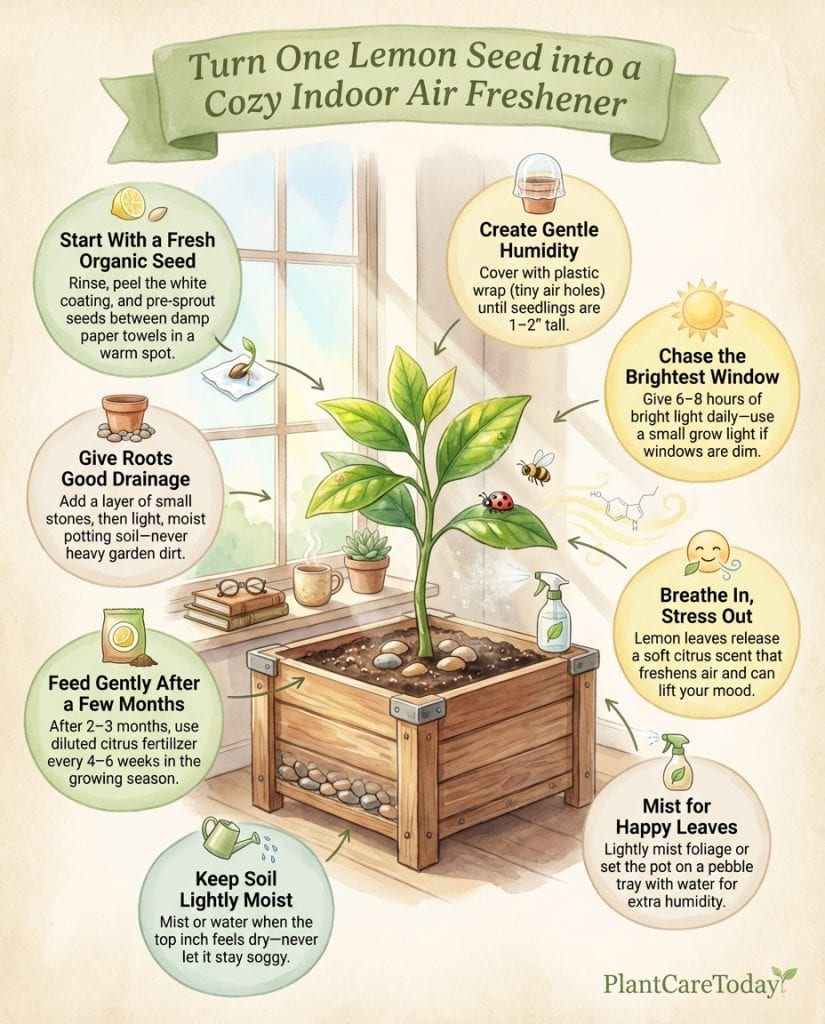
Tired of chemical air fresheners? The secret to a fresher home and a clearer mind might already be in your fruit bowl.
That ordinary lemon can actually become a small plant that brightens your space, and it’s surprisingly easy to grow.
Why a Lemon Plant Makes Sense Indoors
Growing a lemon plant indoors offers more benefits than you might expect. These aren’t just nice-looking plants. They actually do quite a bit for your home.
The scent of lemon has been shown to increase serotonin levels in your brain. Studies suggest that citrus aromas can help reduce anxiety and lower blood pressure.
• Natural air freshener: Lemon leaves release subtle oils that freshen the air without chemicals. It’s like having a small air purifier that also smells great.
• Mental clarity: The citrus aroma has been shown to improve concentration and alertness.
• Living décor: Those bright green leaves add life to any windowsill or desk.
• Sustainability: Instead of tossing those seeds, you’re turning them into something useful.
• Stress relief: Caring for your plant becomes a calm moment in your day.
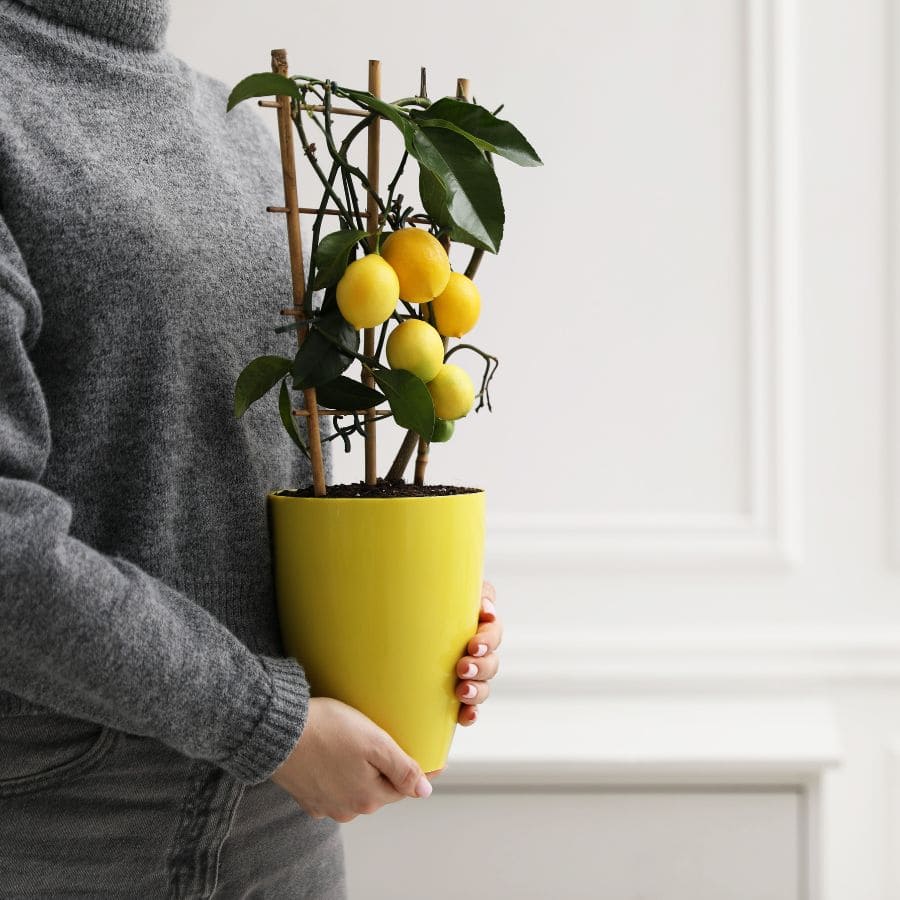
What You’ll Need
Here’s what you need to get started:
• 1 fresh organic lemon (conventional lemons often have seeds that won’t sprout)
• A clean cup (ceramic or plastic, 8-12 oz)
• Potting soil (light and well-draining)
• Small stones for drainage
• Plastic wrap
• Spray bottle
• A sunny windowsill
Growing citrus indoors is easier than most people think. This cup method is straightforward and works well.
How to Grow Your Lemon Plant
Most people plant their lemon seeds directly without any prep. That’s a common mistake. Follow these steps for better results:
Step 1: Prepare the Seeds
Slice open your lemon and pull out a few plump seeds. Rinse them well to remove all pulp and sugar, which can cause mold.
Here’s a helpful tip: peel off that white coating on the seed. This increases your chances of successful sprouting.

Place the clean seeds between damp paper towels and store them in a warm place for 5-10 days. This pre-sprouting step makes a real difference.
Step 2: Set Up Your Cup
Create a drainage layer by placing pebbles at the bottom of your cup. Then fill with moist soil, leaving about an inch of space at the top.
Step 3: Plant the Seed
Once you see a small root tip emerging, it’s time to plant. Place the sprouted seed about ½ inch deep, root side down. Water lightly. Think gentle mist, not heavy pour.
Step 4: Create Humidity
Cover the cup with clear plastic wrap and poke a few small holes. This creates the warm, humid environment that helps seeds sprout. Place it in your brightest window; south-facing works best.
Step 5: Wait and Watch
Mist the soil daily and watch for growth. In about 2-4 weeks, you should see the first green shoots breaking through. Remove the plastic once the seedling reaches 1-2 inches tall.
Caring for Your Growing Plant
The difference between new and experienced plant owners is usually just a matter of consistency. Here’s what your lemon plant needs:
• Sunlight: These plants need 6-8 hours of bright light daily. If your windows don’t provide enough, consider a small grow light.
• Water: Keep soil moist but never soggy. If it’s dry an inch down, it’s time to water.
• Humidity: Lemons do better with humidity. Mist the leaves regularly or place the cup on a pebble tray with water.
• Fertilizer: After 2-3 months, start feeding with diluted citrus fertilizer every 4-6 weeks during the growing season.
• Repotting: After 6-8 months, your plant will need a bigger home. Transfer to a 6-10-inch pot.
When Will It Produce Lemons?
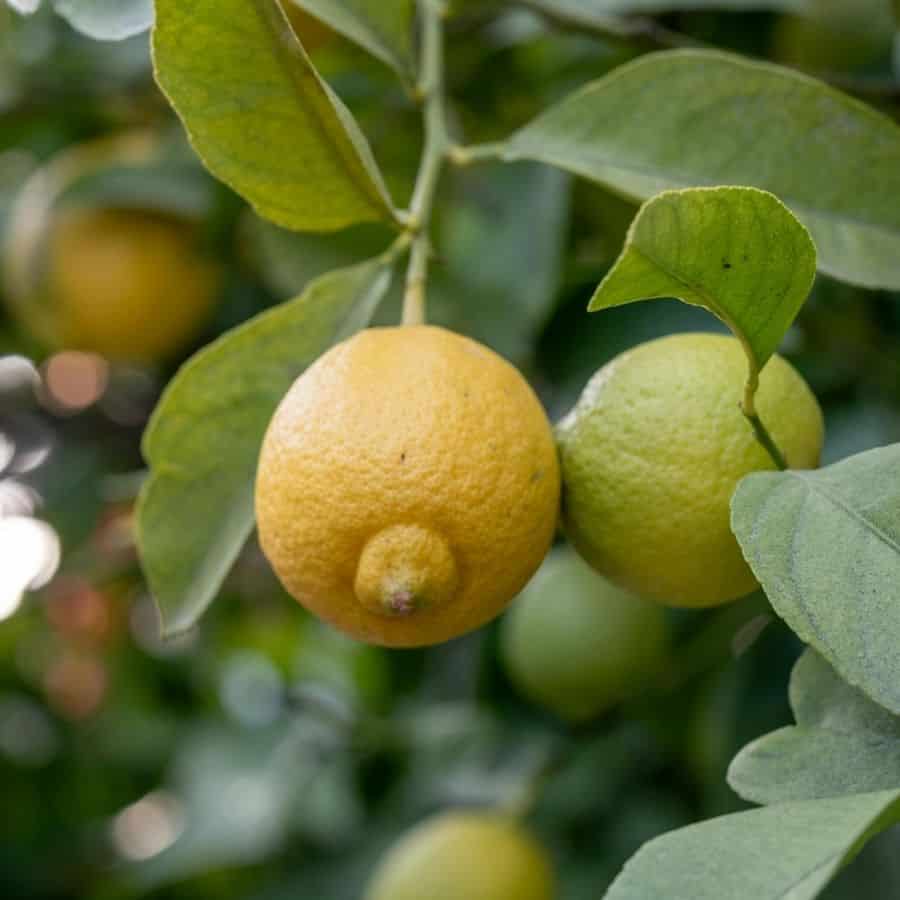
Let’s be honest about expectations. While your lemon plant will start offering benefits right away, actual lemons take time. You’re looking at 3-5 years before you might see fruit, and that’s with really good care.
But the real value isn’t the fruit. The fragrance, the green foliage, the daily reminder of something growing. These are what make it worthwhile.
And if your plant does eventually produce lemons? They’re completely edible and taste even better knowing you grew them.

Common Problems and Solutions
Even healthy plants have issues sometimes. Here’s how to handle them:
• Seed won’t sprout: Temperature might be too cold or too dry. Keep it consistently warm (65-75°F) and moist.
• Mold appears: You’re overwatering. Reduce moisture and improve air circulation.
• Yellow leaves: Too much water. Improve drainage and water less often.
• Stretched, leggy growth: Not enough light. Move to a brighter spot.
Other Ideas to Try
Once you’ve got the basic method down, you can get creative:
• Start small lemon plants in colorful teacups as gifts
• Create a collection in your kitchen with several cups at different growth stages
• Use your lemon plant as a natural focal point for a meditation corner
• Pair with herbs like basil or mint for a small indoor garden
Your lemon in a cup is more than just a plant. With just a few minutes of care each week, this small seedling can naturally freshen your home. And unlike expensive candles, this keeps growing and getting better over time.