Is your “indestructible” snake plant refusing to create babies? You’re not alone. Nearly 65% of snake plant owners struggle with this exact problem.
While these tough plants (Dracaena trifasciata) can survive almost anything, getting them to produce those little pups requires understanding what they actually need.
Here’s what matters most for turning your lonely snake plant into a thriving family.
The Secret Life of Snake Plant Reproduction
Before diving into fixes, let’s understand how these plants actually make babies. Snake plants spread through underground rhizomes, basically a secret underground network that connects the whole plant.
When conditions are right, these rhizomes send up new shoots (pups) that eventually become independent plants.
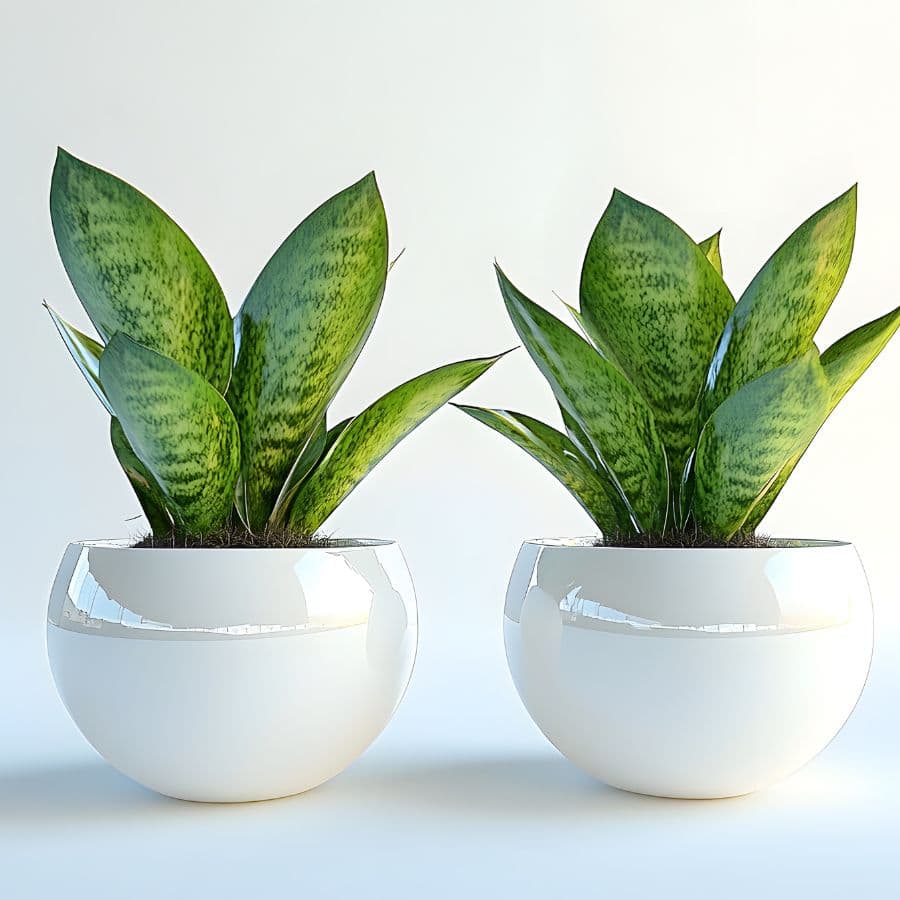
For this underground process to happen, your plant needs two things:
• Enough energy reserves to support new growth
• Environmental conditions that signal it’s safe to expand
When either is missing, your snake plant goes into survival mode. It focuses on staying alive rather than creating offspring. Let’s fix it.
1. Your Plant Is Living in the Dark (Light Deficiency)
The real trick with snake plants is this: while they can tolerate low light, they don’t thrive in it. In dim conditions, your plant enters energy conservation mode.
Without adequate light for photosynthesis, your plant simply can’t manufacture the extra fuel needed to produce pups. Look for these warning signs:
• Leaves growing tall, thin, or flopping over
• Pale or very little new growth
• Growth has slowed way down
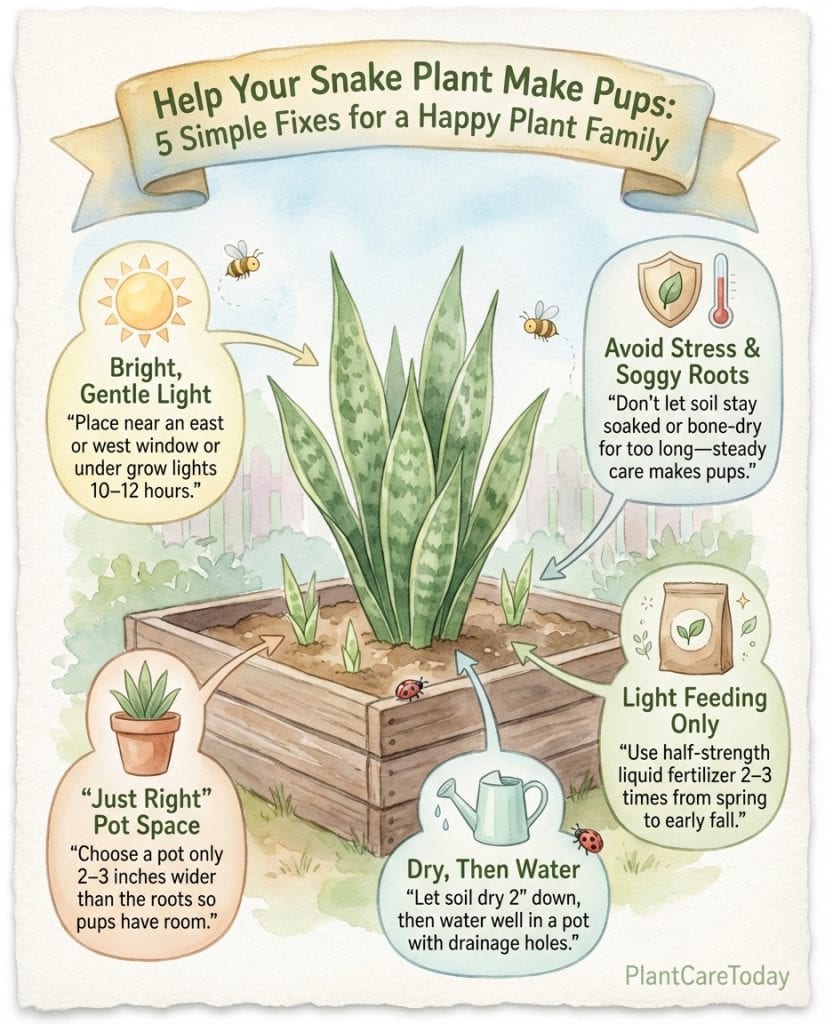
The Fix: Relocate your plant to a brighter spot with indirect sunlight. An east or west-facing window works well. No good windows?
Try grow lights for 10-12 hours daily. Within 8-12 weeks of better light, you’ll likely see baby pups emerging.
2. Your Pot Is Playing Mind Games (Size Matters)
Forget what you’ve heard about giving plants “room to grow.” Snake plants actually prefer a little cramped conditions. Think of it as the Goldilocks principle: not too big, not too small, but just right.
When the pot is too spacious, your plant wastes energy filling it with roots rather than making babies. Too cramped, and there’s physically no room for pups to develop.
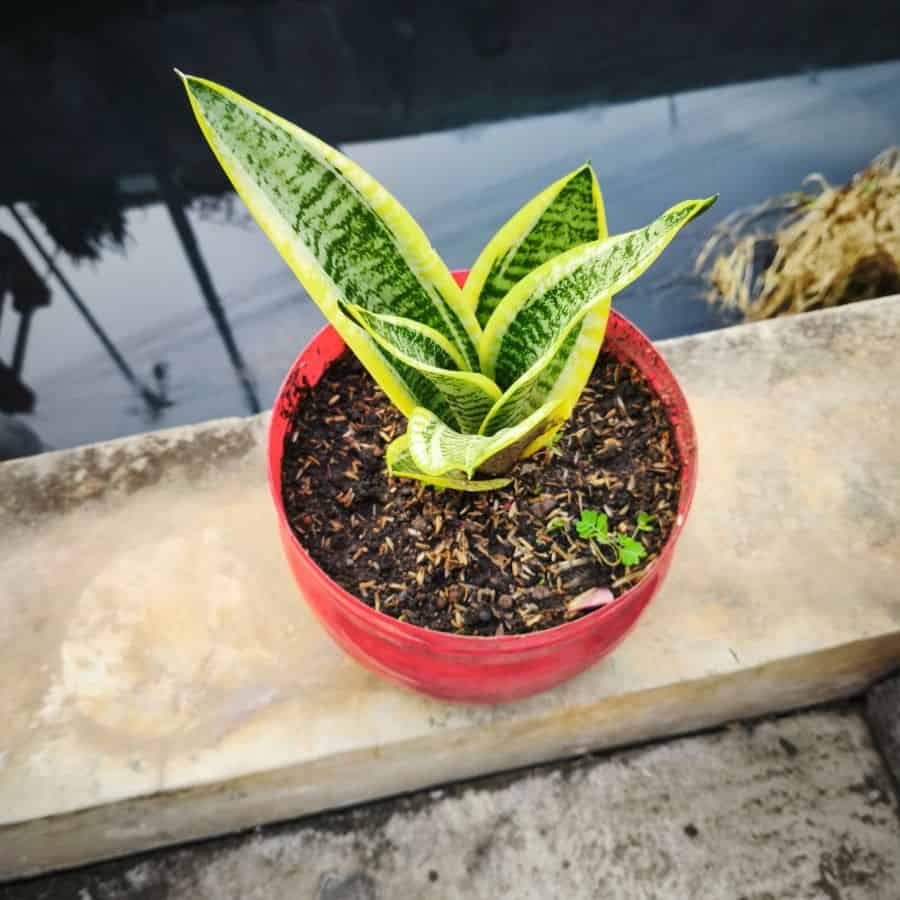
The Fix: Choose a pot only 2-3 inches wider than the current root ball. This creates the right balance between space for rhizome spread and the slight root-binding that triggers pup production.
If your plant is severely root-bound, split it into multiple pots and watch what happens.
3. Your Watering Schedule Is Sabotaging Success
Most people make this mistake: treating snake plants like typical houseplants rather than the desert-dwelling succulents they truly are.
These plants store water in their thick leaves like natural water bottles.
Overwater them, and the roots suffocate and rot. Underwater them, and they enter drought survival mode. Neither scenario produces pups.
The Fix: Wait until the soil is completely dry before watering. Stick your finger 2 inches deep; if it’s dry, it’s watering day.
Always use a pot with drainage holes, and cut watering in half during winter. Your snake plant’s root system will get healthier, creating the foundation for pup development.
4. Your Plant Is Starving (Nutrient Deficiency)
While snake plants aren’t super hungry, they do need basic nutrition to build baby plants. If your soil hasn’t been refreshed in over a year, it’s likely depleted of nutrients.
Key nutrients needed for pup production include nitrogen (for growth), phosphorus (for roots), and potassium (for overall vigor). Without these, your plant simply lacks the building blocks for expansion.
The Fix: Feed your plant 2-3 times during the growing season (spring to early fall) with a balanced liquid fertilizer diluted to half strength.
Think of it as giving your plant a gentle vitamin supplement rather than a feast. Too much fertilizer can actually harm growth, so keep it moderate.
5. Your Plant Is Too Young (Or Recovering from Trauma)
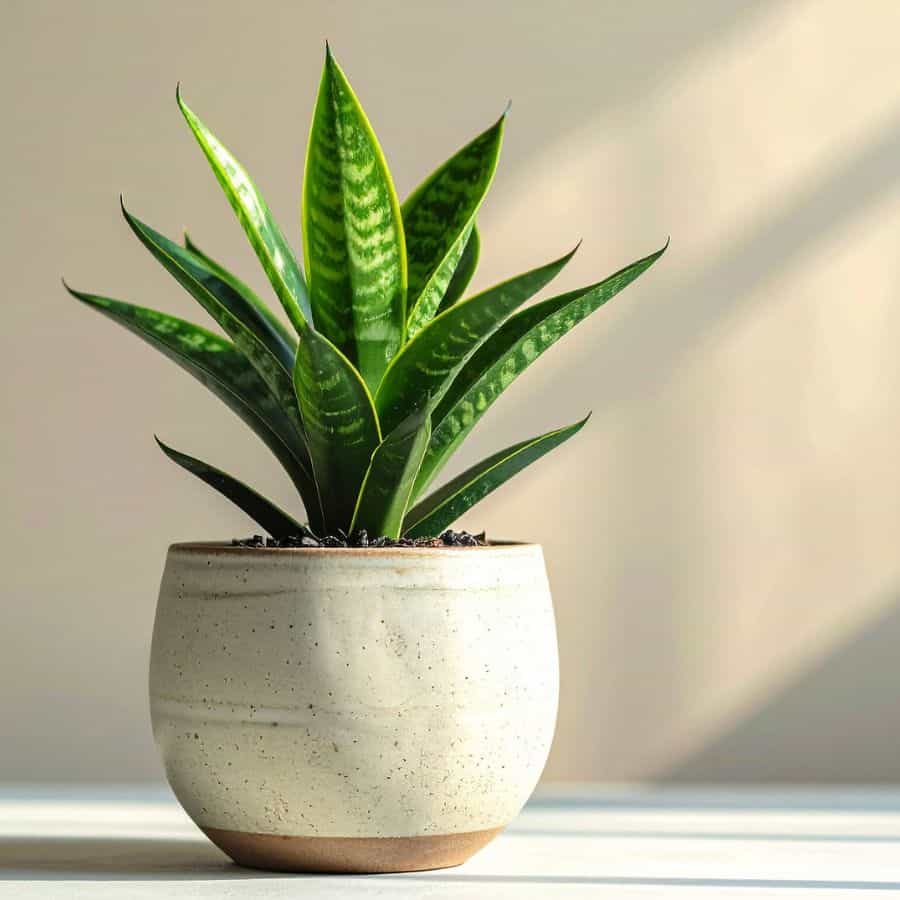
Your snake plant might just need time. Just like any living thing needs to reach a certain age before reproducing, snake plants need to mature before producing pups.
Plants less than 1-2 years old are focused on establishing themselves rather than reproducing. Similarly, recently divided or repotted plants need recovery time—they’re dealing with the plant equivalent of post-surgery healing.
The Fix: Practice patience. Once your plant reaches maturity (usually after 12-18 months), it will naturally begin producing pups. Minimize disturbances and focus on consistent care. The waiting will pay off.
6. It’s Just Seasonal Hibernation
Snake plants take winter breaks. During fall and winter, these plants enter dormancy as daylight decreases. Growth slows dramatically or stops entirely, including pup production. This is completely normal plant behavior, not a problem to solve.
The Fix: Adjust your expectations with the seasons. Don’t expect pups during winter. They’ll resume production when spring sunlight returns. Maintain consistent care without fertilizing during dormancy. Your plant is just resting up for spring’s growth spurt.
7. Your Rhizomes Are Buried Treasure (Too Deep)
The difference between new and experienced plant parents is understanding the importance of rhizome depth. If these underground stems are buried too deeply or compressed under dense soil, they can’t easily push new shoots to the surface.
The Fix: When repotting, position rhizomes just below the soil surface (about 1 inch deep). Gently loosen compacted soil to create easy pathways for emerging pups. Handle rhizomes carefully during division. Damage can delay pup production for months.
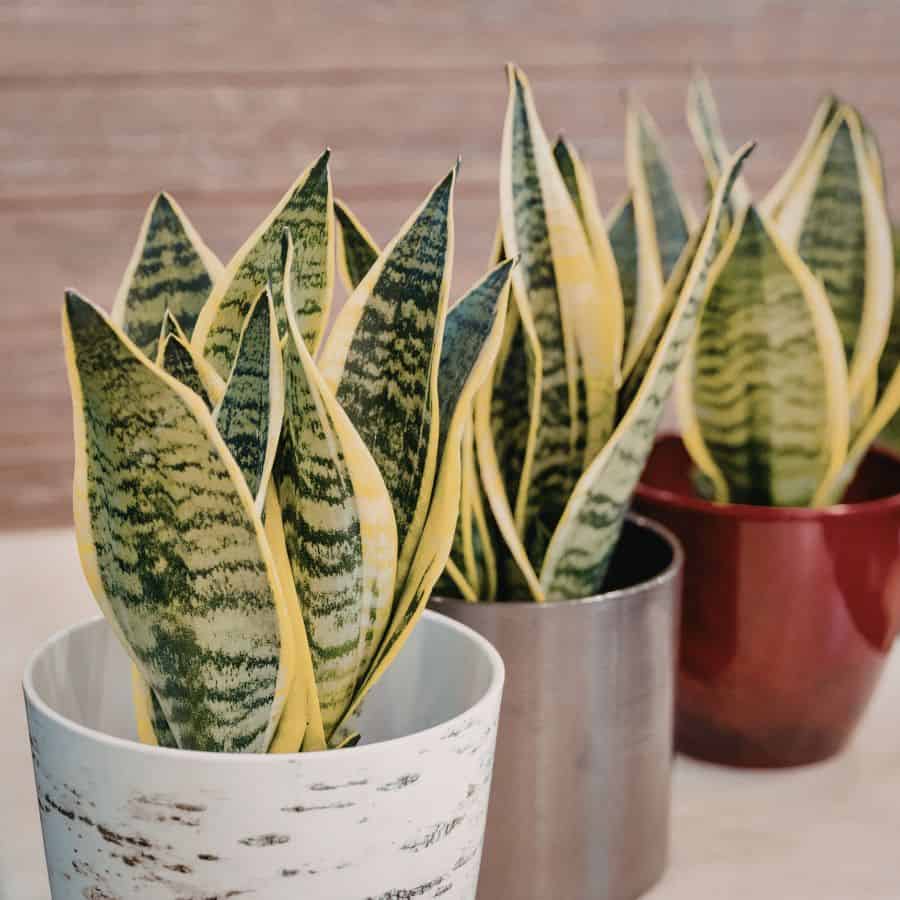
Bonus Pro Tricks: The Snake Plant Whisperer Secrets
Want to transform your snake plant from barren to full of babies? Try these techniques:
• Strategic Stress: Allow your plant to become slightly root-bound to trigger its survival instinct to reproduce. It’s like giving your plant a gentle nudge to expand its family.
• Warmth Therapy: Maintain temperatures between 70-85°F (21-29°C) with moderate humidity (40-50%). This creates conditions that encourage rhizome growth.
• Energy Redirection: Remove 1-2 of the oldest, tallest leaves to redirect energy into pup production rather than maintaining aging foliage.
• The Reset Button: If all else fails, divide and repot your plant. This often resets its growth pattern, resulting in new pups within a season.
Nearly every snake plant has the potential to produce lots of pups. With these adjustments, you’ll transform your lone plant into a thriving family.
Sometimes within just 8-12 weeks. Your plant isn’t being stubborn. It was just waiting for the right conditions.