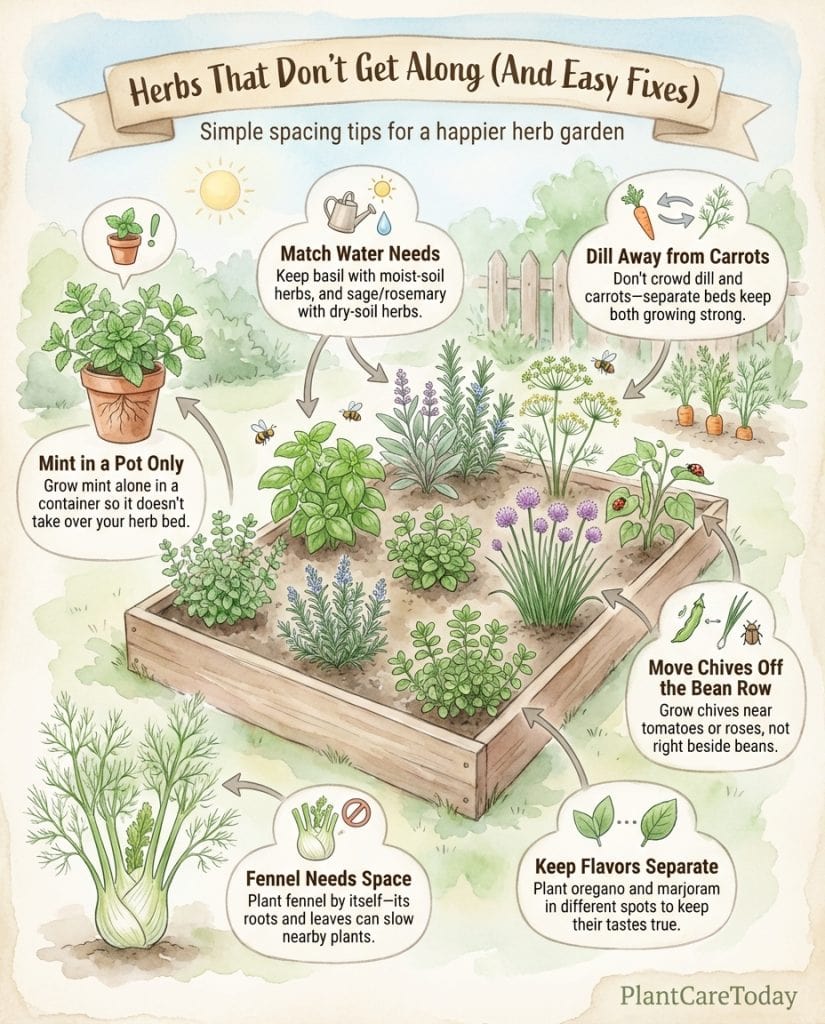
Your herb garden might have some plant conflicts happening right now, and you might not even know it.
While some herbs grow well together, others can compete, harming your gardening results. The real trick to a healthy herb garden is knowing which plants don’t get along.
Some of these combinations might surprise you.
Mint: The Garden Bully Nobody Talks About
Mint might seem like a garden staple, but this aromatic herb is actually the playground bully of the bunch.
A single mint plant can spread up to 4 square feet in just one growing season. That’s not just growing, that’s a takeover.
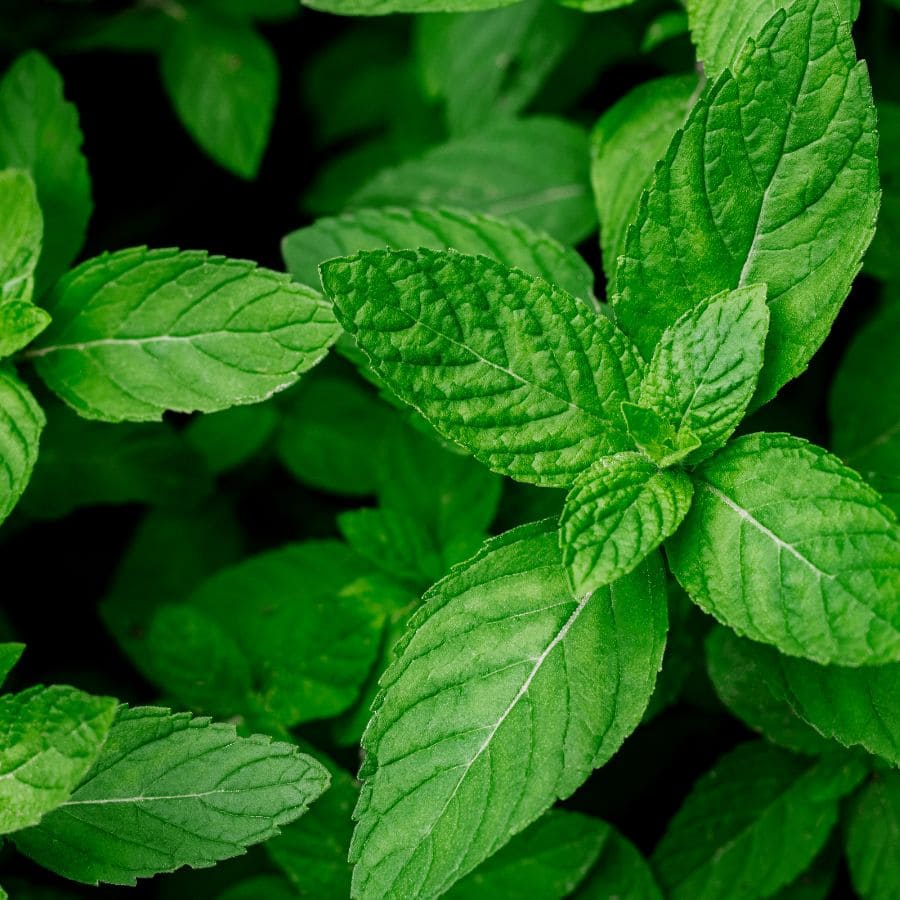
Mint will compete with any other herb for nutrients, water, and space. Its underground runners (rhizomes) spread quickly and without stopping.
The best approach is to plant mint in isolation. Keep this one in its own pot so it doesn’t bother the other herbs.
The Family Feud: Dill & Carrots
This pairing looks innocent, but it’s actually a problem. Since dill and carrots belong to the same plant family (Apiaceae), they cross-pollinate easily, which results in weird-tasting carrots and stunted dill growth.
This cross-pollination can reduce your carrot yield by up to 30%. Instead, try planting dill near cucumbers, where it repels pests and enhances growth without the issues.
Basil & Sage: A Water War Waiting to Happen
These Mediterranean favorites might share a cuisine, but they have opposite water needs. Basil needs consistent moisture, while sage prefers a drier environment.
When they share space, one will end up stressed and withering.
For better growth instead:
• Pair basil with moisture-loving parsley or tomatoes
• Plant sage alongside drought-tolerant herbs like rosemary or thyme
Fennel: The Antisocial Loner of the Herb World
Most herbs have at least a few good companions, but fennel doesn’t play well with others.
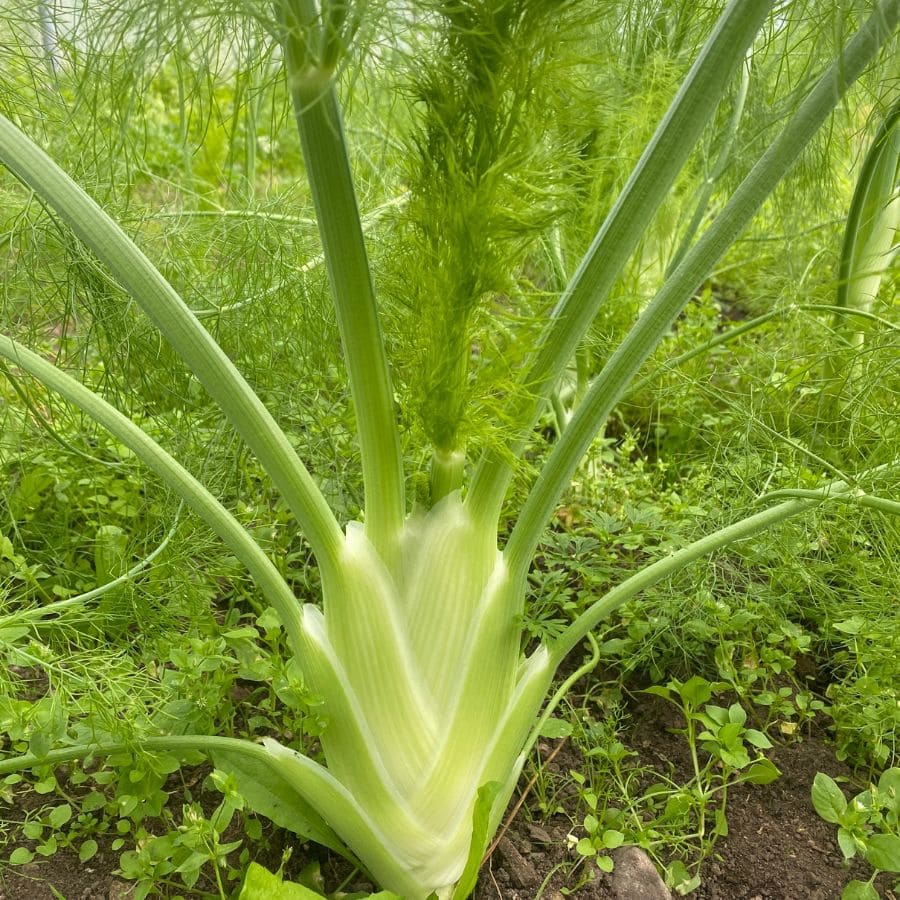
This flavorful herb releases compounds that actively stunt the growth of nearly everything planted nearby.
These compounds can reduce neighboring plants’ growth by up to 40%.
What fennel is telling you: “I need my space.” Give this loner its own container or a dedicated corner of the garden where it can grow alone.
Rosemary & Basil: The Doomed Garden Romance
These two might smell great together in your pasta sauce, but in the garden, they’re a disaster. Rosemary evolved in the rocky, dry Mediterranean coastlines, while basil originated in the humid regions of tropical Asia.
Try to make them grow together, and you’ll end up with either crispy, dying basil or rotting, waterlogged rosemary. They’re just from different worlds.
The difference between new and experienced gardeners is knowing which herbs share similar care needs:
• Rosemary thrives alongside thyme and lavender (the drought-tolerant trio)
• Basil does well near parsley and cilantro (the moisture-loving group)
The Surprising Saboteur: Chives & Beans
This unexpected garden problem catches many people off guard. Your innocent-looking chives are actually tough on beans.
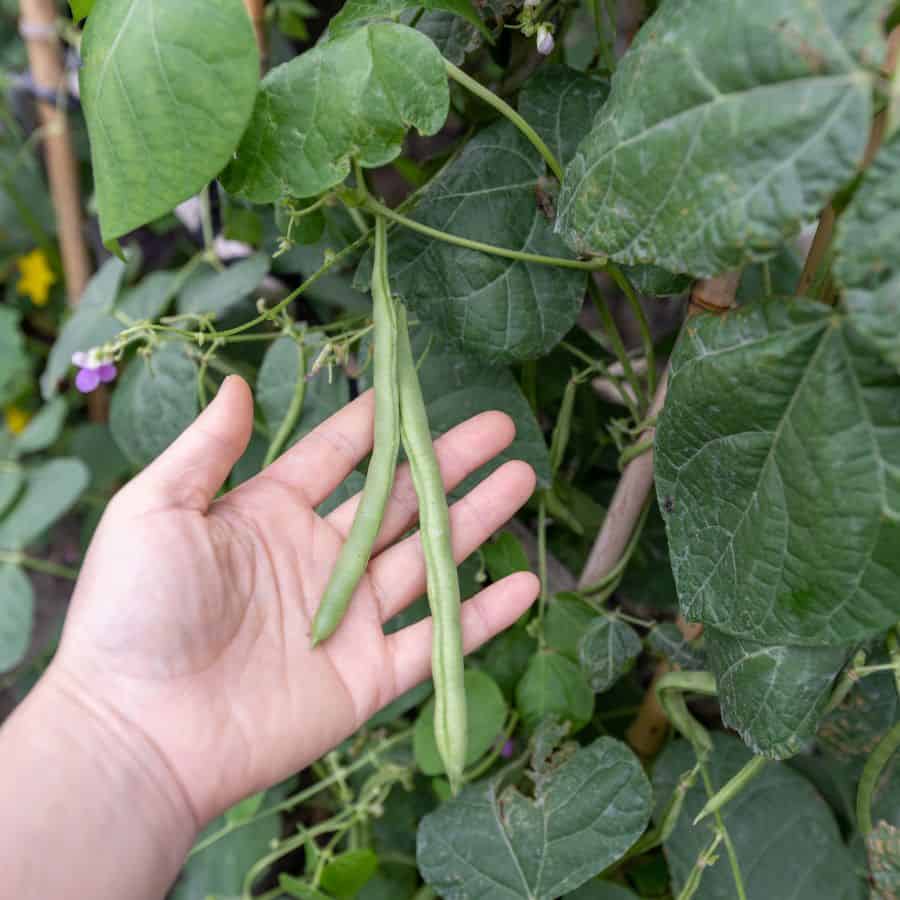
Many people plant beans near alliums like chives, unaware that chives release compounds that can reduce bean yields by up to 25%.
Those delicate white flowers might look innocent, but they’re sending chemical signals that beans don’t like.
A better approach? Plant your chives near roses or tomatoes, where they’ll actually protect against pests rather than causing problems.
The Identity Crisis: Oregano & Marjoram
These two herbs are so closely related they’re practically twins, and that’s the problem. When planted together, oregano and marjoram cross-pollinate easily.
The result? Herbs with confused flavor profiles that aren’t quite oregano and aren’t quite marjoram. It will leave your recipes tasting off.
To keep your herb flavors clear, keep these cousins at opposite ends of your garden (at least 15 feet apart) or grow only one variety if space is limited.
Your Herb Garden Rescue Plan
The solution for herb garden success isn’t complicated. It’s a strategic separation. Think of your herb garden like a seating chart: some plants shouldn’t be placed next to each other.
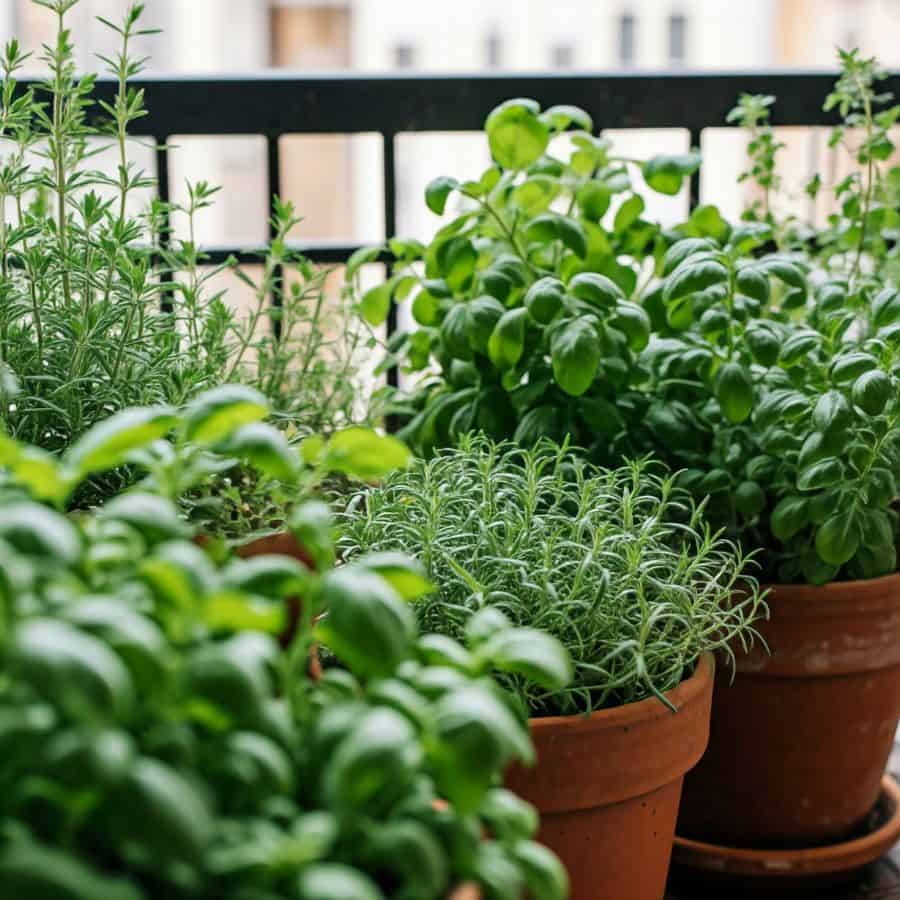
For a healthy, productive herb garden:
• Group herbs with similar water needs (moisture-lovers: basil, cilantro, parsley; drought-tolerant: sage, thyme, rosemary)
• Isolate the troublemakers (mint and fennel need their own containers)
• Keep related herbs separated to prevent cross-pollination and flavor confusion
• Create herb neighborhoods based on compatible growing conditions, not just cooking uses
With these simple strategies, your herb garden will go from a battleground to a peaceful, productive plant community that gives you great flavors all season long.