
Love being outdoors but sick of mosquitoes? Before you fill the yard with “mosquito-repelling plants,” here’s the distinction that gets lost in almost every list like this one.
A lot of popular garden plants really do contain compounds mosquitoes dislike — citronella, geraniol, nepetalactone, eugenol, and more. That part is true, and real research backs it up.
What the research does not back up is the leap most lists make next: that growing one of these plants in a pot or a border will measurably cut down mosquitoes around you.
University extension entomologists who’ve actually looked into it are consistent on this. As Clemson’s Home & Garden Information Center puts it, “to be effective as mosquito repellents, the plant’s leaves must be crushed, or the essential oils must be rubbed directly onto skin.”
A UF/IFAS Extension agent adds that these plant oils “must be extracted and used in concentrated forms — like sprays — to be truly effective.” And a University of Maryland Extension horticulturist who grows several of these plants herself put it bluntly: “I have been bitten while watering my lemon balm, which is between my catnip and mint.”
So: real chemistry, limited practical payoff from the living plant. With that straight, here are 12 plants worth growing anyway — for fragrance, pollinators, and the genuine (if limited) repellent compounds in their leaves. Below, you’ll also find what it actually takes to put that chemistry to work.
Citronella Grass (Cymbopogon nardus)
A tall, clumping perennial grass, hardy in warm zones. It wants partial shade to full sun and does well potted on a patio. Its essential oil is steam-distilled from the leaves — it’s the real, EPA-registered citronella oil used in candles and sprays.
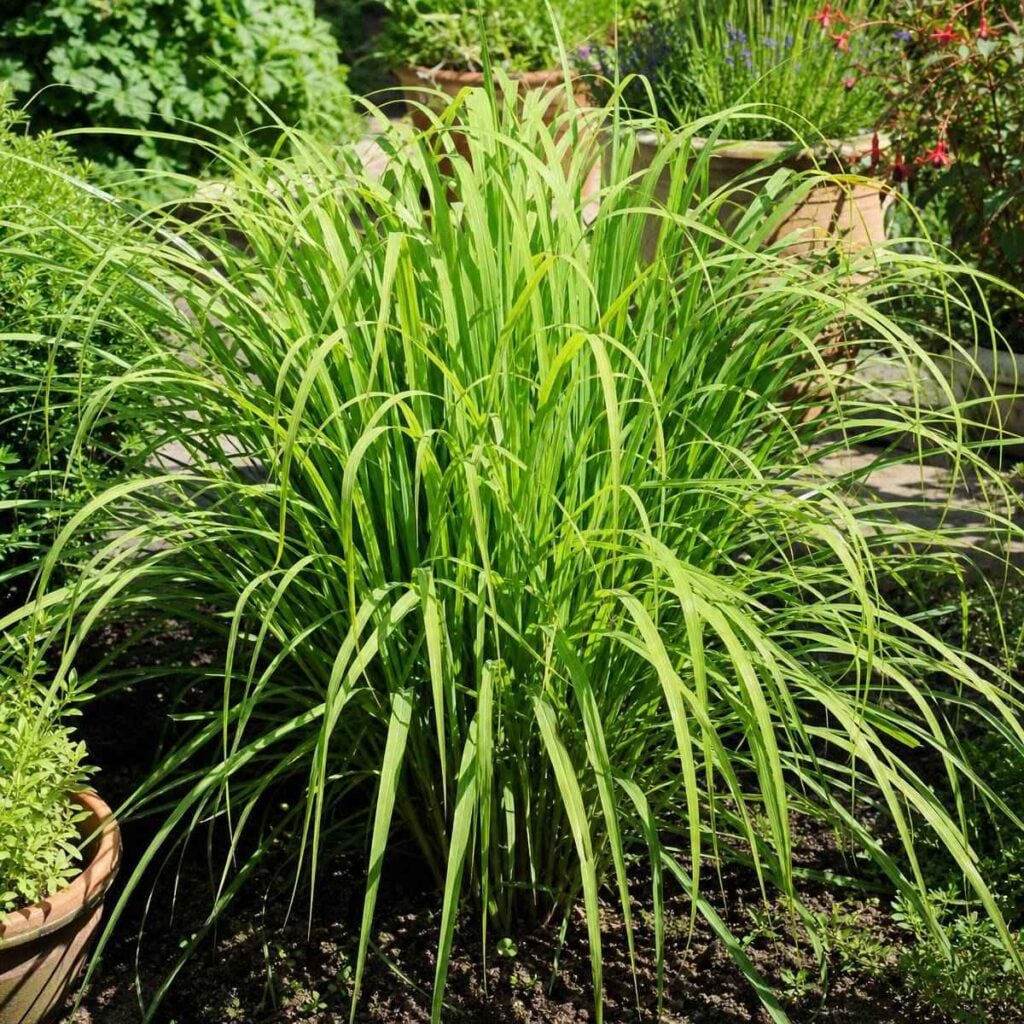
One mix-up to watch for: the “citronella plant” or “mosquito plant” sold at nurseries (Pelargonium citrosum) is a different plant. It’s a scented geranium, not related to this grass.
A University of Guelph field study found it did nothing to reduce mosquito bites. Researchers noted mosquitoes landing and resting on the plant during testing. If you want the real thing, look for Cymbopogon nardus by name.
Lemongrass (Cymbopogon citratus)
Mosquitoes do avoid the lemony citral compound in lemongrass. But per Clemson HGIC’s testing, even the extracted oil only held off bites for about 40 minutes.
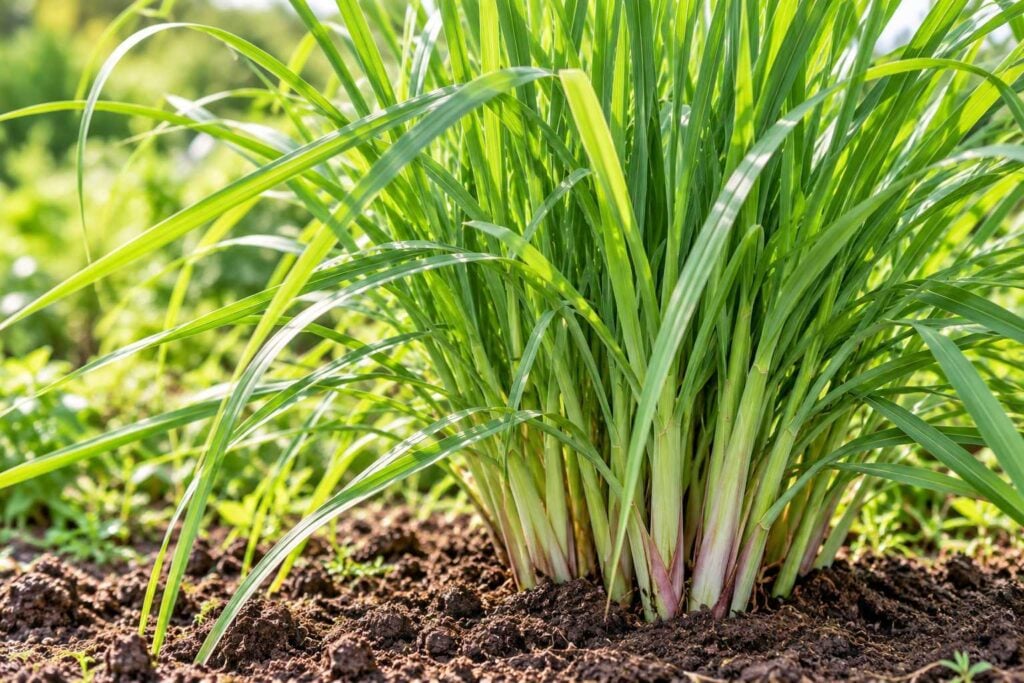
Grow it for the kitchen and the scent. Buy starter stalks and give it good drainage and full sun. Bring it indoors, or treat it as an annual, anywhere it might freeze.
Catnip (Nepeta cataria)
You’ll see this one described as “10 times more effective than DEET,” and that number is real. But it’s a 2001 Iowa State University lab result on isolated nepetalactone tested in a glass tube, not on a growing plant.
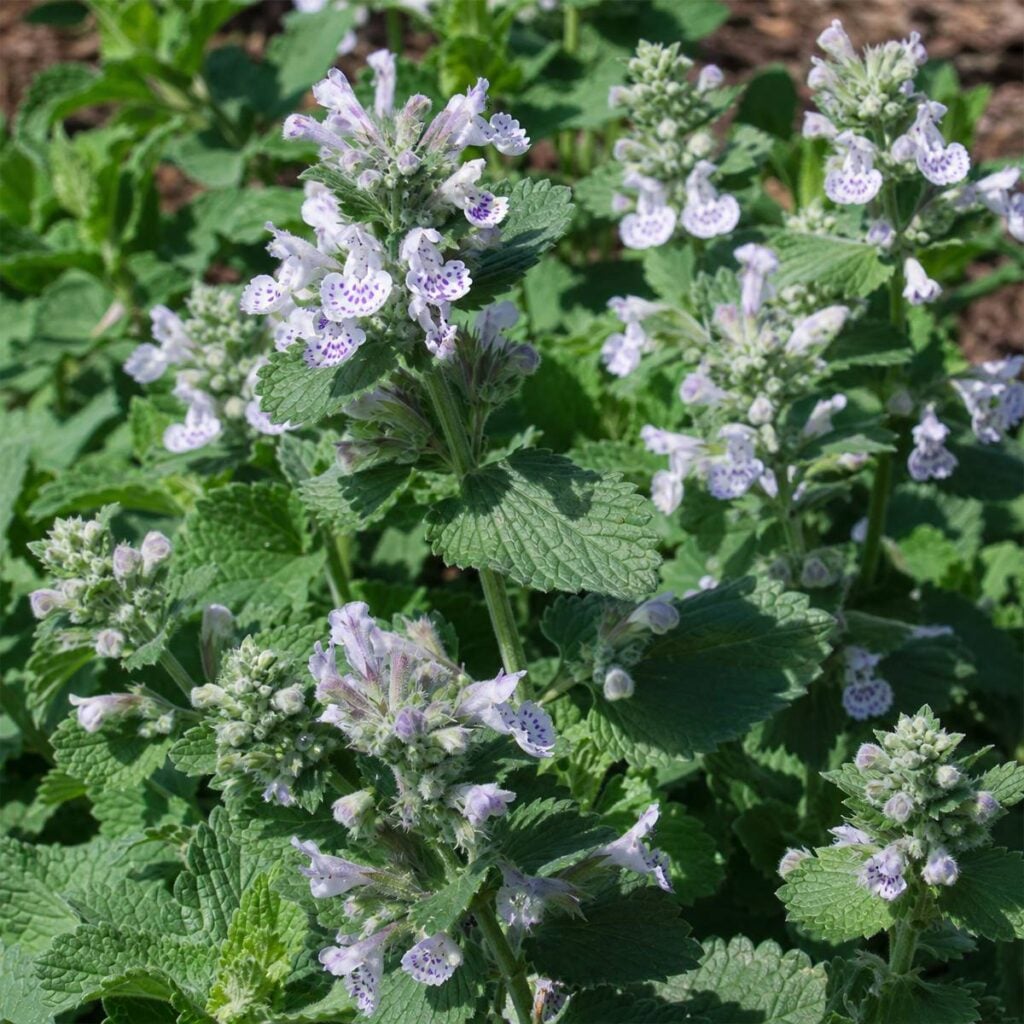
The researchers noted no human or animal testing was ever done on it. Catnip is easy to grow (some treat it as a perennial, others as an annual), and it’s genuinely invasive if you’re not careful. A hanging container works better than a garden bed — it also keeps your cats from flattening it.
Marigolds (Tagetes spp.)
A sun-loving annual, and a well-established companion plant for repelling aphids and nematodes in vegetable beds. That part holds up. The mosquito-repellent claim rests on the same extract-vs-intact-plant gap as the rest of this list.
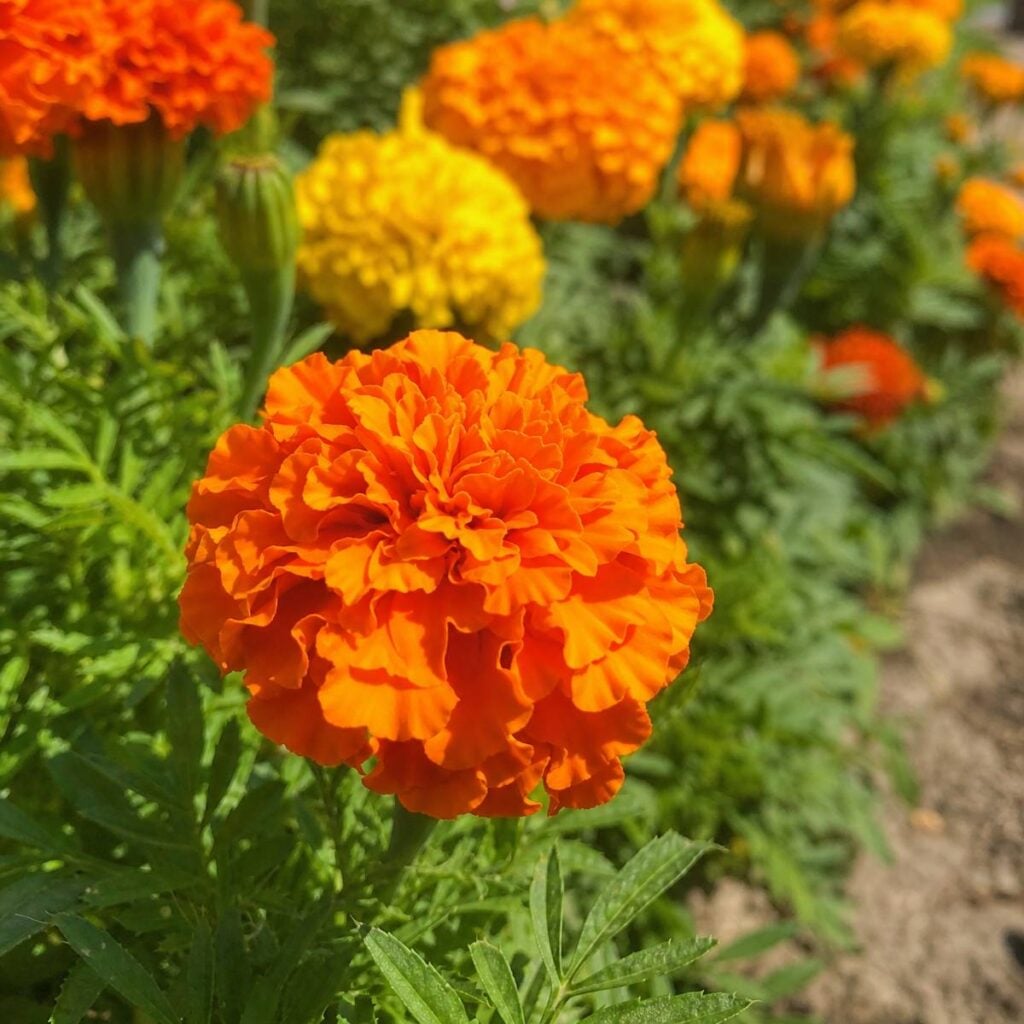
One caution worth keeping: marigold sap and oil contain compounds that can cause allergic skin irritation, especially with sun exposure. The “don’t rub it on your skin” advice is legitimate — wear gloves if you’re deadheading a lot of them.
Rosemary (Rosmarinus officinalis)
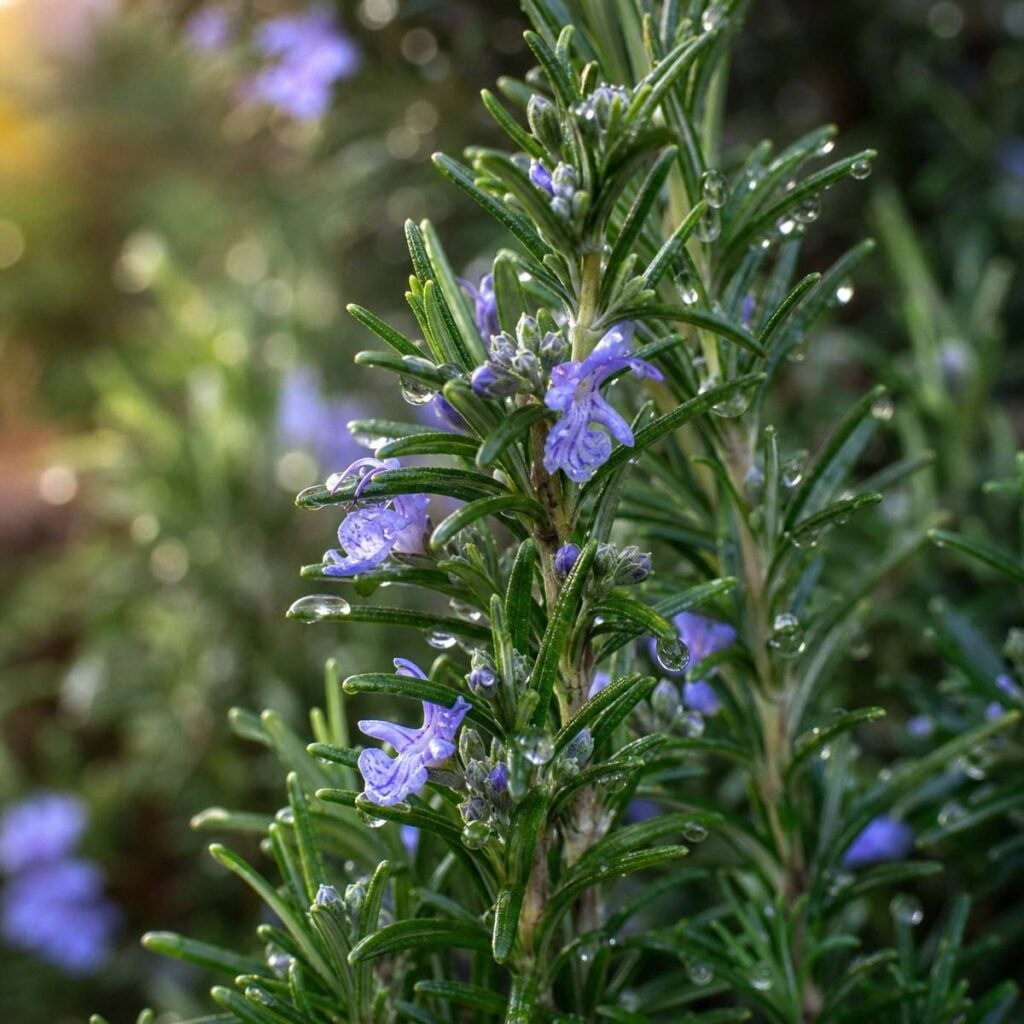
A low-water, attractive herb for containers or borders. Good in the kitchen for soups, eggs, and roasts. Its extracted oil is a documented mosquito deterrent. But per Clemson’s research, protection lasts only about 15 minutes — among the shortest of any of these.
Wormwood (Artemisia absinthium)
Silvery, pungent foliage that grows easily in full sun as a border plant. Its essential oil has shown real repellent and larvicidal activity against mosquitoes in lab studies. But as with the others, that’s the extracted oil, not the growing plant.
The skin caution stands for a real reason: wormwood’s oils are a documented cause of allergic contact dermatitis. Keep it off bare skin.
Mint (Mentha spp.)
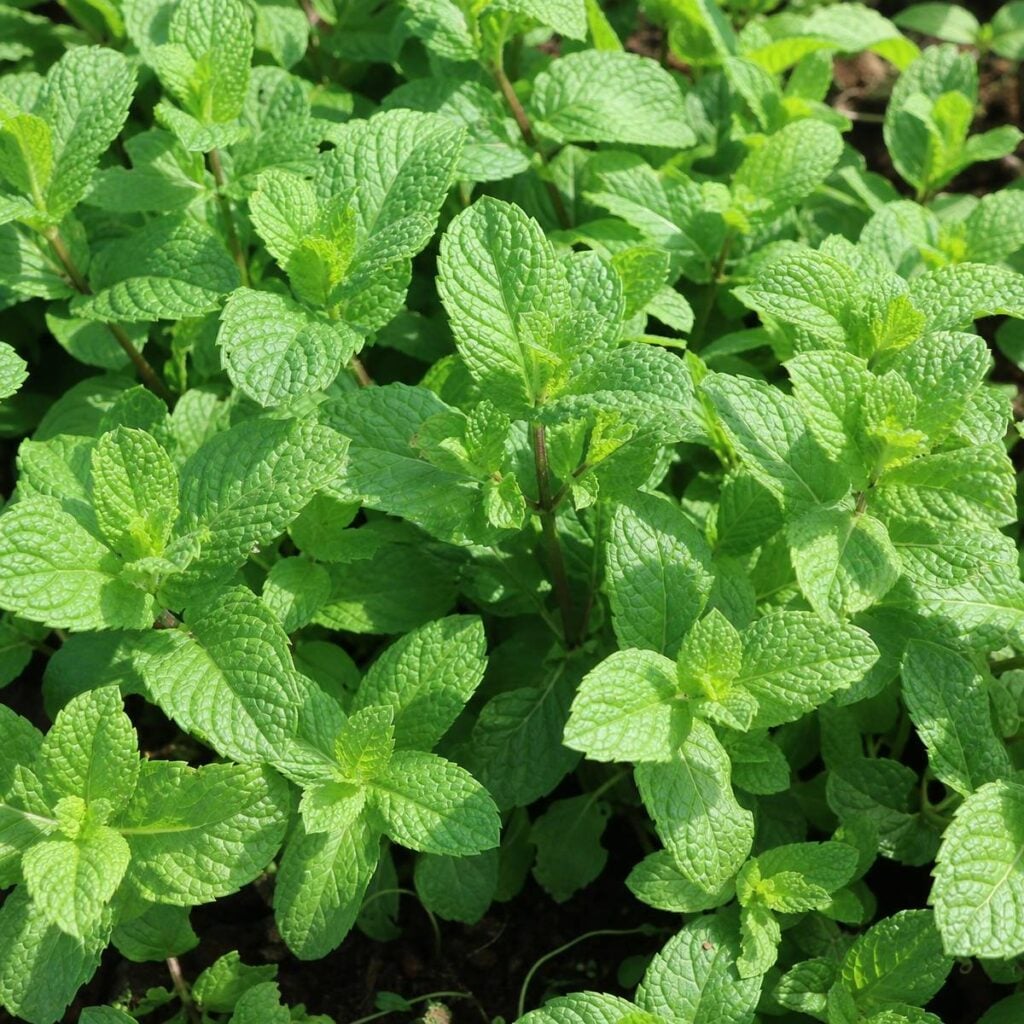
Extracted mint oils are on UF/IFAS’s own list of plants with real deterrent compounds. Plant it in containers, not the ground — mint spreads aggressively and will take over a bed.
Floss Flower (Ageratum houstonianum)
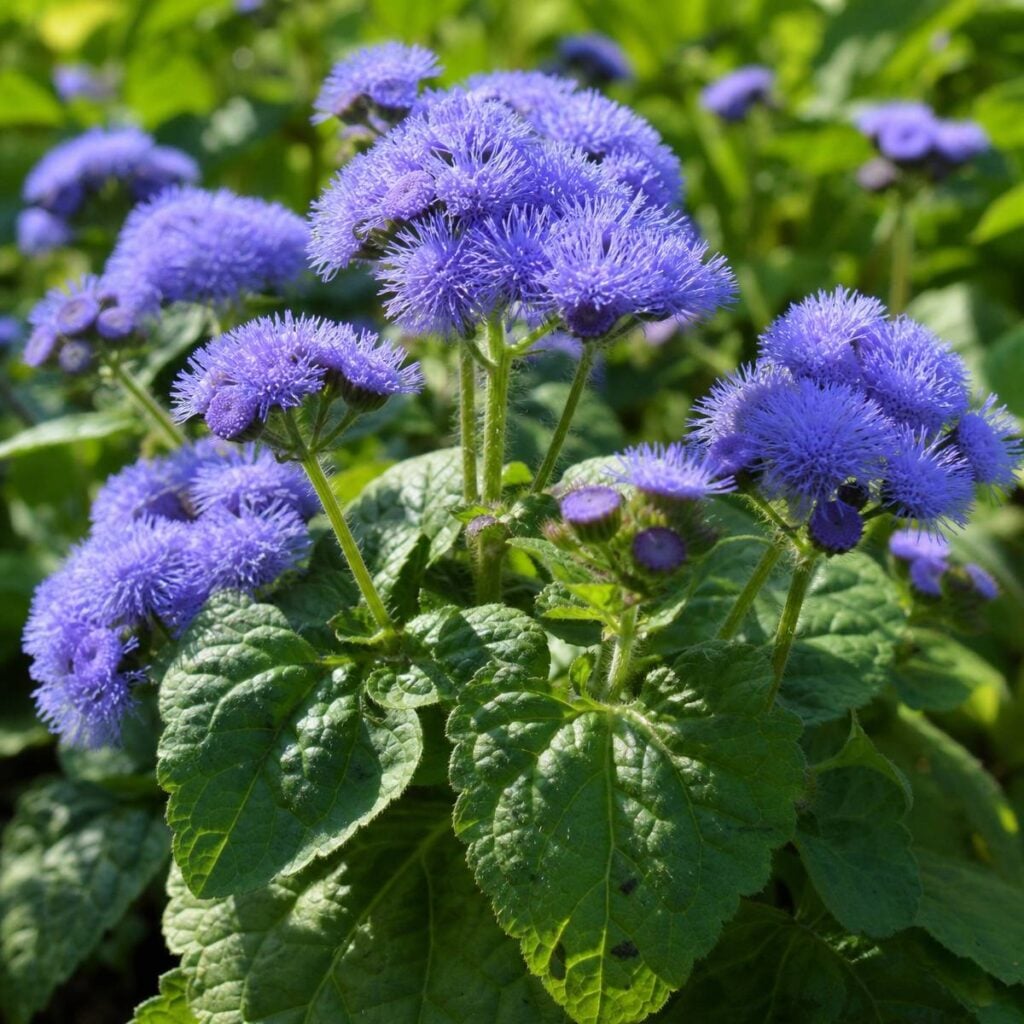
A compact annual (6–12 inches) for partial shade to full sun. It’s a genuinely good butterfly nectar plant. Peer-reviewed lab studies have found real repellent and larvicidal activity from ageratum leaf and flower extracts against several mosquito species. It’s solid research — but again, tested on extracts, not on plants growing in a yard.
Catmint (Nepeta faassenii)
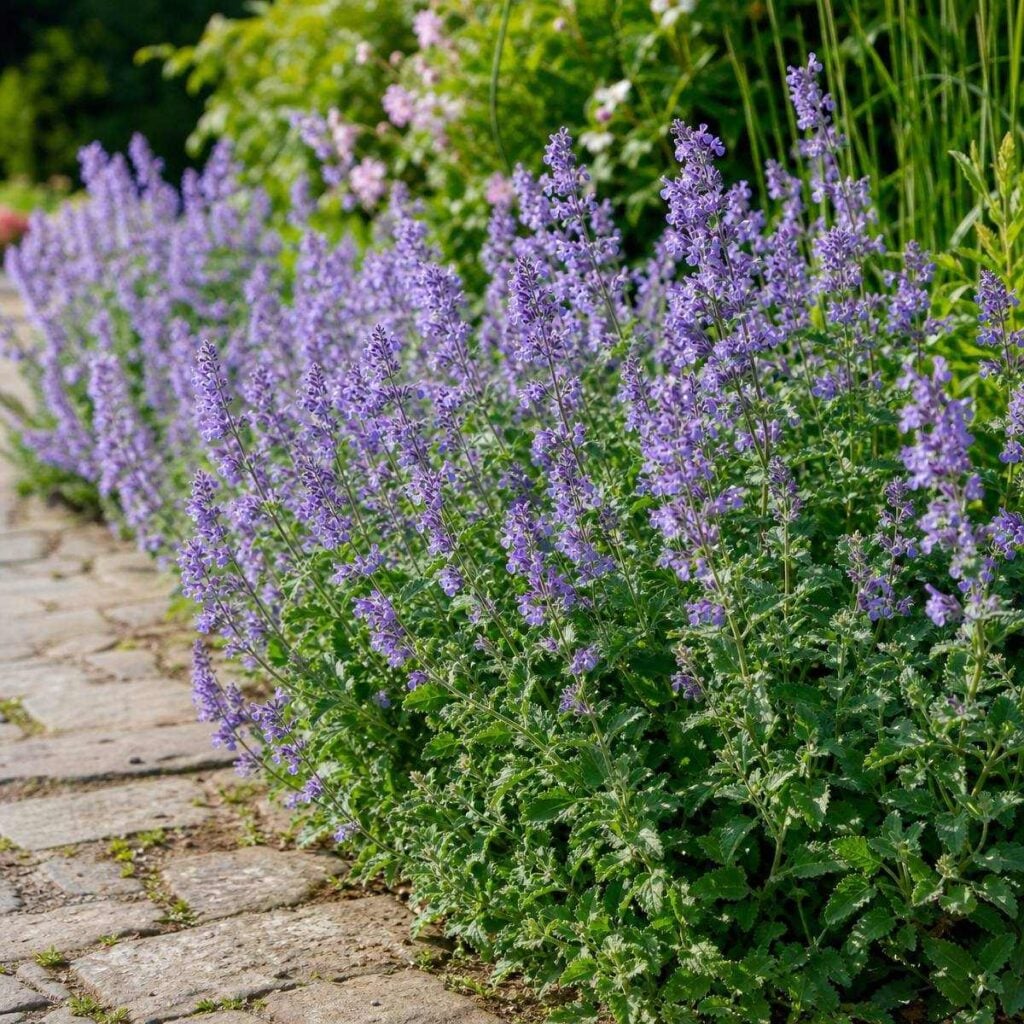
A well-behaved, mounding perennial (2–3 feet) related to catnip. Also a fine butterfly plant. It shares the same aromatic compound as catnip, nepetalactone, but at meaningfully lower concentration. That’s also why it doesn’t send cats into the same frenzy catnip does. Whatever repellent chemistry catnip has, catmint has less of it.
Clove Tree (Syzygium aromaticum)
Clove buds — the spice — come from this tree. Clove oil’s eugenol has real, lab-documented repellent activity against mosquitoes. Worth knowing before you plan around it: this is a tropical tree (roughly USDA zones 10–11), so it’s not a realistic landscape plant for most of the country.
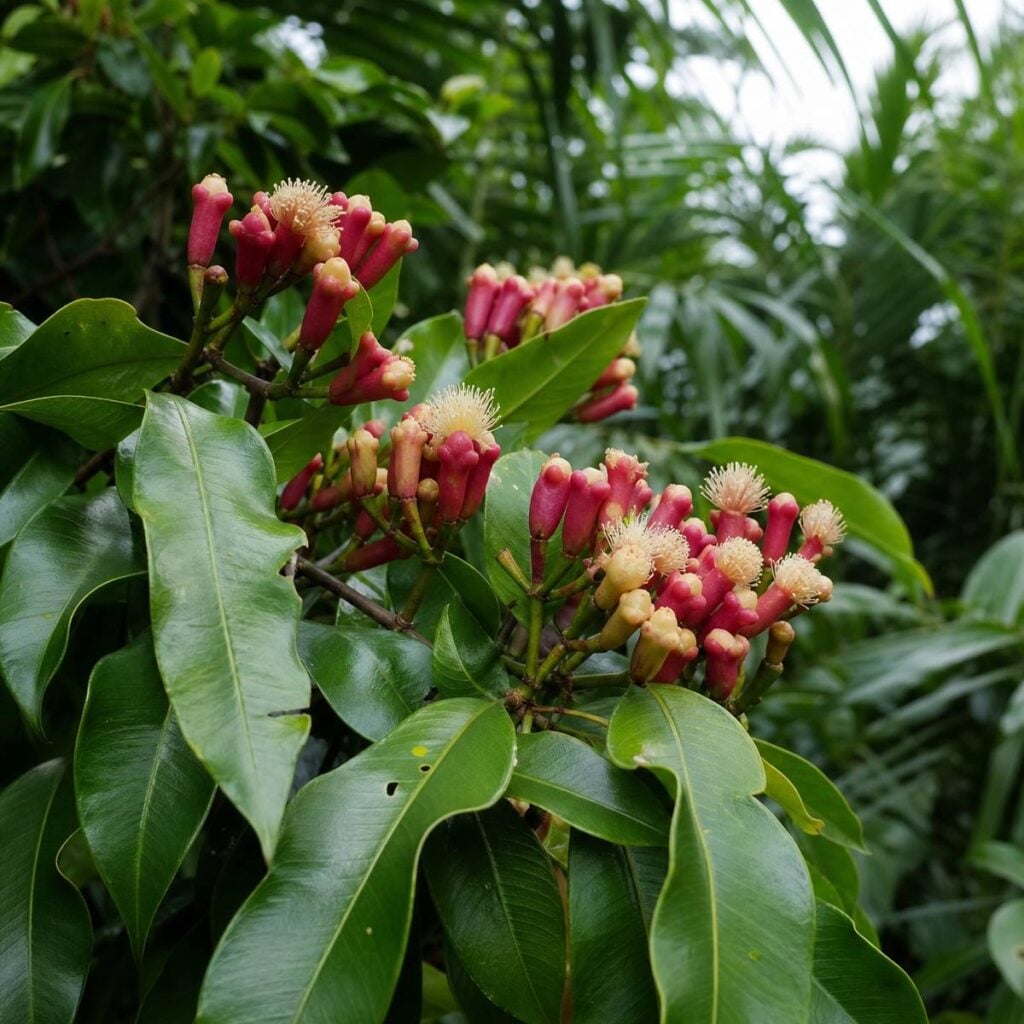
It’s really a “grow the spice, use the extracted oil” entry, not a “plant it and mosquitoes stay away” one.
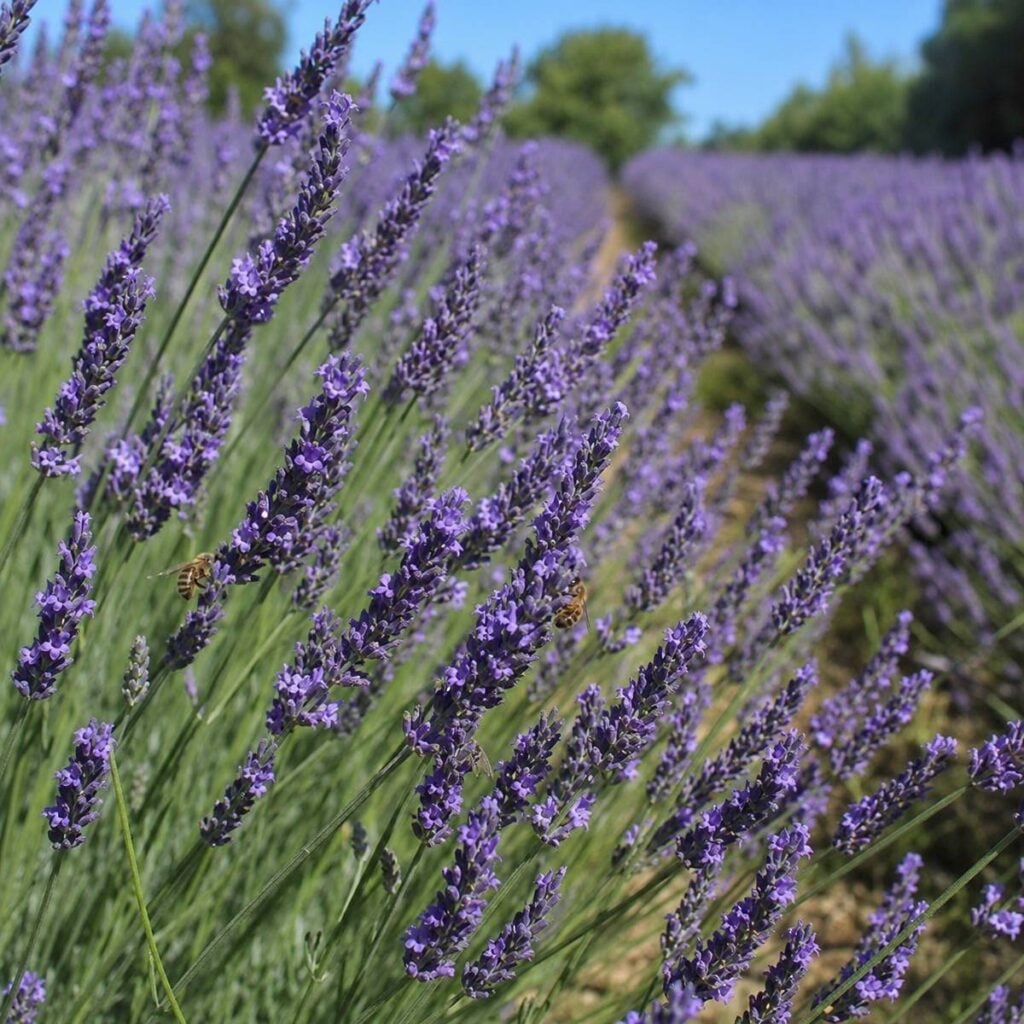
Lavender (Lavandula angustifolia)
A fragrant perennial that’s genuinely excellent for pollinators. Dried lavender releases more scent than fresh, but even that’s a small fraction of what a distilled lavender oil delivers. Keep growing it for the bees and the smell, not as pest control.
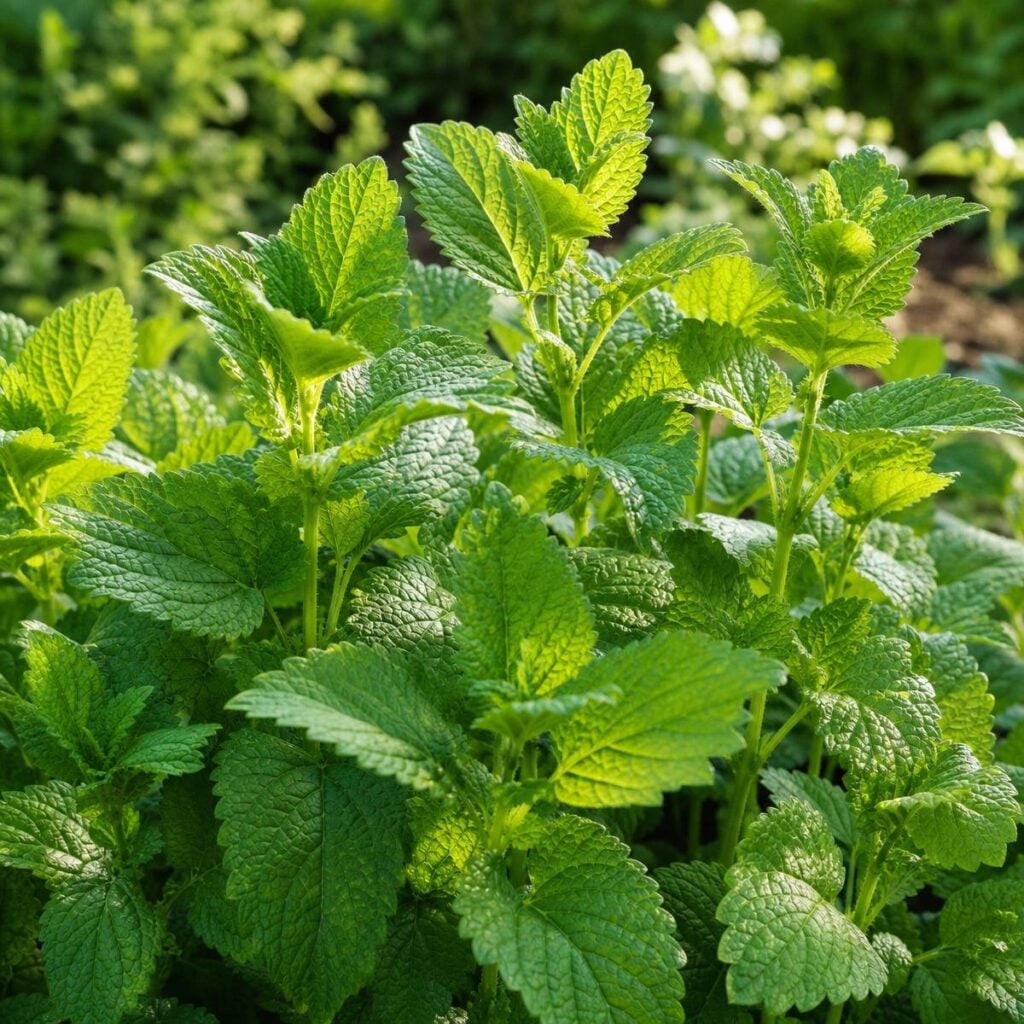
Lemon Balm (Melissa officinalis)
A partial-shade to full-sun perennial with leaves good for tea. This is the plant a University of Maryland Extension horticulturist specifically mentioned getting bitten while watering. It’s a fair real-world data point on how little the living plant does on its own.
If You Want Actual Mosquito Protection
Grow any of the plants above for what they’re genuinely good at — fragrance, pollinators, herbs for the kitchen. For real mosquito protection, extension entomologists point to two things that actually work.
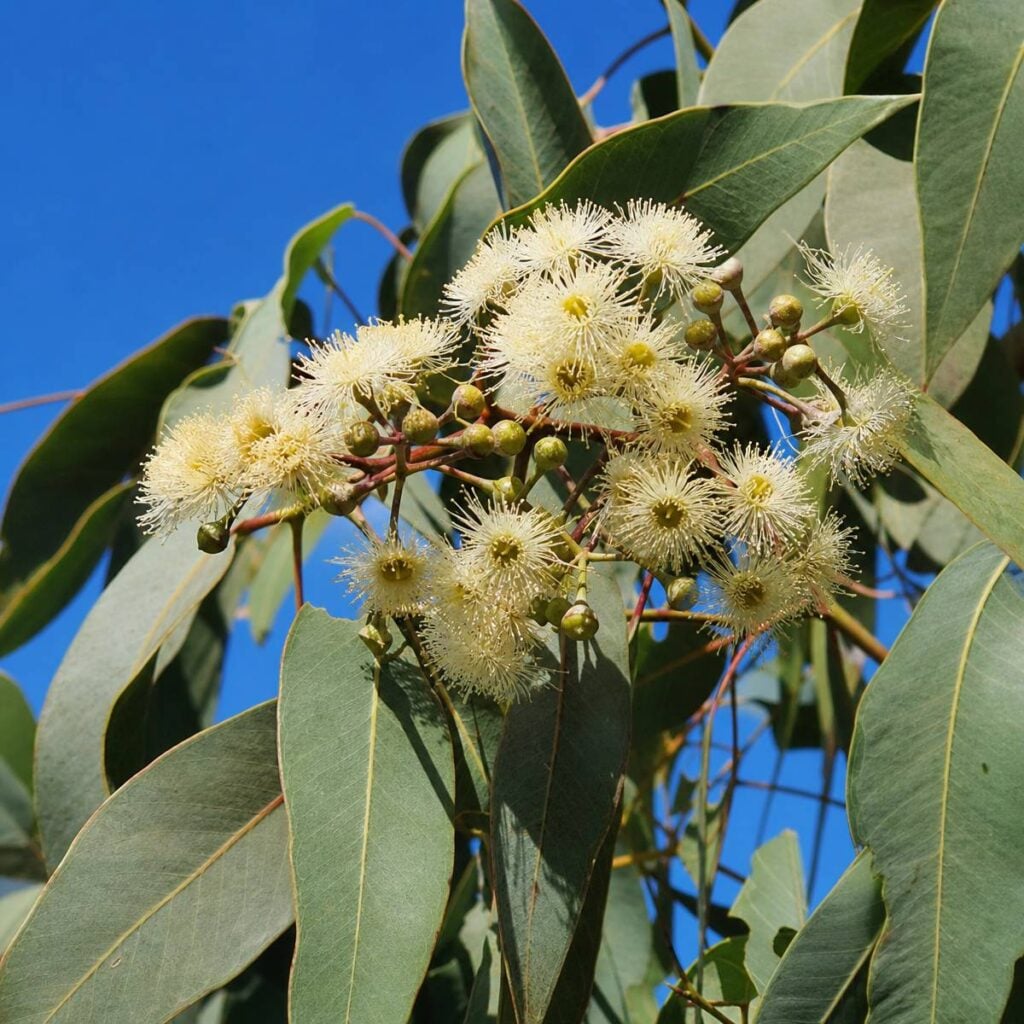
First, source reduction: dump standing water everywhere it collects — saucers, gutters, buckets, birdbaths — since that’s where mosquitoes breed. Second, an EPA-registered repellent applied to skin, whether that’s DEET, picaridin, or oil of lemon eucalyptus.
If you want to use these plants’ real chemistry, crushing leaves and rubbing them directly on skin or clothing does more than letting the plant sit in a pot. Just expect it to fade in well under an hour.
Frequently Asked Questions
Are there any plants that repel mosquitoes?
Many popular garden plants contain compounds mosquitoes dislike, including citronella, geraniol, nepetalactone and eugenol, and real research backs that up. What the research does not back up is that growing one in a pot or border will measurably cut down mosquitoes around you. Growing them is still fine, just don’t count on them to keep the bugs away.
Do anti-mosquito plants work if I just grow them in my yard?
Not on their own, according to university extension sources. Clemson says the leaves must be crushed, or the essential oils rubbed directly onto skin, to work as repellents. A UF/IFAS Extension agent says the oils must be extracted and used in concentrated forms, like sprays. A University of Maryland Extension horticulturist reported being bitten while watering her lemon balm.
Is catnip really 10 times more effective than DEET?
That figure is real, but it comes from a 2001 Iowa State University lab result on isolated nepetalactone tested in a glass tube. It was not a test on a growing catnip plant, so it doesn’t describe what a catnip plant does in your yard.
Is the mosquito plant sold at nurseries the same as citronella?
No. The “citronella plant” or “mosquito plant” sold at nurseries (Pelargonium citrosum) is a different plant from citronella grass (Cymbopogon nardus). A University of Guelph field study found it did not reduce mosquito bites. If you want the real thing, look for Cymbopogon nardus by name.
How do I actually protect myself from mosquitoes?
Clemson says the best way to control mosquitoes is source reduction and chemical control. In practice that means dumping standing water and using a repellent on skin. Even extracted plant oils protected for only about 15 to 40 minutes in Clemson’s testing.